







TB-500 vs BPC-157: Which Peptide for Which Research Application?
Right then, let's talk about peptides. You've probably heard the buzz around TB-500 and BPC-157, especially if you're into fitness, recovering from an injury, or just generally interested in how the body works. It can get a bit confusing trying to figure out what each one does and if it's the right choice for you. This article aims to clear things up a bit, looking at TB-500 vs BPC-157, what the science says, and what people are actually experiencing. We'll try and make sense of it all, so you can get a better idea of where these two might fit in.
Key Takeaways
- BPC-157 is mainly known for protecting tissues and helping new blood vessels grow, particularly useful for gut health and localised injuries.
- TB-500 focuses on helping cells move around and regulating actin, which is important for overall tissue repair and regeneration.
- While animal studies show promise for both TB-500 and BPC-157 in areas like injury recovery and inflammation, human research is still limited, meaning they're not approved for general medical use.
- People are often drawn to these peptides for faster injury healing, better athletic recovery, and managing gut issues, but it's important to remember that experiences can vary greatly and aren't always backed by solid clinical proof.
- Both peptides can be taken orally or injected, with injections generally offering better absorption, but the choice depends on individual needs and what works best for them, always under professional guidance.
Understanding TB-500 vs BPC-157: Core Mechanisms
Right then, let's get down to the nitty-gritty of what makes TB-500 and BPC-157 tick. They're both peptides, which are basically short chains of amino acids, and they're often talked about for their healing properties. But how they actually do their thing is where they differ.
BPC-157: A Focus on Tissue Protection and Angiogenesis
BPC-157, which stands for Body Protection Compound 157, is a bit of a multi-tasker. It's derived from a protein found in our stomach juices, which might sound odd, but it seems to be pretty good at protecting and repairing tissues, especially in the gut. It's thought to help by encouraging new blood vessels to grow, a process called angiogenesis. This is pretty important because better blood flow means more oxygen and nutrients getting to damaged areas, which speeds up healing. It also seems to play a role in the nitric oxide system, which is key for blood vessel function.
- Promotes new blood vessel formation (angiogenesis).
- Supports the nitric oxide pathways for better tissue perfusion.
- Offers direct protective effects on the gut lining.
- May influence growth hormone receptors in muscle and tendon tissue.
BPC-157 appears to work by creating a more favourable environment for healing, ensuring that damaged tissues get the support they need to repair themselves effectively.
TB-500: Enhancing Cell Migration and Actin Regulation
TB-500, on the other hand, is a synthetic version of a natural peptide called Thymosin Beta-4. This one is found in high amounts in things like platelets and wound fluid. Its main job seems to be helping cells move around to where they're needed, particularly at injury sites. It does this by influencing actin, a protein that's really important for cell structure and movement. By regulating actin, TB-500 helps cells migrate and also reduces inflammation and the formation of scar tissue. It's also thought to help with stem cell migration and the growth of new cells.
- Aids cell migration to injury sites.
- Regulates actin polymerisation for better cell mobility.
- Helps reduce inflammation and scar tissue.
- Supports angiogenesis and endothelial cell differentiation.
Comparing Their Primary Modes of Action
So, while both peptides are geared towards repair, their core strategies are a bit different. BPC-157 seems to be more about creating the right conditions for healing – think better blood flow and protection. TB-500 is more about the actual cellular mechanics – getting the right cells to the right place and helping them do their job. It's like BPC-157 is preparing the ground, and TB-500 is directing the construction crew. Understanding this difference is key when you're looking at how these peptides might help with injury recovery.
| Feature | BPC-157 | TB-500 |
|---|---|---|
| Primary Focus | Tissue protection, angiogenesis, gut health | Cell migration, actin regulation, scar reduction |
| Key Mechanism | Nitric oxide modulation, growth factors | Actin binding, stem cell recruitment |
| Natural Counterpart | Gastric juice protein | Thymosin Beta-4 |
| Main Benefit Area | Broad tissue repair, gut healing | Musculoskeletal repair, wound healing |
Therapeutic Applications: Where TB-500 vs BPC-157 Shine
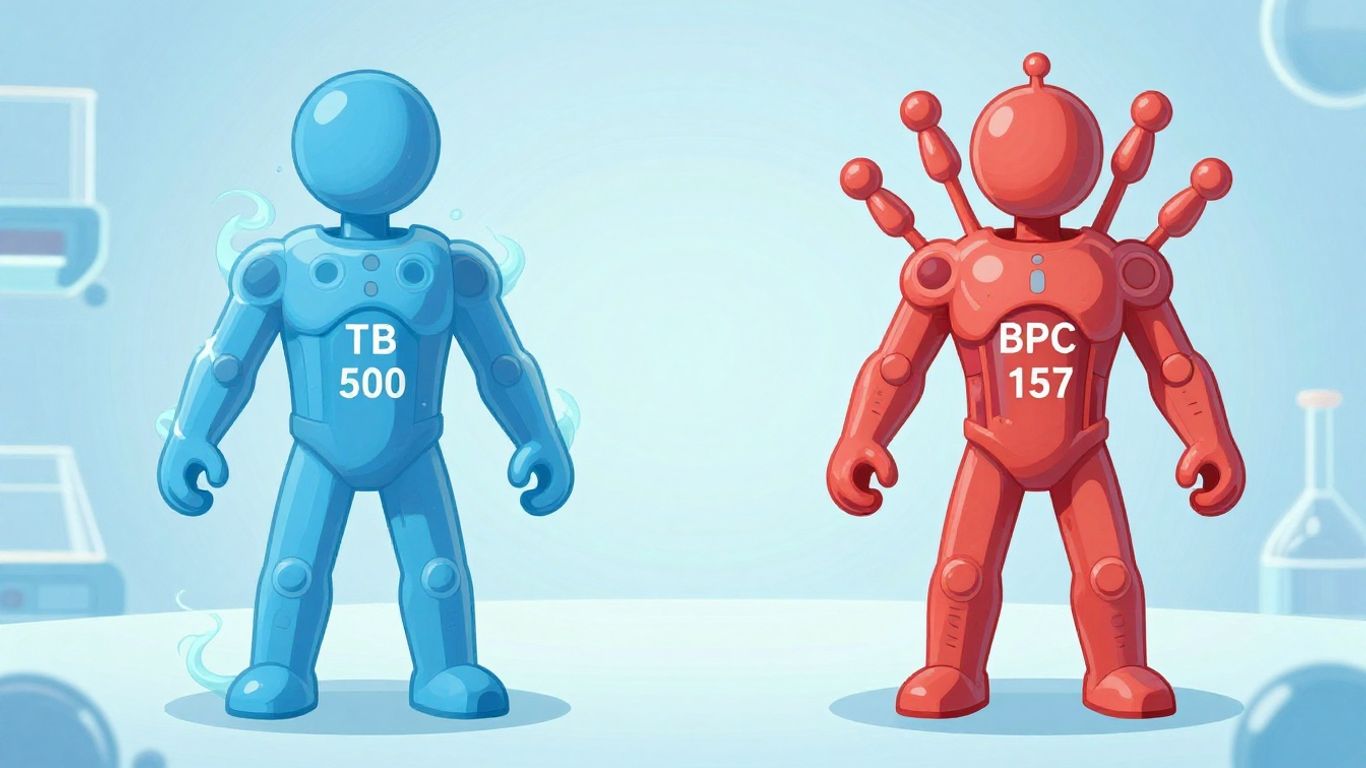
When we look at how TB-500 and BPC-157 are used in research, it's clear they have different strengths. It’s not really a case of one being better than the other, but rather which one fits the specific research goal.
Injury Recovery and Musculoskeletal Repair
Both peptides are popular for helping with injuries, especially those affecting muscles, tendons, and ligaments. BPC-157 is often highlighted for its ability to speed up healing in specific areas. Think of it as a targeted repair agent. It seems to help form new blood vessels, which is vital for getting nutrients to damaged tissue. TB-500, on the other hand, works more broadly. It's known for helping cells move to where they're needed, which is important for overall tissue regeneration. This makes it useful for more widespread damage or recovery after surgery. The choice often comes down to whether the research focuses on localised, specific tissue repair (BPC-157) or systemic cellular support for healing (TB-500).
| Peptide | Primary Focus in Musculoskeletal Repair | Key Mechanism Highlighted |
|---|---|---|
| BPC-157 | Localised tissue healing | Angiogenesis, growth factor modulation |
| TB-500 | Systemic cellular migration | Actin regulation, stem cell recruitment |
Gastrointestinal Health and Gut Protection
BPC-157 really stands out when it comes to the gut. Research suggests it can protect the stomach lining and help heal damage from things like ulcers or inflammation. It appears to have a direct protective effect on the gastrointestinal tract. While TB-500's benefits are more systemic, BPC-157's specific actions in the gut make it a go-to for studies looking into digestive health and repair. It's quite remarkable how a single peptide can have such targeted effects.
The gut is a complex system, and BPC-157's ability to interact with its lining and promote healing makes it a subject of interest for researchers studying conditions like inflammatory bowel disease or general gut integrity.
Athletic Performance and Systemic Inflammation
For athletes or researchers looking at recovery from intense physical activity, both peptides can be relevant, but in different ways. TB-500 is often considered for its systemic anti-inflammatory effects and its role in promoting overall tissue repair, which can aid in faster recovery from strenuous exercise. It helps cells move around the body more effectively, supporting healing wherever it's needed. BPC-157 can also help with inflammation, but its benefits are often seen as more localised to specific injuries. When optimising research with peptides, understanding these distinct roles is key to choosing the right peptide for studies. The goal is often to speed up recovery and reduce downtime, and both peptides contribute to this, albeit through different pathways. Exploring the benefits of these research peptides for healing can lead to better outcomes in athletic recovery studies.
The Evidence Base for TB-500 vs BPC-157
When we look at the science behind TB-500 and BPC-157, it's important to be realistic about what we know and what we don't. Most of the exciting findings come from studies done on animals, mainly rodents. While these studies are a good starting point, they don't always translate directly to humans. It's a bit like looking at a recipe for a cake that works perfectly in a lab, but then trying to bake it in your own kitchen – sometimes things just don't turn out the same.
Preclinical Research Supporting BPC-157
The research on BPC-157, particularly in animal models, is quite extensive. Studies have consistently shown that it can help protect tissues and speed up the healing process for things like tendons, ligaments, and muscles. It's also shown promise in protecting the gut lining from damage, which is pretty interesting. However, and this is a big 'however', there are currently no large-scale, randomised controlled trials in humans that have been published. We also don't have a clear picture of how the human body absorbs, uses, and gets rid of BPC-157, or what the best doses and treatment lengths should be for people. The long-term safety data in humans is also pretty much non-existent.
It's easy to get caught up in the potential benefits described in animal studies, but it's vital to remember that these findings are not yet confirmed in human clinical practice.
Human Studies and Clinical Trials for Thymosin Beta-4
Thymosin Beta-4 (Tβ4), the natural peptide that TB-500 is based on, has seen a bit more human research. There have been some early-stage clinical trials, like Phase I and II studies, looking at its use after heart attacks to help repair heart muscle. These studies generally reported good safety. Tβ4 has also been explored in clinical settings for wound healing, especially for wounds that just won't close up, and for dry eye disease. Animal studies also back up its anti-inflammatory and blood vessel-forming capabilities. But here's the catch: TB-500 is a synthetic fragment of Tβ4, not the whole thing. So, directly applying the results from Tβ4 human studies to TB-500 might not be accurate. Plus, TB-500 itself doesn't have any approved uses, and we don't know how it compares to existing treatments.
Limitations and Gaps in Current Research
So, what's the takeaway? A lot of the information out there is based on animal studies, and while promising, it's not the same as human evidence. For BPC-157, the lack of human trials is a significant hurdle. For TB-500, the fact that it's a fragment of Tβ4 means we can't just assume the human data for Tβ4 applies directly. We're missing key information on:
- Human Efficacy: How well do these peptides actually work in people for specific conditions?
- Optimal Dosing: What's the right amount to use, and for how long?
- Long-Term Safety: Are there any risks associated with using them over extended periods?
- Direct Comparisons: How do they stack up against treatments we already have?
While patient interest is high, and anecdotal reports are plentiful, the scientific community is still waiting for more robust, human-based evidence before these peptides can be considered established therapies. The research on BPC-157 and TB-500 shows potential, but more work is needed.
Patient Motivations and Reported Experiences
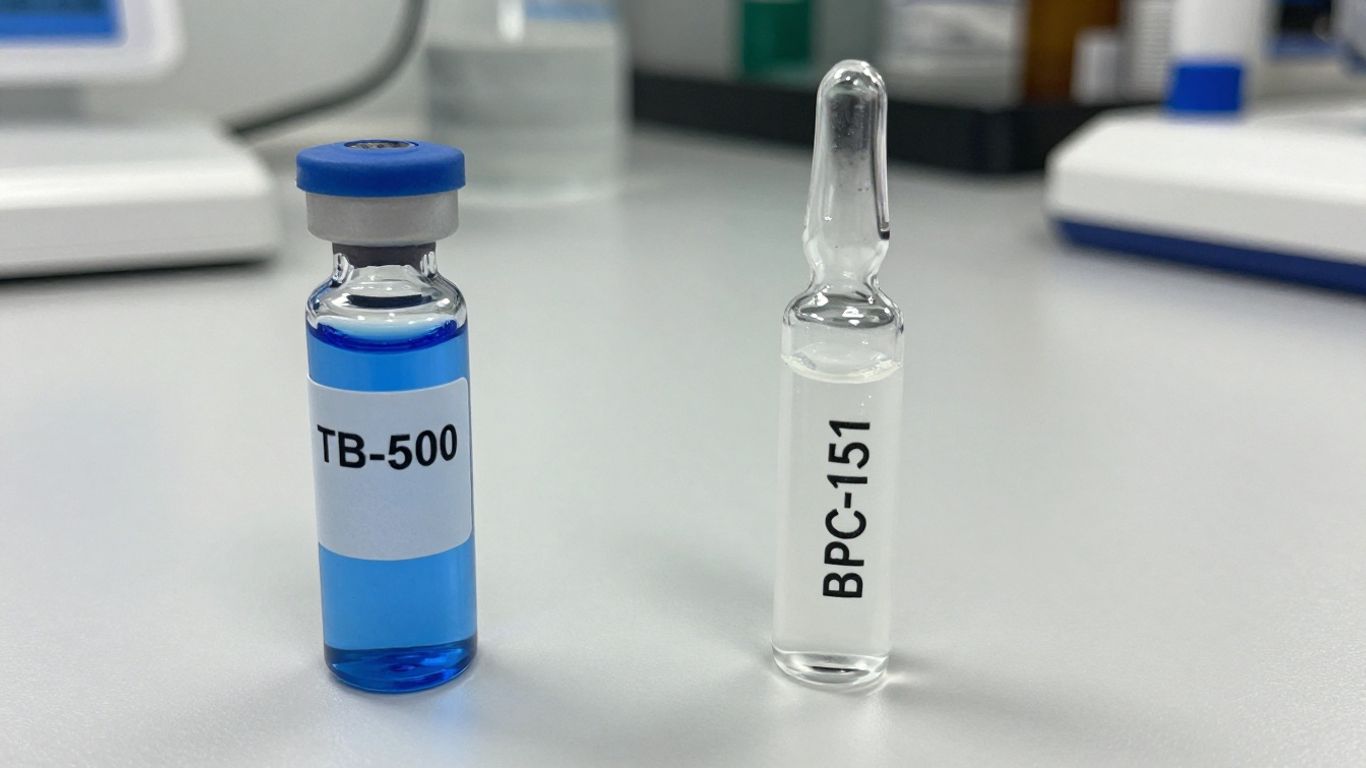
It's interesting to see why people are turning to peptides like TB-500 and BPC-157. The reasons are pretty varied, but a few themes keep popping up.
Seeking Relief from Chronic Injuries
A lot of folks are looking for answers when conventional treatments just aren't cutting it for long-term injuries. Think persistent tendonitis, ligament tears that just won't heal, or muscle strains that keep flaring up. People often mention conditions like Achilles tendinopathy or rotator cuff issues. They've tried the usual routes – physio, rest, maybe even surgery – and are still struggling. It’s about finding something that might actually help the body repair itself more effectively. Some individuals are exploring synthetic peptides hoping for a breakthrough.
Optimising Athletic Recovery
Then there are the athletes, both serious competitors and dedicated amateurs. They're keen on speeding up recovery between tough training sessions, reducing the time lost to injuries, and generally making their tissues more resilient. The idea of getting back to peak performance faster is a big draw. It’s worth noting, though, that TB-500 is on the World Anti-Doping Agency (WADA) Prohibited List, so athletes in regulated sports need to be really aware of that.
Anecdotal Evidence vs. Clinical Efficacy
Much of what patients read online comes from personal stories or animal studies. While these can be compelling, it's important to remember that they aren't the same as solid clinical evidence from human trials. The reported experiences can be quite positive, but they don't always align with what's proven in rigorous scientific studies.
The gap between what's seen in lab animals and what happens in humans is significant. While promising, the current evidence base for many peptide applications relies heavily on preclinical data, meaning we don't yet have a full picture of long-term effects or consistent outcomes in large human populations.
Here's a quick look at some commonly reported motivations:
- Accelerated Healing: A primary driver for many, especially after surgery or significant trauma.
- Pain Reduction: Managing chronic pain associated with injuries or inflammatory conditions.
- Improved Mobility: Regaining lost range of motion and function.
- Gut Health Support: For those struggling with digestive issues, BPC-157 is often mentioned.
It’s a complex picture, with people driven by a genuine need for better healing and recovery options, often fuelled by compelling personal accounts and early research findings.
Administration Routes and Bioavailability Considerations
When you're looking into peptides like TB-500 and BPC-157 for research, how you actually get them into the system matters. It's not just about the peptide itself, but how well the body can use it. This is where bioavailability comes in, and it's heavily influenced by the administration route.
Oral Administration: Convenience Versus Effectiveness
BPC-157 has a bit of an advantage here because it's known to be quite stable in stomach acid. This means it can potentially be taken orally, which is obviously much easier for most people. Think about it – no needles, just popping a pill or taking a liquid. However, even though it's acid-stable, the absorption through the gut can still be variable. Some studies suggest that oral administration might lead to lower overall concentrations in the bloodstream compared to injections. It’s a trade-off between ease of use and potentially getting less of the peptide where it needs to go.
Injectable Peptides: Maximising Bioavailability
For both TB-500 and BPC-157, injection is often considered the gold standard for maximising bioavailability. When you inject a peptide, whether it's subcutaneously (under the skin) or intramuscularly (into the muscle), you're largely bypassing the digestive system. This means the peptide can enter the bloodstream more directly and in higher concentrations. TB-500, in particular, is generally only recommended for injection because it's not as stable orally. With injections, you get a more predictable dose reaching your system, which is often preferred in research settings where precise dosing is important. However, it does require proper technique and carries the risk of injection site reactions, like redness or mild discomfort.
Choosing the Right Method for Your Needs
So, how do you decide? It really depends on what you're trying to achieve and your comfort level. If convenience is a major factor and you're working with BPC-157, oral administration might be worth considering, but be aware of the potential for reduced effectiveness. If you need to ensure the highest possible concentration of either peptide reaches your system quickly, or if you're using TB-500, then injections are likely the way to go. It's always a good idea to look at the specific research you're conducting and consult any available data on peptide purity and recommended administration for your intended application. Remember, the goal is to get the peptide to work effectively, and the route of administration plays a big part in that.
The effectiveness of any peptide therapy is intrinsically linked to how well it's absorbed and distributed within the body. While oral routes offer convenience, injectable methods generally provide superior bioavailability, leading to more consistent and potentially potent effects. Careful consideration of these factors is paramount for successful research outcomes.
Safety Profiles and Regulatory Status
When we talk about peptides like TB-500 and BPC-157, it's really important to consider what we know, and perhaps more importantly, what we don't know, about their safety. Because these aren't approved medicines in most places, the information we have comes from a mix of animal studies, anecdotal reports, and limited clinical observations. It's not quite the same as having years of rigorous human trials.
Understanding the Safety Data for Both Peptides
Right now, large-scale human trials for both BPC-157 and TB-500 are pretty much non-existent. This means our understanding of potential side effects is limited. Based on what practitioners and users have reported, some common issues pop up.
For BPC-157, people sometimes mention:
- Nausea or stomach upset, especially if taken orally.
- Feeling a bit dizzy or light-headed.
- A warm feeling or redness at the injection site.
- Headaches.
- Some users report feeling tired.
With TB-500, the reported side effects tend to be:
- Reactions where the injection was given, like redness or mild pain.
- Feeling tired or a bit sluggish after use.
- Headaches.
- Occasionally, some people feel like they have mild flu symptoms.
The biggest concern is what we don't know about long-term risks. Things like cancer risk, effects on hormones, or how it might interact with your immune system over time are largely unstudied in humans. There's a theoretical risk that peptides promoting cell growth could also stimulate existing tumours, though this is not proven. A review of BPC-157 touches on some of these safety aspects.
The Unapproved Status and WADA Prohibitions
It's crucial to remember that neither BPC-157 nor TB-500 are approved for medical use by major regulatory bodies like the FDA or EMA. This means they haven't gone through the full process to prove they are safe and effective for treating any specific condition. In many countries, they are only available through compounding pharmacies, often with a disclaimer that they are for research purposes only. This legal status means that selling or distributing them for human use can be problematic. For athletes, it's also worth noting that TB-500 is on the World Anti-Doping Agency's (WADA) list of prohibited substances, so its use in sports is banned.
Consulting Healthcare Professionals for Guidance
Given the experimental nature of these peptides and the lack of extensive human safety data, it's really wise to talk to a healthcare professional before you consider using them. They can help you understand the potential risks versus the possible benefits for your specific situation. It's also important to discuss any other medications you're taking, as interactions are not well understood. A good practitioner will also talk about alternatives that might have more established safety and efficacy profiles, like physiotherapy or other regenerative treatments. They can also help you source products from reputable compounding pharmacies, which is important for quality control. Remember, starting a peptide company in Canada, for example, involves navigating strict regulations due to their classification.
The current landscape for TB-500 and BPC-157 is one where exciting potential meets significant unknowns. While anecdotal reports and preclinical data suggest benefits, the absence of robust human clinical trials means caution is paramount. Users should be aware of the limited safety data, the unapproved status in most jurisdictions, and the potential for unknown long-term effects. Professional medical guidance is strongly recommended before considering their use.
Synergistic Potential: Combining TB-500 and BPC-157
It's pretty interesting how these two peptides, TB-500 and BPC-157, seem to work so well together. They both have their own strengths, but when you put them side-by-side, it looks like they can actually boost each other's effects. Think of it like having two different tools that do slightly different jobs, but when you use them in tandem, the whole task gets done faster and better.
Complementary Mechanisms for Enhanced Healing
So, how do they complement each other? Well, BPC-157 is known for its role in promoting blood vessel growth, which is vital for getting nutrients and oxygen to damaged areas. It also seems to help protect tissues from damage in the first place. TB-500, on the other hand, is more about getting cells to move around to where they're needed – think of it as directing the repair crew to the site. It does this by affecting actin, a key protein in cell structure and movement. When you combine these actions, you're not just promoting healing, you're actively directing and supporting the entire repair process. This could mean faster recovery from injuries, especially those involving muscles, tendons, and ligaments.
Exploring Combined Protocols
People are starting to explore different ways to use them together. Often, they're administered around the same time, or in cycles, depending on the specific goal. For instance, someone dealing with a tough tendon injury might use a protocol that involves both peptides. The idea is to create an environment that's ripe for healing (thanks to BPC-157) and then ensure the right cells are there to do the work (thanks to TB-500). It's not just about throwing them together, though; it's about understanding how their individual actions can create a more powerful combined effect. Some research suggests that using them together might lead to better outcomes than using either peptide alone, though more studies are needed.
The Need for Further Research on Synergy
While the anecdotal evidence and the theoretical basis for combining TB-500 and BPC-157 are compelling, it's important to remember that we're still in the early stages. Most of the really solid data comes from animal studies, and human trials looking specifically at these combined protocols are pretty scarce. We don't have a huge amount of information on long-term effects or optimal dosing when they're used together. It’s a promising area, for sure, but more rigorous scientific investigation is definitely required to fully understand the extent of their synergistic potential and to establish clear, evidence-based guidelines for their combined use in research applications.
The combination of TB-500 and BPC-157 presents an exciting prospect for regenerative medicine. By targeting different but complementary aspects of the healing cascade – BPC-157 with its tissue protection and angiogenesis, and TB-500 with its cell migration and actin regulation – they may offer a more comprehensive approach to recovery than either peptide alone. However, the current evidence base, while suggestive, is not yet robust enough to draw definitive conclusions about their synergistic efficacy in humans.
Here's a quick look at how their proposed actions might overlap and complement:
- BPC-157:
- Promotes angiogenesis (new blood vessel formation).
- Aids in tissue protection and reduces inflammation.
- Supports healing across various tissue types.
- TB-500:
- Enhances cell migration to injury sites.
- Involves actin regulation for cellular repair.
- Facilitates tissue regeneration.
When used together, the theory is that BPC-157 creates the optimal environment for healing, and TB-500 ensures the necessary cellular components are efficiently deployed to that environment. This could theoretically lead to faster and more complete tissue repair compared to using just one peptide. It's a bit like building a house: BPC-157 might be like preparing the foundation and ensuring all the utilities are in place, while TB-500 is like directing the construction workers to build the structure efficiently. The limited human data available, while not conclusive, hints at this potential.
Wrapping Up: BPC-157 and TB-500 in Research
So, where does this leave us with BPC-157 and TB-500? Both peptides show some really promising signs in early studies, especially when it comes to healing and recovery. BPC-157 seems to be a bit of a jack-of-all-trades for tissue repair and gut health, while TB-500 appears to be more about general cell movement and regeneration. It's tempting to think of them as miracle cures, but we've got to remember that most of the solid evidence comes from animal research. Human trials are still pretty thin on the ground, meaning we don't have all the answers about how they work in people long-term or what the best way to use them really is. If you're looking into these for your own research or recovery, it's definitely a case of proceeding with caution and talking to someone who really knows their stuff. More human studies are needed before we can say for sure what their full potential is.
Frequently Asked Questions
What's the main difference between TB-500 and BPC-157?
Think of BPC-157 as a tissue protector and builder, helping new blood vessels grow and keeping tissues healthy. TB-500, on the other hand, is like a cellular mover, helping cells get to where they need to be to fix things, especially by working with a protein called actin.
Which peptide is better for healing muscles and tendons?
Both can help, but they do it in slightly different ways. BPC-157 is known for speeding up the healing of tendons and muscles directly. TB-500 also aids in this by helping cells move to the damaged area and reducing inflammation, which can be a great combination for serious injuries.
Can I take both TB-500 and BPC-157 together?
Many people explore using them together because their actions seem to complement each other, potentially leading to better healing. However, more research is needed to fully understand how they work best as a team in humans.
Are these peptides safe to use?
While studies in animals show they are generally safe with low toxicity, there isn't a lot of research done on humans yet. They haven't been approved by major health organisations for general medical use, so it's really important to talk to a doctor before considering them.
How are these peptides usually taken?
They can be taken in a few ways, like injections or sometimes as a pill. Injections are often thought to work better because they go straight into the body, but taking them as a pill can be more convenient for some people.
Are TB-500 and BPC-157 allowed in sports?
No, TB-500 is on the World Anti-Doping Agency's (WADA) banned list. Athletes competing in sports that follow these rules need to be very careful about using it, as it could lead to disqualification.