


Purity >99% HPLC
RUO — Research use only
Not for human or veterinary use.
Tesamorelin (TH9507) Peptide
Research Peptide · 5mg Lyophilised Powder
£31.99
Size
Build a Stack & Save
2 = 5% · 3 = 10% · 4+ = 15%This product included. Tick to bundle & save:
Pay by Bank · Powered by Fena
FCA-regulated open banking — authenticated in your banking app, no card details shared.
For research purposes only. Not for human or veterinary use. All products must be handled by qualified researchers in appropriate laboratory conditions.
Purity You Can Verify
Every batch undergoes High-Performance Liquid Chromatography (HPLC) and Mass Spectrometry (MS) analysis before release. Independent third-party testing confirms purity exceeds 99% for each batch — not as a target, but as a minimum standard. The batch-specific Certificate of Analysis is published on our COA page, where you can match your vial's batch number to its results.
Manufactured with Pharmaceutical-Grade Process Controls
Our UK facility operates under cGMP (current Good Manufacturing Practice) guidelines, applying pharmaceutical-grade process controls to research peptide production. Synthesis, purification, lyophilisation, and final packaging all follow documented SOPs with full batch traceability from raw material to dispatch.
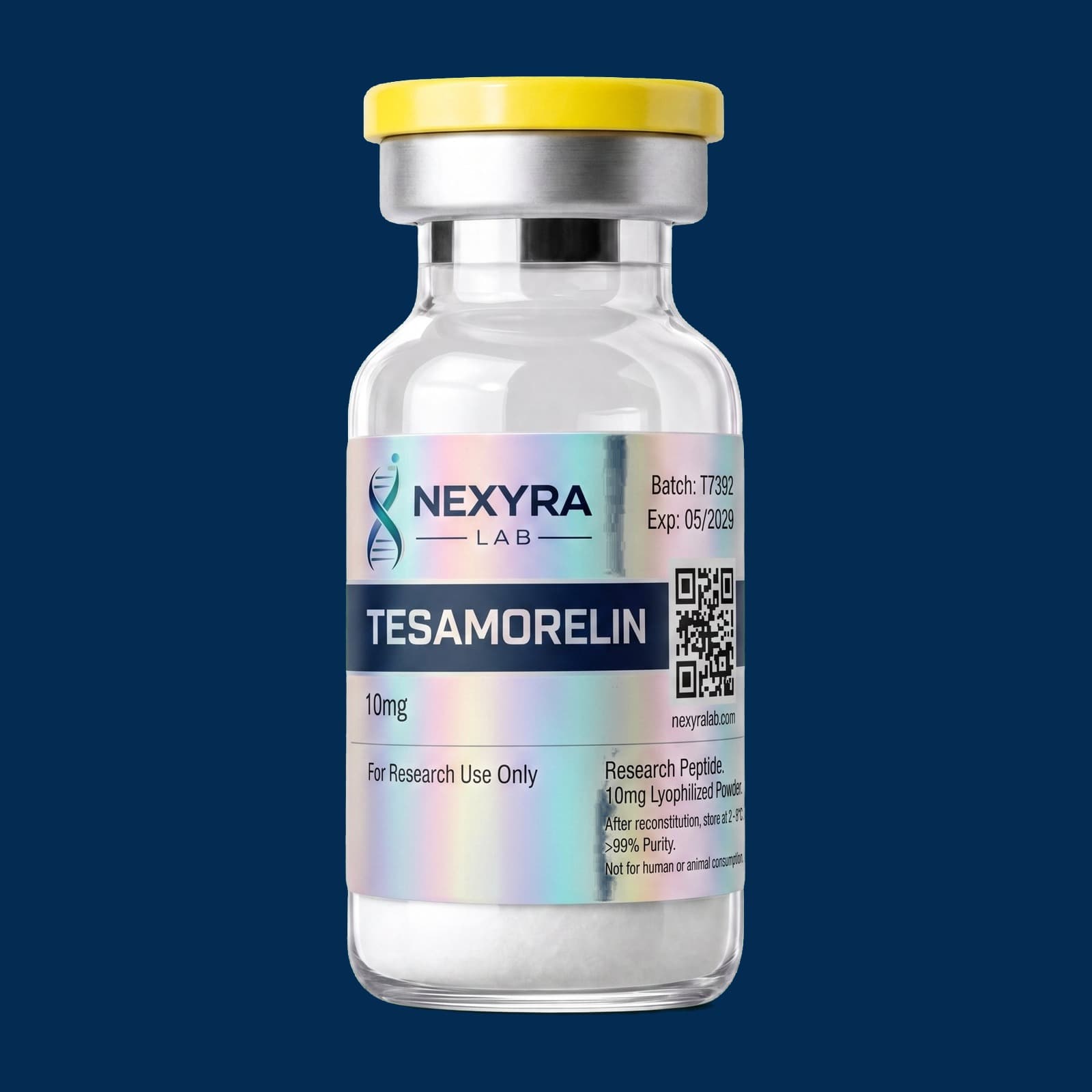
Batch-Specific Documentation
Every vial is labelled with a unique batch number tied to its specific production batch. Match it to the Certificate of Analysis on our COA page for HPLC purity data, MS identity confirmation, and production date — giving researchers full traceability and reproducibility assurance for every experiment.
Stored and Shipped Correctly
Lyophilised peptides are stored at -20°C from the moment of production. Orders are dispatched in temperature-appropriate packaging with discreet, plain outer packaging. Same-day dispatch on orders placed before 3 pm (UK working days).

>99%
Purity verified per batch
20+
Compounds in catalogue
100%
Batch-tested before dispatch
About Tesamorelin (TH9507) Peptide
Research-context overview. Not medical advice. All products for research use only.
| Also known as | TH9507 · N-hexenoyl-hGRF(1-44) |
| CAS Number | 218949-48-5 |
| Molecular Formula | C221H366N72O67S |
| Molecular Weight | 5135.77 g/mol |
| Purity | >99% HPLC (independently verified) |
| Status | Research Use Only (RUO) · Not for human or veterinary use |
Tesamorelin | TH9507 | Stabilised Growth Hormone-Releasing Hormone Analogue | Research Peptide
Also Known As: TH9507, Egrifta (pharmaceutical brand name) Sequence: Tyr-Ala-Asp-Ala-Ile-Phe-Thr-Asn-Ser-Tyr-Arg-Lys-Val-Leu-Gly-Gln-Leu-Ser-Ala-Arg-Lys-Leu-Leu-Gln-Asp-Ile-Met-Ser-Arg-Gln-Gln-Gly-Glu-Ser-Asn-Gln-Glu-Arg-Gly-Ala-Arg-Ala-Arg-Leu (44 residues, N-terminally modified) Modification: Trans-3-hexenoic acid moiety conjugated to N-terminal tyrosine residue Molecular Formula: C₂₂₁H₃₆₆N₇₂O₆₇S Molecular Weight: 5135.77 g/mol Purity: >99% (HPLC verified) Form: Lyophilised powder Available Sizes: 5mg | 10mg Storage: 2–8°C (refrigerated); –20°C for long-term storage CAS Number: 218949-48-5
What Is Tesamorelin?
Tesamorelin (developmental code: TH9507; brand name Egrifta) is a synthetic 44-amino acid analogue of endogenous human growth hormone-releasing hormone (GHRH), developed by Theratechnologies Inc. and approved by the U.S. Food and Drug Administration (FDA) in 2010 — making it one of the very few research-grade peptides with full FDA approval and an extensive human clinical trial dataset behind it.
Endogenous GHRH is a 44-amino acid hypothalamic peptide that binds to GHRH receptors on somatotroph cells in the anterior pituitary, stimulating the synthesis and pulsatile secretion of growth hormone (GH). While native GHRH is pharmacologically active, it is rapidly degraded in vivo by the serum enzyme dipeptidyl peptidase-4 (DPP-4) — which cleaves at the Tyr-Ala bond at the N-terminus — resulting in a biological half-life of only a few minutes and rendering it largely unsuitable as a sustained research tool.
Tesamorelin addresses this limitation through a precise structural modification: conjugation of a trans-3-hexenoic acid moiety to the N-terminal tyrosine residue. This hydrophobic modification sterically protects the DPP-4 cleavage site, producing a compound with significantly enhanced metabolic stability while retaining full agonist activity at the GHRH receptor. The result is a peptide that reproduces the physiological pulsatile pattern of GH secretion — preserving the natural hypothalamic-pituitary feedback architecture — rather than delivering continuous, supraphysiological GH exposure as exogenous rhGH administration does. This key distinction has major implications for research design and for the safety and hormonal specificity profile of tesamorelin relative to direct GH administration.
Our tesamorelin is synthesised under strict quality-controlled manufacturing conditions, verified to a purity of greater than 99% by High-Performance Liquid Chromatography (HPLC) and Mass Spectrometry (MS), and supplied as a lyophilised (freeze-dried) powder for optimal stability.
Research Background & Clinical Data
Tesamorelin carries one of the most extensive and rigorously validated clinical research profiles of any peptide available for laboratory study. It has been evaluated in large-scale, randomised, double-blind, placebo-controlled Phase III trials involving over 800 participants, with findings published in leading peer-reviewed journals. This level of clinical evidence is exceptional within the research peptide landscape and makes tesamorelin a uniquely robust reference compound for the GH/IGF-1 axis.
Mechanism: GHRH Receptor Activation & Pulsatile GH Secretion Tesamorelin binds with high affinity to the growth hormone-releasing hormone receptor (GHRH-R) — a G-protein-coupled receptor expressed predominantly on somatotroph cells of the anterior pituitary. Receptor binding activates the adenylate cyclase–cAMP–PKA intracellular signalling cascade, promoting both acute GH release and longer-term GH gene transcription. Critically, this mechanism preserves the natural pulsatile pattern of GH secretion and maintains hypothalamic-pituitary IGF-1 feedback inhibition — meaning GH release remains physiologically regulated rather than driven to sustained supraphysiological levels. Downstream, elevated GH stimulates hepatic and peripheral production of IGF-1 and IGF binding protein-3 (IGFBP-3), which mediate the compound's anabolic, lipolytic, and tissue-remodelling effects at target tissues.
Pulsatile GH Augmentation — Clinical Study in Healthy Males A landmark mechanistic study published in the Journal of Clinical Endocrinology & Metabolism examined the effects of tesamorelin at 2 mg daily for two weeks in 13 healthy males. Tesamorelin significantly increased mean overnight GH, average GH peak area, and basal GH secretion. IGF-1 increased by 181 ± 22 μg/litre (P < 0.0001), while neither fasting glucose nor insulin-stimulated glucose uptake was significantly affected — an important finding demonstrating that tesamorelin's GH stimulation can substantially elevate IGF-1 without impairing peripheral insulin sensitivity, a key differentiator from direct exogenous rhGH administration.
Phase III Clinical Trials: HIV-Associated Lipodystrophy (LIPO-010 & CTR-1011) The pivotal Phase III evidence base for tesamorelin comprises two large, multicentre, randomised, double-blind, placebo-controlled trials — LIPO-010 (n=412) and CTR-1011 (n=404) — enrolling a combined total of 816 HIV-infected patients with excess visceral adiposity associated with antiretroviral therapy. Across both trials, tesamorelin demonstrated consistent reductions in visceral adipose tissue (VAT) of approximately 15–20%, accompanied by improvements in triglycerides, waist circumference, and patient-reported body image outcomes. These results were robust, reproducible across both trials, and formed the basis of the compound's FDA approval in 2010 as the first and only medication specifically indicated for reducing excess abdominal fat in HIV-infected patients with lipodystrophy. An important finding from these trials was that tesamorelin significantly reduced visceral adipose tissue without adversely affecting subcutaneous fat or inducing insulin resistance — a clinically meaningful distinction from direct GH therapy.
NAFLD & Liver Fat Research — The Lancet HIV Beyond visceral fat reduction, tesamorelin has been studied in models of metabolic dysfunction-associated liver disease. Tesamorelin is also being evaluated as therapy for insulin resistance, obesity, and nonalcoholic fatty liver disease. In a substudy examining HIV-positive participants with NAFLD, tesamorelin produced clinically meaningful reductions in liver fat content and, in some analyses, attenuation of fibrosis progression markers — findings of significant interest to researchers working in hepatology and liver metabolic disease.
Cardiovascular Research In a study of tesamorelin (2 mg/day subcutaneously) in 60 abdominally obese volunteers with reduced peak GH stimulation, 12 months of treatment significantly decreased carotid intima-media thickness (cIMT), VAT, C-reactive protein, and triglycerides compared to placebo. Reductions in cIMT — a validated surrogate marker of coronary atherosclerosis — are of particular interest to cardiovascular researchers, though the relative contributions of IGF-1 elevation, VAT reduction, and anti-inflammatory effects to this outcome continue to be investigated.
Cognitive & Neuroendocrine Research An emerging and scientifically compelling area of tesamorelin research concerns cognitive function and neuroendocrine biology. Given the well-established role of the GH/IGF-1 axis in hippocampal neurogenesis, synaptic plasticity, and neuroprotection — and the progressive decline of GH secretion with age — tesamorelin has been investigated as a research tool for examining GH-mediated cognitive effects. Studies have explored tesamorelin's influence on verbal memory, executive function, and brain amyloid-beta metabolism in older adults, with findings suggesting a potential role for the GH/IGF-1 axis in age-related cognitive trajectories that merits continued investigation.
Metabolic Syndrome & Insulin Resistance Research Beyond the HIV-lipodystrophy indication, researchers have studied tesamorelin in broader models of visceral obesity and metabolic syndrome. Tesamorelin's stimulation of pulsatile GH release is thought to preferentially target visceral adipose tissue, suppress hepatic lipogenesis, and improve body-composition biomarkers. Its selectivity for visceral over subcutaneous fat — a pattern consistent with the physiological role of pulsatile GH in fat distribution — makes tesamorelin a valuable tool for researchers seeking to dissect the specific metabolic consequences of visceral adiposity and GH axis dysregulation.
Ageing & Somatopause Research The progressive decline in GH secretion with age — somatopause — is associated with increased visceral adiposity, reduced lean mass, impaired bone density, and deteriorating metabolic parameters. Tesamorelin's capacity to restore more youthful pulsatile GH dynamics without bypassing natural feedback mechanisms makes it an important research tool for studying somatopause-related metabolic changes and the role of the GH axis in healthy ageing trajectories. Unlike exogenous rhGH, which replaces GH directly and suppresses endogenous secretion, tesamorelin stimulates the pituitary — preserving the regulatory architecture while augmenting output.
Tesamorelin vs. Exogenous rhGH: A Key Research Distinction
A critical consideration for researchers choosing between tesamorelin and recombinant human growth hormone (rhGH) is the fundamentally different hormonal environment each creates. Direct rhGH administration delivers continuous, non-pulsatile GH exposure that can suppress endogenous GH secretion via negative feedback and frequently drives IGF-1 to supraphysiological levels — increasing the risk of insulin resistance and other GH excess effects. Tesamorelin, by contrast, stimulates the pituitary to release GH in the natural pulsatile pattern, maintains hypothalamic-pituitary feedback integrity, and produces more physiological IGF-1 elevation. This distinction is experimentally important: researchers studying the consequences of physiological versus supraphysiological GH axis activity, or seeking to model GH restoration without disrupting endocrine homeostasis, will find tesamorelin and rhGH produce meaningfully different experimental conditions that must be accounted for in protocol design.
Both tesamorelin and rhGH are available in our catalogue, allowing researchers to select the most appropriate tool for their specific experimental model.
Product Specifications
| Specification | Detail |
|---|---|
| Peptide | Tesamorelin (TH9507) |
| Classification | Stabilised GHRH analogue — 44-amino acid polypeptide |
| N-terminal Modification | Trans-3-hexenoic acid (DPP-4 protection) |
| Molecular Formula | C₂₂₁H₃₆₆N₇₂O₆₇S |
| Molecular Weight | 5135.77 g/mol |
| Purity | >99% (HPLC & MS verified) |
| Form | Lyophilised powder |
| Vial Sizes | 5mg, 10mg |
| Appearance | White to off-white powder |
| Solubility | Soluble in sterile water or bacteriostatic water |
| Storage | 2–8°C (short-term); –20°C (long-term, lyophilised) |
| Shelf Life | 24 months lyophilised; use reconstituted solution within 28 days (2–8°C) |
| CAS Number | 218949-48-5 |
Quality & Purity Assurance
Every batch of our tesamorelin undergoes a comprehensive multi-stage quality control process before release. Our assurance pipeline includes:
- HPLC Analysis — confirms peptide purity exceeding 99% and correct modification profile
- Mass Spectrometry (MS) — verifies molecular identity, N-terminal hexenoyl modification integrity, and full 44-residue sequence accuracy
- SDS-PAGE — confirms correct molecular weight profile under denaturing conditions
- Endotoxin Testing — ensures the product is free from bacterial endotoxins
- Certificate of Analysis (CoA) — available for every batch upon request
Full batch traceability is maintained across synthesis, purification, and quality testing. The N-terminal modification is an analytically critical feature of tesamorelin that requires specific MS verification — our QC process explicitly confirms hexenoyl conjugation integrity to ensure research-grade reliability.
Handling & Reconstitution (Research Use)
Tesamorelin lyophilised powder should be reconstituted by gently adding sterile bacteriostatic water to the side of the vial — not directly onto the powder. Swirl gently until fully dissolved; do not vortex. Once reconstituted, aliquot immediately and store at 2–8°C for short-term use (within 28 days) or at –20°C in lyophilised form for long-term storage. Avoid repeated freeze-thaw cycles to preserve the integrity of the N-terminal modification and peptide structure.
As a larger modified peptide, tesamorelin shares some storage sensitivity characteristics with rhGH and should be handled with the same care given to other complex peptide research compounds. All handling should comply with standard laboratory safety protocols and applicable institutional or regulatory guidelines.
Tesamorelin Within the Research Peptide Catalogue
Tesamorelin occupies a distinctive position within our catalogue as the only GHRH-axis upstream secretagogue — acting at the level of the hypothalamic-pituitary interface to stimulate endogenous GH production, rather than delivering GH directly as rhGH does. This upstream mechanism complements rhGH by allowing researchers to study pituitary-mediated GH secretion and the effects of physiological GH pulsatility, in contrast to the non-pulsatile exogenous GH exposure that rhGH produces.
Within the broader metabolic research landscape of the catalogue, tesamorelin's GH/IGF-1 axis activity is mechanistically distinct from — and complementary to — the systemic triple hormone receptor agonism of retatrutide, the mitochondrial AMPK signalling of MOTS-c, and the intracellular NAD+ axis of 5-Amino-1MQ. Researchers studying visceral adiposity, metabolic ageing, or body composition from multiple mechanistic angles will find tesamorelin provides a physiological hormonal signalling perspective that is not replicated by any other compound in the catalogue.
All peptides in our catalogue are manufactured to the same >99% purity standard and are supported by batch-specific Certificates of Analysis.
Important Notice
This product is intended strictly for in vitro research and laboratory use only. While tesamorelin (Egrifta) holds FDA approval for the reduction of excess abdominal fat in HIV-infected patients with lipodystrophy, this research-grade product is not supplied for therapeutic use and must not be administered to humans or animals outside of appropriately authorised and supervised clinical contexts. It is not a supplement or food product. By purchasing this product, the buyer confirms they are a qualified researcher and will use the compound solely for lawful scientific research purposes.
Technical datasheet
Identity
| Class | Stabilised GHRH analogue — 44-amino acid polypeptide |
| Molecular Formula | C221H366N72O67S |
| Molecular Weight | 5135.77 g/mol |
| CAS Number | 218949-48-5 |
| Sequence | (trans-3-hexenoyl)-Tyr-Ala-Asp-Ala-Ile-Phe-Thr-Asn-Ser-Tyr-Arg-Lys-Val-Leu-Gly-Gln-Leu-Ser-Ala-Arg-Lys-Leu-Leu-Gln-Asp-Ile-Met-Ser-Arg-Gln-Gln-Gly-Glu-Ser-Asn-Gln-Glu-Arg-Gly-Ala-Arg-Ala-Arg-Leu-NH₂ |
Physicochemical
| Form | Lyophilised powder |
| Purity | >99% (HPLC & MS verified) |
| Vial Sizes | 5mg, 10mg |
| Appearance | White to off-white powder |
| Solubility | Soluble in sterile water or bacteriostatic water |
Handling & storage
| Storage | 2–8°C (short-term); –20°C (long-term, lyophilised) |
| Shelf Life | 24 months lyophilised; use reconstituted solution within 28 days (2–8°C) |
Compliance
| Intended use | Research use only — not for human or veterinary use |
| Documentation | Batch-specific Certificate of Analysis with every order |
| Country of manufacture | United Kingdom |
| Quality standard | >99% purity, HPLC-verified, cGMP-compliant |
What's Included
Research-grade vial
Lyophilised powder, sealed under inert gas
Certificate of Analysis
Batch-specific HPLC & MS verification
Tamper-evident seal
Intact seal confirms product integrity
Discreet packaging
Plain, unbranded outer packaging
COA & Testing
Every batch of Tesamorelin (TH9507) Peptide is independently analysed by HPLC and Mass Spectrometry before dispatch. The Certificate of Analysis confirms purity, verifies molecular identity, and carries a unique batch number for full traceability.
Customer Reviews
No reviews yet
Be the first to review this product. Post-purchase review invitations are sent automatically.
Frequently Researched Together
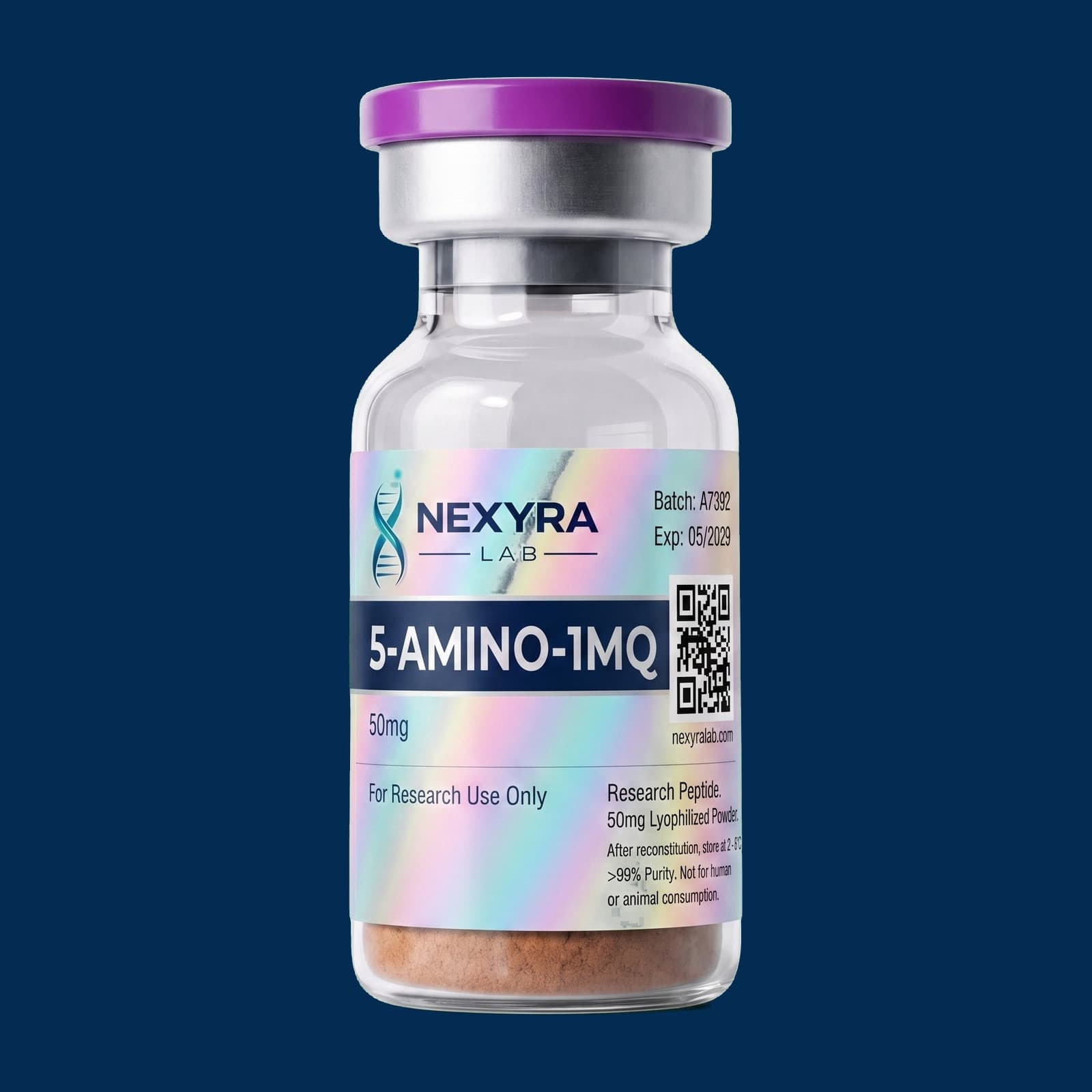
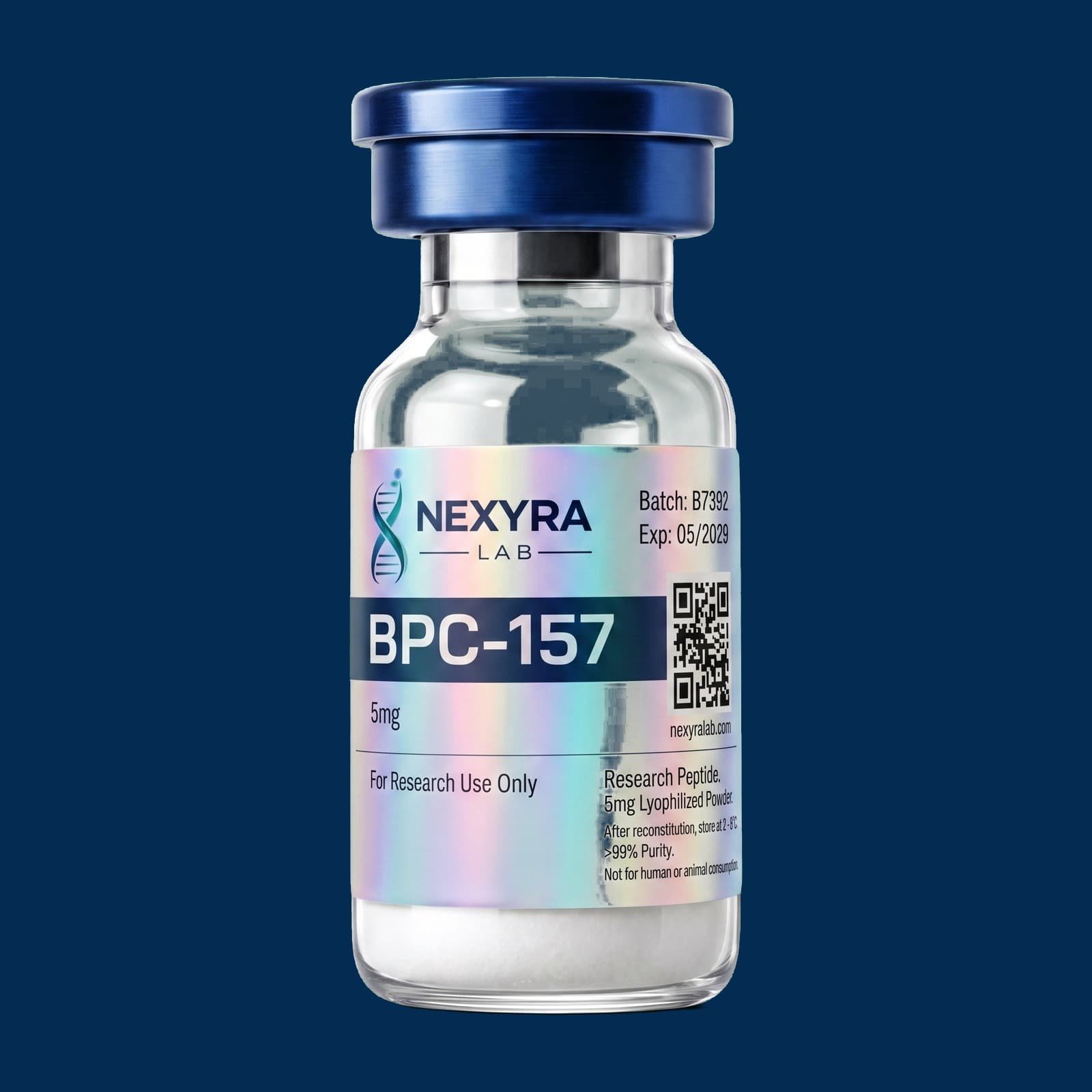
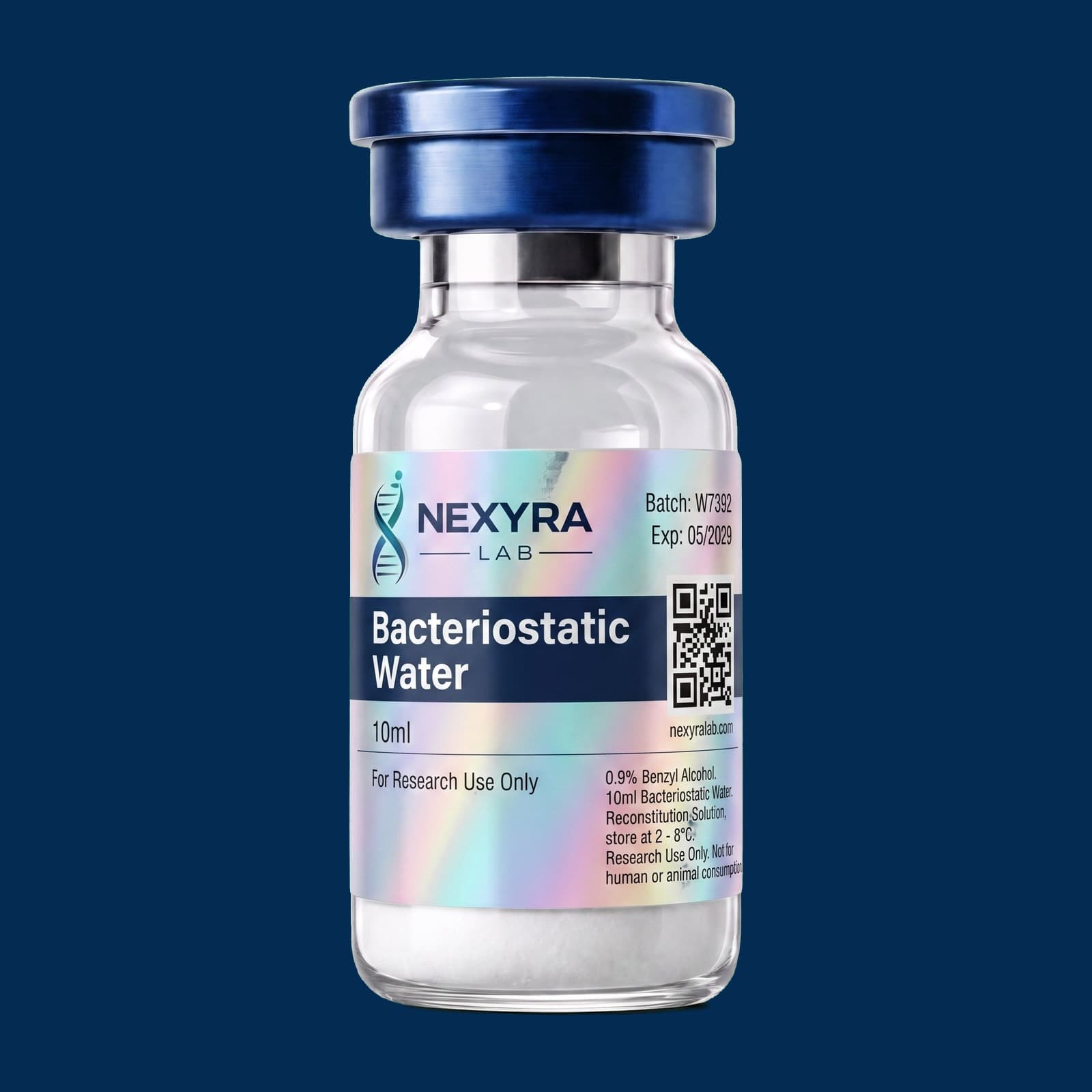
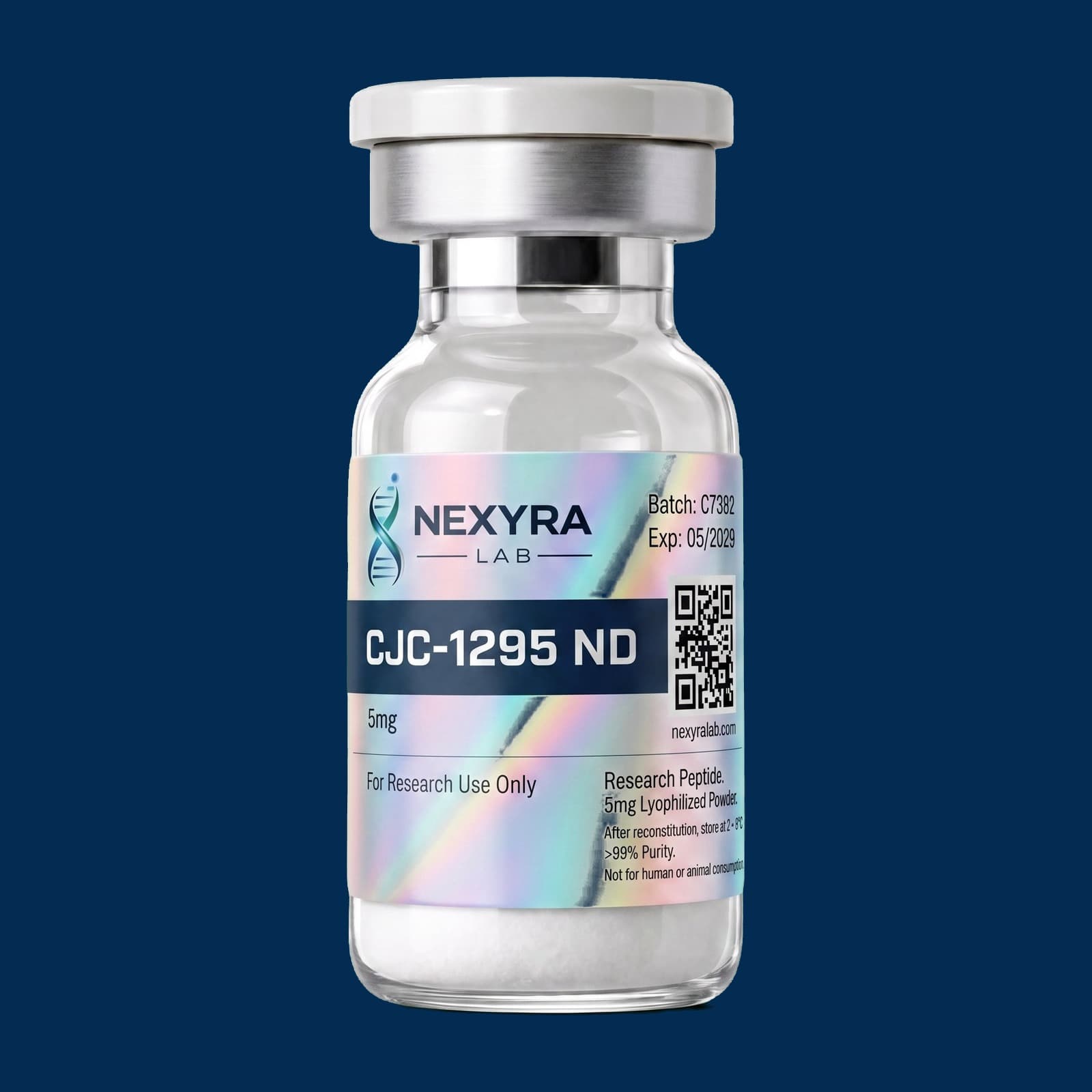
How Tesamorelin (TH9507) Peptide Compares
Compare key research properties side by side with similar compounds. Switch compounds in the dropdowns to explore the full catalogue.
Purity and storage specifications are consistent across all Nexyra Lab lyophilised compounds. Pharmacokinetic data (half-life etc.) is not shown as it requires owner-confirmed verified references. For research planning and laboratory use only.
Resources & Support
Documentation, tools, and assistance for your research.
Frequently Asked Questions
Is this product for research use only?
Yes. All Nexyra Lab products are strictly for in vitro research and laboratory use by qualified researchers. They are not approved for human or veterinary use by the FDA, EMA, or any other regulatory authority.
Is a Certificate of Analysis (COA) available?
Yes. A batch-specific COA from our independent third-party testing laboratory is published on our COA page — match your vial's batch number to access HPLC purity data, MS identity confirmation, batch number, and production date.
What does the Certificate of Analysis confirm?
The COA confirms: (1) purity ≥99% by HPLC; (2) molecular identity by mass spectrometry; (3) the batch number for traceability; and (4) the production date. It is produced by an independent laboratory, not by Nexyra Lab itself.
How should lyophilised peptides be stored?
Store lyophilised (freeze-dried) peptides at -20°C in a sealed, dry container away from light and moisture. Avoid repeated freeze-thaw cycles. Once reconstituted, store at 4°C and use within 30 days for most peptides.
How do I reconstitute lyophilised peptides?
For most peptides, use sterile bacteriostatic water (BAC water) or sterile saline. Add the solvent slowly down the inside of the vial — do not inject directly onto the powder. Gently swirl until dissolved; do not shake. Use our Reconstitution Calculator at /peptide-calculator to determine the exact volume for your target concentration.
What are your dispatch and delivery times?
Orders placed before 3 pm on UK working days are dispatched same day. Standard UK delivery typically arrives within 1–3 working days. All orders are shipped in discreet, plain outer packaging with no reference to the contents.
What is your returns policy?
Due to the nature of research compounds and cold-chain requirements, we are unable to accept returns on opened products. If a product arrives damaged or incorrect, please contact our team within 48 hours of receipt and we will resolve the issue promptly.
What purity standard do your peptides meet?
All Nexyra Lab peptides are independently verified at ≥99% purity by HPLC before dispatch. Mass Spectrometry confirms molecular identity. This applies to every batch — the COA is batch-specific, not a generic certificate.


