

Research Peptides UK: What They Are How They're Tested & What to Look For
When looking for research peptides in the UK, it's important to know what you're getting into. Here are some main points to keep in mind to help you make better choices.
Key Takeaways
- Peptides are short chains of amino acids that occur naturally but can also be made synthetically.
- Always look for a Certificate of Analysis (CoA) to confirm purity and quality, ideally from a third-party lab.
- Research the supplier's reputation thoroughly; check reviews and look for clear contact information.
- Be wary of prices that are significantly lower than others, as this could mean fake or low-quality products.
- Understand that many peptides are not regulated as medicines in the UK, and claims of medicinal effects can change their legal status.
Understanding Research Peptides UK
Peptides are short chains of amino acids, the building blocks of proteins. Think of them as tiny messengers within your body, playing a role in all sorts of processes. In the UK, the market for research peptides has really taken off. People are looking for them for various reasons, from fitness goals to skincare. It's a growing area, and understanding what you're getting into is pretty important.
What Are Peptides?
At their core, peptides are just smaller versions of proteins. They're made up of amino acids linked together. The number of amino acids can vary, and this difference often dictates the peptide's function. Some are naturally produced by our bodies, while others are created in a lab. The science behind them is fascinating, and their potential applications are being explored all the time.
Natural vs. Synthetic Peptides
Naturally occurring peptides are already part of our biology. They're involved in everything from hormone regulation to immune responses. Synthetic peptides, on the other hand, are made in a laboratory. These are often the ones you'll find when you look to buy research peptides online UK. Scientists create them to mimic or modify the actions of natural peptides, or to explore entirely new functions. This allows for a lot of flexibility in what they can be used for in research settings.
The Growing Peptide Market in the UK
It feels like everywhere you look these days, there's talk about peptides. The UK is no exception. You can find UK laboratory peptides for sale from a number of different sources. This surge in popularity means it's more important than ever to know where to find research peptides Britain has to offer. With so many options popping up, it's easy to get lost. That's why looking into peptide suppliers UK reviews can be a good starting point. It helps to get a sense of who is reliable and who isn't. The market is expanding, and with that comes a need for more information on quality and safety. This is where understanding peptide testing services UK providers offer becomes really useful.
Ensuring Quality: Testing and Verification
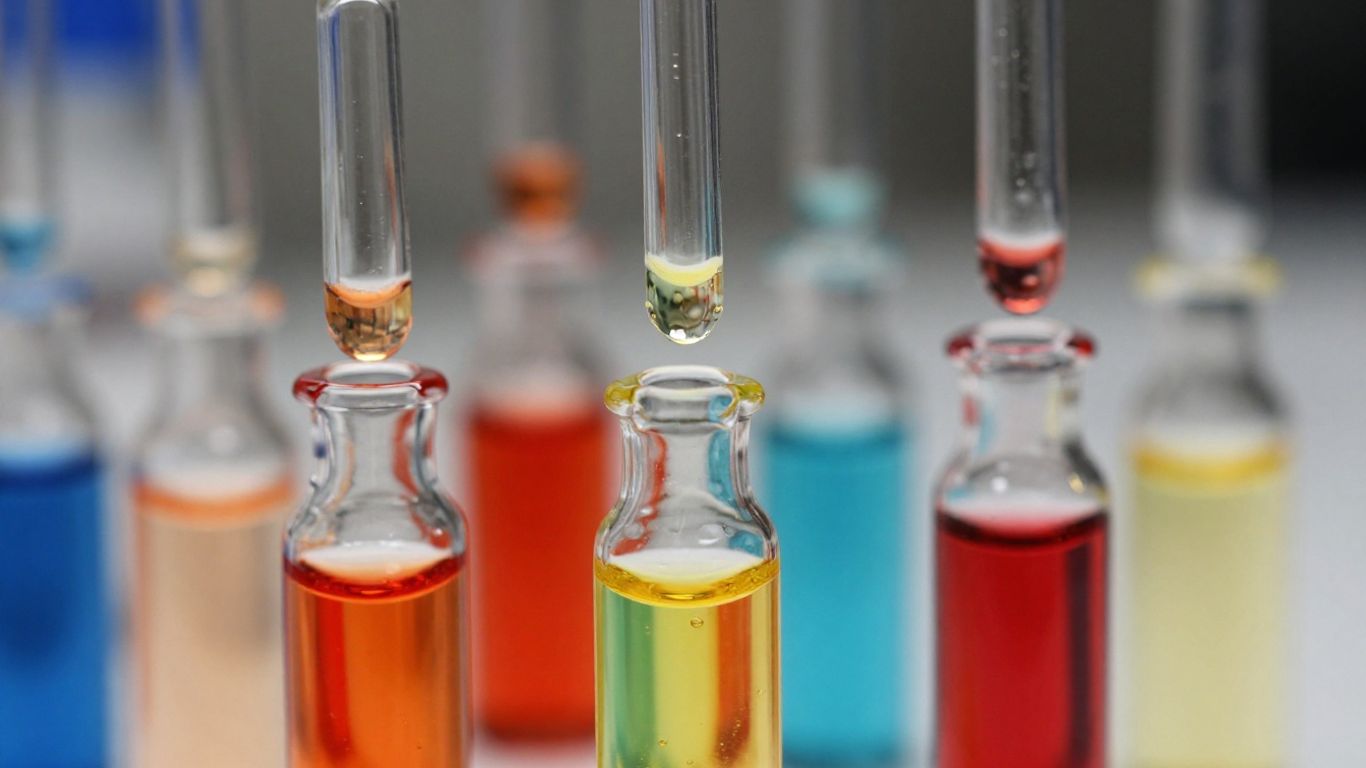
When you're looking into research peptides in the UK, making sure you're getting the real deal is pretty important. It’s not just about what the label says; it’s about what’s actually in the vial. This means paying close attention to how products are tested and what proof suppliers can offer.
The Importance of Purity Levels
The purity of a peptide is probably the most significant factor. Think of it like this: if you're buying a specific ingredient for a recipe, you want just that ingredient, not a mix of things. For peptides, a high purity level means you're getting the compound you expect, with fewer unwanted extras. Most reputable sellers will state the purity percentage clearly on their product pages. Generally, you'll want to see figures of 98% or higher. Anything less might mean there are other substances mixed in, which could affect how the peptide works or even cause unexpected reactions. It’s always a good idea to avoid suppliers who are vague about purity or don't mention it at all.
Decoding Certificates of Analysis (CoA)
A Certificate of Analysis, or CoA, is a document that comes from a lab. It basically confirms what’s in a specific batch of a peptide and how pure it is. A good supplier will always have these available for their products. It’s a key piece of evidence that shows they’re serious about quality control. When you look at a CoA, check a few things:
- Who issued it? Ideally, it should be from an independent lab, not just the company selling the peptide.
- What details are there? Look for the batch number, the date the testing was done, and the actual purity percentage.
- Is it current? Outdated CoAs might not reflect the current batch, and missing ones are a big red flag.
Be wary of CoAs that look too generic or seem inconsistent. If a seller can't provide one or gives you a hard time about it, that's usually a sign to look elsewhere. Checking out Nexyra Lab's commitment to purity and testing can give you an idea of what to expect.
The Role of Third-Party Testing
This ties in closely with CoAs. Third-party testing means an independent lab has analysed the peptide. This is really valuable because it’s an unbiased confirmation of the product's quality. These labs don't have a vested interest in selling the peptide, so their results are more trustworthy. They can verify not only the purity but also check for any unwanted contaminants, like heavy metals or solvents, that shouldn't be there. Reputable suppliers will often make these independent High-Performance Liquid Chromatography (HPLC) and third-party analysis results public or at least available if you ask for them. It’s a strong indicator that the company stands behind its products.
Identifying Reputable Suppliers
Right then, let's talk about finding a decent supplier for your research peptides here in the UK. It’s not always straightforward, is it? The market's grown a lot, and with that comes a whole range of companies, some good, some… well, not so good. You really need to do your homework to make sure you're not wasting your money or, worse, getting something dodgy.
Researching Supplier Reputation
First off, you've got to look into who you're actually buying from. A quick bit of digging can tell you a lot. See if they've got a proper website, one that looks professional and gives you clear contact details – a physical address is always a good sign, not just a generic email. Check out what other people are saying about them online. Are there reviews? Do they seem genuine? Companies that have been around for a while and have a solid history are usually a safer bet. It's worth looking at suppliers who specialise in peptides, rather than a general chemical supplier, as they tend to know their stuff.
Spotting Counterfeit Products
This is a big one. The world of research chemicals, unfortunately, attracts its fair share of fakes. You don't want to end up with something that's not what it claims to be, or worse, something that's actually harmful. A price that seems too good to be true is often exactly that – too good to be true. If one company is selling something for half the price of everyone else, be very suspicious. Genuine, high-quality peptides cost money to produce and test. Also, pay attention to the packaging. Reputable brands usually have professional, tamper-evident packaging with clear labelling, including batch numbers. If it looks slapped together or the labelling is smudged, that's a red flag.
Avoiding Unregulated Websites
Some websites just don't feel right, do they? If a site looks a bit amateurish, has poor grammar, or doesn't display any information about regulatory compliance or certifications, steer clear. You want to see that they're taking things seriously. Look for secure payment options and clear terms and conditions. Websites that seem to operate solely through social media or less official marketplaces can be a bit of a gamble because accountability can be low. It's always better to buy from established online stores that are transparent about their operations and adhere to UK health regulations.
Here's a quick checklist to help you out:
- Professional Website: Does it look legitimate with clear contact info?
- Customer Reviews: What are other people saying?
- Specialisation: Do they focus on research peptides?
- Pricing: Is it realistic compared to other suppliers?
- Packaging: Is it professional and clearly labelled?
- Transparency: Do they readily provide information about their products and testing?
When you're buying research peptides, think of it like buying any other high-value, sensitive product. You wouldn't buy a fancy watch from a market stall, would you? You'd go to a reputable jeweller. It's the same principle here. Taking a bit of extra time to find a trustworthy supplier means you're much more likely to get what you expect and avoid unnecessary problems down the line. It's all about being smart with your choices.
Key Considerations for Purchasing
So, you've done your homework on what research peptides are and how they're tested. Brilliant. Now comes the part where you actually buy them. It’s not just a case of clicking the first link you see, though. There are a few things to really think about before you hand over your cash.
Investigating Shipping and Storage Conditions
Peptides are a bit like delicate flowers; they don't do well with rough handling or extreme temperatures. When you're looking at suppliers, check out how they plan to get the goods to you. Do they use insulated packaging? Are they shipping with cold packs if it's warm outside? It makes a difference. You don't want your expensive research peptides arriving all degraded because they've been sitting in a hot van for hours. It’s worth having a quick look at reviews to see if others have had issues with how products arrive. Proper storage before shipping is just as vital as the shipping method itself.
Comparing Pricing with Care
Price is always a factor, isn't it? But when it comes to peptides, going for the cheapest option can often lead to trouble. High-purity peptides, especially those that have been rigorously tested by independent labs, cost more to produce. So, if you see a deal that seems too good to be true, it probably is. It might mean the purity isn't what they claim, or worse, it could be something else entirely. It’s better to think about the overall value – what are you actually getting for your money? A slightly more expensive peptide from a trusted supplier with a solid Certificate of Analysis is usually a much safer bet than a bargain-basement find. You can find some good European suppliers of research peptides if you look around.
Understanding Legal Status and Claims
This is a big one. You need to be aware of what you're actually buying and what the supplier is claiming. Are they selling these peptides for research purposes only, or are they hinting at human use? The legal landscape around peptides can be tricky, and it's important not to get caught out. Always check the supplier's website for clear disclaimers and terms of service. If a company is making bold claims about what their peptides can do for you personally, that's a red flag. It's best to stick with suppliers who are transparent about the intended use and avoid those operating in a legal grey area. Remember, these are research compounds, and their use should align with regulations.
It's easy to get caught up in the excitement of new research compounds, but a bit of caution goes a long way. Always prioritise safety and legality over a bargain. If something feels off about a supplier or their products, it's usually best to walk away and find someone else.
Conclusion
Buying research peptides in the UK can be a bit of a minefield, but with the right approach, you can find quality products. Always check purity, understand the paperwork, and do your homework on the seller. Don't get caught out by deals that seem too good to be true. By being a savvy shopper, you can make sure you're getting what you expect and avoid any nasty surprises. Remember, when it comes to your health and research, quality really does matter.
Frequently Asked Questions
What exactly are peptides?
Think of peptides as tiny building blocks made from amino acids, which are the same stuff that makes up proteins. They happen naturally in your body, but you can also get them from outside sources for different uses, like research.
How can I tell if a research peptide is good quality?
The best way is to check the Certificate of Analysis (CoA). This document shows the peptide's purity. High-quality peptides should be 98% pure or more. It's even better if this test was done by an independent lab, not just the seller.
Are all peptides sold in the UK regulated?
Not really. Many peptides aren't treated as medicines by the UK authorities, so they aren't strictly controlled. However, if a seller claims they have medicinal effects, that can change things and make them subject to different rules.
What should I watch out for when buying peptides online?
You should be careful about websites that look unprofessional or don't give you much information. Also, if a price seems way too low compared to other places, it might be a sign of a fake product. Always try to buy from sellers with a good track record.
Why is third-party testing important for peptides?
Third-party testing means an independent lab checked the peptide. This gives you a more honest picture of its purity and makes sure it doesn't have any nasty hidden stuff in it, like heavy metals. It’s a good sign the seller is confident in their product.
How should research peptides be stored and shipped?
Peptides are quite delicate. They generally need to be kept cool and out of the light, often in a fridge. Good suppliers will use proper packaging, like insulated boxes or cold packs, to make sure the peptides don't get ruined during shipping.
Dee Jittla
Founder, Nexyra Research Ltd
Research content at Nexyra Lab is drawn from primary literature and peer-reviewed studies. Product specifications are independently verified against per-batch COA data from accredited laboratories. All content is framed for research use only — no clinical or therapeutic claims are made.
About Nexyra Lab →


