


Purity >99% HPLC
RUO — Research use only
Not for human or veterinary use.
KPV
Research Peptide · 10mg Lyophilised Powder
£29.99
Build a Stack & Save
2 = 5% · 3 = 10% · 4+ = 15%This product included. Tick to bundle & save:
Pay by Bank · Powered by Fena
FCA-regulated open banking — authenticated in your banking app, no card details shared.
For research purposes only. Not for human or veterinary use. All products must be handled by qualified researchers in appropriate laboratory conditions.
Purity You Can Verify
Every batch undergoes High-Performance Liquid Chromatography (HPLC) and Mass Spectrometry (MS) analysis before release. Independent third-party testing confirms purity exceeds 99% for each batch — not as a target, but as a minimum standard. The batch-specific Certificate of Analysis is published on our COA page, where you can match your vial's batch number to its results.
Manufactured with Pharmaceutical-Grade Process Controls
Our UK facility operates under cGMP (current Good Manufacturing Practice) guidelines, applying pharmaceutical-grade process controls to research peptide production. Synthesis, purification, lyophilisation, and final packaging all follow documented SOPs with full batch traceability from raw material to dispatch.
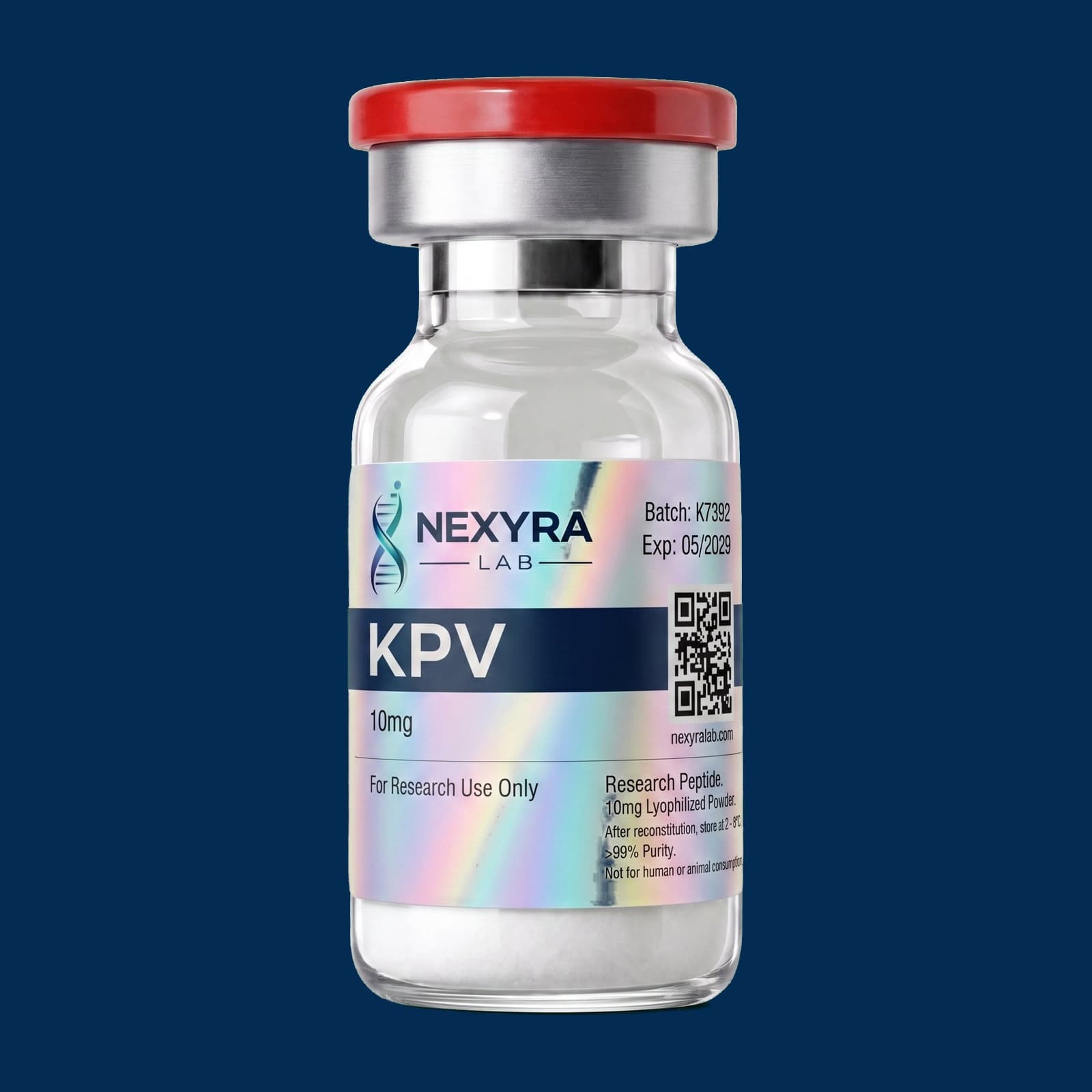
Batch-Specific Documentation
Every vial is labelled with a unique batch number tied to its specific production batch. Match it to the Certificate of Analysis on our COA page for HPLC purity data, MS identity confirmation, and production date — giving researchers full traceability and reproducibility assurance for every experiment.
Stored and Shipped Correctly
Lyophilised peptides are stored at -20°C from the moment of production. Orders are dispatched in temperature-appropriate packaging with discreet, plain outer packaging. Same-day dispatch on orders placed before 3 pm (UK working days).

>99%
Purity verified per batch
18+
Compounds in catalogue
100%
Batch-tested before dispatch
About KPV
Research-context overview. Not medical advice. All products for research use only.
| Also known as | Lys-Pro-Val · α-MSH C-terminal fragment |
| CAS Number | 67727-97-3 |
| Molecular Formula | C16H30N4O4 |
| Molecular Weight | 342.43 g/mol |
| Purity | >99% HPLC (independently verified) |
| Status | Research Use Only (RUO) · Not for human or veterinary use |
KPV | Lys-Pro-Val | α-MSH C-Terminal Tripeptide | Anti-Inflammatory Research Peptide
Sequence: Lys-Pro-Val (KPV) Classification: Naturally occurring anti-inflammatory tripeptide — C-terminal fragment of alpha-melanocyte stimulating hormone (α-MSH) Parent Molecule: α-Melanocyte Stimulating Hormone (α-MSH; positions 11–13) Molecular Formula: C₁₆H₃₀N₄O₄ Molecular Weight: 342.43 g/mol Purity: >99% (HPLC verified) Form: Lyophilised powder Available Sizes: 10mg Storage: –20°C, away from light and moisture CAS Number: 67727-97-3
What Is KPV?
KPV (Lys-Pro-Val) is a naturally occurring anti-inflammatory tripeptide corresponding to positions 11–13 of alpha-melanocyte stimulating hormone (α-MSH) — a 13-amino acid neuropeptide derived from pro-opiomelanocortin (POMC) with well-established roles in pigmentation, energy balance, and immune regulation. KPV represents the minimal bioactive anti-inflammatory sequence of α-MSH: the C-terminal tripeptide that retains the immunomodulatory and anti-inflammatory activity of the parent molecule while shedding its broader hormonal effects — including melanocortin-mediated pigmentation signalling and adrenal axis activity.
The discovery of KPV's anti-inflammatory properties emerged from systematic structure-activity relationship (SAR) studies of α-MSH conducted in the late 1980s and early 1990s. Researchers seeking to identify the minimal active sequence responsible for α-MSH's immunomodulatory activity progressively truncated the parent molecule and assessed the retained potency of each fragment. The finding that the C-terminal tripeptide Lys-Pro-Val retained potent anti-inflammatory activity — comparable to or approaching that of the full α-MSH tridecapeptide in some experimental models — was a landmark result in the melanocortin research field. It established that a three-amino-acid sequence could recapitulate the core anti-inflammatory function of a thirteen-amino-acid parent hormone, and opened a new avenue of research into ultra-small bioactive peptides as tools for studying inflammatory signalling pathways.
Despite its minimal size, KPV is an unusually stable research compound. Its tripeptide structure confers inherent resistance to proteolytic degradation compared to larger peptides, and its molecular weight of just 342.43 g/mol gives it pharmacokinetic and membrane-permeability properties distinct from most research peptides — including the ability to penetrate cellular membranes and act on intracellular inflammatory signalling targets directly. Crucially, research has also identified a specific active transporter mechanism for KPV in intestinal tissue: the PepT1 di/tripeptide transporter — normally expressed in the small intestine and markedly upregulated in inflamed colonic tissue during inflammatory bowel disease — actively transports KPV into intestinal epithelial and immune cells, providing a disease-directed tissue uptake mechanism of considerable research interest in gastrointestinal inflammatory biology.
Our KPV is synthesised under rigorous quality-controlled manufacturing conditions, verified to a purity of greater than 99% by HPLC and Mass Spectrometry, and supplied as a lyophilised powder for maximum stability.
Research Background & Scientific Interest
KPV has been investigated in over fifty peer-reviewed publications spanning more than two decades, with research covering gastrointestinal inflammatory biology, dermatological science, wound healing, mucosal barrier research, and systemic anti-inflammatory pharmacology. Its combination of minimal molecular size, endogenous origin, metabolic stability, and mechanistically distinct intracellular anti-inflammatory activity makes it one of the most tractable and pharmacologically interesting ultra-small peptides in the research landscape.
Mechanism of Action: MC1R/MC3R Agonism, NF-κB & MAPK Inhibition KPV's anti-inflammatory mechanism operates through two distinct but complementary pathways. The first is melanocortin receptor engagement — primarily at MC1R and MC3R, which are expressed on immune cells, intestinal epithelial cells, dermal fibroblasts, and multiple other tissue types involved in inflammatory responses. Activation of these receptors suppresses downstream pro-inflammatory signalling cascades, most notably NF-κB (nuclear factor kappa B) — the master transcription factor controlling expression of inflammatory cytokines including TNF-α, IL-1β, IL-6, and IL-8 — and the MAPK (mitogen-activated protein kinase) pathway, which regulates cellular stress responses and inflammatory gene expression.
However, a critical distinction in KPV's mechanism was established by Getting and colleagues in a landmark study examining KPV alongside other melanocortin peptides in a model of crystal-induced peritonitis. While KPV produced significant reduction in polymorphonuclear leukocyte accumulation in the peritoneal cavity — demonstrating meaningful anti-inflammatory activity in vivo — its anti-inflammatory effect was not blocked by the MC3/4-R antagonist SHU9119, and KPV failed to stimulate cAMP accumulation in macrophages (in contrast to the MC3/4-R agonist MTII). These findings indicate that KPV's anti-inflammatory activity is not fully explained by classical melanocortin receptor–cAMP signalling, and that additional — possibly receptor-independent or intracellular — mechanisms are operative. This partial mechanistic independence from canonical melanocortin receptor signalling is a defining pharmacological feature of KPV that distinguishes it from full-length α-MSH and has sustained mechanistic investigation into its precise intracellular targets.
PepT1-Mediated Intestinal Uptake & Gastrointestinal Research One of the most significant mechanistic findings in KPV research was published in Gastroenterology: the demonstration that KPV's anti-inflammatory effects in intestinal tissue are mediated, at least in part, through active cellular uptake via the PepT1 di/tripeptide transporter. PepT1 is normally expressed in the small intestine, where it facilitates absorption of dietary di- and tripeptides. Critically, PepT1 expression is markedly upregulated in inflamed colonic tissue during inflammatory bowel disease — a pattern that creates a disease-specific transport mechanism for KPV in the very tissue where it is most needed as a research tool.
Studies in human intestinal epithelial cell lines (Caco2-BBE and HT29-Cl.19A) and human T cells (Jurkat) demonstrated that KPV — administered at both low (10 nmol/L) and high doses (100 μmol/L) — inhibited IL-1β-induced IκB-α degradation in intestinal epithelial cells, suppressing NF-κB activation independently of melanocortin receptor activity. Importantly, α-MSH at the same doses did not significantly alter the kinetics of this response — confirming that the PepT1-mediated intracellular anti-inflammatory effect of KPV in intestinal epithelial cells is a property specific to the tripeptide fragment, and that KPV's mechanism in this tissue is MC receptor-independent. In vivo, KPV administration in murine models of colitis (DSS-induced and TNBS-induced) produced significant reductions in colonic inflammation markers — results that have established KPV as a valuable and widely used research tool in preclinical IBD models.
Inflammatory Bowel Disease & Mucosal Barrier Research KPV's combination of MC1R/MC3R agonism, NF-κB suppression, MAPK pathway modulation, and PepT1-mediated intestinal uptake has made it one of the most actively studied anti-inflammatory peptides in the IBD and mucosal biology research space. Preclinical studies in rodent colitis models have consistently demonstrated that KPV administration attenuates colonic inflammation, reduces pro-inflammatory cytokine expression (TNF-α, IL-1β, IL-6), preserves mucosal barrier integrity, and improves histological scores of intestinal inflammation. The PepT1 upregulation in inflamed colon provides a natural disease-directed concentration mechanism that enhances KPV's research relevance specifically in models where intestinal inflammation is present — making it an unusually tissue-targeted research tool for gastrointestinal inflammatory biology.
Wound Healing & Tissue Repair Research Beyond its gastrointestinal applications, KPV has been studied in models of wound healing and dermal tissue repair. Research has documented KPV's influence on keratinocyte migration and proliferation, fibroblast activity, and the regulation of inflammatory mediators in the wound microenvironment — effects consistent with α-MSH's established role in cutaneous inflammation and repair signalling via MC1R, which is prominently expressed in skin. Studies in wound healing models have demonstrated KPV-associated improvements in re-epithelialisation and wound closure rates, alongside attenuation of the pro-inflammatory cytokine environment that delays healing in chronic wound models. These findings position KPV as a complementary tool to GHK-Cu and BPC-157 in dermal and wound biology research — each operating through distinct but potentially synergistic mechanisms.
Dermatological Inflammation Research MC1R is highly expressed in human and murine skin, and the melanocortin system plays a significant regulatory role in cutaneous inflammatory responses — including atopic dermatitis, psoriasis, and contact hypersensitivity. KPV has been studied in models of skin inflammation, with research demonstrating suppression of pro-inflammatory cytokine production by keratinocytes and dermal immune cells, and attenuation of inflammatory cell infiltration in skin inflammatory models. Its favourable stability profile and membrane permeability make it a practical research tool for studying MC1R-mediated anti-inflammatory pathways in dermal tissue without the confounding pigmentation-stimulating activity of full-length α-MSH.
Systemic Anti-Inflammatory Activity & Cytokine Modulation Across multiple experimental models, KPV has demonstrated broad-spectrum suppression of pro-inflammatory cytokine production — including TNF-α, IL-1β, IL-6, and IL-8 — in both immune cells and tissue-specific cell types. Research examining the (CKPV)₂ dimer — constructed by linking two KPV units via a Cys-Cys linker — demonstrated inhibition of TNF-α production by LPS-stimulated human leukocytes with potency similar to the stable α-MSH analogue NDP-α-MSH and greater effectiveness than monomeric KPV. This avidity-driven enhancement points toward a direction for medicinal chemistry research aimed at developing more potent KPV-based anti-inflammatory tools, and highlights KPV's value as a lead scaffold in anti-inflammatory peptide drug discovery.
KPV as an Endogenous Mediator Research has identified proteases capable of generating KPV from α-MSH in biological systems, and KPV-immunoreactive material has been detected in biological samples — supporting the hypothesis that KPV functions not merely as a synthetic research tool but as an endogenous anti-inflammatory mediator generated in situ from circulating α-MSH at sites of inflammation. If confirmed, this would position KPV research within a broader framework of understanding how the melanocortin system generates locally active anti-inflammatory fragments as part of the endogenous resolution of inflammatory responses — a basic science investigational axis of considerable interest.
KPV in Context: Comparison with Other Anti-Inflammatory Peptides in the Catalogue
KPV occupies a unique niche within the anti-inflammatory research landscape — operating via the melanocortin receptor system and intracellular NF-κB/MAPK suppression, distinct from the mechanisms of the other tissue-active peptides in our catalogue.
| Peptide | Primary Anti-Inflammatory Mechanism | Key Research Application |
|---|---|---|
| KPV | MC1R/MC3R agonism, NF-κB/MAPK suppression, PepT1-mediated uptake | GI inflammation, IBD, skin, wound healing |
| BPC-157 | Nitric oxide system, GH receptor pathway | GI mucosal repair, tendon/ligament, systemic |
| TB-500 | Actin sequestration, VEGF-mediated angiogenesis | Tissue repair, musculoskeletal, systemic |
| GHK-Cu | Gene expression modulation, MMP/TIMP balance | Dermal, matrix remodelling, wound healing |
| Selank | GABA-A modulation, cytokine regulation | Neuroinflammation, immune modulation |
This mechanistic diversity makes these compounds genuinely complementary tools for multi-pathway inflammation research rather than overlapping alternatives — and positions the catalogue as a comprehensive research toolkit for studying inflammatory biology from multiple angles simultaneously.
Product Specifications
| Specification | Detail |
|---|---|
| Peptide | KPV (Lys-Pro-Val) |
| Classification | Anti-inflammatory tripeptide — α-MSH C-terminal fragment (positions 11–13) |
| Sequence | Lys-Pro-Val |
| Molecular Formula | C₁₆H₃₀N₄O₄ |
| Molecular Weight | 342.43 g/mol |
| Purity | >99% (HPLC & MS verified) |
| Form | Lyophilised powder |
| Vial Sizes | 5mg, 10mg |
| Appearance | White to off-white powder |
| Solubility | Soluble in sterile water or PBS |
| Membrane Permeability | High — direct intracellular access documented |
| Storage | –20°C, keep away from light |
| Shelf Life | 24 months when stored correctly (lyophilised) |
| CAS Number | 67727-97-3 |
Quality & Purity Assurance
Every batch of our KPV undergoes a comprehensive quality control process before release. Our assurance pipeline includes:
- HPLC Analysis — confirms peptide purity exceeding 99%
- Mass Spectrometry (MS) — verifies molecular identity and correct Lys-Pro-Val tripeptide sequence
- Endotoxin Testing — ensures the product is free from bacterial endotoxins
- Certificate of Analysis (CoA) — available for every batch upon request
Full batch traceability is maintained across synthesis, purification, and quality testing. As the smallest peptide in our research catalogue at just three amino acids, KPV's analytical simplicity makes sequence confirmation by MS particularly precise — providing a high level of confidence in compound identity at every batch release.
Handling & Reconstitution (Research Use)
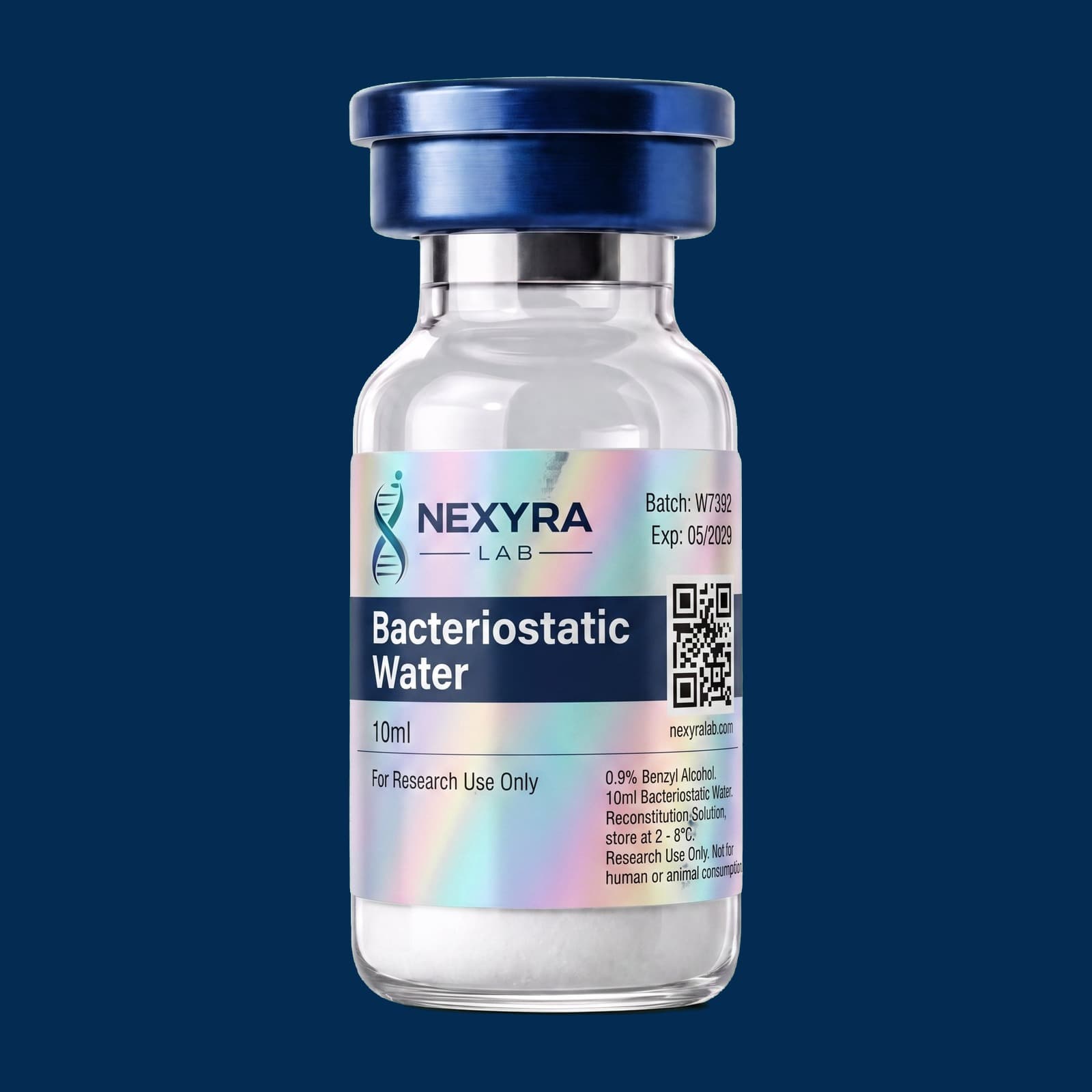
KPV lyophilised powder is readily soluble in sterile bacteriostatic water or phosphate-buffered saline (PBS). Gently swirl to dissolve. Once reconstituted, aliquot and store at –20°C or 2–8°C for short-term use. KPV's exceptional metabolic stability relative to larger peptides means reconstituted solutions maintain integrity well under appropriate storage conditions — however, repeated freeze-thaw cycles should still be avoided as standard practice.
Given KPV's high membrane permeability and documented PepT1-mediated intestinal uptake, researchers designing cell-based assays should account for its capacity to access intracellular compartments directly — a property that distinguishes it from receptor-surface-acting peptides and that may require adapted experimental protocols for accurate mechanistic interpretation.
All handling should comply with standard laboratory safety protocols and applicable institutional or regulatory guidelines.
Important Notice
This product is intended strictly for in vitro research and laboratory use only. KPV is not approved for human or veterinary use by the FDA, EMA, or any other regulatory authority. It is not a drug, supplement, or food product. This product must not be administered to humans or animals. By purchasing this product, the buyer confirms they are a qualified researcher and will use the compound solely for lawful scientific research purposes.
Technical datasheet
Identity
| Class | Anti-inflammatory tripeptide — α-MSH C-terminal fragment (positions 11–13) |
| Molecular Formula | C16H30N4O4 |
| Molecular Weight | 342.43 g/mol |
| CAS Number | 67727-97-3 |
| Sequence | Lys-Pro-Val |
Physicochemical
| Form | Lyophilised powder |
| Purity | >99% (HPLC & MS verified) |
| Vial Sizes | 5mg, 10mg |
| Appearance | White to off-white powder |
| Solubility | Soluble in sterile water or PBS |
| Membrane Permeability | High — direct intracellular access documented |
Handling & storage
| Storage | –20°C, keep away from light |
| Shelf Life | 24 months when stored correctly (lyophilised) |
Compliance
| Intended use | Research use only — not for human or veterinary use |
| Documentation | Batch-specific Certificate of Analysis with every order |
| Country of manufacture | United Kingdom |
| Quality standard | >99% purity, HPLC-verified, cGMP-compliant |
What's Included
Research-grade vial
Lyophilised powder, sealed under inert gas
Certificate of Analysis
Batch-specific HPLC & MS verification
Tamper-evident seal
Intact seal confirms product integrity
Discreet packaging
Plain, unbranded outer packaging
COA & Testing
Every batch of KPV is independently analysed by HPLC and Mass Spectrometry before dispatch. The Certificate of Analysis confirms purity, verifies molecular identity, and carries a unique batch number for full traceability.
Customer Reviews
No reviews yet
Be the first to review this product. Post-purchase review invitations are sent automatically.
Frequently Researched Together
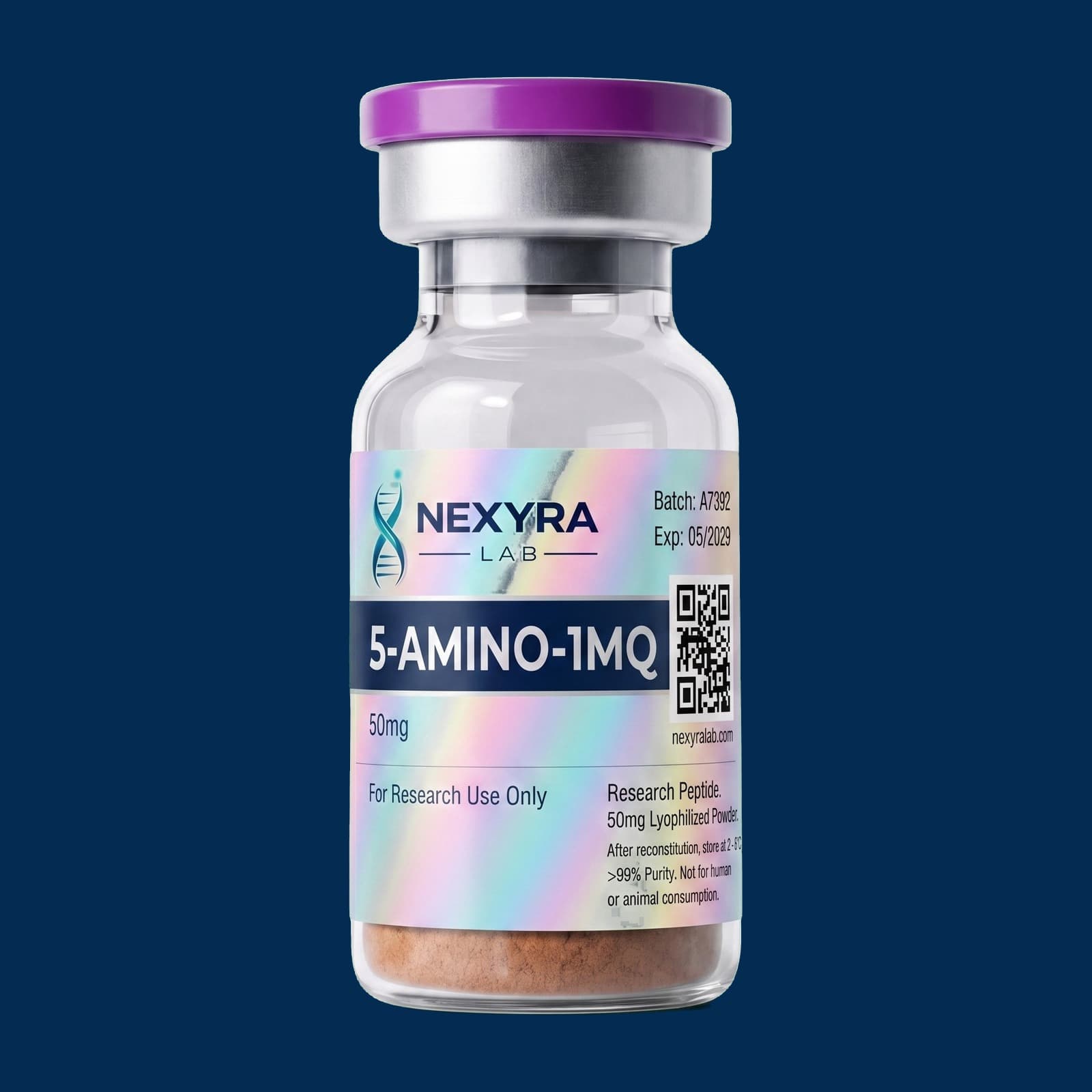
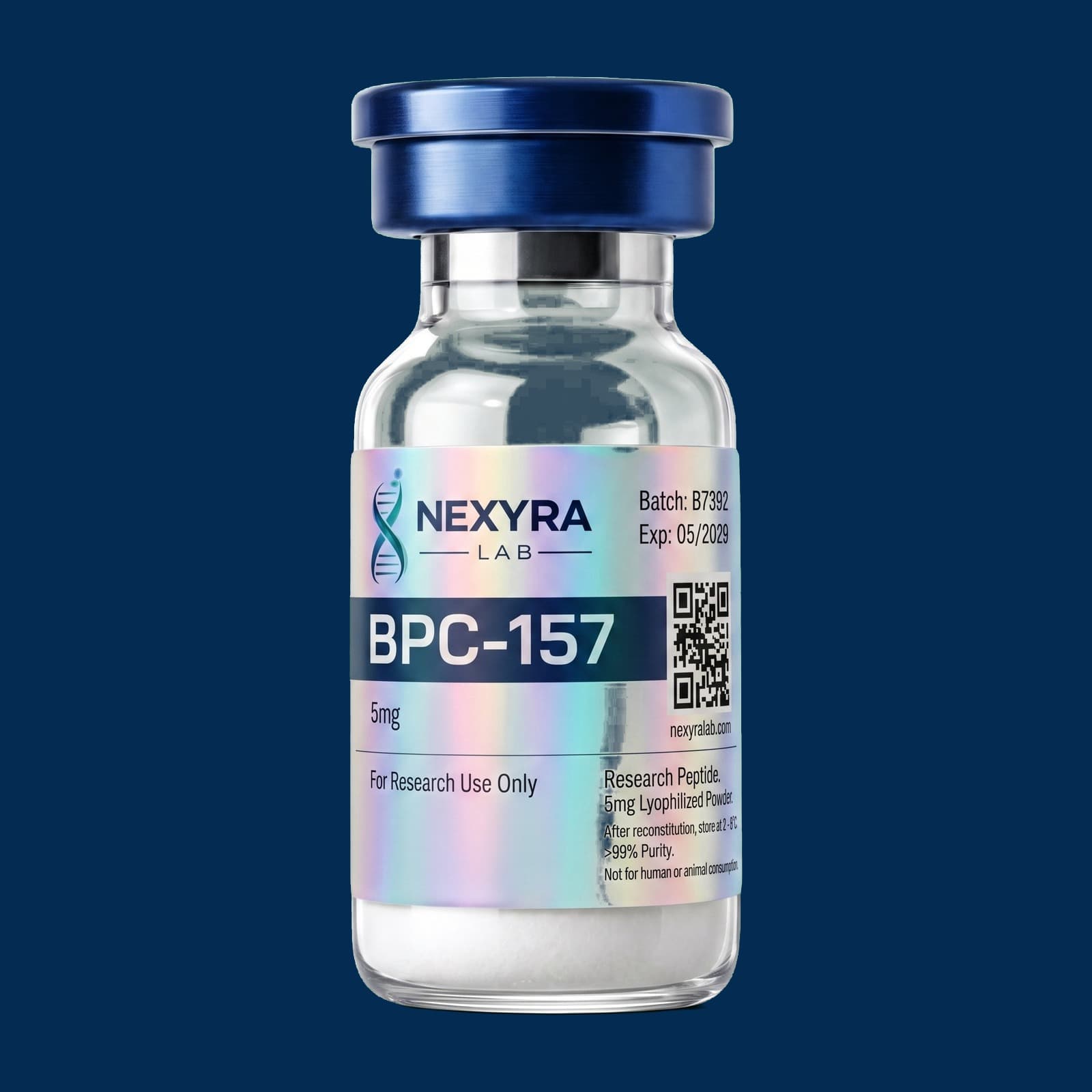
KPV is also available as part of the Skin & Aesthetic Stack — save 15% on the full stack.
How KPV Compares
Compare key research properties side by side with similar compounds. Switch compounds in the dropdowns to explore the full catalogue.
Purity and storage specifications are consistent across all Nexyra Lab lyophilised compounds. Pharmacokinetic data (half-life etc.) is not shown as it requires owner-confirmed verified references. For research planning and laboratory use only.
Resources & Support
Documentation, tools, and assistance for your research.
Frequently Asked Questions
Is this product for research use only?
Yes. All Nexyra Lab products are strictly for in vitro research and laboratory use by qualified researchers. They are not approved for human or veterinary use by the FDA, EMA, or any other regulatory authority.
Is a Certificate of Analysis (COA) available?
Yes. A batch-specific COA from our independent third-party testing laboratory is published on our COA page — match your vial's batch number to access HPLC purity data, MS identity confirmation, batch number, and production date.
What does the Certificate of Analysis confirm?
The COA confirms: (1) purity ≥99% by HPLC; (2) molecular identity by mass spectrometry; (3) the batch number for traceability; and (4) the production date. It is produced by an independent laboratory, not by Nexyra Lab itself.
How should lyophilised peptides be stored?
Store lyophilised (freeze-dried) peptides at -20°C in a sealed, dry container away from light and moisture. Avoid repeated freeze-thaw cycles. Once reconstituted, store at 4°C and use within 30 days for most peptides.
How do I reconstitute lyophilised peptides?
For most peptides, use sterile bacteriostatic water (BAC water) or sterile saline. Add the solvent slowly down the inside of the vial — do not inject directly onto the powder. Gently swirl until dissolved; do not shake. Use our Reconstitution Calculator at /peptide-calculator to determine the exact volume for your target concentration.
What are your dispatch and delivery times?
Orders placed before 3 pm on UK working days are dispatched same day. Standard UK delivery typically arrives within 1–3 working days. All orders are shipped in discreet, plain outer packaging with no reference to the contents.
What is your returns policy?
Due to the nature of research compounds and cold-chain requirements, we are unable to accept returns on opened products. If a product arrives damaged or incorrect, please contact our team within 48 hours of receipt and we will resolve the issue promptly.
What purity standard do your peptides meet?
All Nexyra Lab peptides are independently verified at ≥99% purity by HPLC before dispatch. Mass Spectrometry confirms molecular identity. This applies to every batch — the COA is batch-specific, not a generic certificate.


