


Purity >99% HPLC
RUO — Research use only
Not for human or veterinary use.
HCG (Human Chorionic Gonadotropin)
Research Peptide · 5000iu Lyophilised Powder
£48.99
Size
Build a Stack & Save
2 = 5% · 3 = 10% · 4+ = 15%This product included. Tick to bundle & save:
Pay by Bank · Powered by Fena
FCA-regulated open banking — authenticated in your banking app, no card details shared.
For research purposes only. Not for human or veterinary use. All products must be handled by qualified researchers in appropriate laboratory conditions.
Purity You Can Verify
Every batch undergoes High-Performance Liquid Chromatography (HPLC) and Mass Spectrometry (MS) analysis before release. Independent third-party testing confirms purity exceeds 99% for each batch — not as a target, but as a minimum standard. The batch-specific Certificate of Analysis is published on our COA page, where you can match your vial's batch number to its results.
Batch COA available on request
View COA library →Manufactured with Pharmaceutical-Grade Process Controls
Our UK facility operates under cGMP (current Good Manufacturing Practice) guidelines, applying pharmaceutical-grade process controls to research peptide production. Synthesis, purification, lyophilisation, and final packaging all follow documented SOPs with full batch traceability from raw material to dispatch.
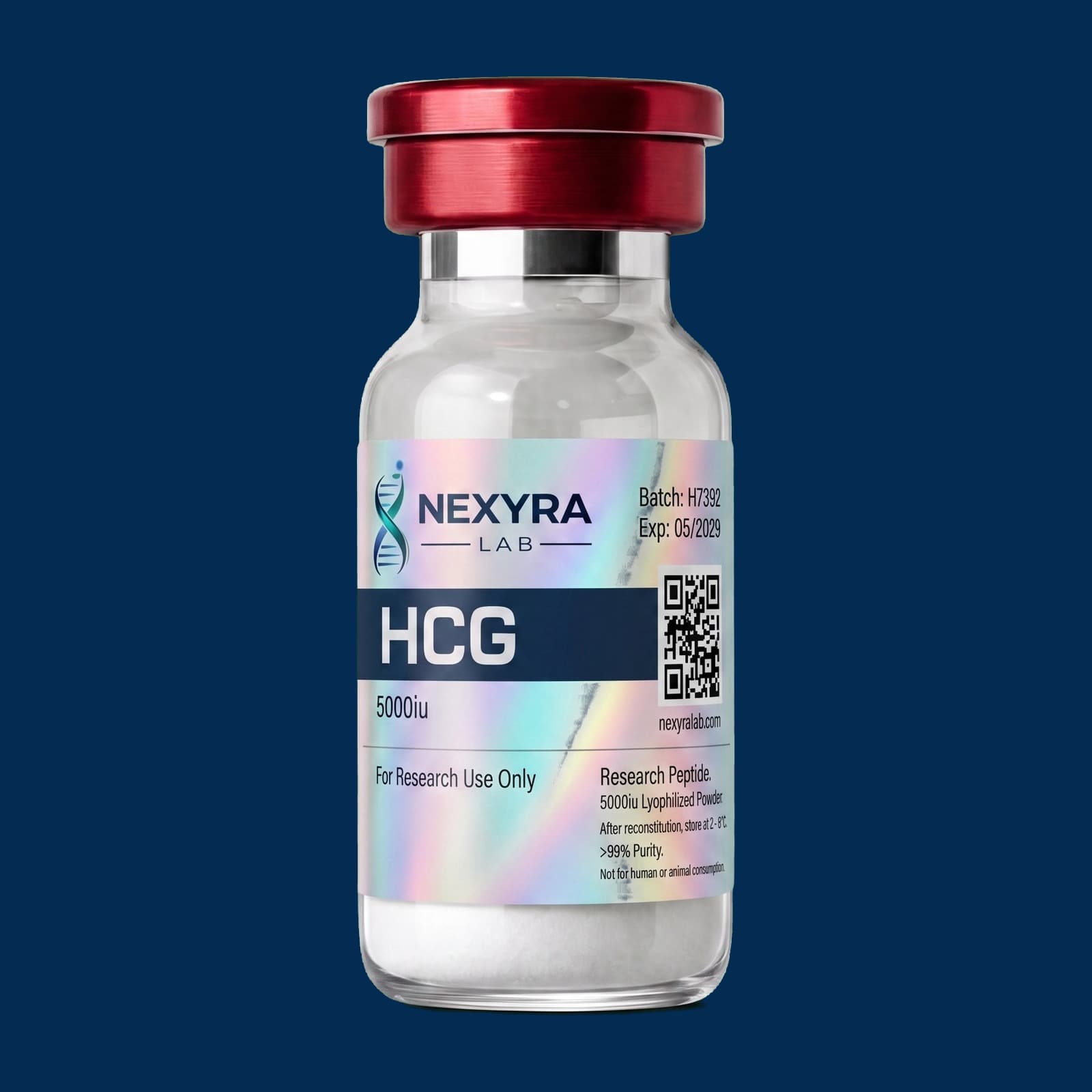
Batch-Specific Documentation
Every vial is labelled with a unique batch number tied to its specific production batch. Match it to the Certificate of Analysis on our COA page for HPLC purity data, MS identity confirmation, and production date — giving researchers full traceability and reproducibility assurance for every experiment.
Batch COA available on request
View COA library →Stored and Shipped Correctly
Lyophilised peptides are stored at -20°C from the moment of production. Orders are dispatched in temperature-appropriate packaging with discreet, plain outer packaging. Same-day dispatch on orders placed before 3 pm (UK working days).

>99%
Purity verified per batch
20+
Compounds in catalogue
100%
Batch-tested before dispatch
About HCG (Human Chorionic Gonadotropin)
Research-context overview. Not medical advice. All products for research use only.
| Also known as | Human Chorionic Gonadotropin · αβ glycoprotein heterodimer |
| CAS Number | 9002-61-3 |
| Molecular Weight | ~36.7 kDa |
| Purity | >99% HPLC (independently verified) |
| Status | Research Use Only (RUO) · Not for human or veterinary use |
HCG | Human Chorionic Gonadotropin | Recombinant Heterodimeric Glycoprotein | Research Grade
Also Known As: hCG, choriogonadotropin, human chorionic gonadotrophin Classification: Heterodimeric glycoprotein hormone — LH/CG receptor (LHCGR) agonist Structure: Two non-covalently linked subunits: α-subunit (92 amino acids, shared with LH, FSH, TSH) + β-subunit (145 amino acids with C-terminal peptide extension, hCG-specific) Total Amino Acids: 237 Molecular Weight: ~36.7 kDa Glycosylation: Seven carbohydrate units — four N-linked (asparagine-linked) and three O-linked (serine-linked) oligosaccharide chains Purity: >99% (HPLC verified) Form: Lyophilised powder Available Sizes: 5,000IU | 10,000IU Storage: 2–8°C (refrigerated); –20°C for long-term storage CAS Number: 9002-61-3
What Is HCG?
Human chorionic gonadotropin (hCG) is a heterodimeric glycoprotein hormone produced naturally by syncytiotrophoblast cells of the human placenta during early pregnancy. It is one of the most structurally characterised glycoprotein hormones in endocrinology — a member of the same protein superfamily as luteinizing hormone (LH), follicle-stimulating hormone (FSH), and thyroid-stimulating hormone (TSH), all of which share an identical α-subunit but carry distinct β-subunits that confer receptor specificity and biological identity.
The hCG molecule consists of two non-covalently linked subunits. The α-subunit — 92 amino acids in length — is common to all four glycoprotein hormones of the pituitary-gonadal axis. The β-subunit — 145 amino acids — is unique to hCG and confers its selective binding to the LH/CG receptor (LHCGR). The β-subunit of hCG differs structurally from that of LH in several important ways: it contains a 24-amino acid C-terminal peptide (CTP) extension bearing four O-linked glycosylation sites, it has an overall ~85% sequence identity with LH-β, and it carries five additional glycosylation sites compared to LH — totalling seven carbohydrate units in all. These glycan moieties play a critical role in determining circulatory half-life, receptor binding affinity, and the qualitative nature of downstream intracellular signalling cascades.
The result of this glycan-extended structure is a hormone with a substantially longer half-life than LH — several hours for hCG versus 60–90 minutes for pituitary LH — and a distinct pattern of LHCGR signalling that has been the subject of considerable recent research. Whereas LH is secreted by the pituitary in a pulsatile fashion with short inter-pulse intervals, hCG is produced by the placenta in a sustained, non-pulsatile fashion — and these different exposure dynamics produce qualitatively different receptor-level responses at the same LHCGR, a phenomenon now understood as biased agonism and one of the most active areas of gonadotropin research.
The recombinant hCG supplied here is produced via recombinant DNA technology, yielding a molecule structurally identical to endogenous placental hCG. Recombinant production became available from 2000 and has become the preferred research-grade form, offering superior batch-to-batch consistency compared to urinary-extracted preparations. Our hCG is manufactured under strict quality-controlled conditions, verified to a purity of greater than 99% by HPLC and Mass Spectrometry, and supplied as a lyophilised powder for maximum stability.
Research Background & Scientific Interest
hCG has one of the most extensive and historically deep research profiles of any glycoprotein hormone — spanning reproductive endocrinology, gonadal biology, developmental science, steroidogenesis, immunology, oncology, and, increasingly, biased receptor signalling research. It is simultaneously one of the most clinically utilised hormones in medicine and one of the most mechanistically complex subjects in contemporary receptor pharmacology.
LHCGR Receptor Binding & Biased Agonism The interaction between hCG and the LH/CG receptor (LHCGR) is the central focus of modern hCG pharmacology research. LHCGR is a G protein-coupled receptor (GPCR) expressed primarily in gonadal tissue — Leydig cells of the testis and granulosa/theca cells of the ovary — as well as in the endometrium, myometrium, and several extragonadal tissues. Upon binding, hCG activates the canonical adenylate cyclase–cAMP–PKA intracellular signalling cascade, driving steroidogenesis in gonadal cells. However, a growing body of evidence — including BRET and FRET-based real-time cell signalling studies in HEK293 and Leydig tumour cell lines — has demonstrated that hCG and LH, despite binding the same receptor, elicit quantitatively and qualitatively different intracellular responses. hCG was found to be more potent than LH in activating both cAMP and β-arrestin 2 pathways, and to produce longer-duration cAMP responses. These findings, characterising hCG and LH as biased agonists at LHCGR, represent a fundamental revision of the longstanding assumption that the two hormones are biologically equivalent — and have opened a substantial new avenue of mechanistic receptor pharmacology research.
Steroidogenesis & Leydig Cell Research In the male, hCG acts on Leydig cells of the testis via LHCGR to stimulate intracellular cAMP production and downstream steroidogenesis — primarily the conversion of cholesterol to testosterone via the steroidogenic acute regulatory (StAR) protein and cytochrome P450 enzymes. This capacity makes hCG the standard reference tool for stimulating testicular steroidogenesis in preclinical research models. hCG is commonly used in in vitro and in vivo models to probe Leydig cell function, assess steroidogenic capacity, and investigate hormonal regulation of testosterone biosynthesis — including in models of hypogonadism, Leydig cell insufficiency, and testicular atrophy.
Female Reproductive Biology & Corpus Luteum Research In the female reproductive axis, hCG acts on granulosa and theca cells of the ovary via LHCGR to trigger ovulation, luteinisation, and corpus luteum formation and maintenance. It promotes progesterone synthesis by the corpus luteum — essential for endometrial preparation and early pregnancy support — and drives the two-cell, two-gonadotropin system of oestrogen synthesis alongside FSH. hCG is a central research tool in reproductive biology studies examining ovarian follicular maturation, ovulation induction, luteal phase support, and corpus luteum steroidogenesis. It is also used as an ovulation trigger in assisted reproduction research models, and its interaction with the endometrium — including its proposed role in facilitating trophoblast invasion and local immunotolerance at implantation — is an active area of investigational interest.
Pregnancy & Trophoblast Biology Beyond its role in corpus luteum support, hCG exerts multiple direct effects on the uterus and developing conceptus. It promotes uterine angiogenesis, supports myometrial quiescence during early pregnancy, and has been proposed to facilitate local maternal immune tolerance at the feto-maternal interface — potentially through induction of T cell apoptosis in peritrophoblastic tissue. hCG also acts on fetal Leydig cells during the critical window of male sexual differentiation, stimulating fetal testosterone production and the development of the male reproductive tract. These diverse trophoblast and fetal programming roles make hCG a subject of sustained research interest in developmental biology and placental endocrinology.
hCG as a Diagnostic Research Biomarker The rapid and exponential rise of circulating hCG in early pregnancy — beginning approximately 8–10 days post-fertilisation and doubling every 48–72 hours in the first trimester — has made it the most widely used biochemical marker in pregnancy diagnostics. In research contexts, hCG is used as a calibration standard and positive control in immunoassay development, antibody characterisation studies, and biomarker validation research. Additionally, hCG is produced ectopically by a range of malignant tumours — including gestational trophoblastic disease, germ cell tumours, and some epithelial cancers — making it an important oncological biomarker and a subject of cancer biology research, particularly in studies examining the relationship between gonadotropin signalling and tumour behaviour.
Immunomodulatory & Anti-inflammatory Research An emerging area of hCG research concerns its immunomodulatory properties beyond the reproductive context. Research has identified LHCGR expression on immune cells, and hCG has been studied as a candidate anti-inflammatory agent in models of systemic inflammation including sepsis — where preclinical evidence suggests it may attenuate cytokine storm responses through receptor-mediated modulation of macrophage and T cell activity. The high-affinity LHCGR binding sites found in certain bacteria — including Xanthomonas maltophilia — have further expanded the biological and investigational scope of hCG research into infection biology, though this remains a developing and mechanistically complex field.
Extragonadal LHCGR Expression Research LHCGR expression has been confirmed in multiple extragonadal tissues — including the uterus, placenta, kidney, adrenal gland, thyroid, breast, prostate, and brain — and the functional significance of hCG signalling at these sites is an active area of investigation. Research in breast and prostate cancer cell lines has examined the relationship between hCG/LHCGR signalling and tumour cell proliferation, apoptosis, and invasion — yielding complex and context-dependent findings that have sustained investigational interest in gonadotropin signalling in non-reproductive cancers.
hCG vs. LH: Key Research Distinctions
| Parameter | hCG | LH |
|---|---|---|
| Origin | Placental trophoblast | Anterior pituitary |
| Secretion pattern | Continuous, non-pulsatile | Pulsatile (~90 min intervals) |
| Half-life | Several hours | 60–90 minutes |
| β-subunit | 145 aa + CTP extension | 121 aa (no CTP) |
| Glycosylation sites | 7 (4 N-linked, 3 O-linked) | 3 (N-linked only) |
| Receptor (primary) | LHCGR | LHCGR |
| cAMP potency vs LH | Higher (biased agonist) | Reference |
| β-arrestin 2 activation | Higher than LH | Reference |
| Research availability | High (recombinant and urinary) | Moderate |
| Utility in research | Steroidogenesis, LH receptor probe, biomarker standard | Pulsatile gonadotropin modelling |
This table reflects the current consensus in gonadotropin receptor pharmacology: hCG and LH are not biologically equivalent at LHCGR, and researchers must account for the different signalling profiles of each when selecting between them for experimental models.
Product Specifications
| Specification | Detail |
|---|---|
| Hormone | HCG — Recombinant Human Chorionic Gonadotropin |
| Classification | Heterodimeric glycoprotein — LHCGR agonist |
| Structure | α-subunit (92 aa) + β-subunit (145 aa, CTP included) |
| Molecular Weight | ~36.7 kDa |
| Glycosylation | 7 carbohydrate units (4 N-linked, 3 O-linked) |
| Purity | >99% (HPLC & MS verified) |
| Form | Lyophilised powder |
| Vial Sizes | 5,000IU, 10,000IU |
| Appearance | White to off-white powder |
| Solubility | Soluble in sterile water or bacteriostatic water |
| Storage | 2–8°C (short-term); –20°C (long-term, lyophilised) |
| Shelf Life | 24 months lyophilised; use reconstituted solution within 28 days (2–8°C) |
| CAS Number | 9002-61-3 |
Quality & Purity Assurance
Every batch of our recombinant hCG undergoes a rigorous multi-stage quality control process before release. Our assurance pipeline includes:
- HPLC Analysis — confirms purity exceeding 99%
- Mass Spectrometry (MS) — verifies molecular identity, subunit integrity, and glycosylation profile
- SDS-PAGE — confirms correct molecular weight banding for both α and β subunits under denaturing conditions
- Biological Activity Assay — confirms receptor-level potency against reference standard
- Endotoxin Testing — ensures the product is free from bacterial endotoxins
- Certificate of Analysis (CoA) — available for every batch upon request
As a large, glycosylated heterodimeric protein, hCG presents greater analytical complexity than shorter synthetic peptides. Our multi-method QC approach — including glycosylation profiling by MS and biological activity confirmation — is specifically designed to address these challenges and ensure research-grade reliability.
Handling & Reconstitution (Research Use)
Lyophilised hCG powder should be reconstituted by slowly adding sterile bacteriostatic water or sterile water for injection to the side of the vial — not directly onto the powder. Swirl gently until fully dissolved; do not vortex or shake. As a large glycoprotein, hCG is susceptible to denaturation from mechanical agitation and should be handled with appropriate care.
Once reconstituted, store at 2–8°C and use within 28 days. Aliquot from the lyophilised form prior to reconstitution if long-term storage is required. Avoid repeated freeze-thaw cycles. The glycan moieties of hCG are critical to its receptor binding affinity and biological activity — storage and handling conditions that compromise glycan integrity will reduce experimental reliability.
All handling should comply with standard laboratory safety protocols and applicable institutional or regulatory guidelines.
HCG Within the Research Catalogue
HCG occupies a distinct and complementary position within our endocrine research catalogue as the primary tool for LH receptor biology, gonadal steroidogenesis research, and reproductive axis modelling. It is mechanistically distinct from all other compounds in the catalogue — operating as a gonadotropin at LHCGR rather than at the GH, GHRH, or ghrelin receptor systems targeted by HGH, tesamorelin, CJC-1295 No DAC, and ipamorelin.
For researchers building a comprehensive endocrine research toolkit, hCG complements the GH-axis compounds by providing coverage of the gonadal axis — enabling parallel investigation of the two primary anabolic endocrine systems in human physiology. Its role as a diagnostic biomarker standard and its extragonadal research applications further extend its utility across a broader range of experimental disciplines than any other single compound in the catalogue.
All compounds in our catalogue are manufactured to the same >99% purity standard and supported by batch-specific Certificates of Analysis.
Important Notice
This product is intended strictly for in vitro research and laboratory use only. Human chorionic gonadotropin is a prescription-only medicine in most jurisdictions and is not approved for non-prescription human use. It is not a supplement or food product. This product must not be administered to humans or animals outside of appropriately authorised and supervised clinical or veterinary contexts. By purchasing this product, the buyer confirms they are a qualified researcher and will use the compound solely for lawful scientific research purposes.
Technical datasheet
Identity
| Class | Heterodimeric glycoprotein — LHCGR agonist |
| Molecular Weight | ~36.7 kDa |
| CAS Number | 9002-61-3 |
Physicochemical
| Form | Lyophilised powder |
| Purity | >99% (HPLC & MS verified) |
| Vial Sizes | 5,000IU, 10,000IU |
| Appearance | White to off-white powder |
| Solubility | Soluble in sterile water or bacteriostatic water |
Handling & storage
| Storage | 2–8°C (short-term); –20°C (long-term, lyophilised) |
| Shelf Life | 24 months lyophilised; use reconstituted solution within 28 days (2–8°C) |
Compliance
| Intended use | Research use only — not for human or veterinary use |
| Documentation | Batch-specific Certificate of Analysis with every order |
| Country of manufacture | United Kingdom |
| Quality standard | >99% purity, HPLC-verified, cGMP-compliant |
What's Included
Research-grade vial
Lyophilised powder, sealed under inert gas
Certificate of Analysis
Batch-specific HPLC & MS verification
Tamper-evident seal
Intact seal confirms product integrity
Discreet packaging
Plain, unbranded outer packaging
COA & Testing
Every batch of HCG (Human Chorionic Gonadotropin) is independently analysed by HPLC and Mass Spectrometry before dispatch. The Certificate of Analysis confirms purity, verifies molecular identity, and carries a unique batch number for full traceability.
Batch COA available on request
View COA library →Customer Reviews
No reviews yet
Be the first to review this product. Post-purchase review invitations are sent automatically.
Frequently Researched Together
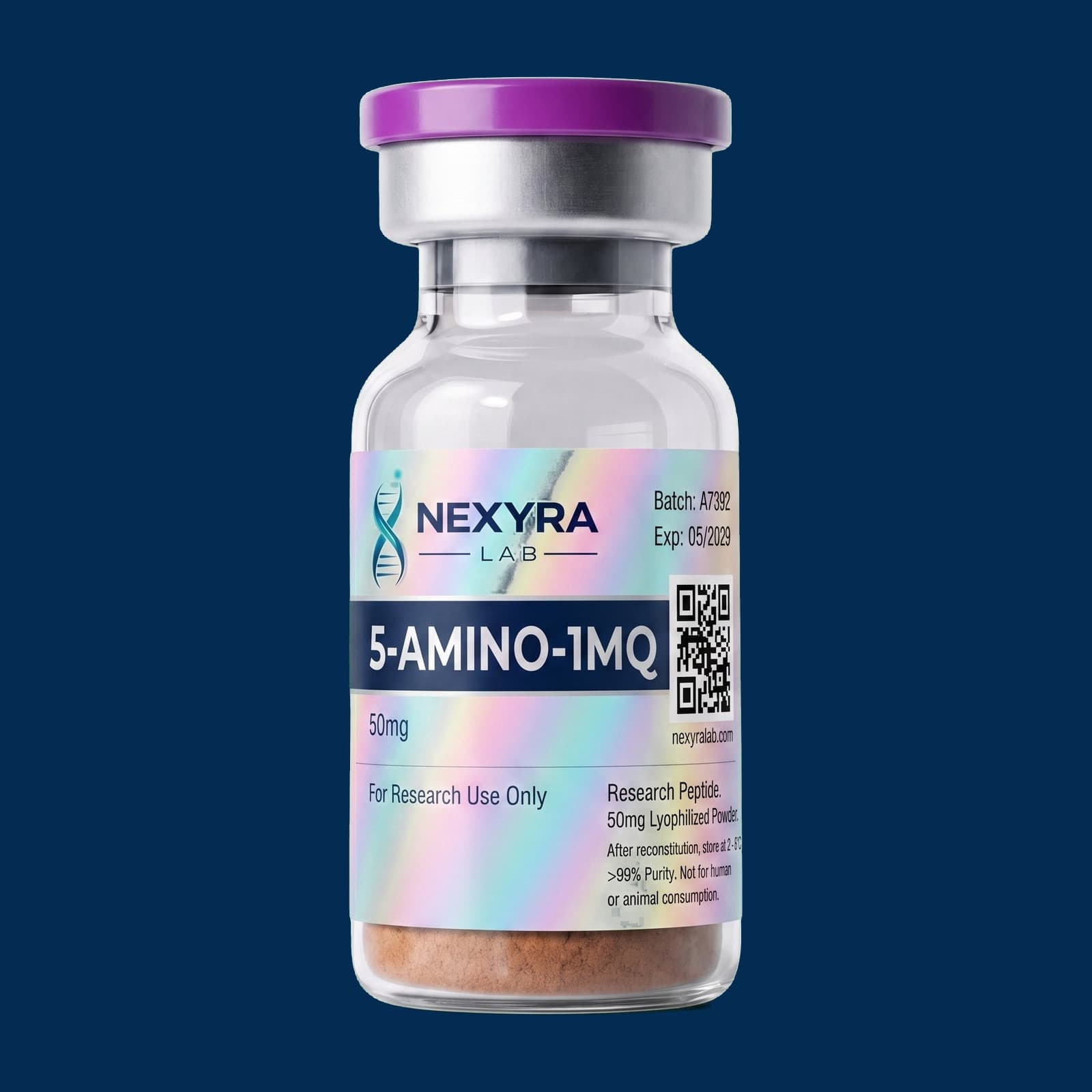
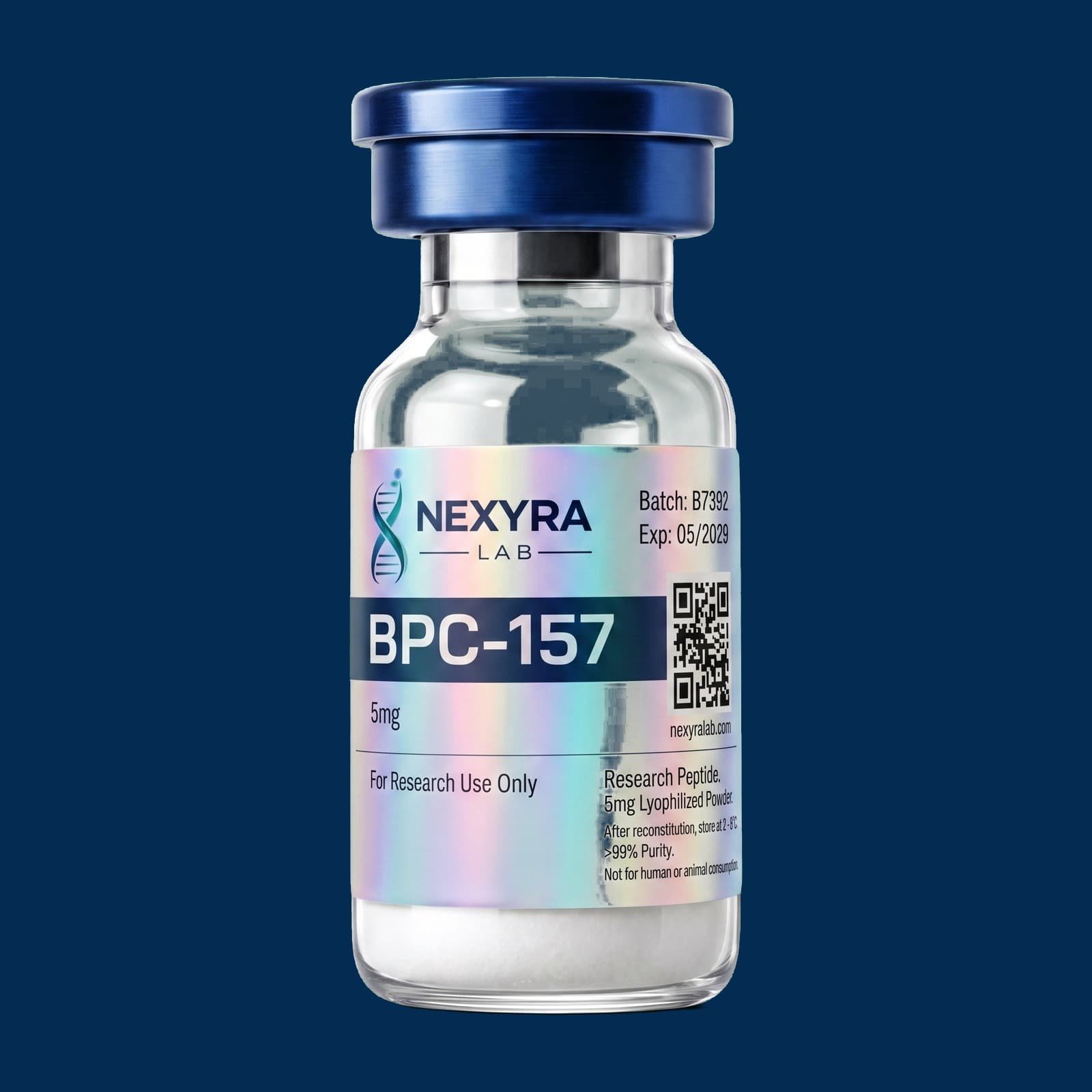
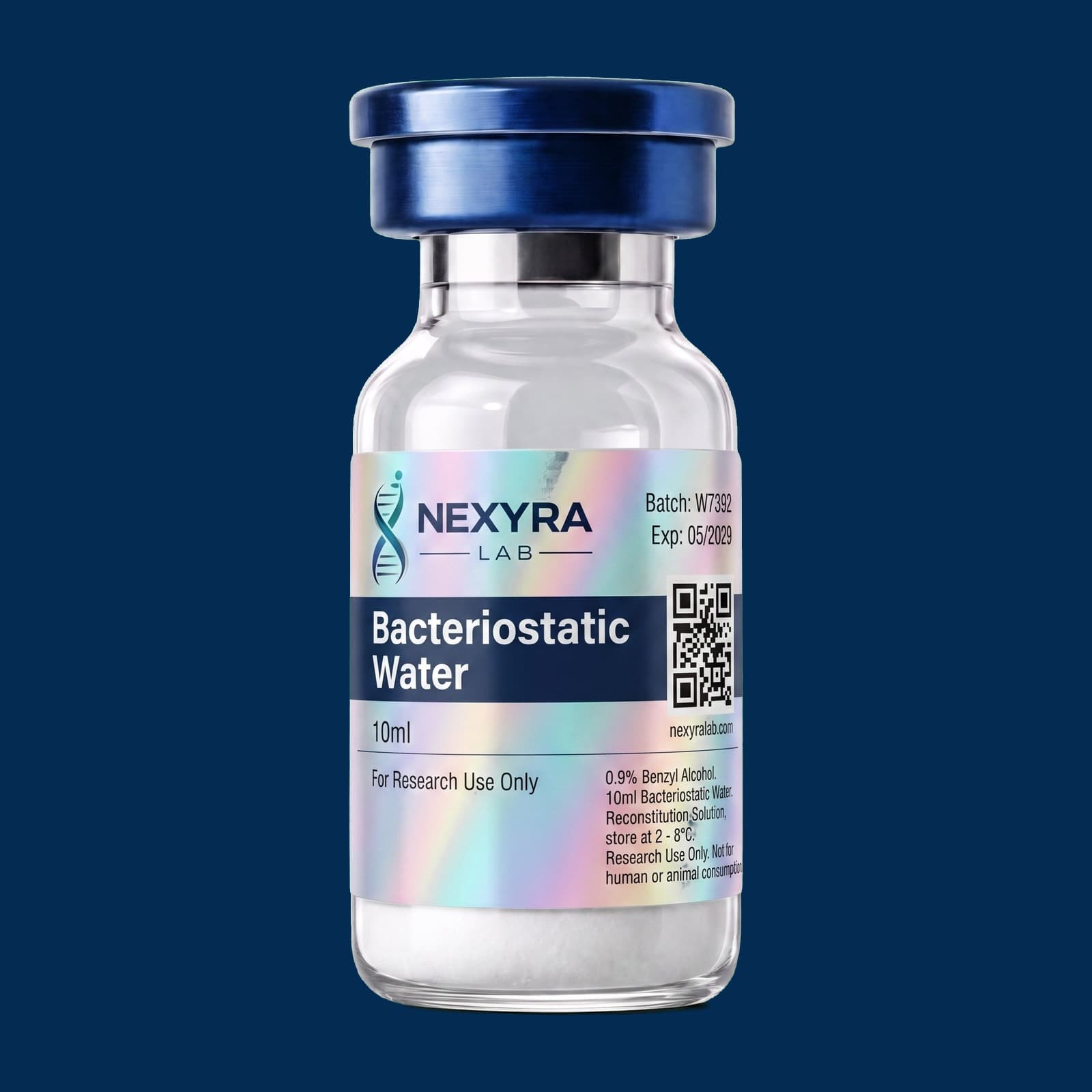
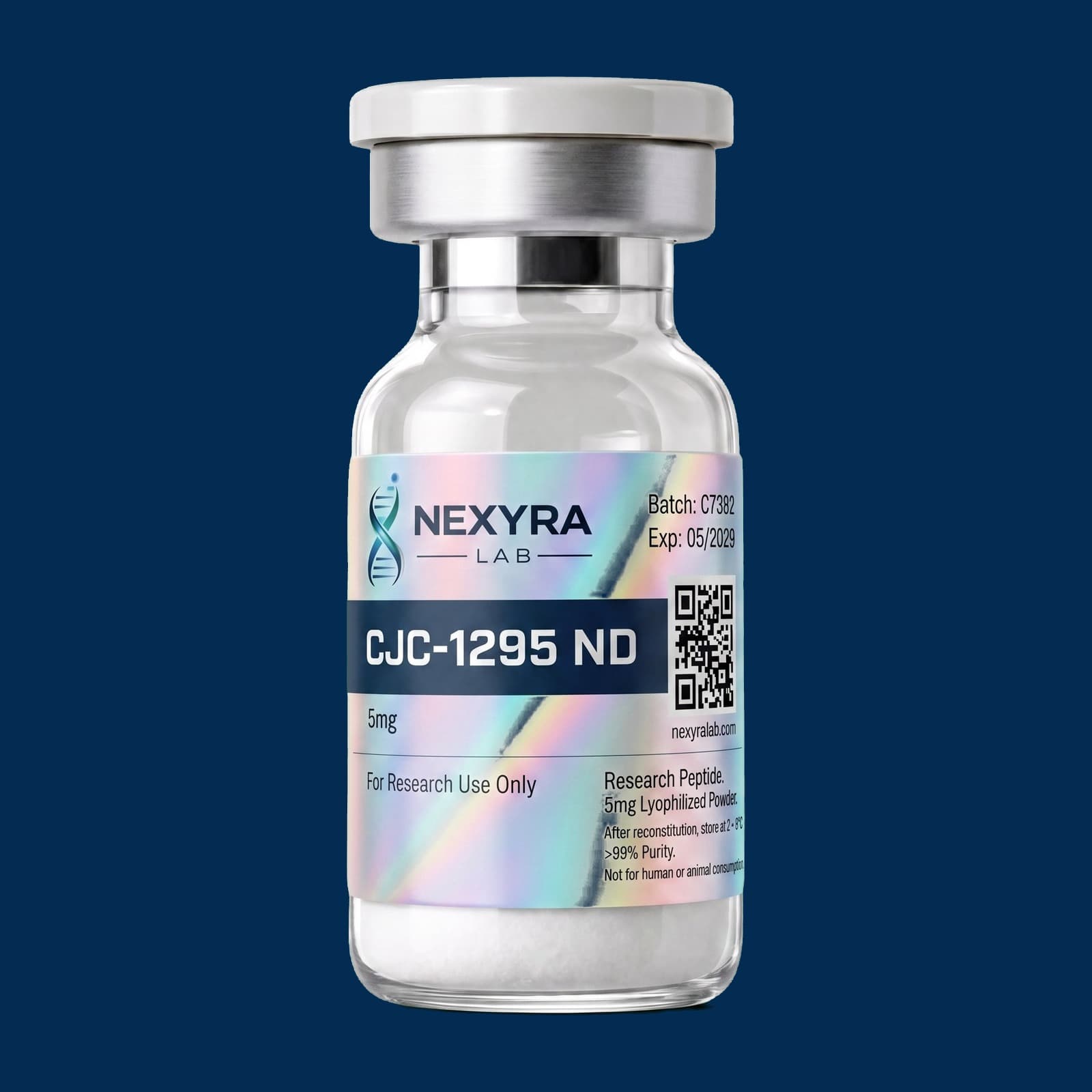
How HCG (Human Chorionic Gonadotropin) Compares
Compare key research properties side by side with similar compounds. Switch compounds in the dropdowns to explore the full catalogue.
Purity and storage specifications are consistent across all Nexyra Lab lyophilised compounds. Pharmacokinetic data (half-life etc.) is not shown as it requires owner-confirmed verified references. For research planning and laboratory use only.
Resources & Support
Documentation, tools, and assistance for your research.
Frequently Asked Questions
Is this product for research use only?
Yes. All Nexyra Lab products are strictly for in vitro research and laboratory use by qualified researchers. They are not approved for human or veterinary use by the FDA, EMA, or any other regulatory authority.
Is a Certificate of Analysis (COA) available?
Yes. A batch-specific COA from our independent third-party testing laboratory is published on our COA page — match your vial's batch number to access HPLC purity data, MS identity confirmation, batch number, and production date.
What does the Certificate of Analysis confirm?
The COA confirms: (1) purity ≥99% by HPLC; (2) molecular identity by mass spectrometry; (3) the batch number for traceability; and (4) the production date. It is produced by an independent laboratory, not by Nexyra Lab itself.
How should lyophilised peptides be stored?
Store lyophilised (freeze-dried) peptides at -20°C in a sealed, dry container away from light and moisture. Avoid repeated freeze-thaw cycles. Once reconstituted, store at 4°C and use within 30 days for most peptides.
How do I reconstitute lyophilised peptides?
For most peptides, use sterile bacteriostatic water (BAC water) or sterile saline. Add the solvent slowly down the inside of the vial — do not inject directly onto the powder. Gently swirl until dissolved; do not shake. Use our Reconstitution Calculator at /peptide-calculator to determine the exact volume for your target concentration.
What are your dispatch and delivery times?
Orders placed before 3 pm on UK working days are dispatched same day. Standard UK delivery typically arrives within 1–3 working days. All orders are shipped in discreet, plain outer packaging with no reference to the contents.
What is your returns policy?
Due to the nature of research compounds and cold-chain requirements, we are unable to accept returns on opened products. If a product arrives damaged or incorrect, please contact our team within 48 hours of receipt and we will resolve the issue promptly.
What purity standard do your peptides meet?
All Nexyra Lab peptides are independently verified at ≥99% purity by HPLC before dispatch. Mass Spectrometry confirms molecular identity. This applies to every batch — the COA is batch-specific, not a generic certificate.


