





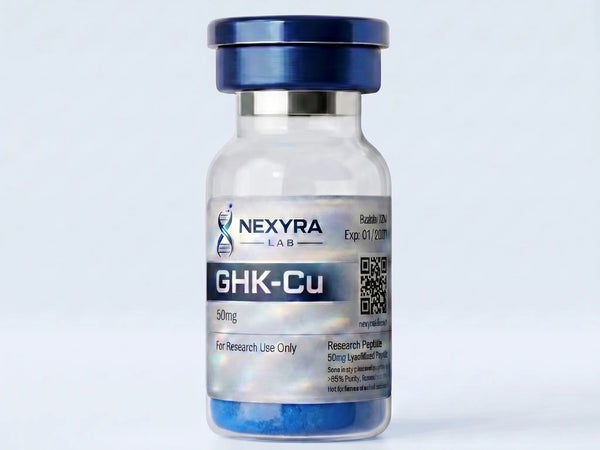
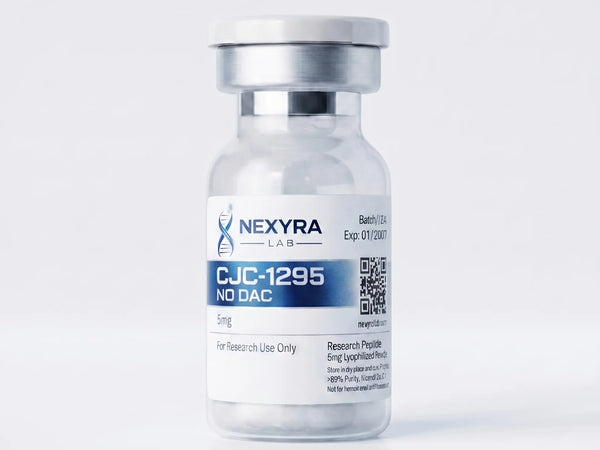
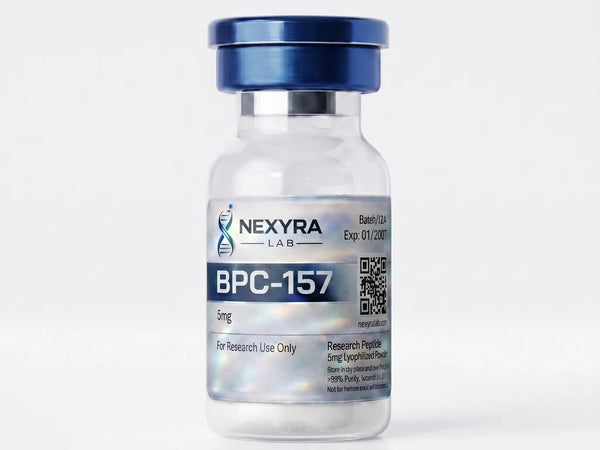
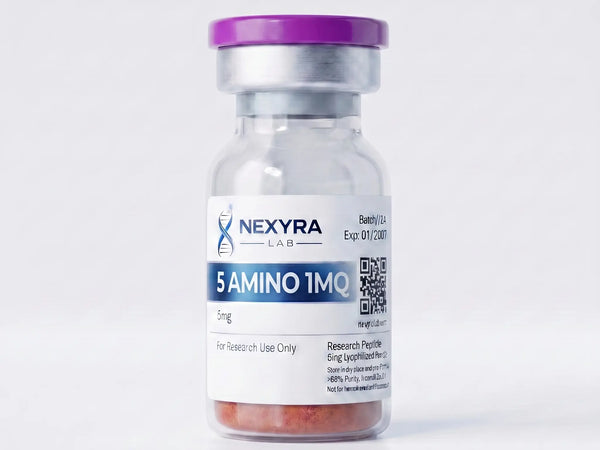






Peptide Boom Fuels $100 Million Gray Market, Driven by Crypto and 'Looksmaxxing' Trend
A burgeoning gray market for peptides, substances promising various wellness and aesthetic benefits, has surged to an estimated $100 million annual run rate, largely fueled by cryptocurrency transactions. This boom is significantly driven by the viral "looksmaxxing" trend on social media and the high cost and limited availability of regulated weight-loss drugs, according to a new report by blockchain analytics firm Chainalysis.
Key Takeaways
- The gray market for peptides has seen a 159% quarter-over-quarter increase in crypto inflows, reaching $32 million in Q1 2026.
- Bitcoin and stablecoins are the preferred payment methods for top-tier peptide vendors.
- The trend is linked to the "looksmaxxing" subculture and the popularity of GLP-1 drugs like Ozempic and Wegovy.
- Some suppliers have transitioned from selling precursors for illicit drugs to the peptide market.
- There are growing concerns about declining safety standards and the inexperience of buyers with both unregulated pharmaceuticals and cryptocurrency.
The Rise of the Peptide Economy
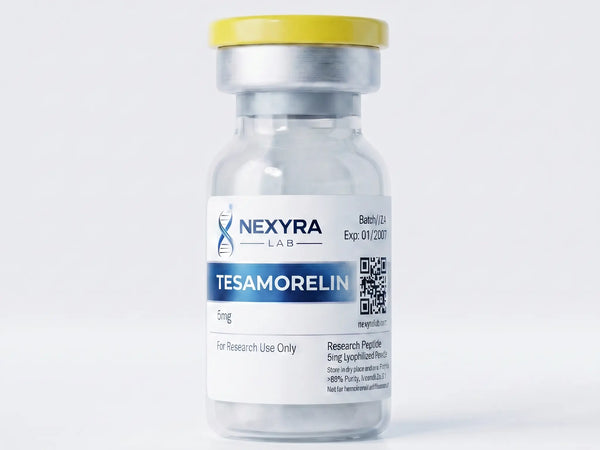
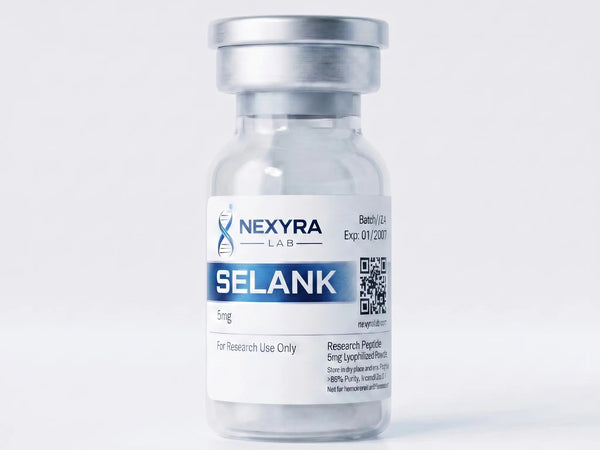
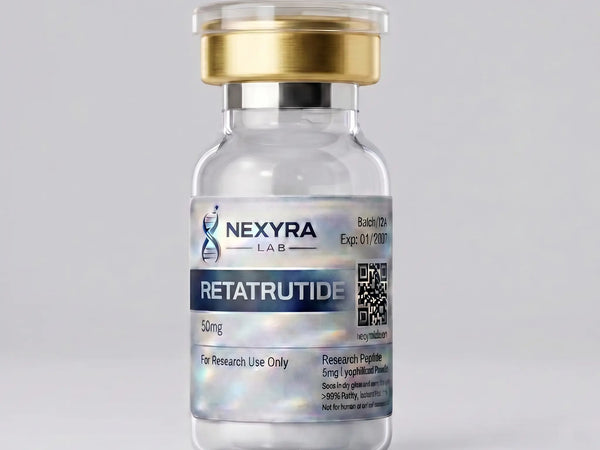
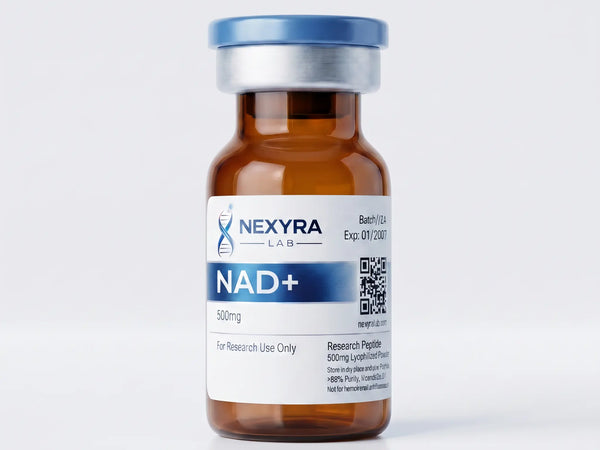
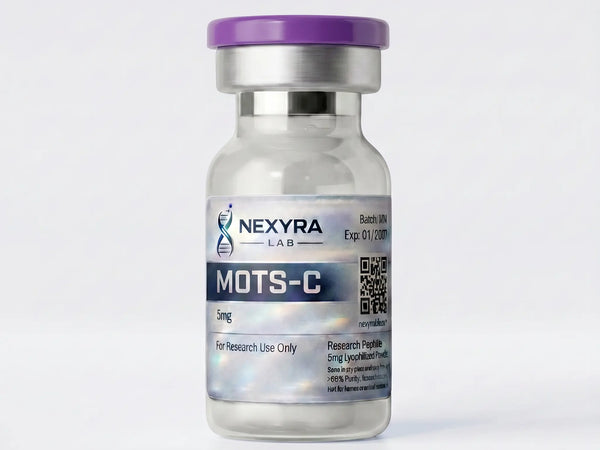
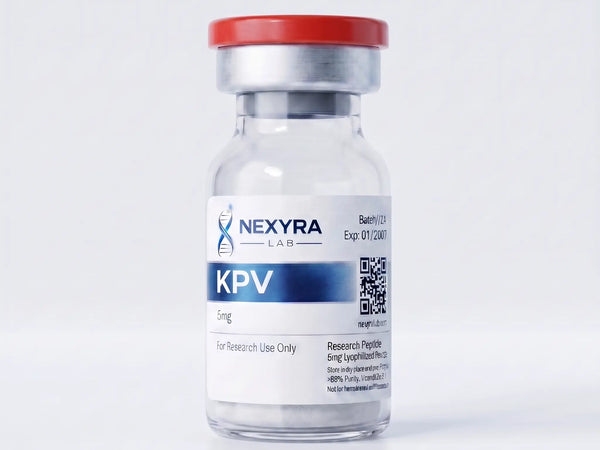
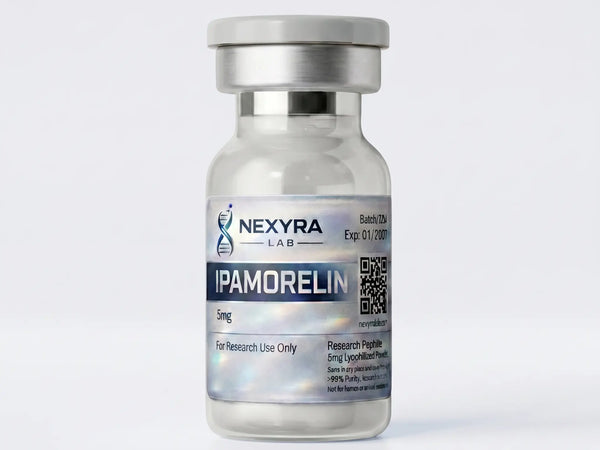
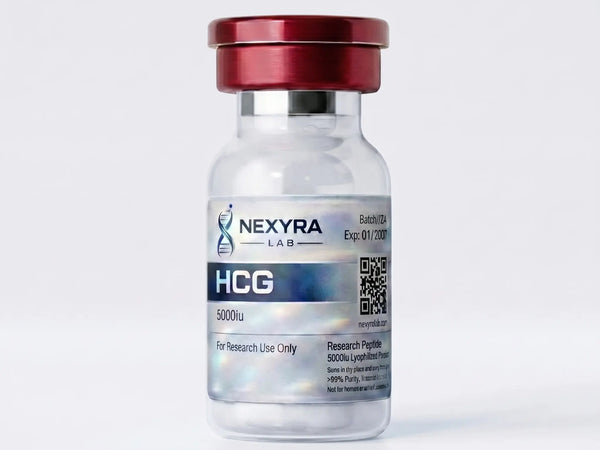
The popularity of peptides has exploded, partly due to the success of GLP-1 drugs like Ozempic and Wegovy, which are themselves peptide-based. However, a wider array of peptides, often sold for "research purposes" and lacking FDA approval for human use, are being sought after for purported benefits ranging from weight loss and muscle gain to anti-aging and improved sleep. This demand is amplified by the "looksmaxxing" trend, where individuals, particularly young men, seek to enhance their appearance through various means, including peptide injections.
Cryptocurrency as the Payment Backbone
Due to the often unregulated and semi-legal nature of the peptide trade, vendors face significant challenges accessing traditional banking and payment systems. This has led to a widespread adoption of cryptocurrency, with Bitcoin and stablecoins becoming the dominant payment methods. Chainalysis reports that top-tier vendors, processing transactions of $1,000 or more, increasingly favour stablecoins to mitigate the price volatility associated with cryptocurrencies like Bitcoin.
From Fentanyl Precursors to Wellness Boosts
Chainalysis has identified a concerning trend where some Chinese chemical manufacturers, previously involved in supplying precursors for illicit drugs like fentanyl and amphetamines, have pivoted to the more profitable and less legally risky peptide market. These companies often maintain similar contact details and digital wallets, highlighting a shift in their business operations.
Declining Safety Standards and Regulatory Scrutiny
As the market grows, so do concerns about safety. Chainalysis data indicates a significant drop in the proportion of buyers opting for independent laboratory testing of the peptides they purchase. This decline in testing, coupled with the fact that many buyers are inexperienced with both unregulated pharmaceuticals and cryptocurrency, raises alarms about potential health risks, including infections and contamination. The burgeoning gray market is attracting increased regulatory scrutiny, as authorities grapple with the intersection of unregulated substances, online trends, and digital finance.
Sources
- I bought peptides online and helped fuel a $100 million gray-market, ‘looksmaxxing’ economy, Fortune.
- Chainalysis Uncovers $100 Million Gray Market for Peptides, ForkLog.
-
News Explorer — Bitcoin and Stablecoins Drive a 'Looksmaxxing'-Fueled $100 Million Peptides Gray Market:
Chainalysis, Decrypt. - Chainalysis reports surge in gray market peptide trade using bitcoin and stablecoins, Crypto Briefing.
- Chainalysis says 'top-tier' gray market peptide vendors turn to bitcoin and stablecoins, The Block.