


Purity >99% HPLC
RUO — Research use only
Not for human or veterinary use.
5-Amino-1MQ
Research Peptide · 5mg Lyophilised Powder
£28.99
Size
Build a Stack & Save
2 = 5% · 3 = 10% · 4+ = 15%This product included. Tick to bundle & save:
Pay by Bank · Powered by Fena
FCA-regulated open banking — authenticated in your banking app, no card details shared.
For research purposes only. Not for human or veterinary use. All products must be handled by qualified researchers in appropriate laboratory conditions.
Purity You Can Verify
Every batch undergoes High-Performance Liquid Chromatography (HPLC) and Mass Spectrometry (MS) analysis before release. Independent third-party testing confirms purity exceeds 99% for each batch — not as a target, but as a minimum standard. The batch-specific Certificate of Analysis is published on our COA page, where you can match your vial's batch number to its results.
Manufactured with Pharmaceutical-Grade Process Controls
Our UK facility operates under cGMP (current Good Manufacturing Practice) guidelines, applying pharmaceutical-grade process controls to research peptide production. Synthesis, purification, lyophilisation, and final packaging all follow documented SOPs with full batch traceability from raw material to dispatch.
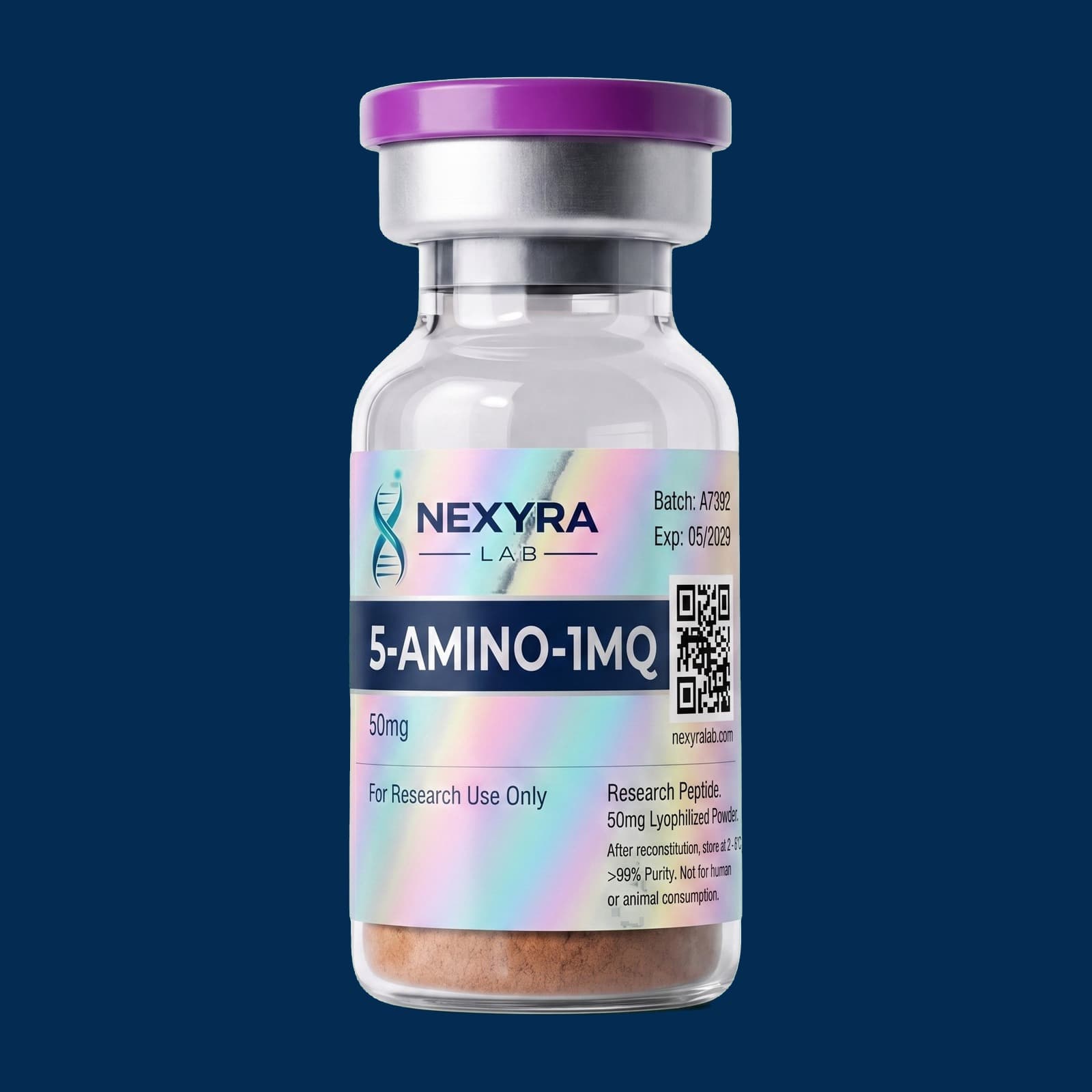
Batch-Specific Documentation
Every vial is labelled with a unique batch number tied to its specific production batch. Match it to the Certificate of Analysis on our COA page for HPLC purity data, MS identity confirmation, and production date — giving researchers full traceability and reproducibility assurance for every experiment.
Stored and Shipped Correctly
Lyophilised peptides are stored at -20°C from the moment of production. Orders are dispatched in temperature-appropriate packaging with discreet, plain outer packaging. Same-day dispatch on orders placed before 3 pm (UK working days).

>99%
Purity verified per batch
18+
Compounds in catalogue
100%
Batch-tested before dispatch
About 5-Amino-1MQ
Research-context overview. Not medical advice. All products for research use only.
| Also known as | 5-Amino-1MQ iodide salt |
| CAS Number | 42464-96-0 |
| Molecular Formula | C10H11IN2 |
| Molecular Weight | 286.11 g/mol |
| Purity | >99% HPLC (independently verified) |
| Status | Research Use Only (RUO) · Not for human or veterinary use |
5-Amino-1MQ | 5-Amino-1-Methylquinolinium | Selective NNMT Inhibitor | Research Compound
Full Name: 5-Amino-1-Methylquinolinium Also Known As: 5-Amino-1MQ, NNMTi Mechanism: Selective, membrane-permeable inhibitor of Nicotinamide N-Methyltransferase (NNMT) Molecular Formula: C₁₀H₁₁IN₂ Molecular Weight: 286.11 g/mol Purity: >99% (HPLC verified) Form: Lyophilised powder Available Sizes: 5mg | 10mg Storage: –20°C, away from light and moisture CAS Number: 42464-96-0
What Is 5-Amino-1MQ?
5-Amino-1MQ (5-Amino-1-Methylquinolinium) is a small, membrane-permeable synthetic molecule first characterised by researchers at the University of Texas Medical Branch in 2017. It was developed as a selective inhibitor of Nicotinamide N-Methyltransferase (NNMT) — a cytosolic enzyme responsible for methylating nicotinamide using S-adenosylmethionine (SAM) as a methyl donor, producing 1-methylnicotinamide (1-MNA) and S-adenosylhomocysteine (SAH) in the process.
While technically classified as a small molecule rather than a peptide, 5-Amino-1MQ has rapidly become one of the most actively studied research compounds in the fields of metabolic biology, NAD+ pathway research, and ageing science — and is frequently catalogued alongside research peptides given its overlapping research applications and target audience.
NNMT is expressed at high levels in white adipose tissue, liver, skeletal muscle, brain, kidney, heart, and lung — and its expression increases markedly with age in muscle tissue, with one study reporting approximately three-fold higher NNMT protein expression in aged versus young muscle. Elevated NNMT activity has been consistently linked to metabolic dysfunction, obesity, insulin resistance, sarcopenia, and impaired NAD+ availability. By selectively inhibiting this enzyme, 5-Amino-1MQ disrupts a key metabolic bottleneck, redirecting nicotinamide flux back toward NAD+ synthesis via the salvage pathway — a mechanism that has generated substantial scientific interest across multiple research disciplines.
A critical advantage of 5-Amino-1MQ over many earlier NNMT inhibitors is its high membrane permeability. Confirmed by both PAMPA assay and bidirectional Caco-2 cell transport studies, this property enables the compound to cross cellular membranes effectively — a prerequisite for intracellular NNMT engagement that earlier inhibitors in this class lacked. Importantly, 5-Amino-1MQ has demonstrated high selectivity for NNMT, with preclinical data showing it does not inhibit related SAM-dependent methyltransferases or other enzymes in the NAD+ salvage pathway.
Our 5-Amino-1MQ is manufactured under rigorous quality-controlled conditions, verified to a purity of greater than 99% by High-Performance Liquid Chromatography (HPLC) and Mass Spectrometry (MS), and supplied as a lyophilised powder for maximum stability.
Research Background & Scientific Interest
5-Amino-1MQ has accumulated a compelling body of preclinical evidence since its introduction, spanning metabolic biology, skeletal muscle research, adipose tissue science, cardiovascular biology, and oncology. Its position at the intersection of NAD+ metabolism, methyl-donor homeostasis, and sirtuin signalling makes it one of the most mechanistically versatile research compounds currently available.
The NNMT-NAD+ Axis: Core Mechanism NNMT occupies a critical node in cellular metabolic regulation by consuming nicotinamide — the primary substrate for NAD+ biosynthesis via the salvage pathway — and diverting it toward methylated metabolite production. When NNMT activity is elevated, as it is in obesity, ageing, and metabolic disease states, intracellular NAD+ levels decline. This depletion has cascading downstream consequences: reduced sirtuin (SIRT1, SIRT3) activity, impaired mitochondrial function, disrupted energy sensing, and increased cellular senescence. By inhibiting NNMT, 5-Amino-1MQ preserves nicotinamide availability for NAD+ synthesis via nicotinamide mononucleotide (NMN), effectively boosting intracellular NAD+ without the need to supply exogenous NAD+ precursors. In vitro studies have confirmed that 5-Amino-1MQ treatment significantly increases intracellular NAD+ levels in both adipocyte and hepatocyte cell models.
Adipose Tissue & Obesity Research The most extensively documented preclinical research on 5-Amino-1MQ concerns its effects in adipose tissue and diet-induced obesity models. In a landmark study published in Biochemical Pharmacology, obese mice treated with 5-Amino-1MQ demonstrated significant reductions in body weight, white adipose tissue mass, and adipocyte size relative to vehicle-treated controls — achieving body composition parameters comparable to lean control animals. These changes occurred without significant reduction in food intake, suggesting the effects were driven by increased energy expenditure rather than appetite suppression. In vitro, 5-Amino-1MQ suppressed lipogenesis and reduced intracellular 1-MNA levels in differentiated adipocytes, providing mechanistic support for the in vivo findings.
Insulin Sensitivity & Glucose Metabolism Parallel to its effects on fat mass, 5-Amino-1MQ has been studied in models of insulin resistance and type 2 diabetes. Preclinical data in diet-induced obese mouse models demonstrated marked improvements in insulin sensitivity, with one study observing reductions in serum insulin levels of 50–60% alongside normalisation of glucose tolerance and fasting blood glucose. These findings are consistent with the known role of NNMT in adipose tissue insulin signalling and have led researchers to position NNMT inhibition — and 5-Amino-1MQ specifically — as a mechanistically novel and complementary approach to existing metabolic disease research tools.
Skeletal Muscle & Sarcopenia Research A significant and rapidly expanding body of literature has examined 5-Amino-1MQ in models of skeletal muscle ageing and regeneration. NNMT expression increases approximately three-fold in aged versus young muscle tissue, and this overexpression has been identified as a dominant component of the gene expression signature for sarcopenia. Elevated NNMT activity in aged muscle is associated with impaired NAD+ availability, dysregulated SIRT1 activity, and increased muscle stem cell (satellite cell; MuSC) senescence — all contributors to the decline in regenerative capacity that characterises ageing muscle.
In a pivotal study examining aged mouse models of muscle injury, NNMT inhibitor treatment with 5-Amino-1MQ rescued muscle stem cell function, producing nearly two-fold greater cross-sectional area (CSA) in regenerated myofibres and significantly shifting fibre size distribution toward larger, functionally superior fibres compared to untreated controls. Contractile force in healed muscle was approximately 70% greater in the 5-Amino-1MQ treated group.
A subsequent 2024 study published in Scientific Reports (University of Texas Medical Branch) directly compared exercise training alone versus exercise training combined with 5-Amino-1MQ in aged mice. The addition of 5-Amino-1MQ to the exercise protocol produced approximately 150% increases in daily running distance that were sustained over the study period — compared to an initial 75% increase that tapered significantly with exercise alone. Grip strength improvements also exceeded those achieved by exercise training in isolation, leading researchers to describe 5-Amino-1MQ as producing additive effects beyond exercise through mechanistic pathways distinct from training adaptation.
Methyl-Donor Metabolism & Epigenetic Research NNMT's consumption of SAM — the universal methyl donor — places it at the centre of epigenetic regulation as well as metabolic biology. When NNMT is overactive, SAM availability for other methyltransferases is reduced, potentially disrupting DNA methylation, histone methylation, and other epigenetically regulated processes. 5-Amino-1MQ, by inhibiting NNMT, preserves SAM availability for these competing methylation reactions. This intersection of metabolic and epigenetic regulation has made NNMT — and by extension, 5-Amino-1MQ — a subject of growing interest in ageing biology and epigenetic research.
Cardiovascular Research NNMT's role in cardiovascular pathophysiology has become an active area of research, with the enzyme's upregulation linked to atherosclerosis, hypertension, and myocardial ischaemia through multiple pathways. NNMT-mediated NAD+ depletion impairs sirtuin activity and mitochondrial antioxidant defences, while elevated homocysteine levels resulting from SAH accumulation activate pro-inflammatory cascades including TLR4–NF-κB and STAT3–IL-1β signalling. A 2025 review in Biomolecules identified 5-Amino-1MQ as one of the leading candidate NNMT inhibitors for cardiovascular therapeutic research, noting its selectivity and membrane permeability as key pharmacological advantages. No clinical trials in cardiovascular disease have yet been conducted with NNMT inhibitors, making this an open and compelling frontier for preclinical research.
Oncology Research Emerging preclinical evidence suggests NNMT plays a role in tumour biology. NNMT overexpression has been observed in several cancer types, and its activity has been linked to epithelial-mesenchymal transition (EMT), tumour stroma remodelling, and enhanced migratory and invasive capacity in cancer cell lines. While 5-Amino-1MQ has not been the primary tool in all oncology-focused NNMT studies, the mechanistic connection between NNMT activity and cancer-associated metabolic reprogramming has positioned NNMT inhibition as an area of growing research interest in experimental oncology.
Product Specifications
| Specification | Detail |
|---|---|
| Compound | 5-Amino-1MQ (5-Amino-1-Methylquinolinium) |
| Class | Selective NNMT inhibitor (small molecule) |
| Molecular Formula | C₁₀H₁₁IN₂ |
| Molecular Weight | 286.11 g/mol |
| Purity | >99% (HPLC & MS verified) |
| Form | Lyophilised powder |
| Vial Sizes | 5mg, 10mg |
| Appearance | White to off-white powder |
| Solubility | Soluble in sterile water or DMSO |
| Membrane Permeability | High (confirmed by PAMPA and Caco-2 assay) |
| Selectivity | High — does not inhibit related SAM-dependent methyltransferases |
| Storage | –20°C, keep away from light |
| Shelf Life | 24 months when stored correctly (lyophilised) |
| CAS Number | 42464-96-0 |
Quality & Purity Assurance
Every batch of our 5-Amino-1MQ undergoes a comprehensive quality control process prior to release. Our assurance pipeline includes:
- HPLC Analysis — confirms compound purity exceeding 99%
- Mass Spectrometry (MS) — verifies molecular identity and structural integrity
- Endotoxin Testing — ensures the product is free from bacterial endotoxins
- Certificate of Analysis (CoA) — available for every batch upon request
Full batch traceability is maintained across synthesis, purification, and quality testing, giving researchers the confidence required for reproducible and reliable experimental work.
Handling & Reconstitution (Research Use)
5-Amino-1MQ lyophilised powder is soluble in sterile water or DMSO, depending on the experimental protocol. For aqueous reconstitution, gently swirl in sterile bacteriostatic water until fully dissolved. If using DMSO, ensure downstream dilution into aqueous buffer is performed to maintain cell viability in cell-based assays. Once reconstituted, aliquot immediately and store at –20°C. Avoid repeated freeze-thaw cycles to preserve compound integrity and experimental reproducibility.
All handling should comply with standard laboratory safety protocols and applicable institutional or regulatory guidelines.
5-Amino-1MQ in Context: Relationship to Other Catalogue Compounds
5-Amino-1MQ occupies a distinctive and complementary position within our research catalogue. Its mechanism — NNMT inhibition leading to elevated intracellular NAD+ — places it in a direct functional relationship with MOTS-c, which operates at the level of mitochondrial signalling and AMPK activation. Both compounds converge on cellular energy metabolism and represent complementary tools for researchers studying metabolic ageing and bioenergetics from different mechanistic angles.
For researchers working on metabolic dysfunction, 5-Amino-1MQ also provides a mechanistically distinct perspective relative to the receptor-level hormonal signalling approach of retatrutide. While retatrutide acts systemically via GIP, GLP-1, and glucagon receptors to modulate energy homeostasis, 5-Amino-1MQ operates intracellularly — directly at the level of NAD+ availability and methyl-donor metabolism — offering researchers a complementary tool for multi-pathway metabolic research.
All compounds in our catalogue are manufactured to the same >99% purity standard and are supported by batch-specific Certificates of Analysis.
Important Notice
This product is intended strictly for in vitro research and laboratory use only. 5-Amino-1MQ has not entered clinical trials and is not approved for human or veterinary use by the FDA, EMA, or any other regulatory authority. It is not a drug, supplement, or food product. This product must not be administered to humans or animals. By purchasing this product, the buyer confirms they are a qualified researcher and will use the compound solely for lawful scientific research purposes.
Technical datasheet
Identity
| Compound | 5-Amino-1MQ (5-Amino-1-Methylquinolinium) |
| Class | Selective NNMT inhibitor (small molecule) |
| Molecular Formula | C10H11IN2 |
| Molecular Weight | 286.11 g/mol |
| CAS Number | 42464-96-0 |
Physicochemical
| Form | Lyophilised powder |
| Purity | >99% (HPLC & MS verified) |
| Vial Sizes | 5mg, 10mg |
| Appearance | White to off-white powder |
| Solubility | Soluble in sterile water or DMSO |
| Membrane Permeability | High (confirmed by PAMPA and Caco-2 assay) |
| Selectivity | High — does not inhibit related SAM-dependent methyltransferases |
Handling & storage
| Storage | –20°C, keep away from light |
| Shelf Life | 24 months when stored correctly (lyophilised) |
Compliance
| Intended use | Research use only — not for human or veterinary use |
| Documentation | Batch-specific Certificate of Analysis with every order |
| Country of manufacture | United Kingdom |
| Quality standard | >99% purity, HPLC-verified, cGMP-compliant |
What's Included
Research-grade vial
Lyophilised powder, sealed under inert gas
Certificate of Analysis
Batch-specific HPLC & MS verification
Tamper-evident seal
Intact seal confirms product integrity
Discreet packaging
Plain, unbranded outer packaging
COA & Testing
Every batch of 5-Amino-1MQ is independently analysed by HPLC and Mass Spectrometry before dispatch. The Certificate of Analysis confirms purity, verifies molecular identity, and carries a unique batch number for full traceability.
Customer Reviews
No reviews yet
Be the first to review this product. Post-purchase review invitations are sent automatically.
Frequently Researched Together
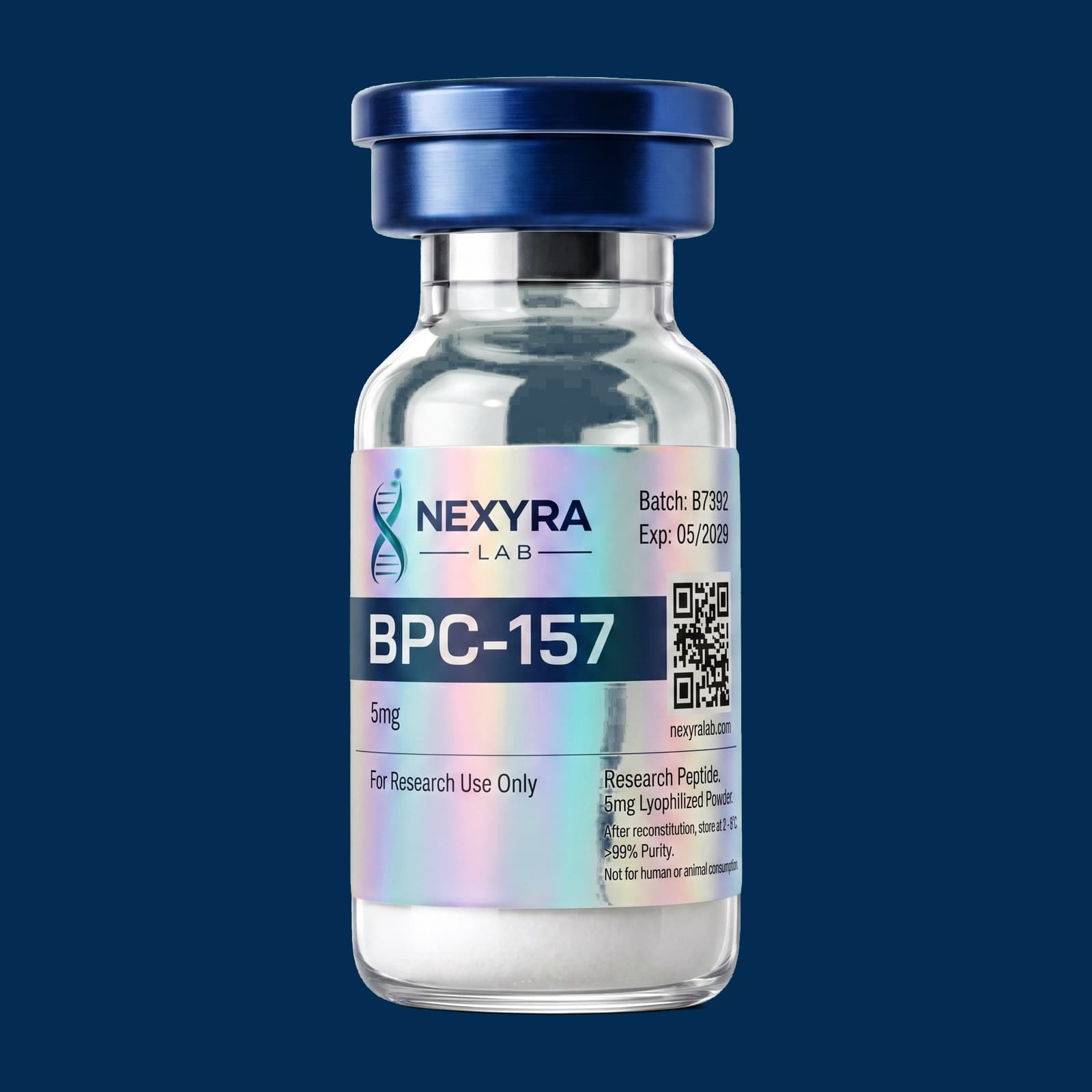
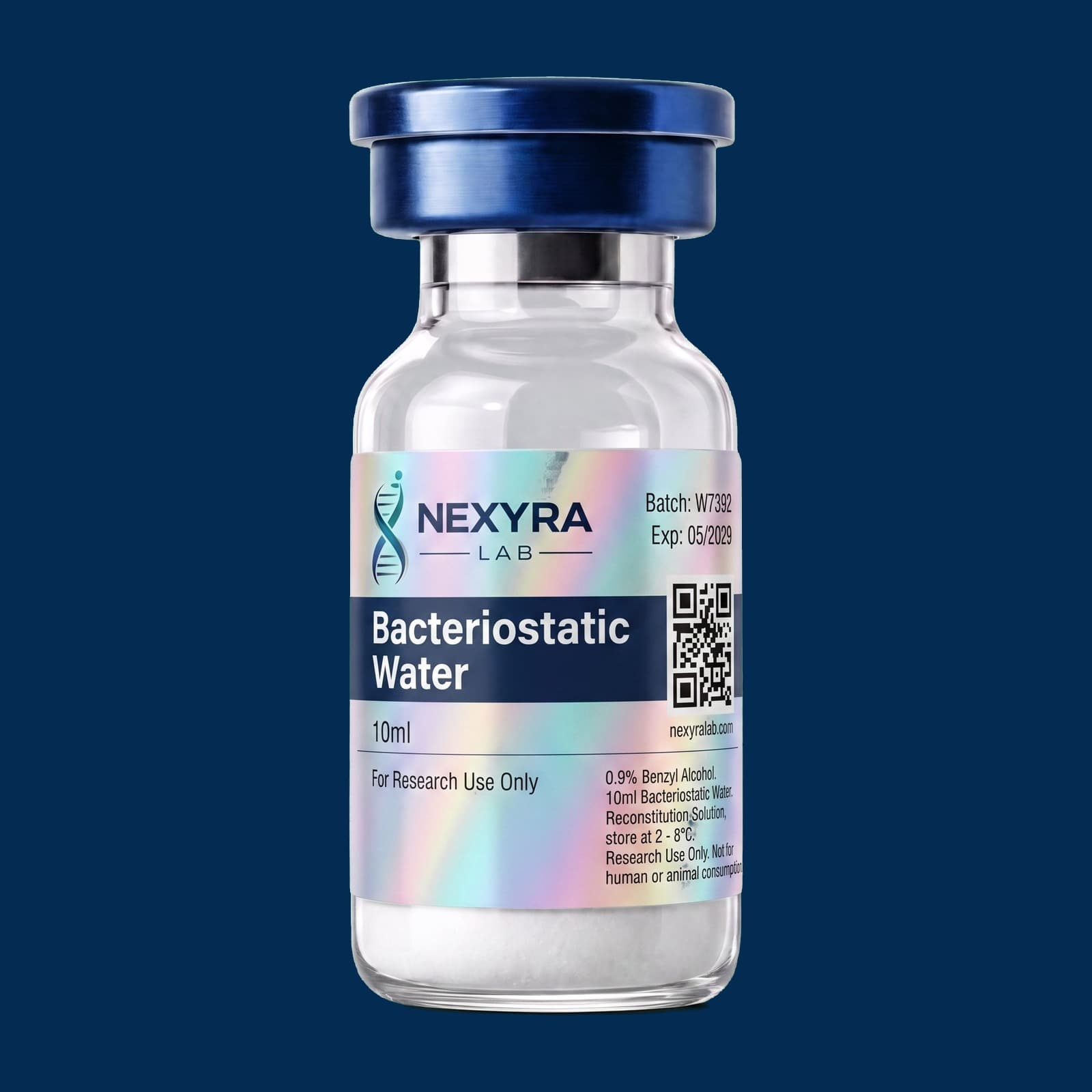
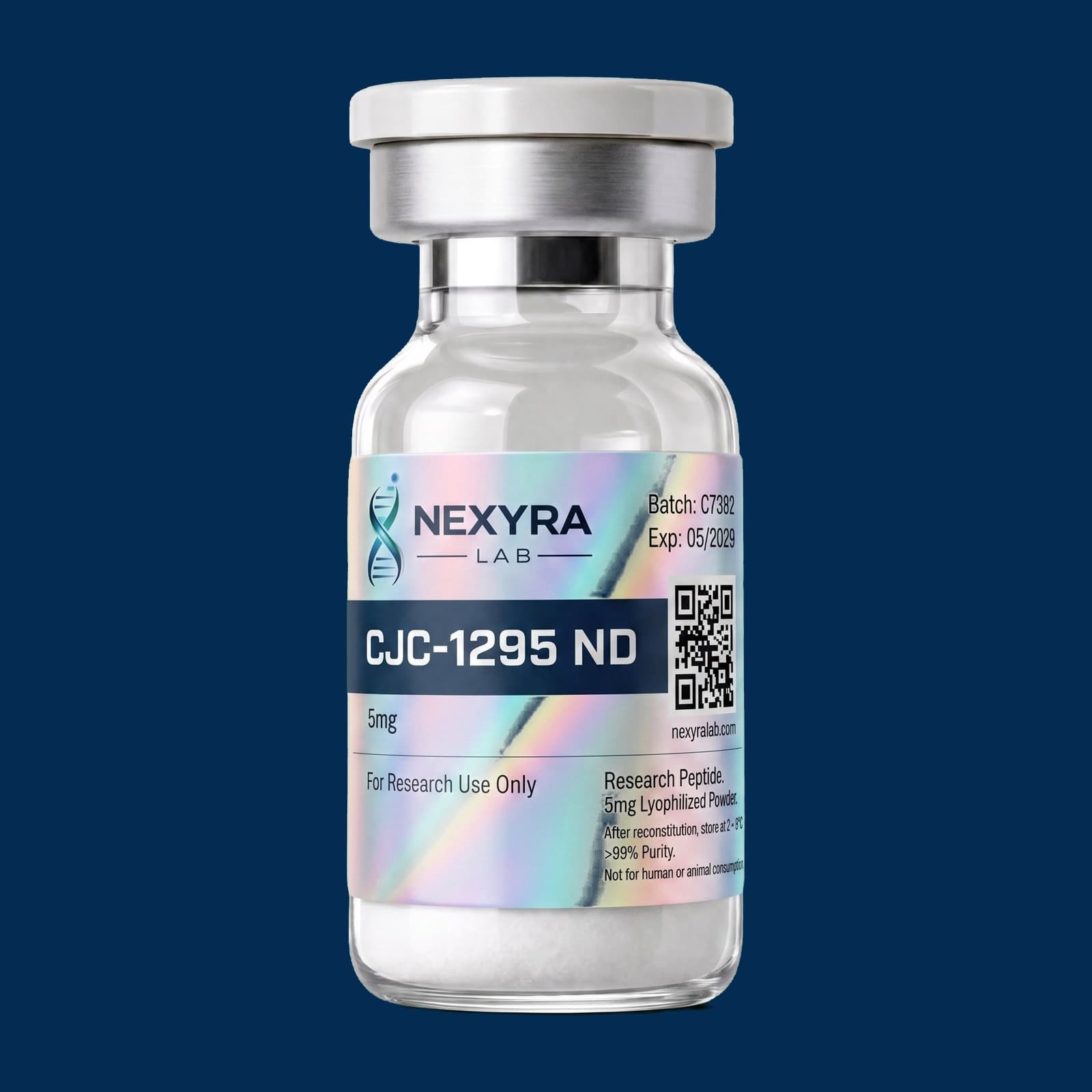
5-Amino-1MQ is also available as part of the Metabolic Stack — save 15% on the full stack.
How 5-Amino-1MQ Compares
Compare key research properties side by side with similar compounds. Switch compounds in the dropdowns to explore the full catalogue.
Purity and storage specifications are consistent across all Nexyra Lab lyophilised compounds. Pharmacokinetic data (half-life etc.) is not shown as it requires owner-confirmed verified references. For research planning and laboratory use only.
Resources & Support
Documentation, tools, and assistance for your research.
Frequently Asked Questions
Is this product for research use only?
Yes. All Nexyra Lab products are strictly for in vitro research and laboratory use by qualified researchers. They are not approved for human or veterinary use by the FDA, EMA, or any other regulatory authority.
Is a Certificate of Analysis (COA) available?
Yes. A batch-specific COA from our independent third-party testing laboratory is published on our COA page — match your vial's batch number to access HPLC purity data, MS identity confirmation, batch number, and production date.
What does the Certificate of Analysis confirm?
The COA confirms: (1) purity ≥99% by HPLC; (2) molecular identity by mass spectrometry; (3) the batch number for traceability; and (4) the production date. It is produced by an independent laboratory, not by Nexyra Lab itself.
How should lyophilised peptides be stored?
Store lyophilised (freeze-dried) peptides at -20°C in a sealed, dry container away from light and moisture. Avoid repeated freeze-thaw cycles. Once reconstituted, store at 4°C and use within 30 days for most peptides.
How do I reconstitute lyophilised peptides?
For most peptides, use sterile bacteriostatic water (BAC water) or sterile saline. Add the solvent slowly down the inside of the vial — do not inject directly onto the powder. Gently swirl until dissolved; do not shake. Use our Reconstitution Calculator at /peptide-calculator to determine the exact volume for your target concentration.
What are your dispatch and delivery times?
Orders placed before 3 pm on UK working days are dispatched same day. Standard UK delivery typically arrives within 1–3 working days. All orders are shipped in discreet, plain outer packaging with no reference to the contents.
What is your returns policy?
Due to the nature of research compounds and cold-chain requirements, we are unable to accept returns on opened products. If a product arrives damaged or incorrect, please contact our team within 48 hours of receipt and we will resolve the issue promptly.
What purity standard do your peptides meet?
All Nexyra Lab peptides are independently verified at ≥99% purity by HPLC before dispatch. Mass Spectrometry confirms molecular identity. This applies to every batch — the COA is batch-specific, not a generic certificate.


