

Purity >99% HPLC
RUO — Research use only
Not for human or veterinary use.
GHK-Cu (Copper Peptide)
Research Peptide · 50mg Lyophilised Powder
£24.99
Size
Build a Stack & Save
2 = 5% · 3 = 10% · 4+ = 15%This product included. Tick to bundle & save:
Pay by Bank · Powered by Fena
FCA-regulated open banking — authenticated in your banking app, no card details shared.
For research purposes only. Not for human or veterinary use. All products must be handled by qualified researchers in appropriate laboratory conditions.
Purity You Can Verify
Every batch undergoes High-Performance Liquid Chromatography (HPLC) and Mass Spectrometry (MS) analysis before release. Independent third-party testing confirms purity exceeds 99% for each batch — not as a target, but as a minimum standard. The batch-specific Certificate of Analysis is published on our COA page, where you can match your vial's batch number to its results.
Manufactured with Pharmaceutical-Grade Process Controls
Our UK facility operates under cGMP (current Good Manufacturing Practice) guidelines, applying pharmaceutical-grade process controls to research peptide production. Synthesis, purification, lyophilisation, and final packaging all follow documented SOPs with full batch traceability from raw material to dispatch.
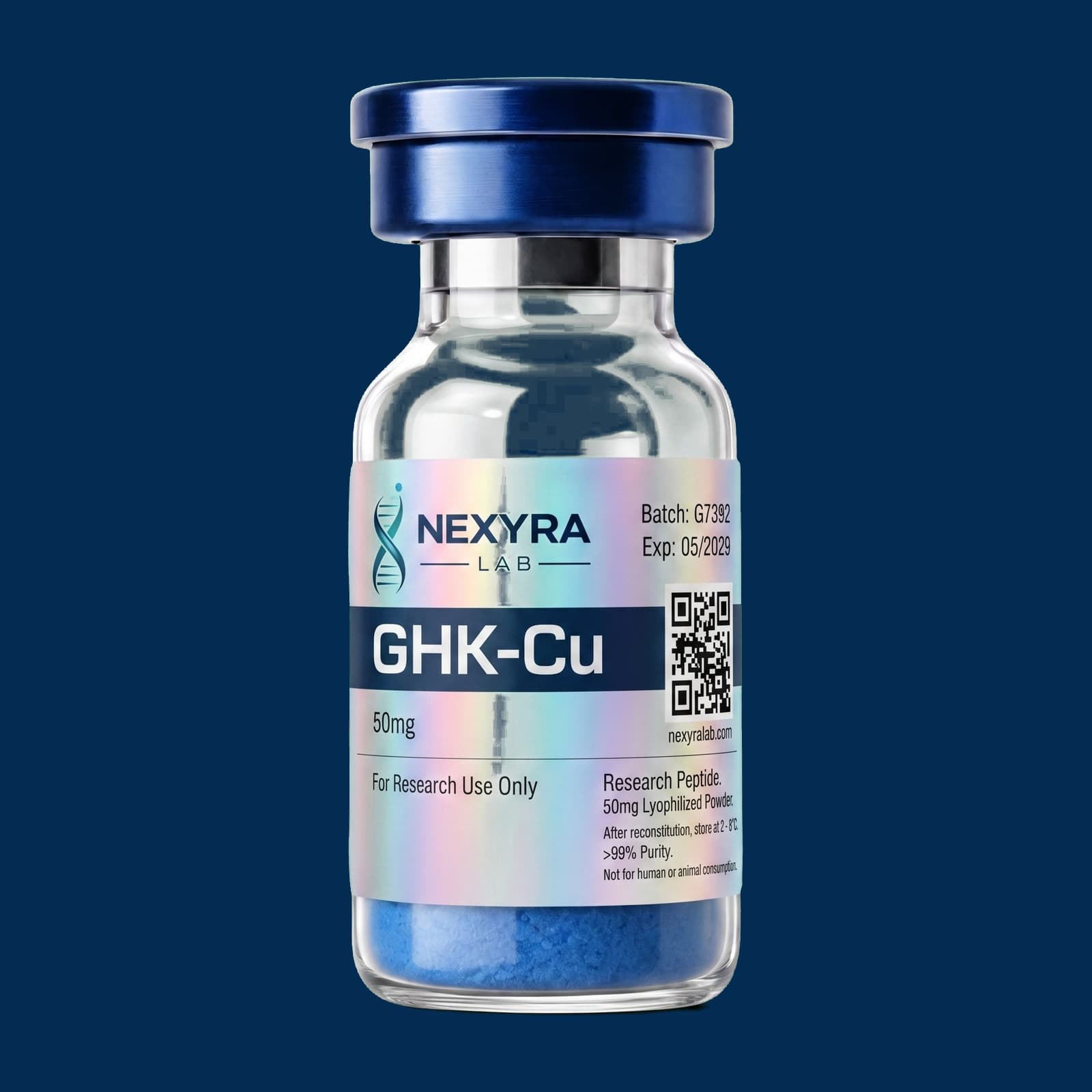
Batch-Specific Documentation
Every vial is labelled with a unique batch number tied to its specific production batch. Match it to the Certificate of Analysis on our COA page for HPLC purity data, MS identity confirmation, and production date — giving researchers full traceability and reproducibility assurance for every experiment.
Stored and Shipped Correctly
Lyophilised peptides are stored at -20°C from the moment of production. Orders are dispatched in temperature-appropriate packaging with discreet, plain outer packaging. Same-day dispatch on orders placed before 3 pm (UK working days).

>99%
Purity verified per batch
20+
Compounds in catalogue
100%
Batch-tested before dispatch
About GHK-Cu (Copper Peptide)
Research-context overview. Not medical advice. All products for research use only.
| Also known as | Copper tripeptide-1 · Gly-His-Lys-Cu²⁺ |
| CAS Number | 89030-95-5 |
| Molecular Formula | C14H22CuN6O4 |
| Molecular Weight | 401.9 g/mol |
| Purity | >99% HPLC (independently verified) |
| Status | Research Use Only (RUO) · Not for human or veterinary use |
GHK-Cu | Glycyl-L-Histidyl-L-Lysine Copper Complex | Research Peptide
Sequence: Gly-His-Lys (copper chelated) Molecular Formula: C₁₄H₂₂CuN₆O₄ Molecular Weight: 401.9 g/mol Purity: >99% (HPLC verified) Form: Lyophilised powder Available Sizes: 50mg | 100mg Storage: –20°C, away from light and moisture CAS Number: 89030-95-5
What Is GHK-Cu?
GHK-Cu (Glycyl-L-Histidyl-L-Lysine copper complex) is a naturally occurring copper peptide first identified in human plasma by Dr. Loren Pickart in 1973. It is a tripeptide — composed of just three amino acids: glycine, histidine, and lysine — complexed with a copper(II) ion. Despite its small size, GHK-Cu has demonstrated an extraordinary breadth of biological activity in preclinical research, influencing gene expression, tissue remodelling, antioxidant defence, and wound repair across numerous experimental models.
GHK-Cu is found naturally in human blood plasma, saliva, and urine, with plasma concentrations declining significantly with age — from approximately 200 ng/mL in young adults to around 80 ng/mL in those over 60. This age-related decline has made GHK-Cu an especially compelling subject for researchers studying cellular ageing, skin biology, and tissue homeostasis.
Our GHK-Cu is synthesised under strict quality-controlled manufacturing conditions, achieving a verified purity of greater than 99% as confirmed by High-Performance Liquid Chromatography (HPLC) and Mass Spectrometry (MS). It is supplied as a lyophilised (freeze-dried) powder to ensure optimal stability during storage and transit.
Research Background & Scientific Interest
GHK-Cu has accumulated one of the most extensive bodies of preclinical literature of any research peptide, with over five decades of published science across dermatology, oncology, neuroscience, pulmonology, and wound biology. Its mechanism of action is multifaceted — centred on copper transport, collagen synthesis modulation, and broad-spectrum gene expression regulation.
Gene Expression & Genomic Activity Perhaps the most remarkable aspect of GHK-Cu research is its apparent influence at the genomic level. Studies by Pickart and colleagues, using gene expression analysis, identified GHK-Cu as a potent modulator of human gene activity — with research suggesting it can reset the gene expression patterns of aged or damaged tissue closer to a healthier baseline state. In one analysis, GHK-Cu was found to influence the expression of over 4,000 human genes, including those involved in inflammation resolution, DNA repair, antioxidant response, and ubiquitin-proteasome system regulation.
Collagen Synthesis & Skin Biology GHK-Cu is one of the most studied peptides in dermatological research. Preclinical and in vitro studies have consistently demonstrated its ability to stimulate collagen, elastin, and glycosaminoglycan synthesis in fibroblast cell cultures. Research has also examined its role in upregulating matrix metalloproteinase (MMP) activity alongside their inhibitors (TIMPs), suggesting a finely balanced role in extracellular matrix remodelling rather than simple collagen deposition. These findings have generated substantial interest in skin ageing and wound repair research contexts.
Wound Healing & Tissue Repair GHK-Cu has been studied extensively in wound healing models, with preclinical data pointing to accelerated re-epithelialisation, increased angiogenesis, and improved wound tensile strength in animal models. Research has also examined its influence on keratinocyte proliferation and migration — key processes in the restoration of skin barrier integrity. Its copper-mediated influence on lysyl oxidase activity, an enzyme critical to collagen cross-linking, is one proposed mechanism underlying these observations.
Antioxidant & Anti-inflammatory Properties The copper ion component of GHK-Cu plays a meaningful role in its research profile. Copper is an essential cofactor for superoxide dismutase (SOD), a primary antioxidant enzyme, and GHK-Cu has been studied in models examining oxidative stress mitigation. Preclinical research has also observed downregulation of pro-inflammatory cytokines including TNF-α, IL-6, and IL-1β, alongside modulation of NF-κB signalling pathways — positioning GHK-Cu as a subject of interest in inflammatory resolution research.
Nervous System & Neuroprotection Research An emerging body of literature has explored GHK-Cu in neurological research contexts. Studies have investigated its effects in models of nerve damage and neuroinflammation, with findings suggesting neuroprotective activity and potential influence on nerve growth factor (NGF) expression. Its antioxidant properties are also of interest given the particular vulnerability of neuronal tissue to oxidative damage. This remains a developing area of research that warrants further investigation.
Pulmonary & Systemic Research GHK-Cu has appeared in research related to pulmonary fibrosis and COPD-associated gene expression signatures. Gene array analyses have shown that GHK-Cu can reverse the gene expression patterns associated with emphysema and certain cancer-related pathways — a finding of significant scientific interest that has prompted further mechanistic inquiry into its role in systemic tissue homeostasis.
Hair Follicle Research In vitro and animal studies have examined GHK-Cu in models of hair follicle biology. Research has observed stimulation of follicle size and elongation, as well as modulation of hair growth cycle signalling. These findings have contributed to GHK-Cu becoming one of the more frequently studied peptides in dermatological and follicular biology research.
Product Specifications
| Specification | Detail |
|---|---|
| Peptide | GHK-Cu (Glycyl-L-Histidyl-L-Lysine Copper Complex) |
| Sequence | Gly-His-Lys · Cu²⁺ |
| Purity | >99% (HPLC & MS verified) |
| Form | Lyophilised powder |
| Vial Sizes | 5mg, 10mg |
| Appearance | Blue to blue-green powder |
| Solubility | Soluble in sterile water |
| Storage | –20°C, keep away from light |
| Shelf Life | 24 months when stored correctly (lyophilised) |
| CAS Number | 89030-95-5 |
Quality & Purity Assurance
Every batch of our GHK-Cu undergoes a rigorous, multi-step quality control process before release. Our assurance pipeline includes:
- HPLC Analysis — confirms peptide purity exceeding 99%
- Mass Spectrometry (MS) — verifies molecular identity, copper complexation, and sequence integrity
- Endotoxin Testing — ensures the product is free from bacterial endotoxins
- Certificate of Analysis (CoA) — available for every batch upon request
We are committed to full batch traceability, providing researchers with the consistency and confidence required for reproducible, high-quality experimental outcomes.
Handling & Reconstitution (Research Use)
GHK-Cu lyophilised powder is readily soluble in sterile water or phosphate-buffered saline (PBS). Gently swirl to dissolve — do not vortex. The characteristic blue to blue-green colour of the solution is normal and indicative of the copper chelate complex. Once reconstituted, aliquot immediately and store at –20°C. Avoid repeated freeze-thaw cycles to preserve peptide integrity and copper complexation stability.
All handling should be conducted in accordance with standard laboratory safety procedures and applicable institutional guidelines.
How GHK-Cu Fits Within a Research Peptide Panel
GHK-Cu is frequently studied alongside other tissue-active peptides. Compared to BPC-157, which acts primarily via the nitric oxide and growth hormone receptor pathways, and TB-500, which functions through actin sequestration and VEGF signalling, GHK-Cu operates largely through copper-mediated gene expression modulation and extracellular matrix remodelling. Its broad genomic footprint makes it a uniquely versatile research subject and a logical complement to both BPC-157 and TB-500 in multi-peptide experimental panels.
All three peptides are available in our catalogue with consistent >99% purity standards.
Important Notice
This product is intended strictly for in vitro research and laboratory use only. GHK-Cu is not approved for human or veterinary use by the FDA, EMA, or any other regulatory authority. It is not a drug, supplement, or food product. This product must not be administered to humans or animals. By purchasing this product, the buyer confirms they are a qualified researcher and will use the compound solely for lawful scientific research purposes.
Technical datasheet
Identity
| Molecular Formula | C14H22CuN6O4 |
| Molecular Weight | 401.9 g/mol |
| CAS Number | 89030-95-5 |
| Sequence | Gly-His-Lys · Cu²⁺ |
Physicochemical
| Form | Lyophilised powder |
| Purity | >99% (HPLC & MS verified) |
| Vial Sizes | 5mg, 10mg |
| Appearance | Blue to blue-green powder |
| Solubility | Soluble in sterile water |
Handling & storage
| Storage | –20°C, keep away from light |
| Shelf Life | 24 months when stored correctly (lyophilised) |
Compliance
| Intended use | Research use only — not for human or veterinary use |
| Documentation | Batch-specific Certificate of Analysis with every order |
| Country of manufacture | United Kingdom |
| Quality standard | >99% purity, HPLC-verified, cGMP-compliant |
What's Included
Research-grade vial
Lyophilised powder, sealed under inert gas
Certificate of Analysis
Batch-specific HPLC & MS verification
Tamper-evident seal
Intact seal confirms product integrity
Discreet packaging
Plain, unbranded outer packaging
COA & Testing
Every batch of GHK-Cu (Copper Peptide) is independently analysed by HPLC and Mass Spectrometry before dispatch. The Certificate of Analysis confirms purity, verifies molecular identity, and carries a unique batch number for full traceability.
Customer Reviews
No reviews yet
Be the first to review this product. Post-purchase review invitations are sent automatically.
Frequently Researched Together
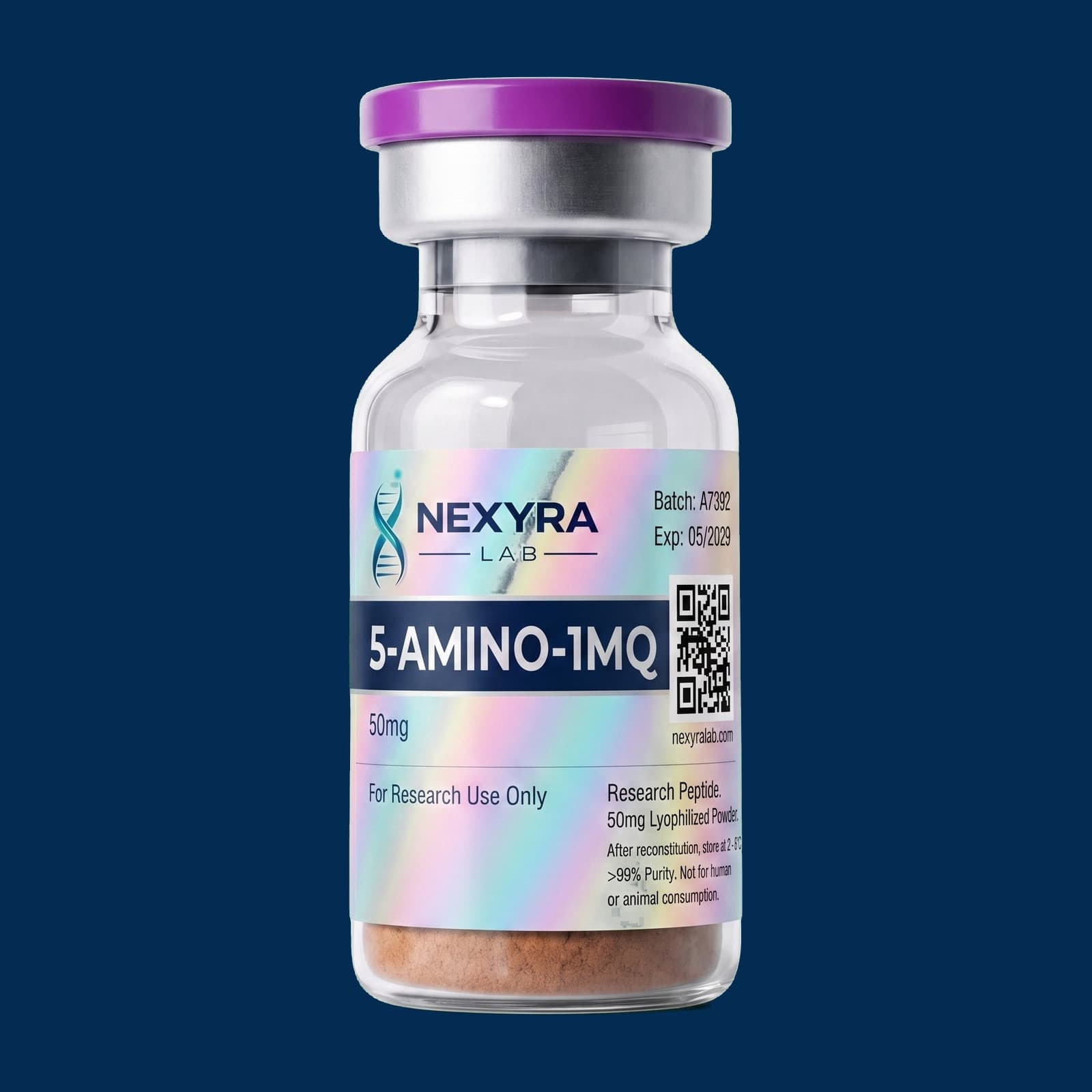
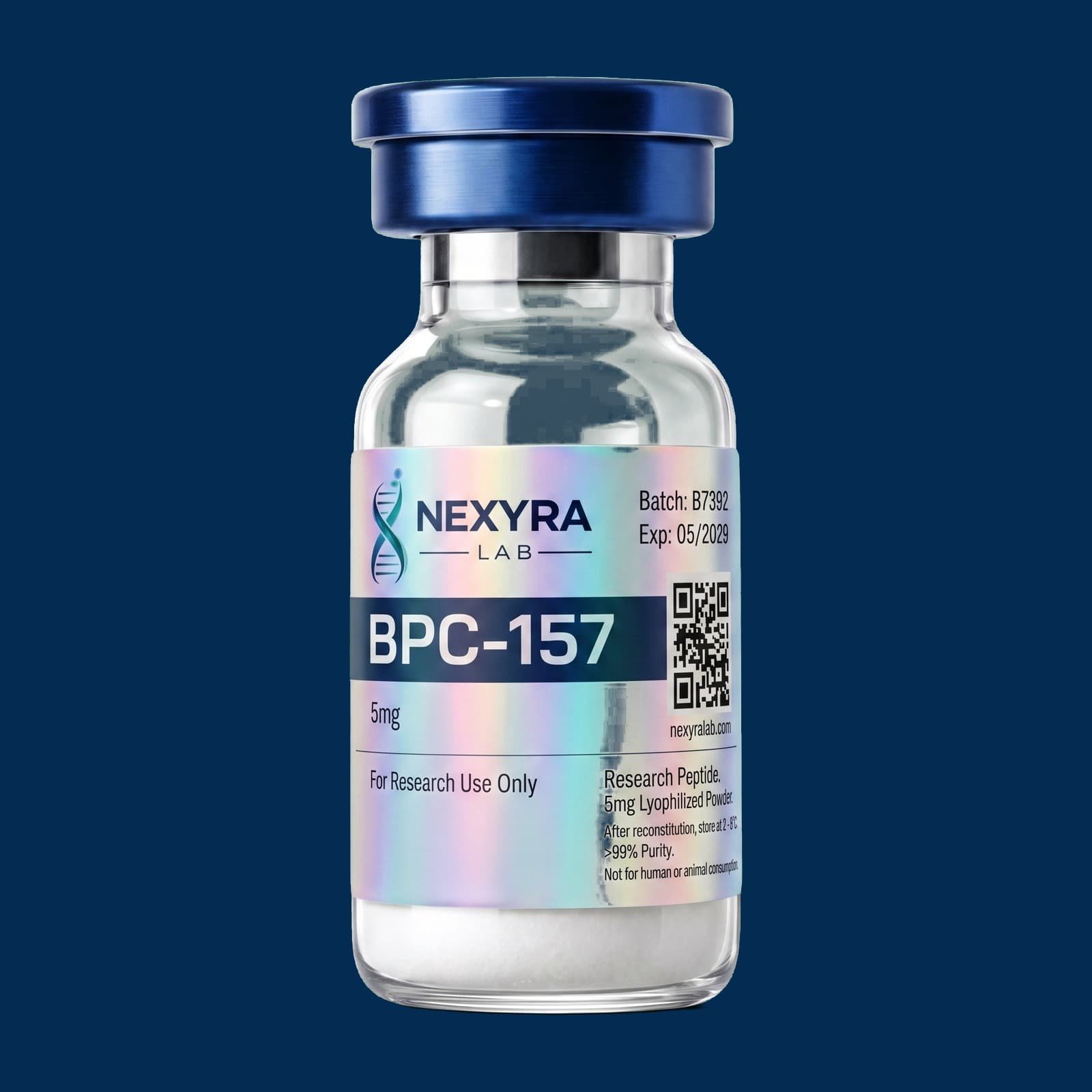
GHK-Cu (Copper Peptide) is also available as part of the Longevity Stack — save 15% on the full stack.
How GHK-Cu (Copper Peptide) Compares
Compare key research properties side by side with similar compounds. Switch compounds in the dropdowns to explore the full catalogue.
Purity and storage specifications are consistent across all Nexyra Lab lyophilised compounds. Pharmacokinetic data (half-life etc.) is not shown as it requires owner-confirmed verified references. For research planning and laboratory use only.
Resources & Support
Documentation, tools, and assistance for your research.
Frequently Asked Questions
Is this product for research use only?
Yes. All Nexyra Lab products are strictly for in vitro research and laboratory use by qualified researchers. They are not approved for human or veterinary use by the FDA, EMA, or any other regulatory authority.
Is a Certificate of Analysis (COA) available?
Yes. A batch-specific COA from our independent third-party testing laboratory is published on our COA page — match your vial's batch number to access HPLC purity data, MS identity confirmation, batch number, and production date.
What does the Certificate of Analysis confirm?
The COA confirms: (1) purity ≥99% by HPLC; (2) molecular identity by mass spectrometry; (3) the batch number for traceability; and (4) the production date. It is produced by an independent laboratory, not by Nexyra Lab itself.
How should lyophilised peptides be stored?
Store lyophilised (freeze-dried) peptides at -20°C in a sealed, dry container away from light and moisture. Avoid repeated freeze-thaw cycles. Once reconstituted, store at 4°C and use within 30 days for most peptides.
How do I reconstitute lyophilised peptides?
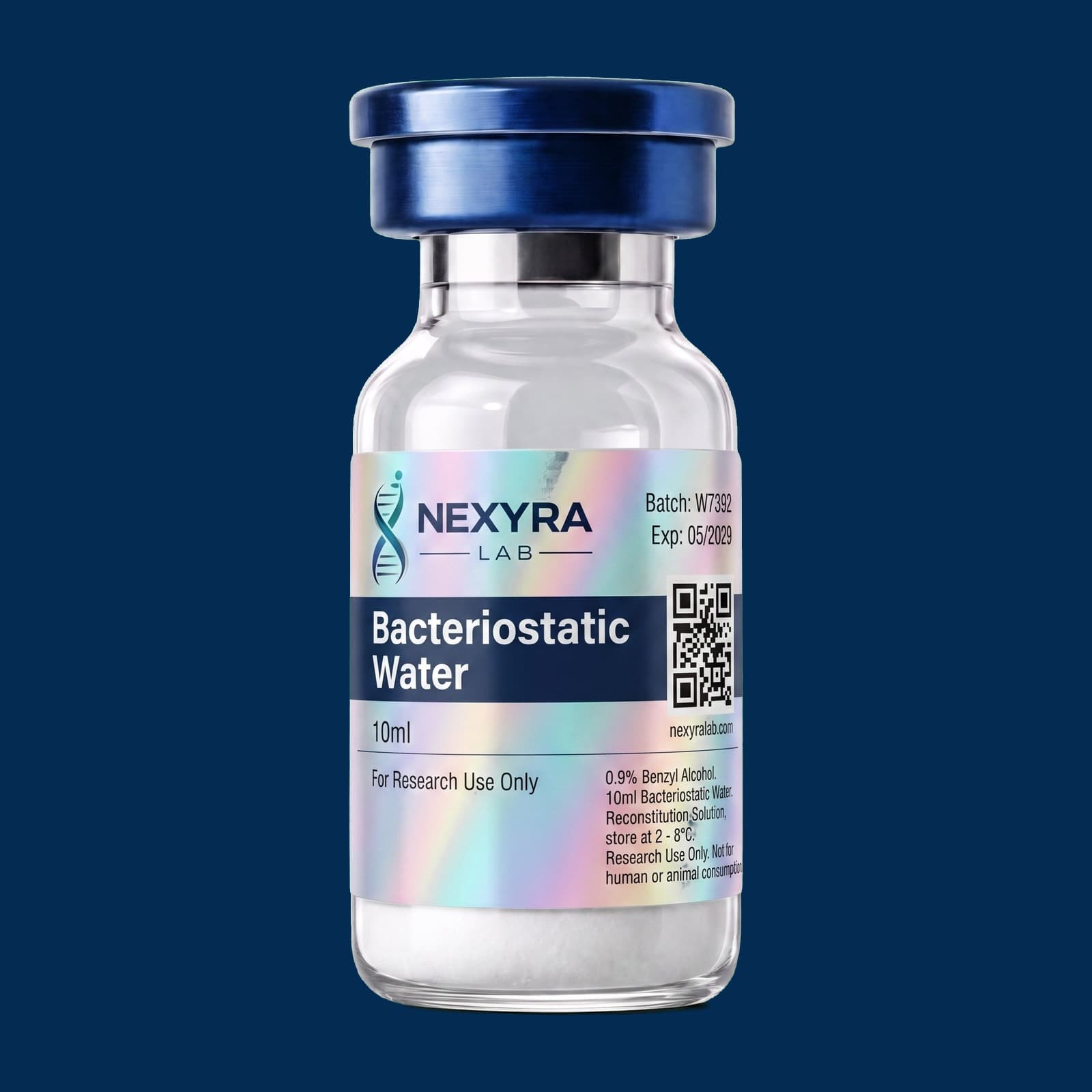
For most peptides, use sterile bacteriostatic water (BAC water) or sterile saline. Add the solvent slowly down the inside of the vial — do not inject directly onto the powder. Gently swirl until dissolved; do not shake. Use our Reconstitution Calculator at /peptide-calculator to determine the exact volume for your target concentration.
What are your dispatch and delivery times?
Orders placed before 3 pm on UK working days are dispatched same day. Standard UK delivery typically arrives within 1–3 working days. All orders are shipped in discreet, plain outer packaging with no reference to the contents.
What is your returns policy?
Due to the nature of research compounds and cold-chain requirements, we are unable to accept returns on opened products. If a product arrives damaged or incorrect, please contact our team within 48 hours of receipt and we will resolve the issue promptly.
What purity standard do your peptides meet?
All Nexyra Lab peptides are independently verified at ≥99% purity by HPLC before dispatch. Mass Spectrometry confirms molecular identity. This applies to every batch — the COA is batch-specific, not a generic certificate.


