


Purity >99% HPLC
RUO — Research use only
Not for human or veterinary use.
Ipamorelin
Research Peptide · 5mg Lyophilised Powder
£15.99
Size
Build a Stack & Save
2 = 5% · 3 = 10% · 4+ = 15%This product included. Tick to bundle & save:
Pay by Bank · Powered by Fena
FCA-regulated open banking — authenticated in your banking app, no card details shared.
For research purposes only. Not for human or veterinary use. All products must be handled by qualified researchers in appropriate laboratory conditions.
Purity You Can Verify
Every batch undergoes High-Performance Liquid Chromatography (HPLC) and Mass Spectrometry (MS) analysis before release. Independent third-party testing confirms purity exceeds 99% for each batch — not as a target, but as a minimum standard. The batch-specific Certificate of Analysis is published on our COA page, where you can match your vial's batch number to its results.
Manufactured with Pharmaceutical-Grade Process Controls
Our UK facility operates under cGMP (current Good Manufacturing Practice) guidelines, applying pharmaceutical-grade process controls to research peptide production. Synthesis, purification, lyophilisation, and final packaging all follow documented SOPs with full batch traceability from raw material to dispatch.
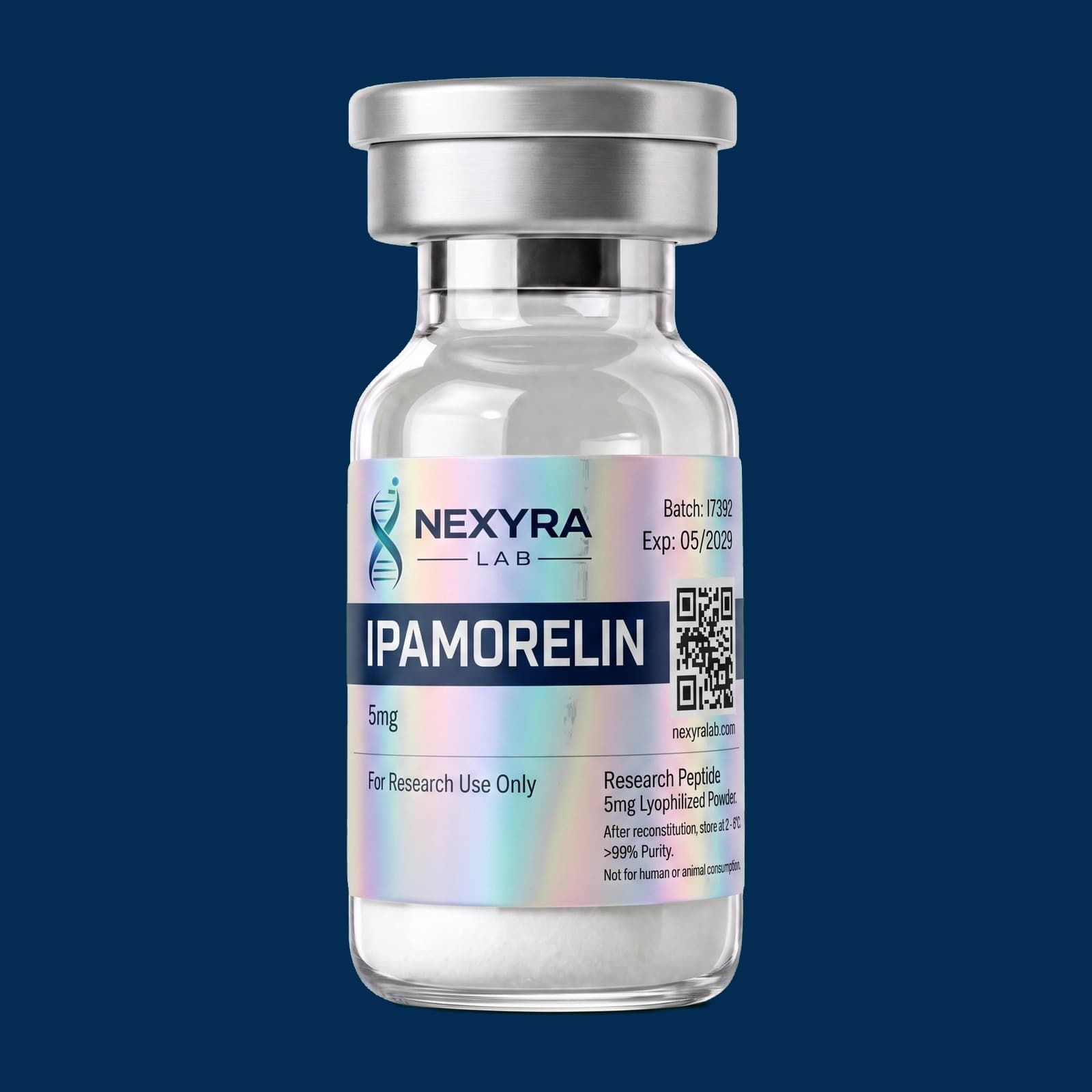
Batch-Specific Documentation
Every vial is labelled with a unique batch number tied to its specific production batch. Match it to the Certificate of Analysis on our COA page for HPLC purity data, MS identity confirmation, and production date — giving researchers full traceability and reproducibility assurance for every experiment.
Stored and Shipped Correctly
Lyophilised peptides are stored at -20°C from the moment of production. Orders are dispatched in temperature-appropriate packaging with discreet, plain outer packaging. Same-day dispatch on orders placed before 3 pm (UK working days).

>99%
Purity verified per batch
18+
Compounds in catalogue
100%
Batch-tested before dispatch
About Ipamorelin
Research-context overview. Not medical advice. All products for research use only.
| Also known as | NNC 26-0161 |
| CAS Number | 170851-70-4 |
| Molecular Formula | C38H49N9O5 |
| Molecular Weight | 711.85 g/mol |
| Purity | >99% HPLC (independently verified) |
| Status | Research Use Only (RUO) · Not for human or veterinary use |
Ipamorelin | Aib-His-D-2-Nal-D-Phe-Lys-NH₂ | Selective GHS-R1a Agonist | Research Peptide
Sequence: Aib-His-D-2-Nal-D-Phe-Lys-NH₂ Classification: Synthetic pentapeptide — selective growth hormone secretagogue receptor 1a (GHS-R1a) agonist / GHRP Molecular Formula: C₃₈H₄₉N₉O₅ Molecular Weight: 711.85 g/mol Key Structural Features: α-aminoisobutyric acid (Aib) at position 1; D-2-naphthylalanine (D-2-Nal) at position 3; D-phenylalanine (D-Phe) at position 4 Purity: >99% (HPLC verified) Form: Lyophilised powder Available Sizes: 5mg | 10mg Storage: –20°C, away from light and moisture CAS Number: 170851-70-4
What Is Ipamorelin?
Ipamorelin is a synthetic pentapeptide growth hormone-releasing peptide (GHRP) and selective agonist of the ghrelin receptor (GHS-R1a), originally developed by Novo Nordisk in Denmark and first characterised in a landmark 1998 paper in the European Journal of Endocrinology by Raun and colleagues. It was derived from GHRP-1 through a systematic chemistry programme that identified active analogues lacking the central Ala-Trp dipeptide of the parent compound, ultimately yielding ipamorelin as the most pharmacologically refined member of its series.
Ipamorelin's significance in the research peptide landscape rests on a single, defining characteristic: it is the first growth hormone-releasing peptide receptor agonist to demonstrate a selectivity for GH release comparable to that of endogenous GHRH itself. All earlier GHRPs — including GHRP-2 and GHRP-6 — stimulated GH release but also produced dose-dependent elevations in ACTH and cortisol through activation of broader stress-response signalling pathways. Ipamorelin does not. In the foundational Novo Nordisk pharmacology studies, ipamorelin failed to elevate ACTH or cortisol at doses more than 200-fold above its ED50 for GH release — a specificity profile that had not previously been achieved with any GHRP receptor agonist and that fundamentally changed the landscape of GH secretagogue research.
Structurally, ipamorelin incorporates three key non-natural amino acid features that underpin its selectivity and metabolic stability. The α-aminoisobutyric acid (Aib) residue at position 1 confers resistance to N-terminal peptidase cleavage. The D-2-naphthylalanine (D-2-Nal) at position 3 — a bulky, non-natural amino acid — provides critical receptor binding contributions and contributes to selectivity. The D-phenylalanine (D-Phe) at position 4 further stabilises the receptor-bound conformation. Together, these modifications produce a compound with substantially lower systemic plasma clearance than GHRP-6 — approximately five-fold lower — and moderate resistance to metabolic degradation, resulting in a more sustained and reproducible GH secretory response.
Ipamorelin stimulates pulsatile GH secretion from anterior pituitary somatotrophs by acting at the ghrelin receptor (GHS-R1a) — a distinct and mechanistically complementary pathway to the GHRH receptor pathway through which CJC-1295 No DAC and tesamorelin operate. This mechanistic distinction is the basis of the well-established synergistic relationship between ipamorelin and GHRH analogues in GH secretion research.
Our ipamorelin is synthesised under rigorous quality-controlled manufacturing conditions, verified to a purity of greater than 99% by HPLC and Mass Spectrometry, and supplied as a lyophilised (freeze-dried) powder for maximum stability.
Research Background & Scientific Interest
Ipamorelin has accumulated a rich and diverse body of preclinical research since its characterisation in 1998, spanning GH secretagogue pharmacology, metabolic biology, bone mineral density, gastrointestinal motility, and body composition research. Its defining selectivity profile has made it the reference compound of choice for ghrelin receptor agonism research where hormonal specificity is a priority experimental requirement.
GHS-R1a Receptor Pharmacology & Selectivity Ipamorelin's receptor pharmacology was comprehensively characterised in the original Novo Nordisk studies. In vitro, ipamorelin released GH from primary rat pituitary cells with a potency and efficacy closely comparable to GHRP-6 — achieving an EC50 of 1.3 ± 0.4 nmol/L and an Emax of 85 ± 5% relative to GHRP-6's 100% reference maximum. In vivo, in conscious swine — a model with GH axis pharmacology closely reflective of human GH secretion — ipamorelin produced an ED50 of 2.3 ± 0.03 nmol/kg and an Emax of 65 ± 0.2 ng GH/mL plasma, comparable to GHRP-6 (ED50 3.9 ± 1.4 nmol/kg, Emax 74 ± 7 ng/mL) but with substantially superior selectivity. Critically, pharmacological profiling using both GHRP receptor antagonists and GHRH antagonists confirmed that ipamorelin stimulates GH release exclusively via the GHRP/ghrelin receptor pathway — the same receptor used by GHRP-2 and GHRP-6 — rather than through the GHRH receptor. This orthogonal mechanism is the mechanistic basis of the synergistic GH release observed when ipamorelin is combined with GHRH analogues such as CJC-1295 No DAC.
Hormonal Selectivity: No ACTH, Cortisol, Prolactin or Gonadotropin Elevation The most scientifically significant finding in the ipamorelin pharmacology literature is its hormonal selectivity profile. In the definitive swine selectivity study, none of the GH secretagogues tested — including ipamorelin, GHRP-6, and GHRP-2 — affected FSH, LH, prolactin, or TSH levels. However, administration of both GHRP-6 and GHRP-2 produced significant elevations in plasma ACTH and cortisol. Ipamorelin produced no significant elevation in ACTH or cortisol at any dose tested — including doses exceeding 200-fold the GH-releasing ED50. This was described by the original authors as "very surprising" and represented a categorically different selectivity profile from all previously characterised GHRP receptor agonists. The practical research implication is substantial: studies using ipamorelin to investigate GH/IGF-1 axis effects are not confounded by concurrent activation of the hypothalamic-pituitary-adrenal (HPA) axis — a major experimental advantage over GHRP-2 and GHRP-6 in any protocol where cortisol or ACTH are outcome variables, or where HPA axis activation would represent an uncontrolled experimental variable.
Pulsatile GH Secretion & IGF-1 Axis Research Like CJC-1295 No DAC, ipamorelin stimulates pulsatile rather than continuous GH secretion. Its half-life of approximately two hours in rodent models — longer than GHRP-6 due to its approximately five-fold lower systemic plasma clearance — produces GH pulses of meaningful duration while preserving the inter-pulse intervals that allow natural somatostatin feedback to operate. Elevated GH secretion drives downstream IGF-1 production, mediated primarily through hepatic GH receptor signalling, and the GH/IGF-1 axis effects of ipamorelin — including anabolic signalling in skeletal muscle, lipolytic activity in adipose tissue, and effects on bone metabolism — have been studied in multiple preclinical models.
Bone Mineral Density Research Ipamorelin has been studied in models of bone metabolism, with preclinical data demonstrating increases in bone mineral content (BMC) in treated female rats as measured by dual-energy X-ray absorptiometry (DXA) in vivo. Comparative studies examining ipamorelin and GHRP-6 both demonstrated BMC increases, consistent with the known role of the GH/IGF-1 axis in bone formation, periosteal expansion, and endochondral ossification. These findings have positioned ipamorelin as a tool of interest in preclinical osteoporosis research and models of GH deficiency-associated bone loss.
Gastrointestinal Motility Research The GHS-R1a receptor is expressed not only in the pituitary and hypothalamus but throughout the gastrointestinal tract — reflecting the physiological role of ghrelin as a gut-derived hormone regulating gastric motility and appetite. Ipamorelin has been studied in preclinical models of gastrointestinal dysfunction, including postoperative ileus (POI) — a clinically important condition characterised by delayed gastric emptying following abdominal surgery. Studies by Greenwood-Van Meerveld and colleagues using rodent POI models demonstrated that ipamorelin produced dose-dependent improvements in gastric emptying and reversal of POI-induced delayed gastrointestinal transit, with effects mediated through GHS-R1a expressed in gastrointestinal smooth muscle and enteric nervous system tissue. These findings have expanded ipamorelin's research relevance into gastrointestinal biology beyond its primary GH secretagogue profile.
Body Composition & Metabolic Research The downstream metabolic effects of ipamorelin-stimulated GH/IGF-1 axis activation — including GH-mediated lipolysis in adipose tissue, IGF-1-mediated skeletal muscle protein synthesis, and nitrogen retention — have made ipamorelin a useful tool in preclinical body composition research. Studies have examined ipamorelin in models of lean mass accretion, visceral fat reduction, and metabolic syndrome, with findings consistent with the broader GH/IGF-1 axis literature. Its hormonal selectivity — specifically the absence of cortisol elevation — is a meaningful research advantage in these models, as elevated cortisol has well-documented catabolic effects on muscle tissue that would otherwise confound body composition outcomes.
Combination Research: Ipamorelin + CJC-1295 No DAC (GHRH + GHRP Synergy) One of the most important and widely replicated findings in GH secretagogue research is the synergistic relationship between GHRH-axis peptides and GHRP-class peptides in stimulating GH release. When a GHRH analogue (such as CJC-1295 No DAC) and a GHRP (such as ipamorelin) are administered together, the combined GH release substantially exceeds the sum of the individual responses — a finding consistent with the well-established physiological synergism between the hypothalamic GHRH and ghrelin systems. This occurs because the two compounds act through distinct and mechanistically independent receptors (GHRH-R and GHS-R1a respectively), and their downstream signalling cascades converge synergistically at the level of pituitary somatotroph GH secretion. This combination paradigm — CJC-1295 No DAC paired with ipamorelin — has become one of the most commonly used experimental protocols in preclinical GH-axis research, and both compounds are available in our catalogue to support this research design.
Ipamorelin vs. GHRP-2 and GHRP-6: Selectivity Comparison
| Parameter | Ipamorelin | GHRP-6 | GHRP-2 |
|---|---|---|---|
| GH release potency (swine) | ED50 ~2.3 nmol/kg | ED50 ~3.9 nmol/kg | ED50 ~0.6 nmol/kg |
| GH release efficacy (swine) | Emax ~65 ng/mL | Emax ~74 ng/mL | Emax ~56 ng/mL |
| ACTH/cortisol elevation | None (even at 200× ED50) | Significant | Significant |
| Prolactin/gonadotropin effects | None | None | None |
| Plasma clearance vs GHRP-6 | ~5× lower | Reference | Lower than GHRP-6 |
| Appetite / gastric effects | Mild (GHS-R1a mediated) | Significant | Moderate |
This table illustrates why ipamorelin has become the preferred GHRP for researchers where hormonal specificity and clean pharmacology are experimental priorities — delivering comparable GH release potency to GHRP-6 while eliminating the ACTH and cortisol confounders that complicate interpretation of results with the older compounds.
Product Specifications
| Specification | Detail |
|---|---|
| Peptide | Ipamorelin |
| Sequence | Aib-His-D-2-Nal-D-Phe-Lys-NH₂ |
| Classification | Selective GHS-R1a agonist / GHRP |
| Molecular Formula | C₃₈H₄₉N₉O₅ |
| Molecular Weight | 711.85 g/mol |
| Purity | >99% (HPLC & MS verified) |
| Form | Lyophilised powder |
| Vial Sizes | 5mg, 10mg |
| Appearance | White to off-white powder |
| Solubility | Soluble in sterile bacteriostatic water or PBS |
| Storage | –20°C, keep away from light |
| Shelf Life | 24 months when stored correctly (lyophilised) |
| CAS Number | 170851-70-4 |
Quality & Purity Assurance
Every batch of our ipamorelin undergoes a comprehensive multi-stage quality control process before release. Our assurance pipeline includes:
- HPLC Analysis — confirms peptide purity exceeding 99%
- Mass Spectrometry (MS) — verifies molecular identity, non-natural amino acid incorporation (Aib, D-2-Nal, D-Phe), and full pentapeptide sequence accuracy
- Endotoxin Testing — ensures the product is free from bacterial endotoxins
- Certificate of Analysis (CoA) — available for every batch upon request
The three non-natural amino acids in ipamorelin — Aib, D-2-Nal, and D-Phe — are analytically critical features that distinguish it from related GHRPs. Our MS verification process explicitly confirms their incorporation to ensure the correct compound is delivered with research-grade accuracy and batch-to-batch consistency.
Handling & Reconstitution (Research Use)
Ipamorelin lyophilised powder should be reconstituted using sterile bacteriostatic water. Inject slowly against the side of the vial and swirl gently — do not vortex. Once reconstituted, aliquot and store at 2–8°C. Use within 28–30 days of reconstitution. The compound exhibits moderate resistance to metabolic degradation in solution, but repeated freeze-thaw cycles should nonetheless be avoided to maintain research-grade integrity.
All handling should comply with standard laboratory safety protocols and applicable institutional or regulatory guidelines.
Ipamorelin Within the Research Peptide Catalogue
Ipamorelin occupies the ghrelin receptor agonist / GHRP position within our GH-axis research toolkit — mechanistically complementary to, and synergistic with, the GHRH-axis compounds CJC-1295 No DAC and tesamorelin, and distinct from the direct GH replacement approach of rhGH.
Within the broader catalogue, ipamorelin's GHS-R1a-mediated GH/IGF-1 axis activity is mechanistically distinct from the tissue-repair focus of BPC-157 and TB-500, the genomic and matrix biology of GHK-Cu, the mitochondrial metabolic signalling of MOTS-c, the systemic triple hormonal agonism of retatrutide, the intracellular NAD+ axis of 5-Amino-1MQ, and the neuropeptide biology of Selank. Our full GH axis research toolkit now comprises three distinct mechanistic entry points: ghrelin receptor agonism (ipamorelin), GHRH receptor agonism (CJC-1295 No DAC, tesamorelin), and direct GH replacement (rhGH) — providing researchers with the tools to study GH biology from upstream secretagogue stimulation through to receptor-level replacement.
All peptides are manufactured to the same >99% purity standard and supported by batch-specific Certificates of Analysis.
Important Notice
This product is intended strictly for in vitro research and laboratory use only. Ipamorelin is not approved for human or veterinary use by the FDA, EMA, or any other regulatory authority. It is not a drug, supplement, or food product. This product must not be administered to humans or animals. By purchasing this product, the buyer confirms they are a qualified researcher and will use the compound solely for lawful scientific research purposes.
Technical datasheet
Identity
| Class | Selective GHS-R1a agonist / GHRP |
| Molecular Formula | C38H49N9O5 |
| Molecular Weight | 711.85 g/mol |
| CAS Number | 170851-70-4 |
| Sequence | Aib-His-D-2-Nal-D-Phe-Lys-NH₂ |
Physicochemical
| Form | Lyophilised powder |
| Purity | >99% (HPLC & MS verified) |
| Vial Sizes | 5mg, 10mg |
| Appearance | White to off-white powder |
| Solubility | Soluble in sterile bacteriostatic water or PBS |
Handling & storage
| Storage | –20°C, keep away from light |
| Shelf Life | 24 months when stored correctly (lyophilised) |
Compliance
| Intended use | Research use only — not for human or veterinary use |
| Documentation | Batch-specific Certificate of Analysis with every order |
| Country of manufacture | United Kingdom |
| Quality standard | >99% purity, HPLC-verified, cGMP-compliant |
What's Included
Research-grade vial
Lyophilised powder, sealed under inert gas
Certificate of Analysis
Batch-specific HPLC & MS verification
Tamper-evident seal
Intact seal confirms product integrity
Discreet packaging
Plain, unbranded outer packaging
COA & Testing
Every batch of Ipamorelin is independently analysed by HPLC and Mass Spectrometry before dispatch. The Certificate of Analysis confirms purity, verifies molecular identity, and carries a unique batch number for full traceability.
Customer Reviews
No reviews yet
Be the first to review this product. Post-purchase review invitations are sent automatically.
Frequently Researched Together
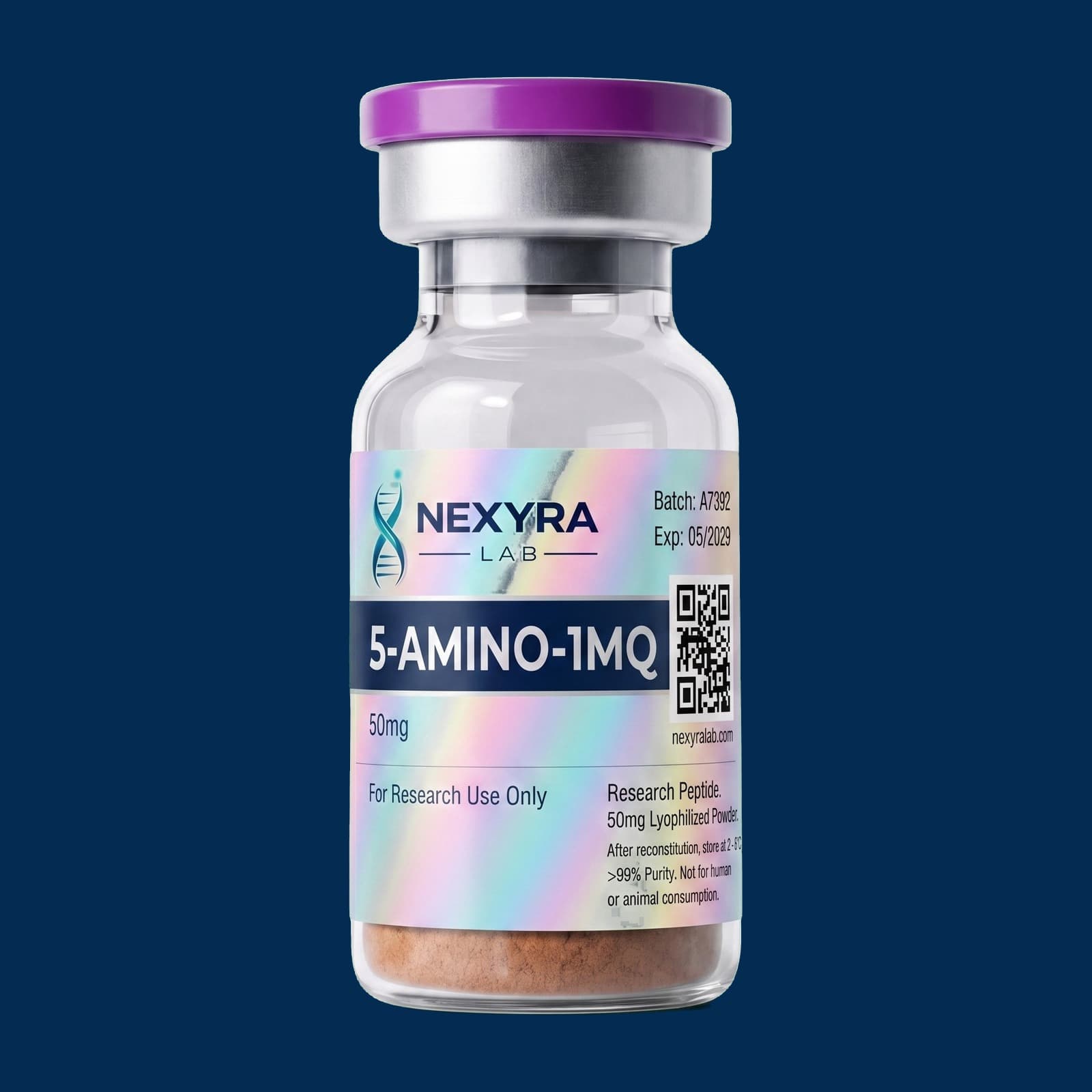
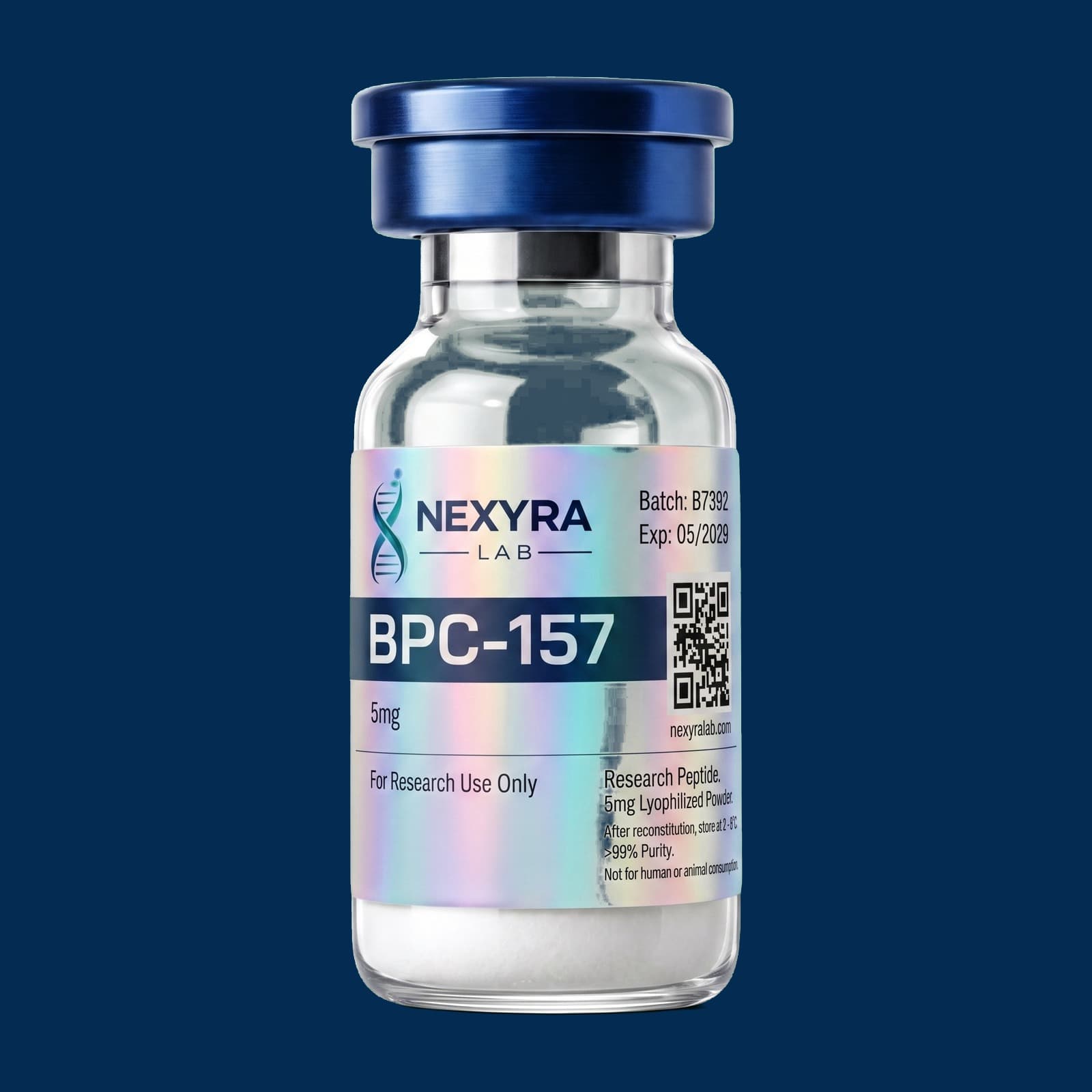
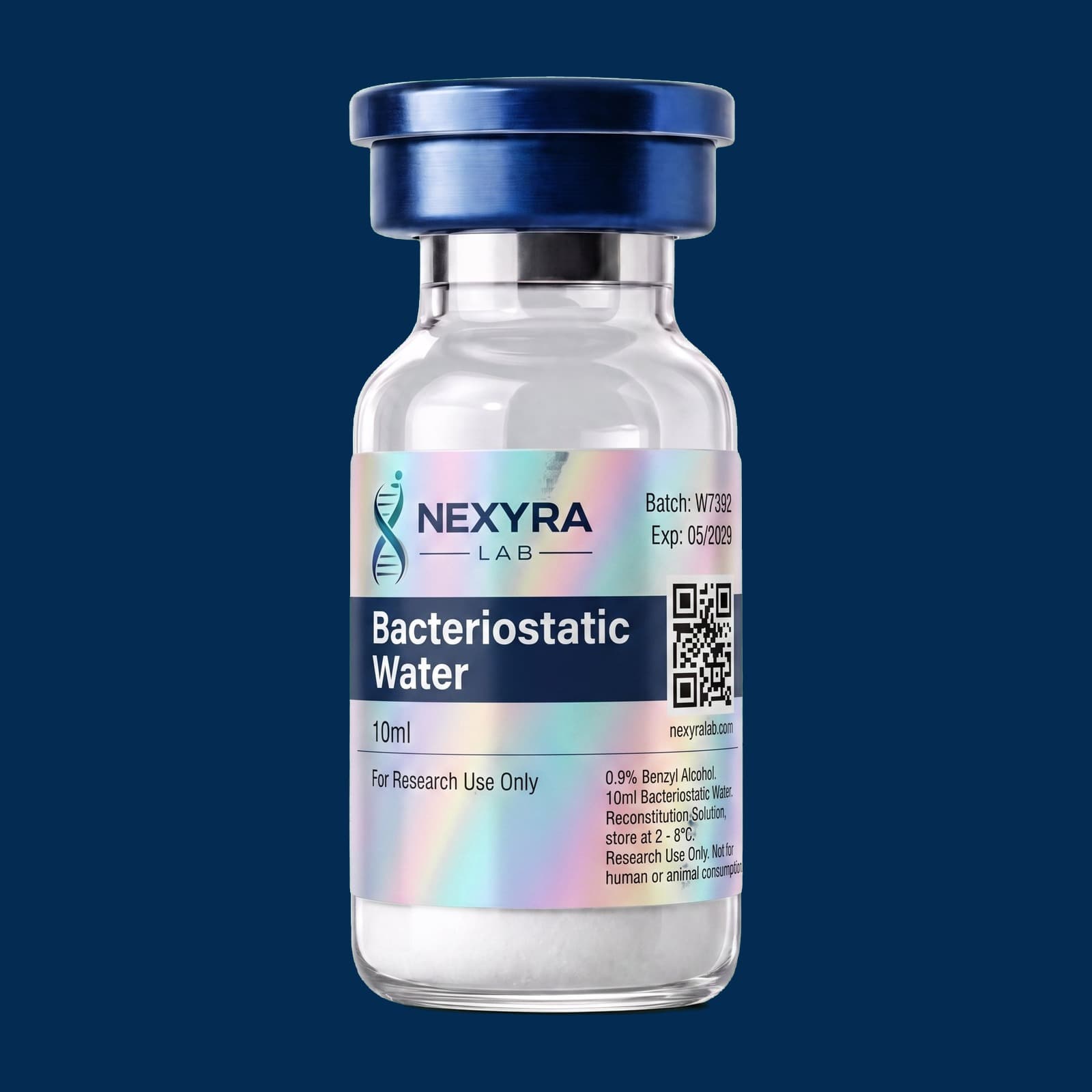
Ipamorelin is also available as part of the Growth Hormone Stack — save 15% on the full stack.
How Ipamorelin Compares
Compare key research properties side by side with similar compounds. Switch compounds in the dropdowns to explore the full catalogue.
Purity and storage specifications are consistent across all Nexyra Lab lyophilised compounds. Pharmacokinetic data (half-life etc.) is not shown as it requires owner-confirmed verified references. For research planning and laboratory use only.
Resources & Support
Documentation, tools, and assistance for your research.
Frequently Asked Questions
Is this product for research use only?
Yes. All Nexyra Lab products are strictly for in vitro research and laboratory use by qualified researchers. They are not approved for human or veterinary use by the FDA, EMA, or any other regulatory authority.
Is a Certificate of Analysis (COA) available?
Yes. A batch-specific COA from our independent third-party testing laboratory is published on our COA page — match your vial's batch number to access HPLC purity data, MS identity confirmation, batch number, and production date.
What does the Certificate of Analysis confirm?
The COA confirms: (1) purity ≥99% by HPLC; (2) molecular identity by mass spectrometry; (3) the batch number for traceability; and (4) the production date. It is produced by an independent laboratory, not by Nexyra Lab itself.
How should lyophilised peptides be stored?
Store lyophilised (freeze-dried) peptides at -20°C in a sealed, dry container away from light and moisture. Avoid repeated freeze-thaw cycles. Once reconstituted, store at 4°C and use within 30 days for most peptides.
How do I reconstitute lyophilised peptides?
For most peptides, use sterile bacteriostatic water (BAC water) or sterile saline. Add the solvent slowly down the inside of the vial — do not inject directly onto the powder. Gently swirl until dissolved; do not shake. Use our Reconstitution Calculator at /peptide-calculator to determine the exact volume for your target concentration.
What are your dispatch and delivery times?
Orders placed before 3 pm on UK working days are dispatched same day. Standard UK delivery typically arrives within 1–3 working days. All orders are shipped in discreet, plain outer packaging with no reference to the contents.
What is your returns policy?
Due to the nature of research compounds and cold-chain requirements, we are unable to accept returns on opened products. If a product arrives damaged or incorrect, please contact our team within 48 hours of receipt and we will resolve the issue promptly.
What purity standard do your peptides meet?
All Nexyra Lab peptides are independently verified at ≥99% purity by HPLC before dispatch. Mass Spectrometry confirms molecular identity. This applies to every batch — the COA is batch-specific, not a generic certificate.


