


Purity >99% HPLC
RUO — Research use only
Not for human or veterinary use.
Mots-c
Research Peptide · 10mg Lyophilised Powder
£28.99
Size
Build a Stack & Save
2 = 5% · 3 = 10% · 4+ = 15%This product included. Tick to bundle & save:
Pay by Bank · Powered by Fena
FCA-regulated open banking — authenticated in your banking app, no card details shared.
For research purposes only. Not for human or veterinary use. All products must be handled by qualified researchers in appropriate laboratory conditions.
Purity You Can Verify
Every batch undergoes High-Performance Liquid Chromatography (HPLC) and Mass Spectrometry (MS) analysis before release. Independent third-party testing confirms purity exceeds 99% for each batch — not as a target, but as a minimum standard. The batch-specific Certificate of Analysis is published on our COA page, where you can match your vial's batch number to its results.
Manufactured with Pharmaceutical-Grade Process Controls
Our UK facility operates under cGMP (current Good Manufacturing Practice) guidelines, applying pharmaceutical-grade process controls to research peptide production. Synthesis, purification, lyophilisation, and final packaging all follow documented SOPs with full batch traceability from raw material to dispatch.
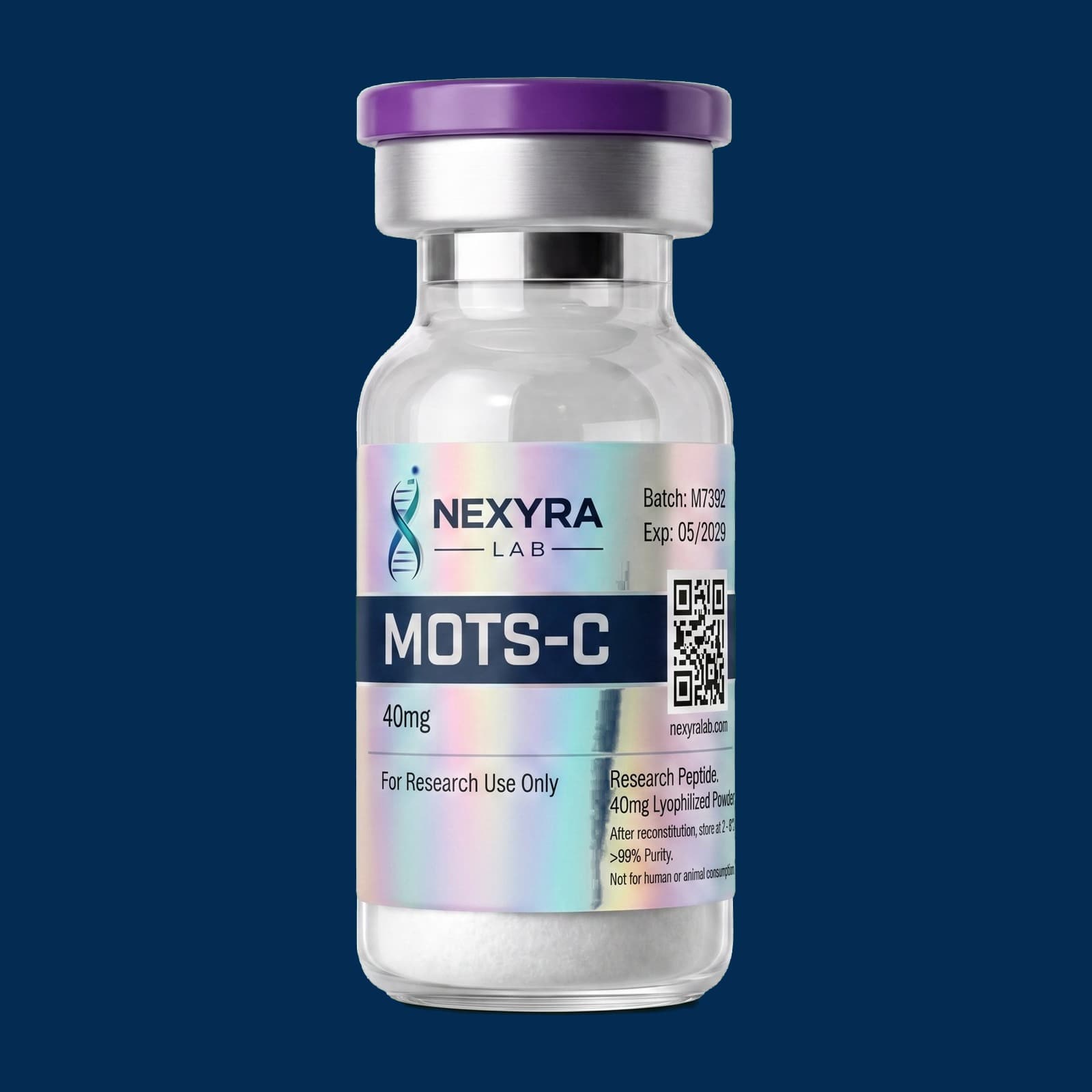
Batch-Specific Documentation
Every vial is labelled with a unique batch number tied to its specific production batch. Match it to the Certificate of Analysis on our COA page for HPLC purity data, MS identity confirmation, and production date — giving researchers full traceability and reproducibility assurance for every experiment.
Stored and Shipped Correctly
Lyophilised peptides are stored at -20°C from the moment of production. Orders are dispatched in temperature-appropriate packaging with discreet, plain outer packaging. Same-day dispatch on orders placed before 3 pm (UK working days).

>99%
Purity verified per batch
18+
Compounds in catalogue
100%
Batch-tested before dispatch
About Mots-c
Research-context overview. Not medical advice. All products for research use only.
| Also known as | Mitochondrial-derived peptide |
| CAS Number | 1627580-64-6 |
| Molecular Formula | C101H152N28O22S2 |
| Molecular Weight | 2174.6 g/mol |
| Purity | >99% HPLC (independently verified) |
| Status | Research Use Only (RUO) · Not for human or veterinary use |
MOTS-c | Mitochondrial Open Reading Frame of the 12S rRNA-c | Research Peptide
Sequence: Tyr-Gln-Ala-Val-Thr-Pro-Gly-Gly-Leu-Leu-Leu-Gly-Ala-Pro-Pro-Ile-Pro-Tyr-Arg-Ile-Pro-Ile-Pro-Gly-Ser-Ser-Val-Tyr Molecular Formula: C₁₀₁H₁₅₂N₂₈O₂₂S₂ Molecular Weight: 2174.6 g/mol Purity: >99% (HPLC verified) Form: Lyophilised powder Available Sizes: 10mg | 40mg Storage: –20°C, away from light and moisture CAS Number: 1627580-64-6
What Is MOTS-c?
MOTS-c (Mitochondrial Open Reading Frame of the 12S rRNA-c) is a 16-amino-acid peptide encoded not by the nuclear genome, but by the mitochondrial genome — specifically within the 12S ribosomal RNA gene. It was first identified and characterised by researchers at the University of Southern California in 2015, making it one of the most recently discovered members of a new class of signalling molecules known as mitochondrial-derived peptides (MDPs).
The discovery of MOTS-c fundamentally expanded scientific understanding of mitochondrial biology. Previously regarded primarily as the cell's energy-producing organelles, mitochondria are now understood to function as active endocrine-like signalling centres — capable of producing bioactive peptides that communicate with the nucleus, peripheral tissues, and systemic metabolic systems. MOTS-c is the most extensively studied of these mitochondrial peptides and has rapidly become a subject of considerable scientific interest.
Like GHK-Cu, circulating MOTS-c levels in humans appear to decline with age, and this pattern has made it a compelling target for researchers studying metabolic ageing, insulin sensitivity, and cellular stress response. Circulating MOTS-c has also been shown to vary with exercise intensity in human subjects — a finding that has accelerated research interest across exercise science and metabolic biology.
Our MOTS-c is synthesised under rigorous quality-controlled manufacturing conditions, achieving a verified purity of greater than 99% as confirmed by High-Performance Liquid Chromatography (HPLC) and Mass Spectrometry (MS). It is supplied as a lyophilised (freeze-dried) powder to ensure maximum stability throughout storage and shipping.
Research Background & Scientific Interest
Since its discovery in 2015, MOTS-c has been the subject of an expanding body of peer-reviewed preclinical literature. Research spans metabolic science, exercise physiology, ageing biology, immunology, and cardiovascular science. Its unique mitochondrial origin and its apparent role as a systemic metabolic regulator distinguish it from all other peptides in this catalogue.
Mitochondrial Origin & Retrograde Signalling MOTS-c is translated within the mitochondria from a short open reading frame embedded in the 12S rRNA gene — a region long considered non-coding. Upon synthesis, MOTS-c is exported into the cytoplasm and, under conditions of cellular stress, translocates to the nucleus where it modulates gene expression. This mitochondria-to-nucleus retrograde signalling pathway is a defining feature of MOTS-c biology and a key reason it has attracted substantial mechanistic research interest. It represents a fundamentally new axis of intracellular communication.
Insulin Sensitivity & Glucose Metabolism The most extensively studied aspect of MOTS-c activity involves glucose metabolism and insulin signalling. Preclinical research in rodent models has demonstrated that MOTS-c administration improves insulin sensitivity and reduces fasting blood glucose in diet-induced obesity models. Studies have identified AMPK (AMP-activated protein kinase) activation as a central mechanism — MOTS-c appears to promote AMPK phosphorylation, thereby enhancing glucose uptake and fatty acid oxidation in skeletal muscle. This positions MOTS-c among the most mechanistically interesting peptides in metabolic research.
Exercise Mimicry & Skeletal Muscle Research One of the most striking findings in MOTS-c research is its apparent relationship with physical exercise. Studies have shown that circulating MOTS-c levels rise in response to aerobic exercise in both animal models and human subjects. Furthermore, exogenous MOTS-c administration in sedentary rodent models has produced metabolic adaptations partially overlapping with those induced by exercise — including increased mitochondrial biogenesis markers, improved fat oxidation, and enhanced skeletal muscle glucose utilisation. This has led researchers to describe MOTS-c as a candidate "exercise mimetic" peptide, making it a subject of significant interest in metabolic and sports science research.
Age-Related Decline & Longevity Research Circulating MOTS-c concentrations decline measurably with age in both animal and human studies, and this age-associated reduction correlates with metabolic deterioration. Conversely, centenarian populations have been observed to maintain relatively higher MOTS-c plasma levels compared to age-matched controls — a finding that has generated substantial interest in longevity research. Preclinical studies in aged mouse models have demonstrated that MOTS-c supplementation can partially restore metabolic function and physical performance, reinforcing its candidacy as a target in ageing biology research.
Inflammatory Response & Immune Modulation More recent research has begun to examine MOTS-c's role in immune and inflammatory regulation. Preclinical studies have observed that MOTS-c modulates macrophage activity and attenuates inflammatory cytokine expression — including IL-6 and TNF-α — in models of systemic inflammation. Its role in regulating the innate immune response to metabolic stress is an active and rapidly evolving area of investigation.
Cardiovascular Research Emerging preclinical evidence suggests MOTS-c may exert cardioprotective effects. Studies in cardiac ischaemia-reperfusion models have observed reduced cardiomyocyte apoptosis and improved mitochondrial function following MOTS-c treatment. Researchers have also noted associations between MOTS-c levels and cardiovascular risk markers in human observational studies, though the mechanistic basis of these associations continues to be investigated.
Bone & Musculoskeletal Research A growing body of literature has examined MOTS-c in the context of bone metabolism. Preclinical studies in ovariectomised rodent models — a standard model for postmenopausal bone loss — have observed that MOTS-c administration attenuates bone density reduction and modulates osteoblast-osteoclast balance. This has expanded MOTS-c research interest into osteoporosis biology and skeletal homeostasis.
Product Specifications
| Specification | Detail |
|---|---|
| Peptide | MOTS-c (Mitochondrial Open Reading Frame of the 12S rRNA-c) |
| Sequence | Tyr-Gln-Ala-Val-Thr-Pro-Gly-Gly-Leu-Leu-Leu-Gly-Ala-Pro-Pro-Ile-Pro-Tyr-Arg-Ile-Pro-Ile-Pro-Gly-Ser-Ser-Val-Tyr |
| Purity | >99% (HPLC & MS verified) |
| Form | Lyophilised powder |
| Vial Sizes | 5mg, 10mg |
| Appearance | White to off-white powder |
| Solubility | Soluble in sterile water or PBS |
| Storage | –20°C, keep away from light |
| Shelf Life | 24 months when stored correctly (lyophilised) |
| CAS Number | 1627580-64-6 |
Quality & Purity Assurance
Every batch of our MOTS-c is subject to a comprehensive, multi-stage quality control process prior to release. Our assurance pipeline includes:
- HPLC Analysis — confirms peptide purity exceeding 99%
- Mass Spectrometry (MS) — verifies molecular identity, sequence integrity, and molecular weight
- Endotoxin Testing — ensures the product is free from bacterial endotoxins
- Certificate of Analysis (CoA) — available for every batch upon request
We maintain complete batch traceability across synthesis, purification, and testing — providing the consistency researchers require for reproducible experimental results.
Handling & Reconstitution (Research Use)
MOTS-c lyophilised powder should be reconstituted using sterile bacteriostatic water or phosphate-buffered saline (PBS). Gently swirl the vial to dissolve — avoid vortexing, which can disrupt peptide structure. Once reconstituted, aliquot immediately into single-use volumes and store at –20°C. Repeated freeze-thaw cycles should be strictly avoided to preserve peptide integrity and biological activity in experimental settings.
All handling should be conducted in compliance with standard laboratory safety protocols and applicable institutional or regulatory requirements.
MOTS-c Within a Research Peptide Panel
MOTS-c occupies a distinct and complementary position within a research peptide panel. While BPC-157 and TB-500 are primarily studied for their roles in tissue repair and wound healing, and GHK-Cu for its influence on gene expression and extracellular matrix remodelling, MOTS-c targets a fundamentally different biological axis — mitochondrial function, systemic metabolism, and cellular energy regulation. Together, these four peptides represent a broad and mechanistically diverse research toolkit, covering tissue repair, inflammation, genomic modulation, and metabolic biology.
All peptides in our catalogue are manufactured to the same >99% purity standard and are supported by batch-specific Certificates of Analysis.
Important Notice
This product is intended strictly for in vitro research and laboratory use only. MOTS-c is not approved for human or veterinary use by the FDA, EMA, or any other regulatory authority. It is not a drug, supplement, or food product. This product must not be administered to humans or animals. By purchasing this product, the buyer confirms they are a qualified researcher and will use the compound solely for lawful scientific research purposes.
Technical datasheet
Identity
| Molecular Formula | C101H152N28O22S2 |
| Molecular Weight | 2174.6 g/mol |
| CAS Number | 1627580-64-6 |
| Sequence | Met-Arg-Trp-Gln-Glu-Met-Gly-Tyr-Ile-Phe-Tyr-Pro-Arg-Lys-Leu-Arg |
Physicochemical
| Form | Lyophilised powder |
| Purity | >99% (HPLC & MS verified) |
| Vial Sizes | 5mg, 10mg |
| Appearance | White to off-white powder |
| Solubility | Soluble in sterile water or PBS |
Handling & storage
| Storage | –20°C, keep away from light |
| Shelf Life | 24 months when stored correctly (lyophilised) |
Compliance
| Intended use | Research use only — not for human or veterinary use |
| Documentation | Batch-specific Certificate of Analysis with every order |
| Country of manufacture | United Kingdom |
| Quality standard | >99% purity, HPLC-verified, cGMP-compliant |
What's Included
Research-grade vial
Lyophilised powder, sealed under inert gas
Certificate of Analysis
Batch-specific HPLC & MS verification
Tamper-evident seal
Intact seal confirms product integrity
Discreet packaging
Plain, unbranded outer packaging
COA & Testing
Every batch of Mots-c is independently analysed by HPLC and Mass Spectrometry before dispatch. The Certificate of Analysis confirms purity, verifies molecular identity, and carries a unique batch number for full traceability.
Customer Reviews
No reviews yet
Be the first to review this product. Post-purchase review invitations are sent automatically.
Frequently Researched Together
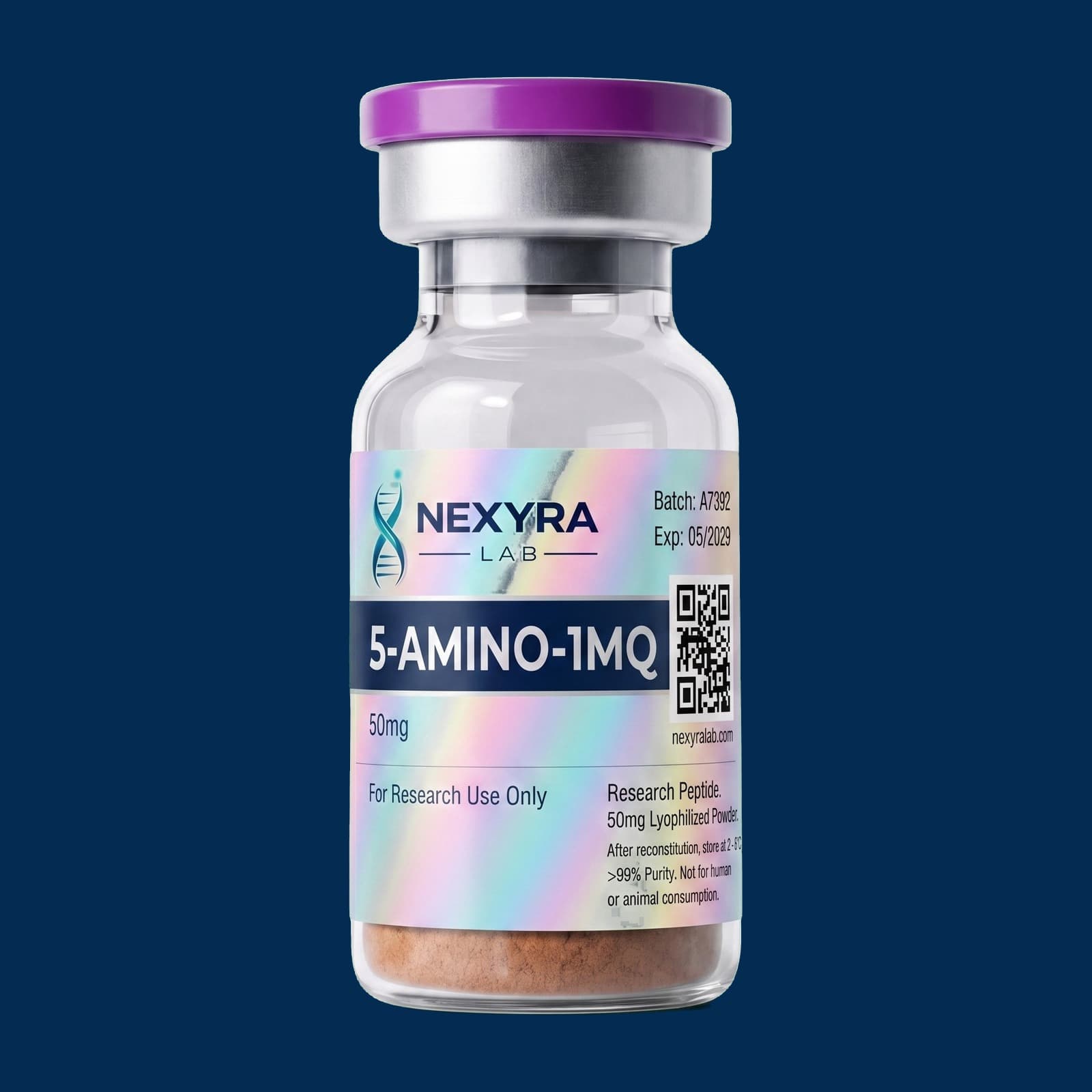
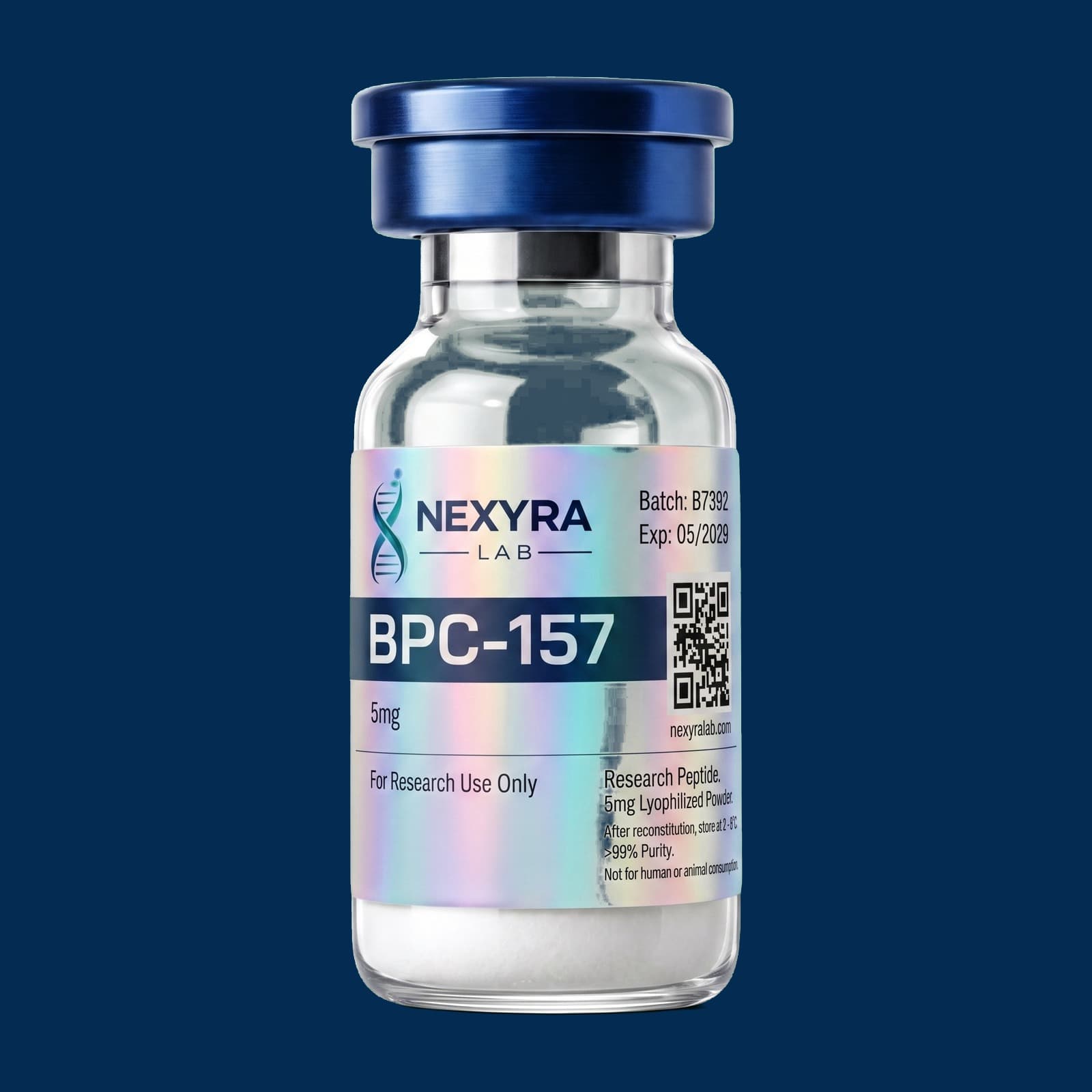
Mots-c is also available as part of the Longevity Stack — save 15% on the full stack.
How Mots-c Compares
Compare key research properties side by side with similar compounds. Switch compounds in the dropdowns to explore the full catalogue.
Purity and storage specifications are consistent across all Nexyra Lab lyophilised compounds. Pharmacokinetic data (half-life etc.) is not shown as it requires owner-confirmed verified references. For research planning and laboratory use only.
Resources & Support
Documentation, tools, and assistance for your research.
Frequently Asked Questions
Is this product for research use only?
Yes. All Nexyra Lab products are strictly for in vitro research and laboratory use by qualified researchers. They are not approved for human or veterinary use by the FDA, EMA, or any other regulatory authority.
Is a Certificate of Analysis (COA) available?
Yes. A batch-specific COA from our independent third-party testing laboratory is published on our COA page — match your vial's batch number to access HPLC purity data, MS identity confirmation, batch number, and production date.
What does the Certificate of Analysis confirm?
The COA confirms: (1) purity ≥99% by HPLC; (2) molecular identity by mass spectrometry; (3) the batch number for traceability; and (4) the production date. It is produced by an independent laboratory, not by Nexyra Lab itself.
How should lyophilised peptides be stored?
Store lyophilised (freeze-dried) peptides at -20°C in a sealed, dry container away from light and moisture. Avoid repeated freeze-thaw cycles. Once reconstituted, store at 4°C and use within 30 days for most peptides.
How do I reconstitute lyophilised peptides?
For most peptides, use sterile bacteriostatic water (BAC water) or sterile saline. Add the solvent slowly down the inside of the vial — do not inject directly onto the powder. Gently swirl until dissolved; do not shake. Use our Reconstitution Calculator at /peptide-calculator to determine the exact volume for your target concentration.
What are your dispatch and delivery times?
Orders placed before 3 pm on UK working days are dispatched same day. Standard UK delivery typically arrives within 1–3 working days. All orders are shipped in discreet, plain outer packaging with no reference to the contents.
What is your returns policy?
Due to the nature of research compounds and cold-chain requirements, we are unable to accept returns on opened products. If a product arrives damaged or incorrect, please contact our team within 48 hours of receipt and we will resolve the issue promptly.
What purity standard do your peptides meet?
All Nexyra Lab peptides are independently verified at ≥99% purity by HPLC before dispatch. Mass Spectrometry confirms molecular identity. This applies to every batch — the COA is batch-specific, not a generic certificate.


