


Purity >99% HPLC
RUO — Research use only
Not for human or veterinary use.
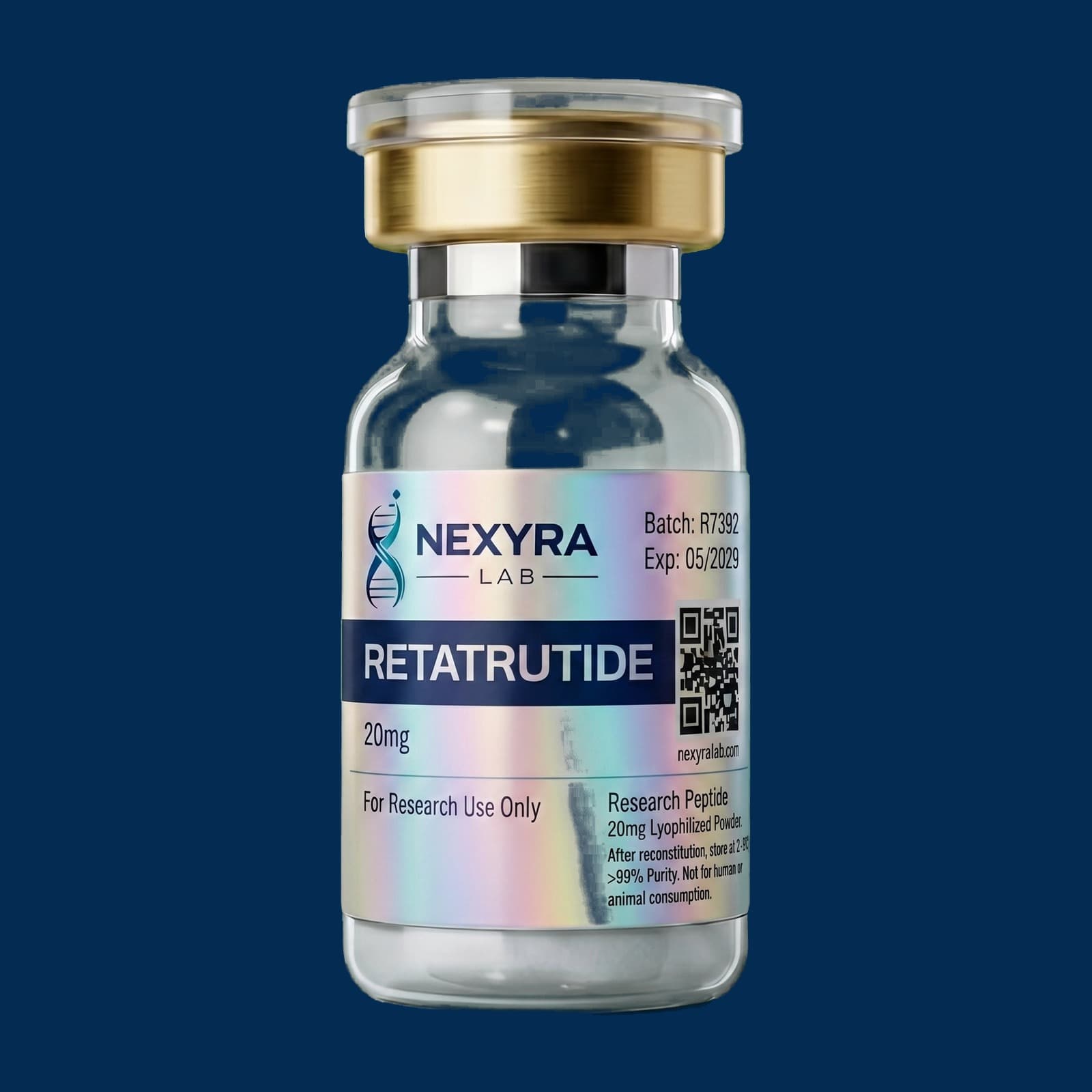
Retatrutide
Research Peptide · 20mg Lyophilised Powder
£97.99
Size
Build a Stack & Save
2 = 5% · 3 = 10% · 4+ = 15%This product included. Tick to bundle & save:
Pay by Bank · Powered by Fena
FCA-regulated open banking — authenticated in your banking app, no card details shared.
For research purposes only. Not for human or veterinary use. All products must be handled by qualified researchers in appropriate laboratory conditions.
Purity You Can Verify
Every batch undergoes High-Performance Liquid Chromatography (HPLC) and Mass Spectrometry (MS) analysis before release. Independent third-party testing confirms purity exceeds 99% for each batch — not as a target, but as a minimum standard. The batch-specific Certificate of Analysis is published on our COA page, where you can match your vial's batch number to its results.
Manufactured with Pharmaceutical-Grade Process Controls
Our UK facility operates under cGMP (current Good Manufacturing Practice) guidelines, applying pharmaceutical-grade process controls to research peptide production. Synthesis, purification, lyophilisation, and final packaging all follow documented SOPs with full batch traceability from raw material to dispatch.
Batch-Specific Documentation
Every vial is labelled with a unique batch number tied to its specific production batch. Match it to the Certificate of Analysis on our COA page for HPLC purity data, MS identity confirmation, and production date — giving researchers full traceability and reproducibility assurance for every experiment.
Stored and Shipped Correctly
Lyophilised peptides are stored at -20°C from the moment of production. Orders are dispatched in temperature-appropriate packaging with discreet, plain outer packaging. Same-day dispatch on orders placed before 3 pm (UK working days).

>99%
Purity verified per batch
18+
Compounds in catalogue
100%
Batch-tested before dispatch
About Retatrutide
Research-context overview. Not medical advice. All products for research use only.
| Also known as | LY3437943 · GLP-1R/GIP/GCGR triple agonist |
| CAS Number | 2381089-83-2 |
| Molecular Formula | C221H342N46O68 |
| Molecular Weight | 4731.33 g/mol |
| Purity | >99% HPLC (independently verified) |
| Status | Research Use Only (RUO) · Not for human or veterinary use |
Retatrutide | LY3437943 | GIP/GLP-1/Glucagon Triple Receptor Agonist | Research Peptide
Also Known As: LY3437943 Mechanism: Triple agonist — GIP, GLP-1, and glucagon receptor Molecular Structure: 39-amino acid peptide with C20 fatty diacid moiety Purity: >99% (HPLC verified) Form: Lyophilised powder Available Sizes: 20mg | 40mg Storage: –20°C, away from light and moisture CAS Number: 2381089-83-2
What Is Retatrutide?
Retatrutide (developmental code: LY3437943) is an investigational synthetic peptide developed by Eli Lilly and Company. It is a first-in-class triple hormone receptor agonist, designed as a single molecule that simultaneously activates three distinct receptors: glucose-dependent insulinotropic polypeptide (GIP), glucagon-like peptide-1 (GLP-1), and glucagon (GCG). This multi-receptor mechanism distinguishes retatrutide from earlier generations of incretin-based research compounds — including GLP-1 mono-agonists such as semaglutide, and dual GIP/GLP-1 agonists such as tirzepatide — by introducing glucagon receptor activation as an additional metabolic axis.
Structurally, retatrutide is a 39-amino acid peptide conjugated to a C20 fatty diacid moiety, which confers an extended pharmacokinetic half-life suitable for once-weekly dosing in clinical research settings. Compared to endogenous GLP-1 and glucagon, retatrutide demonstrates lower potency at GLP-1 and glucagon receptors but substantially higher potency at the human GIP receptor — a pharmacological profile deliberately engineered to balance efficacy with tolerability.
Retatrutide has progressed through Phase 2 clinical trials and into the Phase 3 TRIUMPH programme — one of the most significant and closely watched clinical development programmes in metabolic research. It currently represents the most clinically advanced triple hormone receptor agonist in the scientific literature and is among the most actively researched peptides in the field of metabolic and obesity science.
Our retatrutide is supplied for research purposes only, synthesised under strict quality-controlled manufacturing conditions and verified to a purity of greater than 99% by High-Performance Liquid Chromatography (HPLC) and Mass Spectrometry (MS). It is provided as a lyophilised (freeze-dried) powder for maximum stability.
Research Background & Clinical Trial Data
Retatrutide has one of the most substantive and rapidly evolving clinical research profiles of any peptide currently available for laboratory study. The compound has been evaluated in multiple randomised, placebo-controlled trials and has generated results that have been published in leading peer-reviewed journals including the New England Journal of Medicine, The Lancet, and Nature Medicine.
Triple Receptor Mechanism of Action Retatrutide's triple agonist mechanism operates across three complementary metabolic pathways. GLP-1 receptor activation suppresses appetite, slows gastric emptying, and promotes insulin secretion in a glucose-dependent manner. GIP receptor activation enhances insulin secretion, modulates adipose tissue metabolism, and appears to synergise with GLP-1 activity to produce greater metabolic effects than either hormone alone — as demonstrated by the clinical performance of the dual agonist tirzepatide. The addition of glucagon receptor agonism introduces a third axis: increased energy expenditure, enhanced hepatic fat oxidation, and PCSK9-mediated reduction in LDL cholesterol. The net result of this triple activation is a broader and potentially more powerful metabolic response than earlier generation single or dual receptor agonists.
Phase 2 Obesity Trial — New England Journal of Medicine (2023) The pivotal Phase 2 obesity trial of retatrutide, published in the New England Journal of Medicine, enrolled 338 adults with obesity (BMI ≥30) or overweight with weight-related comorbidities. Participants received once-weekly subcutaneous retatrutide at doses of 1 mg, 4 mg, 8 mg, or 12 mg, or placebo, for 48 weeks. The results were notable even by the elevated standards of the modern incretin era. At 48 weeks, participants on the 8 mg dose achieved a mean body weight reduction of 22.8%, while those on the highest 12 mg dose achieved a mean reduction of 24.2% — compared to just 2.1% in the placebo group. Notably, 100% of participants in both the 8 mg and 12 mg groups achieved at least 5% body weight reduction, with 83% of the 12 mg group achieving reductions of 15% or more. These findings were accompanied by meaningful improvements in cardiometabolic markers including waist circumference, blood pressure, fasting glucose, HbA1c, insulin levels, and lipid profiles.
Phase 2 Type 2 Diabetes Trial — The Lancet (2023) A parallel Phase 2 trial published in The Lancet assessed retatrutide in 281 participants with type 2 diabetes over 36 weeks. At the highest dose of 12 mg, participants achieved mean body weight reduction of 16.9% compared to 3.0% with placebo. Glycaemic outcomes were equally striking: 77–82% of participants on retatrutide achieved euglycaemia (HbA1c ≤6.5%), and between 57–63% achieved body weight reductions of 15% or more. These results were described by lead investigators as the most significant weight loss outcomes reported in a clinical trial for type 2 diabetes at that time.
Metabolic Dysfunction-Associated Steatotic Liver Disease (MASLD/NASH) — Nature Medicine (2024) A substudy of the Phase 2 obesity trial, published in Nature Medicine, examined retatrutide's effects in participants with metabolic dysfunction-associated steatotic liver disease (MASLD, formerly NAFLD). Results demonstrated substantial reductions in liver fat content at 24 weeks across all active doses, with the 8 mg and 12 mg doses producing mean relative liver fat reductions of 81.4% and 82.4% respectively, compared to a +0.3% change with placebo. At the highest doses, more than 90% of participants achieved normalisation of liver fat — findings of significant interest to researchers working in hepatology and fatty liver disease.
Phase 3 TRIUMPH Programme Retatrutide has now entered the Phase 3 TRIUMPH clinical programme, one of the most expansive trial programmes currently underway in obesity and metabolic medicine. The TRIUMPH programme is evaluating retatrutide across multiple indications including chronic weight management, type 2 diabetes, knee osteoarthritis, moderate-to-severe obstructive sleep apnoea, chronic low back pain, cardiovascular and renal outcomes, and MASLD. In December 2025, Eli Lilly announced positive topline results from TRIUMPH-4 — a 68-week Phase 3 trial in adults with obesity and knee osteoarthritis — in which retatrutide delivered average weight loss of up to 71.2 lbs alongside substantial reductions in osteoarthritis pain. Phase 3 trials across the broader TRIUMPH programme are projected to continue through 2025 and beyond, with regulatory submission timelines dependent on full data readouts.
Cardiometabolic Research Beyond weight reduction, retatrutide's glucagon receptor component has attracted research interest for its cardiovascular effects. Phase 2 data demonstrated LDL cholesterol reductions of approximately 20%, a finding researchers have attributed to glucagon agonism-mediated effects on PCSK9 degradation. Reductions in systolic and diastolic blood pressure, triglycerides, and markers of insulin resistance have also been observed, positioning retatrutide as a subject of broad interest across cardiometabolic research.
Product Specifications
| Specification | Detail |
|---|---|
| Peptide | Retatrutide (LY3437943) |
| Mechanism | Triple agonist — GIP / GLP-1 / glucagon receptors |
| Structure | 39-amino acid peptide, C20 fatty diacid conjugate |
| Purity | >99% (HPLC & MS verified) |
| Form | Lyophilised powder |
| Vial Sizes | 5mg, 10mg |
| Appearance | White to off-white powder |
| Solubility | Soluble in sterile water or PBS |
| Storage | –20°C, keep away from light |
| Shelf Life | 24 months when stored correctly (lyophilised) |
| CAS Number | 2381089-83-2 |
Quality & Purity Assurance
Every batch of our retatrutide undergoes a rigorous multi-stage quality control process before release to researchers. Our assurance pipeline includes:
- HPLC Analysis — confirms peptide purity exceeding 99%
- Mass Spectrometry (MS) — verifies molecular identity, fatty acid conjugation integrity, and sequence accuracy
- Endotoxin Testing — ensures the product is free from bacterial endotoxins
- Certificate of Analysis (CoA) — available for every batch upon request
Full batch traceability is maintained across synthesis, purification, and quality testing, giving researchers the confidence required for reproducible, high-quality experimental work.
Handling & Reconstitution (Research Use)
Retatrutide lyophilised powder should be reconstituted using sterile bacteriostatic water or phosphate-buffered saline (PBS). Gently swirl the vial — do not vortex. Once reconstituted, aliquot immediately and store at –20°C. As with all peptide conjugates containing fatty acid moieties, repeated freeze-thaw cycles should be strictly avoided to preserve the structural integrity of the molecule and the reliability of experimental results.
All handling should comply with standard laboratory safety protocols and applicable institutional or regulatory guidelines.
Retatrutide in Context: How It Compares to Other Research Peptides
Retatrutide occupies a distinct position within the broader research peptide landscape. Unlike tissue-focused peptides such as BPC-157 and TB-500, or genomic and matrix-remodelling peptides such as GHK-Cu, retatrutide operates as a hormonal receptor agonist targeting the systemic neuroendocrine regulation of metabolism. Its triple receptor mechanism sets it apart even from other incretin-class research compounds — representing the next evolutionary step beyond semaglutide (GLP-1 mono-agonist) and tirzepatide (GLP-1/GIP dual agonist) in the hierarchy of metabolic peptide research.
For researchers building a comprehensive metabolic peptide panel, retatrutide complements MOTS-c — which operates at the mitochondrial and intracellular metabolic level — by providing a systemic hormonal signalling perspective on energy homeostasis and metabolic regulation.
All peptides in our catalogue are manufactured to the same >99% purity standard and are supported by batch-specific Certificates of Analysis.
Important Notice
This product is intended strictly for in vitro research and laboratory use only. Retatrutide is an investigational compound and is not approved for human or veterinary use by the FDA, EMA, or any other regulatory authority. It is not a drug, supplement, or food product. This product must not be administered to humans or animals. By purchasing this product, the buyer confirms they are a qualified researcher and will use the compound solely for lawful scientific research purposes.
Technical datasheet
Identity
| Mechanism | Triple agonist — GIP / GLP-1 / glucagon receptors |
| Molecular Formula | C221H342N46O68 |
| Molecular Weight | 4731.33 g/mol |
| CAS Number | 2381089-83-2 |
Physicochemical
| Form | Lyophilised powder |
| Purity | >99% (HPLC & MS verified) |
| Vial Sizes | 5mg, 10mg |
| Appearance | White to off-white powder |
| Solubility | Soluble in sterile water or PBS |
Handling & storage
| Storage | –20°C, keep away from light |
| Shelf Life | 24 months when stored correctly (lyophilised) |
Compliance
| Intended use | Research use only — not for human or veterinary use |
| Documentation | Batch-specific Certificate of Analysis with every order |
| Country of manufacture | United Kingdom |
| Quality standard | >99% purity, HPLC-verified, cGMP-compliant |
What's Included
Research-grade vial
Lyophilised powder, sealed under inert gas
Certificate of Analysis
Batch-specific HPLC & MS verification
Tamper-evident seal
Intact seal confirms product integrity
Discreet packaging
Plain, unbranded outer packaging
COA & Testing
Every batch of Retatrutide is independently analysed by HPLC and Mass Spectrometry before dispatch. The Certificate of Analysis confirms purity, verifies molecular identity, and carries a unique batch number for full traceability.
Customer Reviews
No reviews yet
Be the first to review this product. Post-purchase review invitations are sent automatically.
Frequently Researched Together
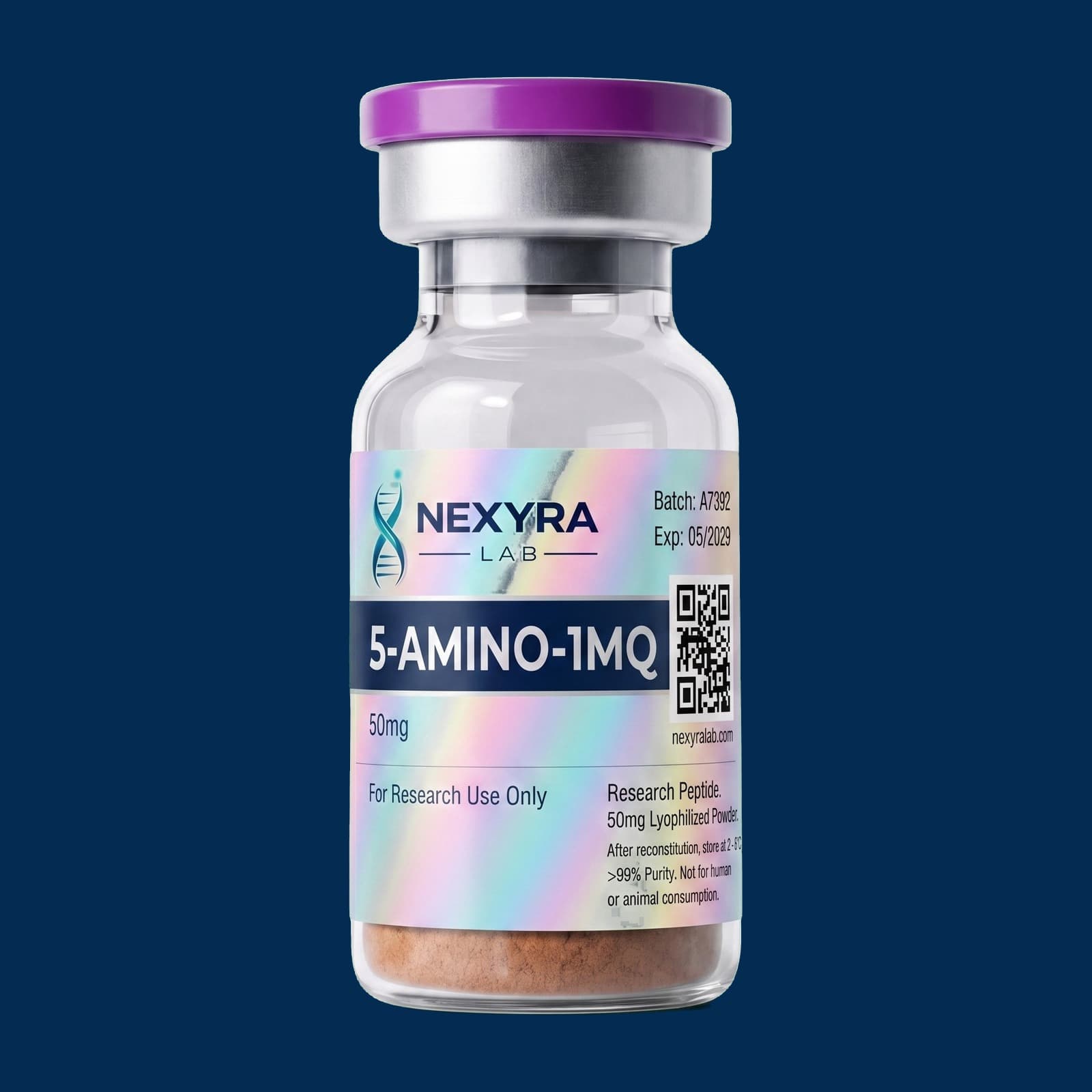
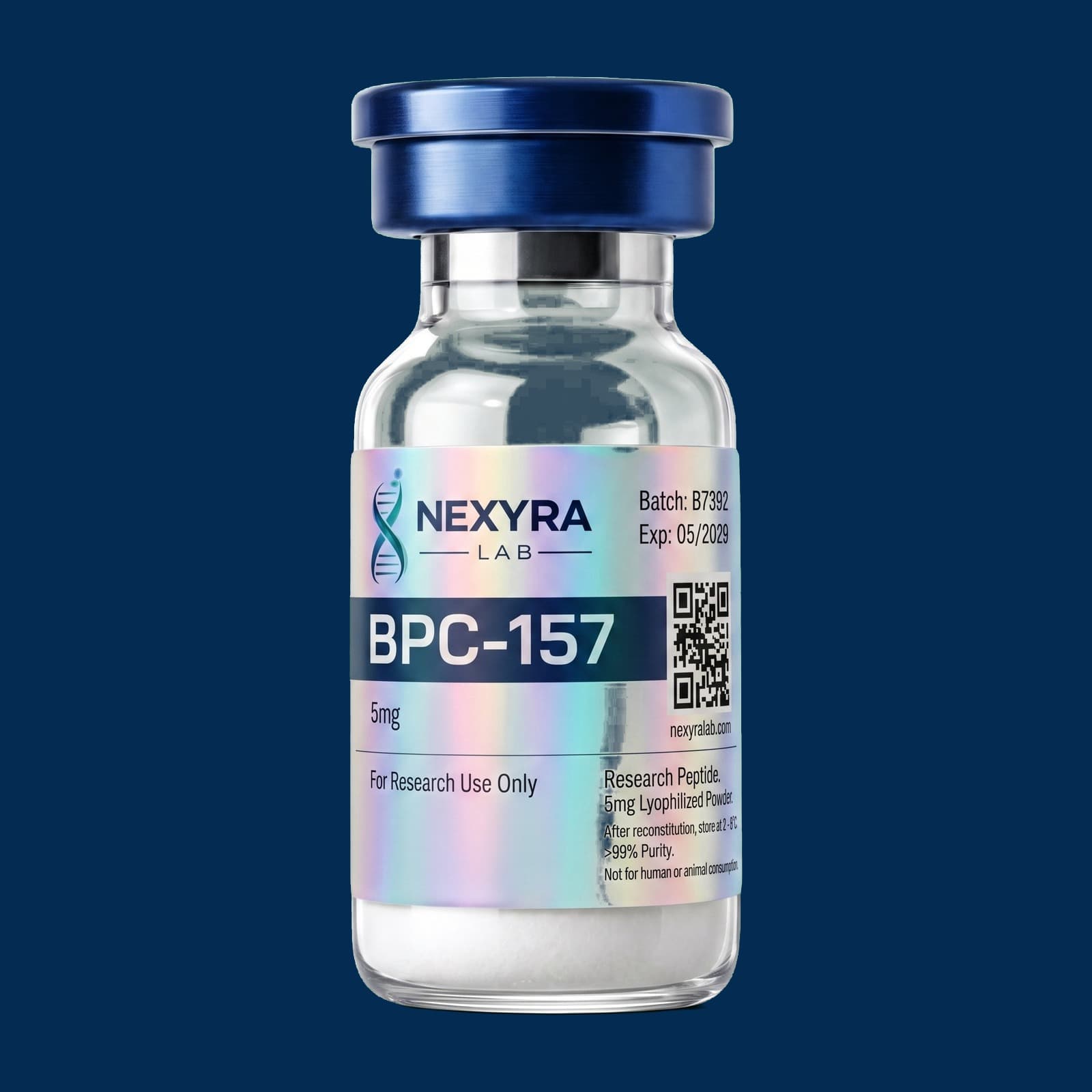
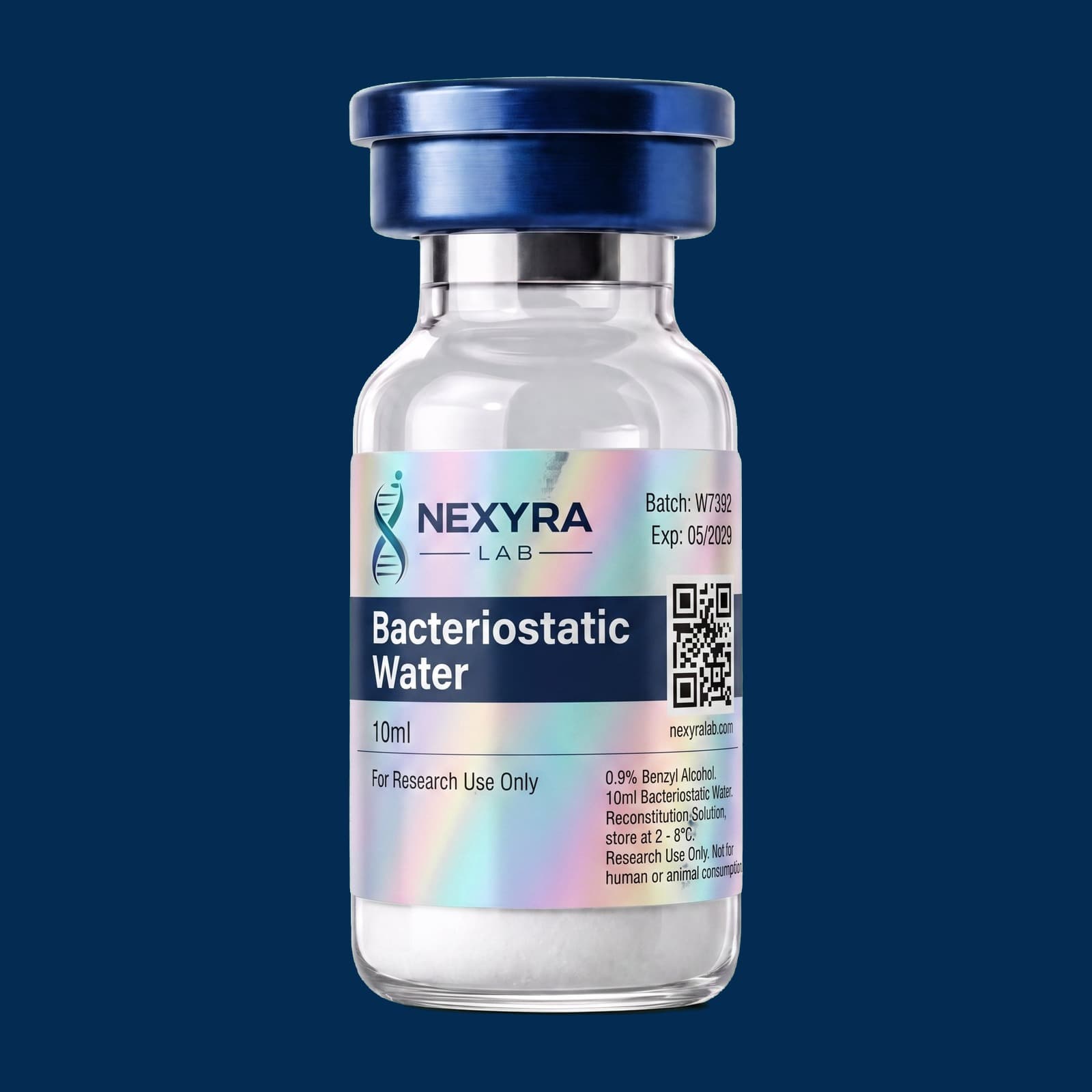
Retatrutide is also available as part of the Metabolic Stack — save 15% on the full stack.
How Retatrutide Compares
Compare key research properties side by side with similar compounds. Switch compounds in the dropdowns to explore the full catalogue.
Purity and storage specifications are consistent across all Nexyra Lab lyophilised compounds. Pharmacokinetic data (half-life etc.) is not shown as it requires owner-confirmed verified references. For research planning and laboratory use only.
Resources & Support
Documentation, tools, and assistance for your research.
Frequently Asked Questions
What is Retatrutide?
Retatrutide is a novel triple receptor agonist (GLP-1, GIP, and glucagon receptor) currently under Phase III clinical investigation for metabolic research applications.
What makes Retatrutide different from semaglutide?
Unlike semaglutide (GLP-1 only) or tirzepatide (GLP-1 + GIP), Retatrutide adds glucagon receptor agonism, making it a triple agonist with distinct pharmacological properties under study.
What sizes are available?
Retatrutide is available in 20mg and 40mg research-grade lyophilised powder vials.


