

RUO — Research use only
Not for human or veterinary use.
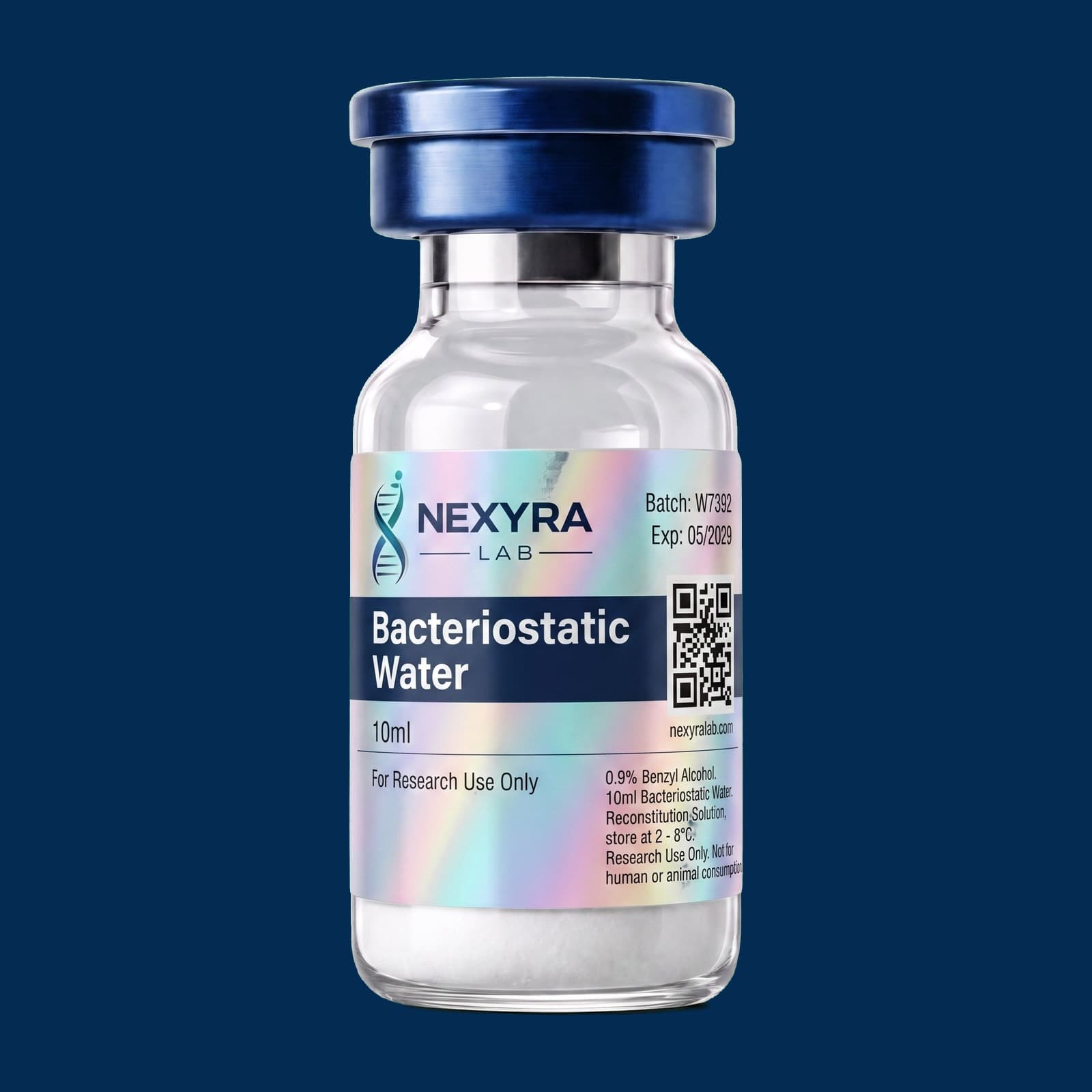
Bacteriostatic Water (BAC Water)
Research Peptide · 10ml Lyophilised Powder
£7.99
Build a Stack & Save
2 = 5% · 3 = 10% · 4+ = 15%This product included. Tick to bundle & save:
Pay by Bank · Powered by Fena
FCA-regulated open banking — authenticated in your banking app, no card details shared.
For research purposes only. Not for human or veterinary use. All products must be handled by qualified researchers in appropriate laboratory conditions.
Purity You Can Verify
Every batch undergoes High-Performance Liquid Chromatography (HPLC) and Mass Spectrometry (MS) analysis before release. Independent third-party testing confirms purity exceeds 99% for each batch — not as a target, but as a minimum standard. The batch-specific Certificate of Analysis is published on our COA page, where you can match your vial's batch number to its results.
Batch COA available on request
View COA library →Manufactured with Pharmaceutical-Grade Process Controls
Our UK facility operates under cGMP (current Good Manufacturing Practice) guidelines, applying pharmaceutical-grade process controls to research peptide production. Synthesis, purification, lyophilisation, and final packaging all follow documented SOPs with full batch traceability from raw material to dispatch.
Batch-Specific Documentation
Every vial is labelled with a unique batch number tied to its specific production batch. Match it to the Certificate of Analysis on our COA page for HPLC purity data, MS identity confirmation, and production date — giving researchers full traceability and reproducibility assurance for every experiment.
Batch COA available on request
View COA library →Stored and Shipped Correctly
Lyophilised peptides are stored at -20°C from the moment of production. Orders are dispatched in temperature-appropriate packaging with discreet, plain outer packaging. Same-day dispatch on orders placed before 3 pm (UK working days).
>99%
Purity verified per batch
20+
Compounds in catalogue
100%
Batch-tested before dispatch
About Bacteriostatic Water (BAC Water)
Research-context overview. Not medical advice. All products for research use only.
| Also known as | Sterile water for injection + 0.9% benzyl alcohol |
| Purity | ≥99% HPLC (independently verified) |
| Status | Research Use Only (RUO) · Not for human or veterinary use |
Bacteriostatic Water | BAC Water | Sterile Peptide Reconstitution Solution | Research Grade
Composition: Sterile water for injection + 0.9% benzyl alcohol (9 mg/mL) Grade: Research grade — sterile, pyrogen-free Preservative: Benzyl alcohol 0.9% (v/v) pH: 4.5–7.0 Appearance: Clear, colourless solution Packaging: Sealed multi-dose vials Storage: Room temperature (15–25°C), away from light; refrigerate after opening
What Is Bacteriostatic Water?
Bacteriostatic water (BAC water) is a preparation of sterile water for injection containing 0.9% benzyl alcohol (9 mg/mL) as a preservative. The term "bacteriostatic" refers to the benzyl alcohol component — a broad-spectrum antimicrobial agent that inhibits bacterial growth and multiplication within the vial, without necessarily killing bacteria outright. This preservative action allows BAC water to remain safely usable across multiple withdrawals over an extended period — a critical property that distinguishes it from standard sterile water for injection, which is intended for single-use only and carries no microbial protection after the vial seal is first broken.
BAC water is the standard reconstitution vehicle for a wide range of lyophilised research peptides, proteins, and biological compounds — including human growth hormone (HGH), GHRFs, GHRPs, and most synthetic research peptides. It is used wherever a multi-dose reconstitution protocol is required, and where peptide or protein stability across multiple draw-down events must be maintained without microbial contamination risk.
Our bacteriostatic water is manufactured to research grade: sterile, pyrogen-free, and packaged in sealed multi-dose vials with halogenated butyl stoppers compatible with standard research syringes and needle gauges.
Why BAC Water Matters for Peptide Research
The choice of reconstitution vehicle is one of the most practically consequential decisions in peptide research — and one that is frequently underestimated. Using an inappropriate reconstitution solution can compromise peptide stability, alter solubility, affect experimental reproducibility, and — in the case of multi-dose vials — introduce microbial contamination that invalidates results and degrades the compound.
Bacteriostatic water addresses these concerns by providing a chemically inert, pH-appropriate, sterile environment with sustained antimicrobial protection across repeated vial access events. For researchers working with lyophilised peptides that require reconstitution before use — including every compound in our research catalogue — BAC water is the most broadly appropriate and widely used reconstitution vehicle in the scientific literature.
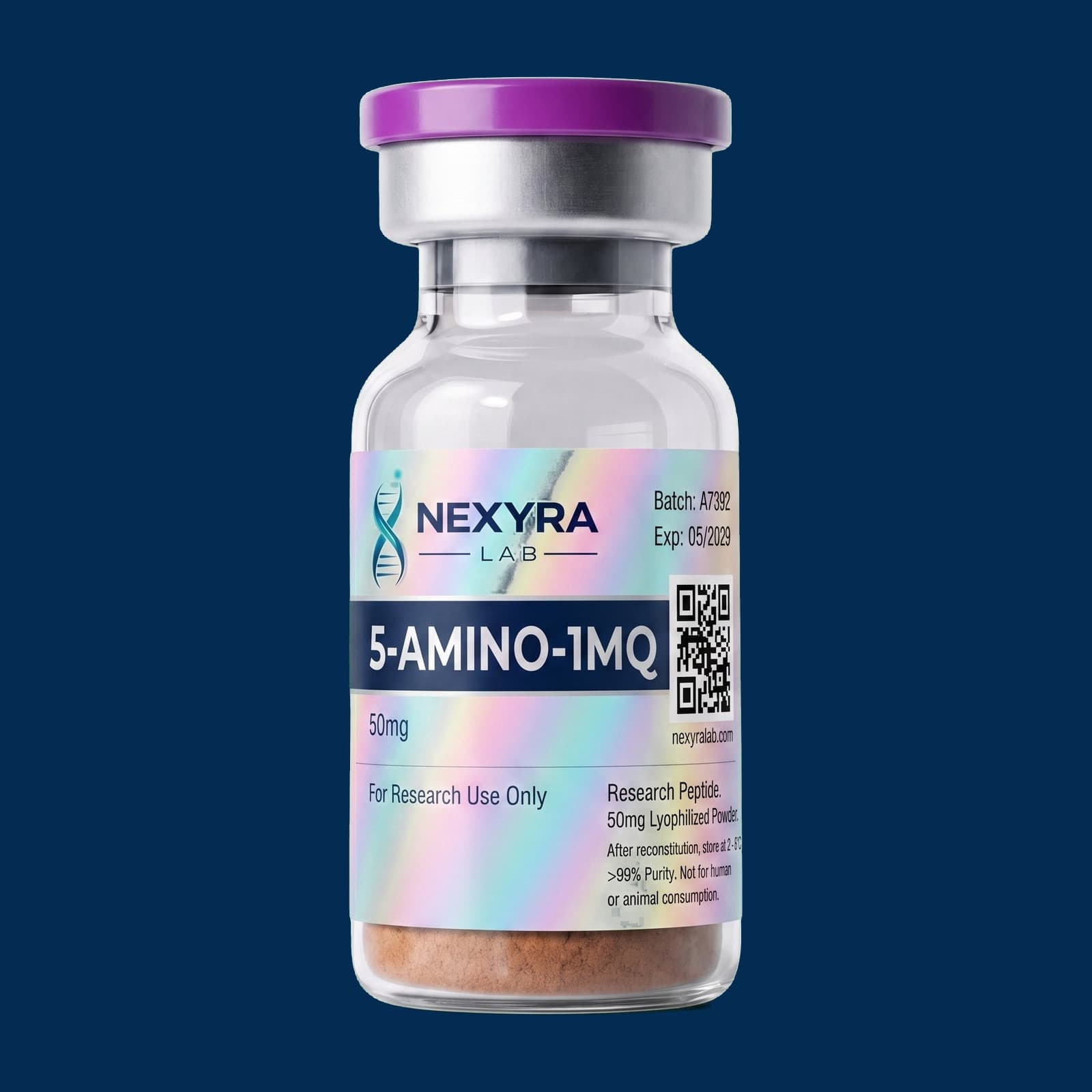
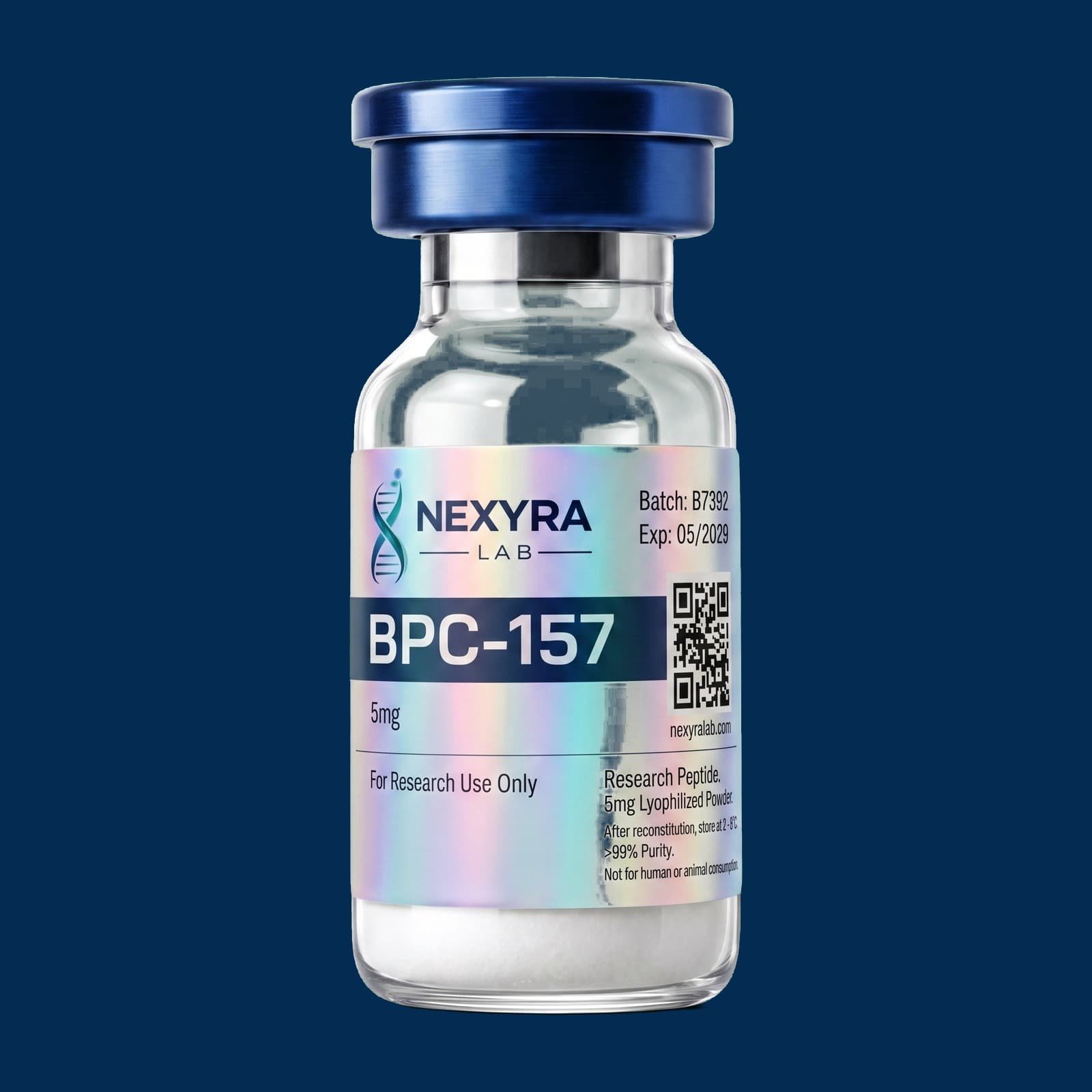
Compatibility with our catalogue: BAC water is the recommended reconstitution vehicle for HGH (somatotropin), tesamorelin, BPC-157, TB-500, MOTS-c, Selank, and the majority of other lyophilised research peptides. GHK-Cu is optimally reconstituted in sterile water or PBS, and 5-Amino-1MQ may require DMSO for certain protocols — but for the majority of peptide reconstitution applications, BAC water is the first-choice solution.
Composition & Technical Specifications
Why 0.9% benzyl alcohol? Benzyl alcohol has been used as an antimicrobial preservative in injectable preparations since the 1920s. At 0.9% concentration, it provides effective bacteriostatic activity against a broad spectrum of gram-positive and gram-negative bacteria — the most likely contaminants in a multi-access vial environment — while remaining chemically compatible with the widest range of peptides, proteins, and hormones used in research. Higher benzyl alcohol concentrations can begin to affect protein folding and stability; 0.9% represents the established standard for balancing preservation efficacy with compound compatibility.
Why not sterile water for injection? Standard sterile water for injection (SWFI) contains no preservative and is intended for single-use only. Once the seal is broken and the vial accessed, SWFI provides no protection against bacterial contamination from subsequent needle insertions. For researchers who routinely draw multiple aliquots from a single reconstituted vial over days or weeks — as is standard practice with peptide research compounds — SWFI is inappropriate and significantly increases the risk of microbial contamination that will degrade the compound and compromise experimental results.
Why not saline or PBS? Normal saline (0.9% sodium chloride) and phosphate-buffered saline (PBS) are appropriate for some peptide reconstitution applications but carry important caveats. Saline can reduce the solubility of certain peptides and proteins and provides no preservative action in multi-dose vials. PBS introduces phosphate and salt ions that can interact with some peptides and alter their behaviour in downstream assays. For most lyophilised research peptide applications, BAC water provides a cleaner, more universally compatible, and more practically convenient reconstitution vehicle.
BAC Water and Peptide Stability
Proper reconstitution practice is as important as purity when it comes to preserving the integrity and research utility of lyophilised peptides. The following principles apply to reconstitution with BAC water across the research peptide catalogue:
Technique: Always inject BAC water slowly against the side of the vial — never directly onto the lyophilised powder, which can mechanically disrupt peptide structure. Swirl gently until dissolved; do not shake or vortex.
Temperature: Allow the lyophilised vial to reach room temperature before reconstitution. Cold powder reconstituted with room-temperature water can produce localised concentration gradients that slow dissolution.
Storage after reconstitution: Reconstituted peptides in BAC water should be stored at 2–8°C (refrigerated). The benzyl alcohol preservative protects against microbial growth but does not prevent peptide degradation from heat or light exposure. Reconstituted solutions should be used within the timeframes recommended for each specific compound — typically 28 days for HGH and tesamorelin, and up to 30 days for shorter synthetic peptides, though this varies by compound.
Freeze-thaw: Reconstituted peptide solutions in BAC water should not be re-frozen unless the specific compound's data sheet indicates this is acceptable. For long-term storage, lyophilise in advance of reconstitution or aliquot before the first freeze-thaw cycle.
Product Specifications
| Specification | Detail |
|---|---|
| Composition | Water for injection + 0.9% benzyl alcohol (9 mg/mL) |
| Grade | Research grade — sterile, pyrogen-free |
| Preservative | Benzyl alcohol 0.9% (v/v) |
| pH | 4.5–7.0 |
| Osmolality | ~9 mOsm/kg (hypotonic) |
| Appearance | Clear, colourless solution |
| Packaging | Sealed multi-dose vials with halogenated butyl stopper |
| Storage | Room temperature (15–25°C), away from light; refrigerate after opening |
| Shelf Life | As labelled on vial; discard 28 days after first opening |
Quality & Purity Assurance
Our bacteriostatic water is manufactured to research-grade standards:
- Sterility Testing — confirmed sterile, free from viable microorganisms
- Pyrogen / Endotoxin Testing — confirmed pyrogen-free by LAL (Limulus Amebocyte Lysate) assay
- Benzyl Alcohol Content — verified at 0.9% (9 mg/mL) by validated assay
- pH Verification — confirmed within the 4.5–7.0 range
- Particulate Matter Testing — confirmed free from visible particulates
- Certificate of Analysis (CoA) — available upon request
Essential Accessory for Every Peptide Researcher
BAC water is a consumable that every serious research peptide laboratory requires. We recommend maintaining an adequate supply to support your full research protocol — running out mid-study and substituting an alternative reconstitution vehicle can introduce a variable that undermines experimental comparability. Given the investment represented by high-purity research peptides, using a matched, research-grade reconstitution solution is a straightforward way to protect that investment and maintain the integrity of your experimental data.
If you are purchasing any lyophilised peptide from our catalogue — whether BPC-157, TB-500, GHK-Cu, MOTS-c, Selank, tesamorelin, HGH, retatrutide, or any other compound — we recommend including bacteriostatic water in your order.
Important Notice
This product is intended strictly for research and laboratory use only. Bacteriostatic water containing benzyl alcohol is not approved for use in neonates or premature infants, in whom benzyl alcohol toxicity has been documented at high doses. This product must not be self-administered or used outside of appropriately supervised research or clinical contexts. By purchasing this product, the buyer confirms they are a qualified researcher and will use it solely for lawful scientific research purposes.
Technical datasheet
Physicochemical
| Appearance | Clear, colourless solution |
Handling & storage
| Storage | Room temperature (15–25°C), away from light; refrigerate after opening |
| Shelf Life | As labelled on vial; discard 28 days after first opening |
Compliance
| Intended use | Research use only — not for human or veterinary use |
| Documentation | Batch-specific Certificate of Analysis with every order |
| Country of manufacture | United Kingdom |
| Quality standard | >99% purity, HPLC-verified, cGMP-compliant |
What's Included
Research-grade vial
Lyophilised powder, sealed under inert gas
Certificate of Analysis
Batch-specific HPLC & MS verification
Tamper-evident seal
Intact seal confirms product integrity
Discreet packaging
Plain, unbranded outer packaging
COA & Testing
Every batch of Bacteriostatic Water (BAC Water) is independently analysed by HPLC and Mass Spectrometry before dispatch. The Certificate of Analysis confirms purity, verifies molecular identity, and carries a unique batch number for full traceability.
Batch COA available on request
View COA library →Customer Reviews
No reviews yet
Be the first to review this product. Post-purchase review invitations are sent automatically.
Frequently Researched Together
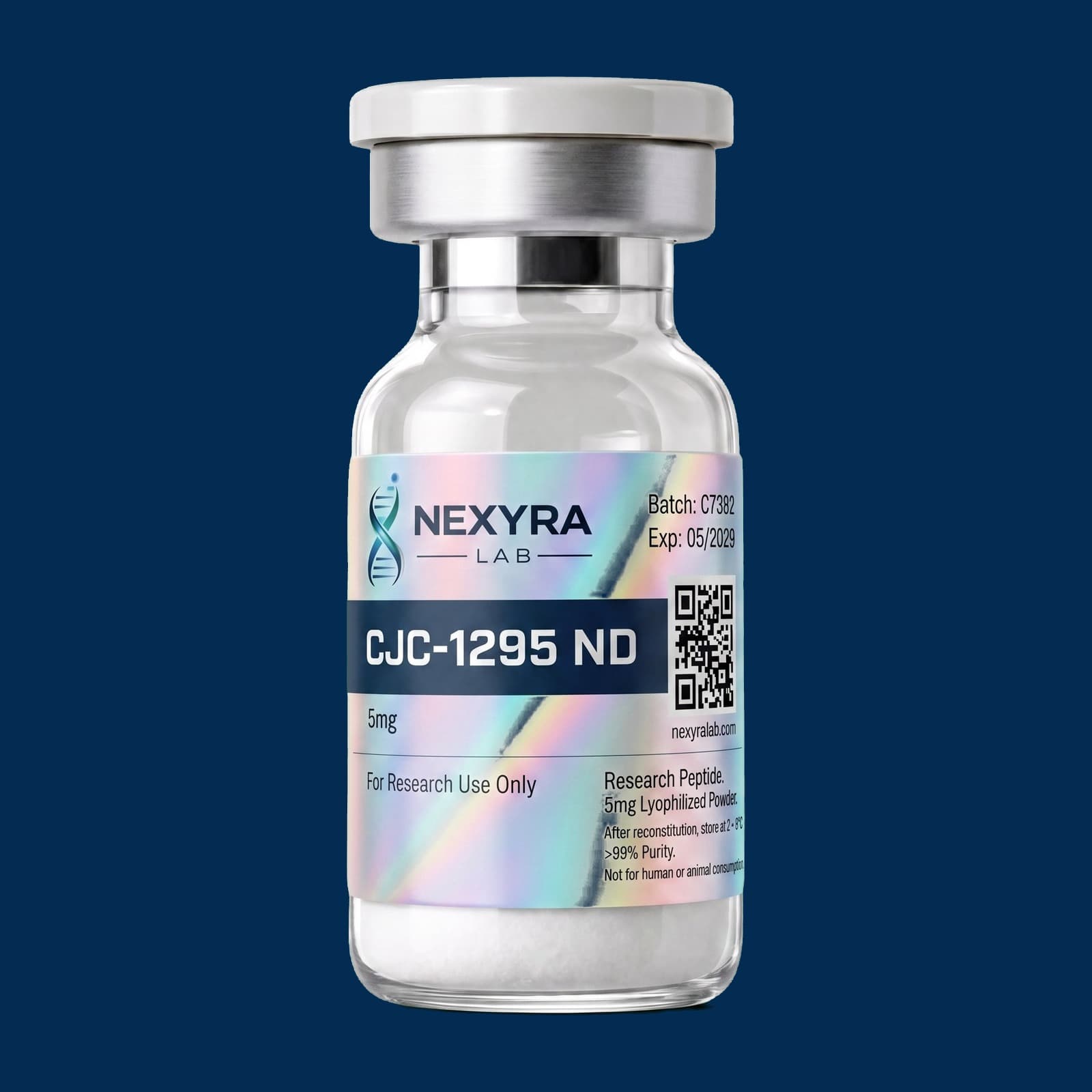
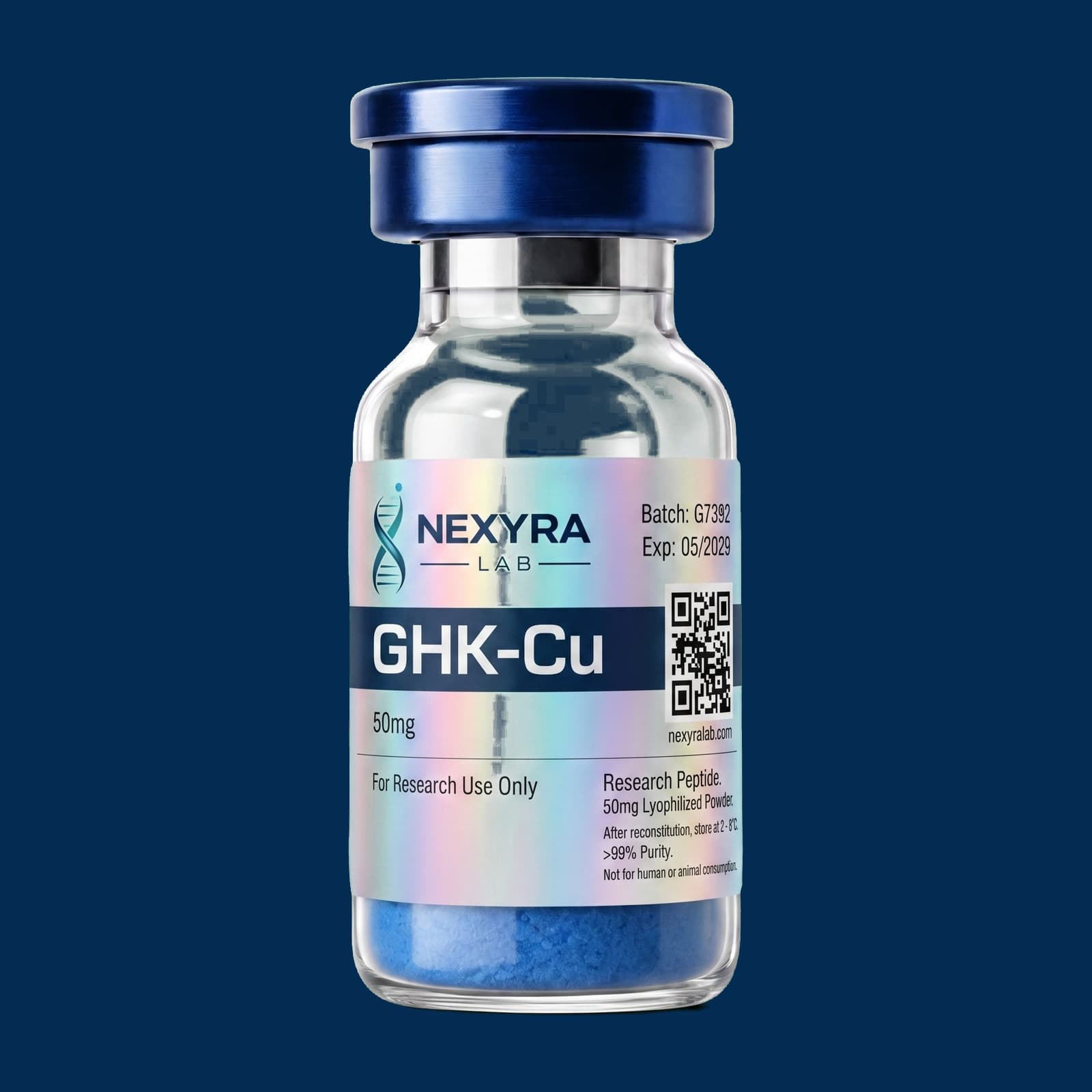
How Bacteriostatic Water (BAC Water) Compares
Compare key research properties side by side with similar compounds. Switch compounds in the dropdowns to explore the full catalogue.
Purity and storage specifications are consistent across all Nexyra Lab lyophilised compounds. Pharmacokinetic data (half-life etc.) is not shown as it requires owner-confirmed verified references. For research planning and laboratory use only.
Resources & Support
Documentation, tools, and assistance for your research.
Frequently Asked Questions
Is this product for research use only?
Yes. All Nexyra Lab products are strictly for in vitro research and laboratory use by qualified researchers. They are not approved for human or veterinary use by the FDA, EMA, or any other regulatory authority.
Is a Certificate of Analysis (COA) available?
Yes. A batch-specific COA from our independent third-party testing laboratory is published on our COA page — match your vial's batch number to access HPLC purity data, MS identity confirmation, batch number, and production date.
What does the Certificate of Analysis confirm?
The COA confirms: (1) purity ≥99% by HPLC; (2) molecular identity by mass spectrometry; (3) the batch number for traceability; and (4) the production date. It is produced by an independent laboratory, not by Nexyra Lab itself.
How should lyophilised peptides be stored?
Store lyophilised (freeze-dried) peptides at -20°C in a sealed, dry container away from light and moisture. Avoid repeated freeze-thaw cycles. Once reconstituted, store at 4°C and use within 30 days for most peptides.
How do I reconstitute lyophilised peptides?
For most peptides, use sterile bacteriostatic water (BAC water) or sterile saline. Add the solvent slowly down the inside of the vial — do not inject directly onto the powder. Gently swirl until dissolved; do not shake. Use our Reconstitution Calculator at /peptide-calculator to determine the exact volume for your target concentration.
What are your dispatch and delivery times?
Orders placed before 3 pm on UK working days are dispatched same day. Standard UK delivery typically arrives within 1–3 working days. All orders are shipped in discreet, plain outer packaging with no reference to the contents.
What is your returns policy?
Due to the nature of research compounds and cold-chain requirements, we are unable to accept returns on opened products. If a product arrives damaged or incorrect, please contact our team within 48 hours of receipt and we will resolve the issue promptly.
What purity standard do your peptides meet?
All Nexyra Lab peptides are independently verified at ≥99% purity by HPLC before dispatch. Mass Spectrometry confirms molecular identity. This applies to every batch — the COA is batch-specific, not a generic certificate.


