


Purity >99% HPLC
RUO — Research use only
Not for human or veterinary use.
Semax Peptide
Research Peptide · 5mg Lyophilised Powder
£19.99
Size
Build a Stack & Save
2 = 5% · 3 = 10% · 4+ = 15%This product included. Tick to bundle & save:
Pay by Bank · Powered by Fena
FCA-regulated open banking — authenticated in your banking app, no card details shared.
For research purposes only. Not for human or veterinary use. All products must be handled by qualified researchers in appropriate laboratory conditions.
Purity You Can Verify
Every batch undergoes High-Performance Liquid Chromatography (HPLC) and Mass Spectrometry (MS) analysis before release. Independent third-party testing confirms purity exceeds 99% for each batch — not as a target, but as a minimum standard. The batch-specific Certificate of Analysis is published on our COA page, where you can match your vial's batch number to its results.
Manufactured with Pharmaceutical-Grade Process Controls
Our UK facility operates under cGMP (current Good Manufacturing Practice) guidelines, applying pharmaceutical-grade process controls to research peptide production. Synthesis, purification, lyophilisation, and final packaging all follow documented SOPs with full batch traceability from raw material to dispatch.
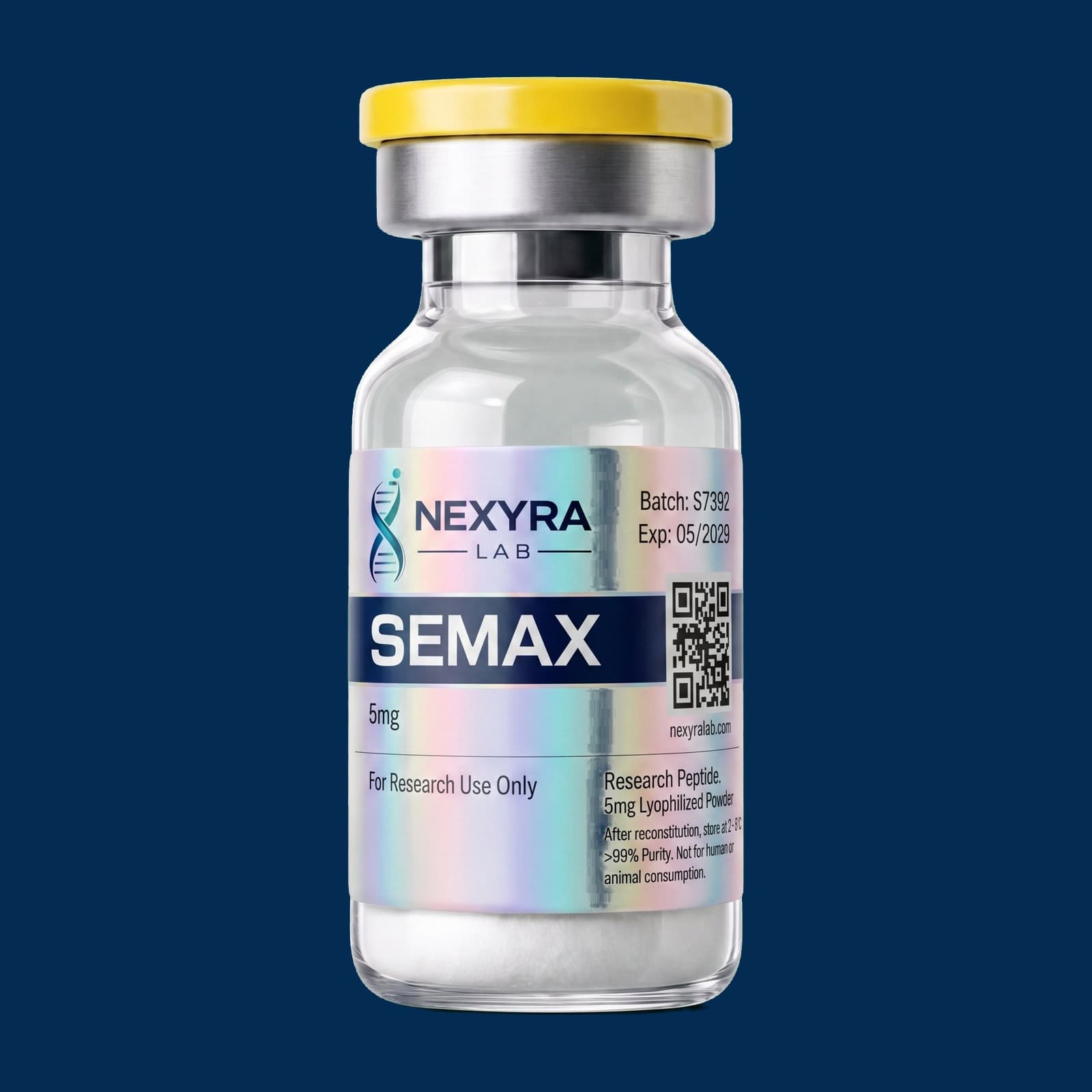
Batch-Specific Documentation
Every vial is labelled with a unique batch number tied to its specific production batch. Match it to the Certificate of Analysis on our COA page for HPLC purity data, MS identity confirmation, and production date — giving researchers full traceability and reproducibility assurance for every experiment.
Stored and Shipped Correctly
Lyophilised peptides are stored at -20°C from the moment of production. Orders are dispatched in temperature-appropriate packaging with discreet, plain outer packaging. Same-day dispatch on orders placed before 3 pm (UK working days).

>99%
Purity verified per batch
18+
Compounds in catalogue
100%
Batch-tested before dispatch
About Semax Peptide
Research-context overview. Not medical advice. All products for research use only.
| Also known as | ACTH(4-10) analogue · MEHFPGP |
| CAS Number | 80714-61-0 |
| Molecular Formula | C37H51N9O10S |
| Molecular Weight | 813.93 g/mol |
| Purity | >99% HPLC (independently verified) |
| Status | Research Use Only (RUO) · Not for human or veterinary use |
Semax | Met-Glu-His-Phe-Pro-Gly-Pro | Synthetic ACTH(4-7) Analogue | Research Peptide
Sequence: Met-Glu-His-Phe-Pro-Gly-Pro (MEHFPGP) Classification: Synthetic heptapeptide — ACTH(4-7) analogue with C-terminal Pro-Gly-Pro extension Molecular Formula: C₃₇H₅₁N₉O₁₀S Molecular Weight: 813.93 g/mol Key Structural Features: ACTH(4-7) pharmacophore core (Met-Glu-His-Phe) + C-terminal Pro-Gly-Pro stabilising/active extension Purity: >99% (HPLC verified) Form: Lyophilised powder Available Sizes: 5mg | 10mg Storage: –20°C, away from light and moisture CAS Number: 80714-61-0
What Is Semax?
Semax is a synthetic heptapeptide (Met-Glu-His-Phe-Pro-Gly-Pro) developed at the Institute of Molecular Genetics of the Russian Academy of Sciences — the same institution responsible for Selank. It is an analogue of the ACTH(4-10) fragment of adrenocorticotropic hormone, specifically derived from the ACTH(4-7) core sequence (Met-Glu-His-Phe) — the minimal active fragment responsible for the cognitive and neuroprotective activity of ACTH — with a C-terminal Pro-Gly-Pro (PGP) tripeptide extension appended to enhance metabolic stability and, as subsequent research has revealed, to contribute independent pharmacological activity of its own.
Endogenous ACTH is a 39-amino acid pituitary hormone primarily known for its role in stimulating cortisol synthesis in the adrenal cortex. However, researchers beginning in the 1960s identified that the N-terminal fragment ACTH(4-10) exerted profound effects on learning, memory, and stress adaptation that were entirely independent of its adrenocortical actions. Semax was designed to isolate and enhance this CNS-active fragment — and to do so without the hormonal side effects of the full ACTH molecule. The critical design choice was the C-terminal PGP extension: Pro-Gly-Pro provides primary resistance to proteolytic degradation, extending the compound's half-life from the minutes range of native ACTH(4-7) to approximately several hours, enabling meaningful and sustained CNS activity following administration.
It has not been evaluated by the FDA or EMA and remains an investigational compound in Western research contexts.
Our Semax is synthesised under rigorous quality-controlled manufacturing conditions, verified to a purity of greater than 99% by HPLC and Mass Spectrometry, and supplied as a lyophilised (freeze-dried) powder for maximum stability.
Research Background & Scientific Interest
Semax has accumulated over three decades of preclinical and clinical research since its development in the early 1990s, spanning cognitive neuroscience, neuroprotection, stroke biology, neuroimmunology, neurotrophic factor regulation, monoamine pharmacology, and opioid receptor biology. Its heptapeptide structure belies remarkable mechanistic breadth — operating simultaneously across BDNF/TrkB signalling, dopaminergic and serotonergic neurotransmission, enkephalinase inhibition, and neurotrophin gene expression — making it one of the most mechanistically rich research peptides available.
BDNF & TrkB Upregulation — Core Nootropic Mechanism The most extensively characterised mechanism of Semax's nootropic and neuroprotective activity centres on its capacity to upregulate brain-derived neurotrophic factor (BDNF) and its primary receptor TrkB in hippocampal and cortical tissue. In the landmark study published in Brain Research (Dolotov et al., 2006; PMID: 16996037), a single intranasal application of Semax at 50 μg/kg in rats produced a maximal 1.4-fold increase in hippocampal BDNF protein levels, a 1.6-fold increase in TrkB tyrosine phosphorylation, a 3-fold increase in exon III BDNF mRNA, and a 2-fold increase in TrkB mRNA — effects observed within hours of a single administration. Semax-treated animals additionally showed a statistically significant increase in conditioned avoidance reactions — a validated measure of learning consolidation — leading the authors to conclude that Semax modulates cognitive function through activation of the hippocampal BDNF/TrkB system.
These BDNF effects have since been replicated and extended in multiple subsequent studies. Research has also documented Semax-induced upregulation of nerve growth factor (NGF) mRNA in both rat hippocampus and in glial cell cultures — suggesting that neurotrophin upregulation by Semax extends beyond the BDNF axis to encompass the broader neurotrophin family. BDNF and NGF are critical mediators of synaptic plasticity, long-term potentiation, neurogenesis, and neuronal survival — making their upregulation a mechanistically compelling basis for Semax's observed cognitive and neuroprotective effects across multiple experimental models.
The PGP Tail: Active Pharmacological Component A growing body of evidence has established that the C-terminal Pro-Gly-Pro (PGP) tripeptide extension is not merely a metabolic stabiliser — it is an active pharmacological component with independent biological activity. Studies examining PGP alone have demonstrated that it activates neurotrophin transcription in ischaemic brain tissue, with effects documented in a 2024 PMC publication (PMC11498467) examining the transcriptional responses of BDNF, NGF, and TrkB genes following cerebral ischaemia. Both Semax and PGP activated expression of these neurotrophin genes in the ischaemic brain, with Semax producing the broader and more potent transcriptional response — consistent with synergistic contributions from both the ACTH(4-7) core and the PGP extension. This finding is significant for researchers seeking to understand Semax's mechanism at a molecular level: the compound functions as a bifunctional peptide, with distinct pharmacophore activity arising from both its N-terminal ACTH-derived core and its C-terminal PGP extension.
Receptor Binding: Specific CNS Binding Sites Tritium-labelled Semax binding studies in rat basal forebrain have identified high-affinity, specific CNS binding sites with a KD of 2.4 ± 1.0 nM and a BMAX of 33.5 ± 7.9 fmol/mg protein — pharmacological parameters consistent with a specifically acting compound at dedicated receptor sites rather than non-specific membrane interactions. The precise molecular identity of these binding sites remains under active investigation, but their characterisation has strengthened the mechanistic basis for Semax's CNS activity and supported its classification as a compound with defined receptor-level pharmacology rather than merely non-specific neuromodulatory effects.
Monoaminergic Neurotransmission: Dopaminergic & Serotonergic Systems Semax modulates the activity of multiple monoamine neurotransmitter systems with relevance to cognitive function, mood regulation, and stress resilience. Research has documented Semax-induced increases in dopamine and serotonin turnover in the rat frontal cortex and hippocampus, consistent with its observed effects on motivation, attention, and learning performance in preclinical models. Gene expression studies have identified Semax-induced changes in the expression of genes encoding dopamine and serotonin receptors, transporters, and metabolic enzymes — pointing to transcriptional as well as acute neurochemical mechanisms underlying its monoaminergic activity. The dopaminergic component is of particular research interest given dopamine's central role in prefrontal cortical executive function, working memory, and reward-driven learning.
Antidepressant-Like & Anti-stress Activity A 2024 study by Inozemtseva and colleagues published in the European Journal of Pharmacology evaluated Semax alongside its PGP fragment for antidepressant-like and antistress effects in a chronic unpredictable stress (CUS) model in male rats. Both Semax and PGP reduced immobility in the forced swim test and tail suspension test — validated measures of antidepressant-like activity — at statistically significant levels, with Semax producing effects comparable to or exceeding the PGP fragment alone across multiple behavioural measures. These findings add to a growing literature examining Semax in models of depression and anxiety, and complement earlier preclinical data demonstrating Semax's attenuation of stress-induced cognitive and behavioural deficits in rodent models of chronic stress.
Stroke Neuroprotection & Ischaemia Research The clinical indication for which Semax holds Russian pharmaceutical approval — stroke and brain ischaemia — is supported by a substantial body of preclinical research. In rat and mouse models of focal cerebral ischaemia, Semax has consistently demonstrated reduction of infarct volume, attenuation of post-ischaemic neuroinflammatory gene expression, and improvement in neurological outcome measures. Research published in journals including the Journal of Neurochemistry and Brain Research has examined the molecular mechanisms underlying these effects — with Semax-induced upregulation of BDNF, NGF, and TrkB identified as key mediators of the observed neuroprotection, alongside modulation of the inflammatory cytokine cascade in peri-infarct brain tissue. The dual activation of neurotrophin transcription by both the ACTH(4-7) core and the PGP extension appears to contribute synergistically to these ischaemia-protective effects.
Mu Opioid Receptor Deubiquitination — 2025 Findings A 2025 study by Liu and colleagues identified a novel mechanism for Semax: promotion of deubiquitination of mu opioid receptors (MORs), with consequent stabilisation of lysosomal membranes following spinal cord injury. This finding — published in 2025 and therefore representing some of the most current Semax mechanistic research available — suggests that Semax's neuroprotective activity extends into the opioid receptor system and intracellular membrane biology in ways not previously characterised. The lysosomal membrane stabilisation finding is of particular interest given the role of lysosomal dysfunction in neuronal apoptosis following mechanical CNS injury, and opens a new investigational axis for Semax in spinal cord injury research.
Enkephalinase Inhibition & Endogenous Opioid Modulation Like Selank, Semax has been found to inhibit enzymes responsible for degrading enkephalins — endogenous opioid pentapeptides with roles in pain modulation, stress response, and emotional regulation. By reducing enkephalin breakdown, Semax extends the activity of these endogenous regulatory peptides, contributing to its anti-stress and neuroprotective profile through the opioid system in parallel to its neurotrophic and monoaminergic mechanisms. This shared enkephalinase-inhibiting property is one of the mechanistic connections between Semax and Selank — and a consideration for researchers designing studies involving both compounds.
Neuroimmunology & Gene Expression Profiling Gene expression profiling studies using microarray and RNA sequencing approaches have revealed that Semax modulates the expression of hundreds of genes in rat hippocampal and cortical tissue — including genes involved in neuronal survival, synaptic signalling, inflammatory cascade regulation, and neurotransmitter metabolism. The breadth of this transcriptional footprint is unusual for a heptapeptide and has led researchers to characterise Semax as a broad-spectrum neuromodulator whose full mechanistic profile is still being elucidated. Neuroimmunological research has also examined Semax's effects on cytokine expression in the CNS, with data suggesting anti-neuroinflammatory activity consistent with its neuroprotective profile in ischaemia models.
Semax vs. Selank: Key Research Distinctions
Both Semax and Selank were developed at the same Russian institute and have been extensively researched, yet they have distinct and complementary mechanistic profiles that make them different research tools. Researchers frequently use both compounds together to achieve mechanistic coverage across overlapping but non-identical CNS pathways.
| Parameter | Semax | Selank |
|---|---|---|
| Structural origin | ACTH(4-7) fragment | Tuftsin (immunopeptide) |
| Sequence | Met-Glu-His-Phe-Pro-Gly-Pro | Thr-Lys-Pro-Arg-Pro-Gly-Pro |
| Primary CNS mechanism | BDNF/TrkB upregulation, dopaminergic modulation | GABA-A positive allosteric modulation, serotonergic modulation |
| Nootropic profile | Cognitive enhancement, learning, attention | Anxiolytic + cognitive (anti-stress) |
| Anxiolytic activity | Moderate (via PGP/antistress) | Primary activity |
| Neuroprotection | Strong (stroke models, BDNF/NGF axis) | Moderate (anti-inflammatory) |
| Enkephalinase inhibition | Yes | Yes |
| BDNF upregulation | Strong (3-fold mRNA increase) | Documented |
| Immunomodulatory | Moderate | Primary (tuftsin-derived) |
Product Specifications
| Specification | Detail |
|---|---|
| Peptide | Semax (Met-Glu-His-Phe-Pro-Gly-Pro) |
| Classification | Synthetic ACTH(4-7) analogue — heptapeptide |
| Molecular Formula | C₃₇H₅₁N₉O₁₀S |
| Molecular Weight | 813.93 g/mol |
| Purity | >99% (HPLC & MS verified) |
| Form | Lyophilised powder |
| Vial Sizes | 5mg, 10mg |
| Appearance | White to off-white powder |
| Solubility | Soluble in sterile water or PBS |
| Storage | –20°C, keep away from light |
| Shelf Life | 24 months when stored correctly (lyophilised) |
| CAS Number | 80714-61-0 |
Quality & Purity Assurance
Every batch of our Semax undergoes a comprehensive multi-stage quality control process prior to release. Our assurance pipeline includes:
- HPLC Analysis — confirms peptide purity exceeding 99%
- Mass Spectrometry (MS) — verifies molecular identity, correct ACTH(4-7) core sequence, and integrity of the C-terminal PGP extension
- Endotoxin Testing — ensures the product is free from bacterial endotoxins
- Certificate of Analysis (CoA) — available for every batch upon request
Full batch traceability is maintained across synthesis, purification, and quality testing. The C-terminal PGP extension is an analytically critical feature of Semax that distinguishes it from the native ACTH(4-7) tetrapeptide — our MS verification process explicitly confirms its presence and integrity to ensure research-grade accuracy.
Handling & Reconstitution (Research Use)
Semax lyophilised powder is readily soluble in sterile bacteriostatic water or phosphate-buffered saline (PBS). Gently swirl to dissolve — do not vortex. Once reconstituted, aliquot immediately and store at –20°C or at 2–8°C for short-term use. Avoid repeated freeze-thaw cycles to preserve peptide integrity.
Note that Semax, like Selank, is not orally bioavailable due to rapid degradation in the gastrointestinal tract. Preclinical research protocols have most commonly employed intranasal or intraperitoneal administration routes in animal models — a consideration that should be incorporated into experimental design, particularly for in vivo protocols. The intranasal route is relevant to the compound's approved clinical form in Russia and aligns with the majority of published preclinical literature.
All handling should comply with standard laboratory safety protocols and applicable institutional or regulatory guidelines.
Semax Within the Research Peptide Catalogue
Semax occupies a distinct and complementary position alongside Selank as the second dedicated CNS research peptide in our catalogue. Where Selank's primary research application is anxiolytic pharmacology via GABAergic modulation, Semax's primary research application is nootropic and neuroprotective neuroscience via BDNF/TrkB upregulation, dopaminergic modulation, and stroke neuroprotection. Together they represent the two principal Russian neuropeptide research tools — with complementary mechanisms that make them frequently studied in combination.
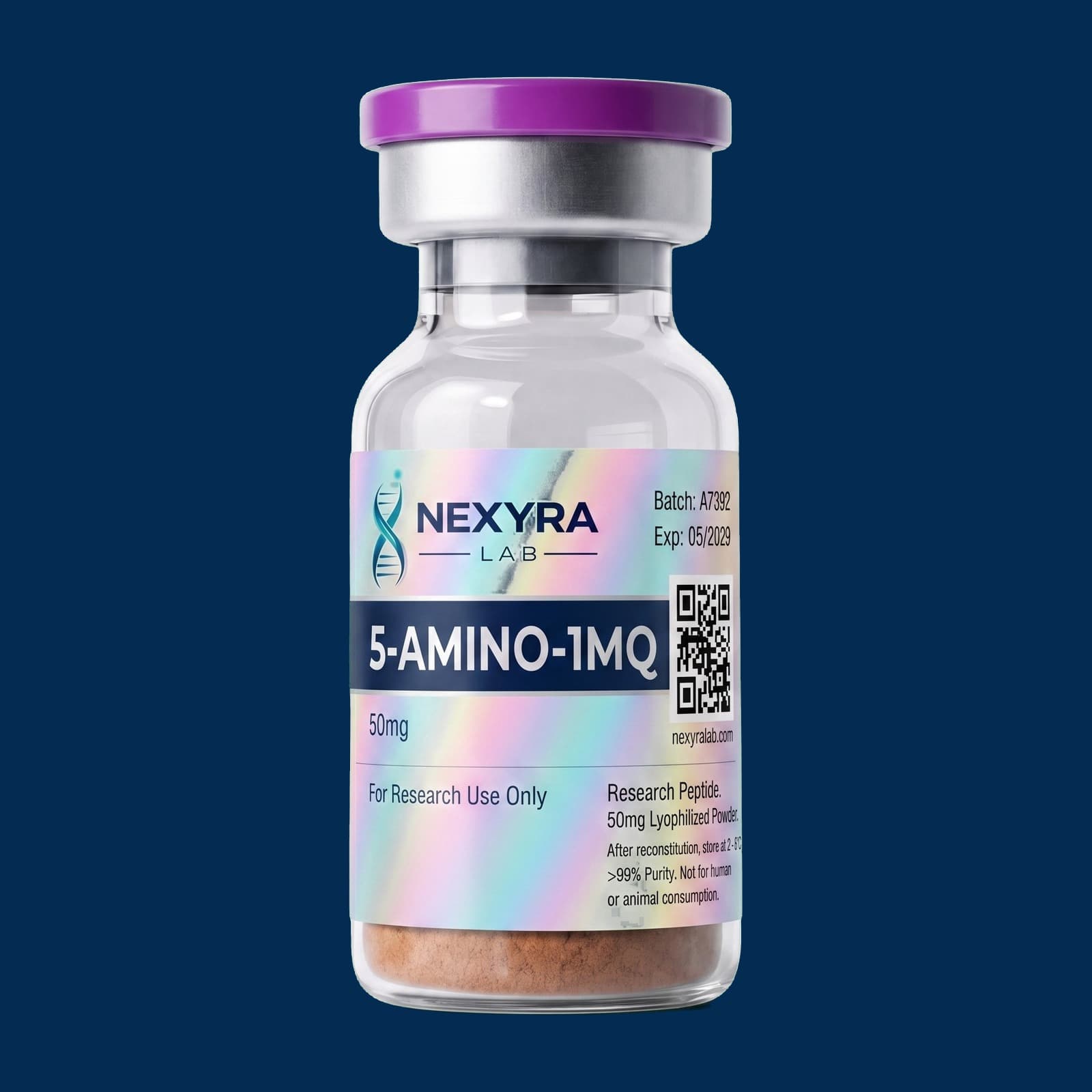
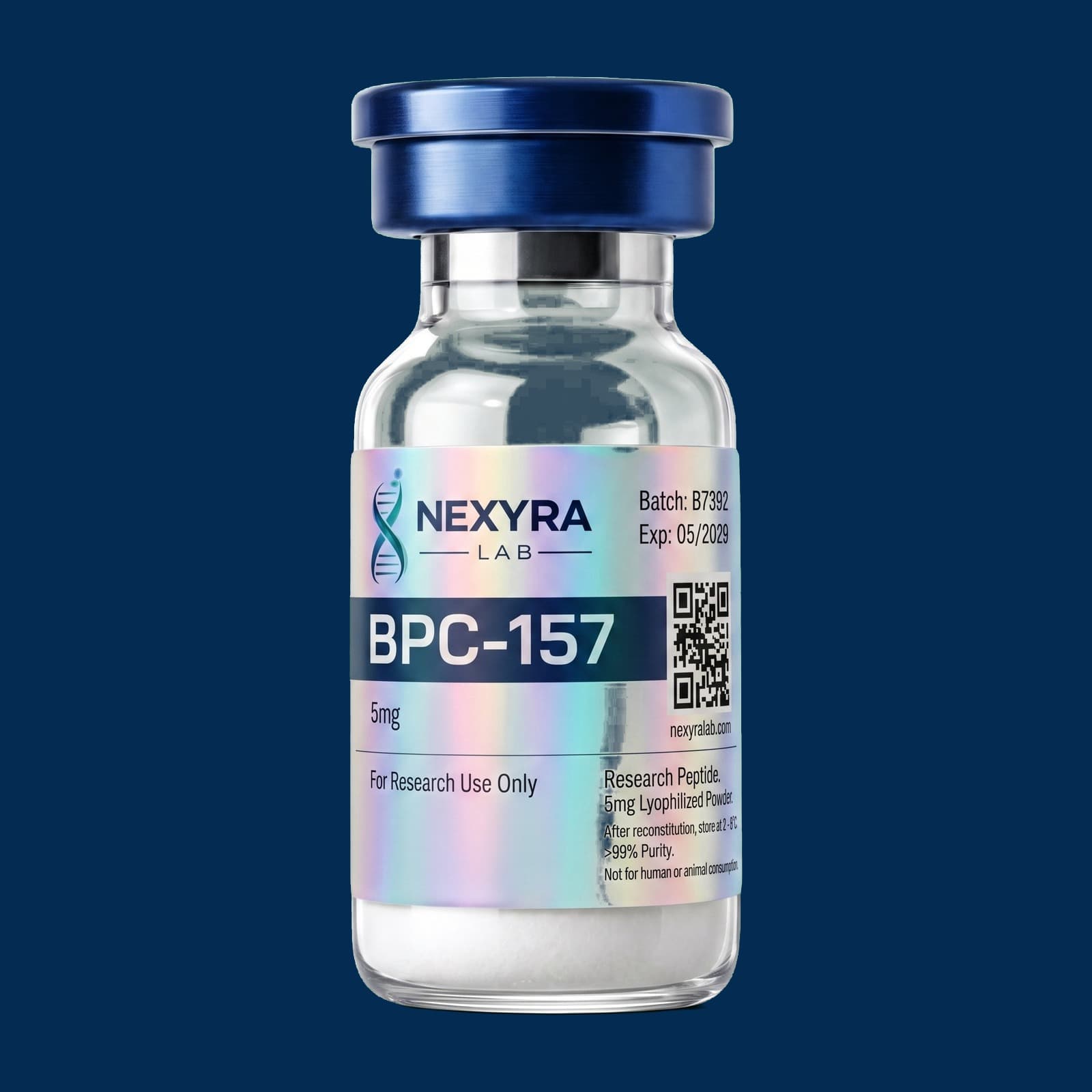
Within the broader catalogue, Semax's neurotrophin and neuromodulatory research applications provide a CNS-focused perspective that is mechanistically distinct from every other compound: the tissue repair biology of BPC-157 and TB-500, the extracellular matrix and genomic remodelling of GHK-Cu, the mitochondrial metabolism of MOTS-c, the triple hormonal agonism of retatrutide, the intracellular NAD+ biology of 5-Amino-1MQ, the endocrine axes of HGH, tesamorelin, CJC-1295 No DAC, ipamorelin, and HCG, and the GABAergic anxiolytic profile of Selank.
All peptides are manufactured to the same >99% purity standard and supported by batch-specific Certificates of Analysis.
Important Notice
This product is intended strictly for in vitro research and laboratory use only. Semax is not approved for human or veterinary use by the FDA or EMA. This research-grade product has not undergone the clinical evaluation required for therapeutic approval in Western regulatory jurisdictions. It is not a drug, supplement, or food product. This product must not be administered to humans or animals outside of appropriately approved and supervised research contexts. By purchasing this product, the buyer confirms they are a qualified researcher and will use the compound solely for lawful scientific research purposes.
Technical datasheet
Identity
| Class | Synthetic ACTH(4-7) analogue — heptapeptide |
| Molecular Formula | C37H51N9O10S |
| Molecular Weight | 813.93 g/mol |
| CAS Number | 80714-61-0 |
| Sequence | Met-Glu-His-Phe-Pro-Gly-Pro |
Physicochemical
| Form | Lyophilised powder |
| Purity | >99% (HPLC & MS verified) |
| Vial Sizes | 5mg, 10mg |
| Appearance | White to off-white powder |
| Solubility | Soluble in sterile water or PBS |
Handling & storage
| Storage | –20°C, keep away from light |
| Shelf Life | 24 months when stored correctly (lyophilised) |
Compliance
| Intended use | Research use only — not for human or veterinary use |
| Documentation | Batch-specific Certificate of Analysis with every order |
| Country of manufacture | United Kingdom |
| Quality standard | >99% purity, HPLC-verified, cGMP-compliant |
What's Included
Research-grade vial
Lyophilised powder, sealed under inert gas
Certificate of Analysis
Batch-specific HPLC & MS verification
Tamper-evident seal
Intact seal confirms product integrity
Discreet packaging
Plain, unbranded outer packaging
COA & Testing
Every batch of Semax Peptide is independently analysed by HPLC and Mass Spectrometry before dispatch. The Certificate of Analysis confirms purity, verifies molecular identity, and carries a unique batch number for full traceability.
Customer Reviews
No reviews yet
Be the first to review this product. Post-purchase review invitations are sent automatically.
Frequently Researched Together
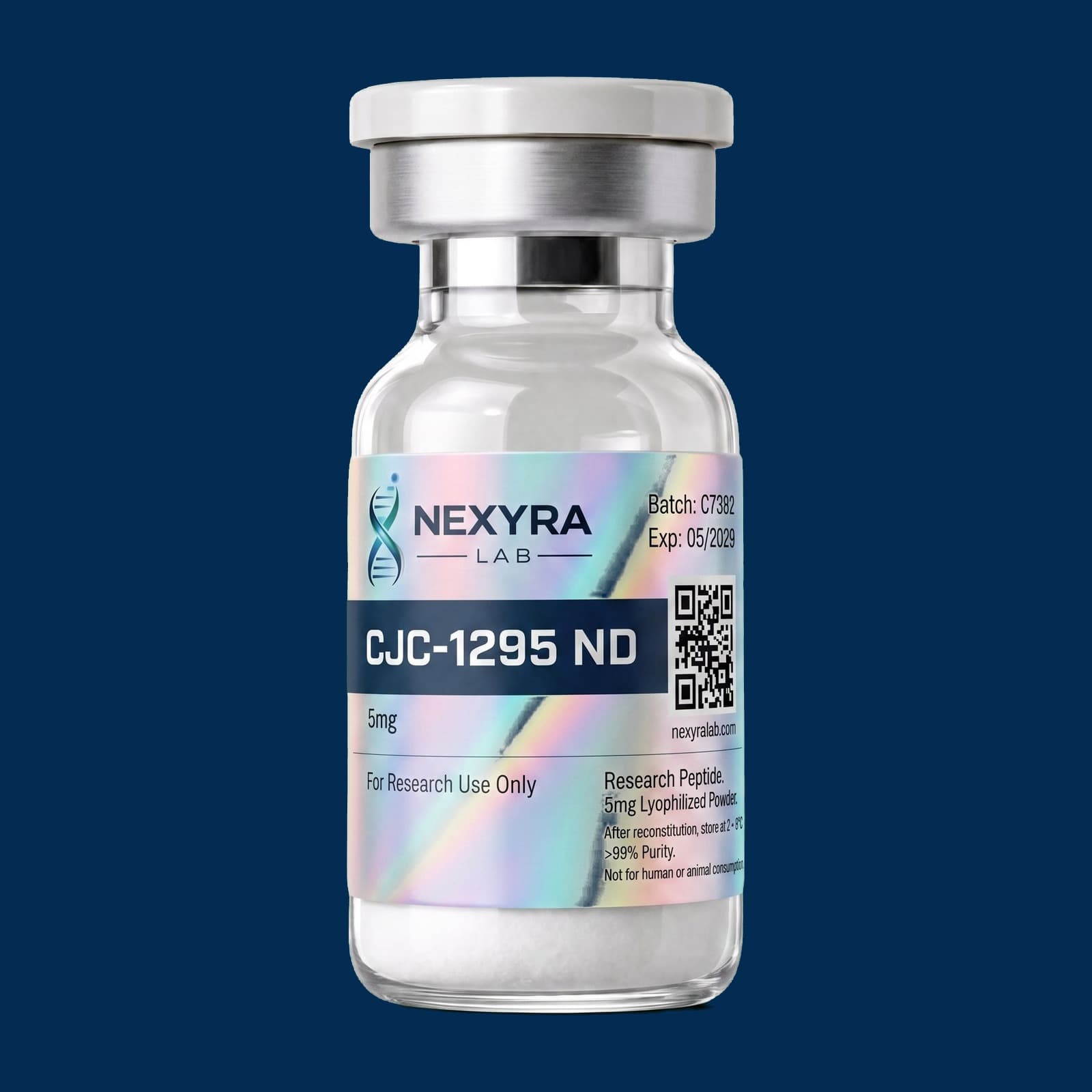
Semax Peptide is also available as part of the Brain & Cognition Stack — save 15% on the full stack.
How Semax Peptide Compares
Compare key research properties side by side with similar compounds. Switch compounds in the dropdowns to explore the full catalogue.
Purity and storage specifications are consistent across all Nexyra Lab lyophilised compounds. Pharmacokinetic data (half-life etc.) is not shown as it requires owner-confirmed verified references. For research planning and laboratory use only.
Resources & Support
Documentation, tools, and assistance for your research.
Frequently Asked Questions
Is this product for research use only?
Yes. All Nexyra Lab products are strictly for in vitro research and laboratory use by qualified researchers. They are not approved for human or veterinary use by the FDA, EMA, or any other regulatory authority.
Is a Certificate of Analysis (COA) available?
Yes. A batch-specific COA from our independent third-party testing laboratory is published on our COA page — match your vial's batch number to access HPLC purity data, MS identity confirmation, batch number, and production date.
What does the Certificate of Analysis confirm?
The COA confirms: (1) purity ≥99% by HPLC; (2) molecular identity by mass spectrometry; (3) the batch number for traceability; and (4) the production date. It is produced by an independent laboratory, not by Nexyra Lab itself.
How should lyophilised peptides be stored?
Store lyophilised (freeze-dried) peptides at -20°C in a sealed, dry container away from light and moisture. Avoid repeated freeze-thaw cycles. Once reconstituted, store at 4°C and use within 30 days for most peptides.
How do I reconstitute lyophilised peptides?
For most peptides, use sterile bacteriostatic water (BAC water) or sterile saline. Add the solvent slowly down the inside of the vial — do not inject directly onto the powder. Gently swirl until dissolved; do not shake. Use our Reconstitution Calculator at /peptide-calculator to determine the exact volume for your target concentration.
What are your dispatch and delivery times?
Orders placed before 3 pm on UK working days are dispatched same day. Standard UK delivery typically arrives within 1–3 working days. All orders are shipped in discreet, plain outer packaging with no reference to the contents.
What is your returns policy?
Due to the nature of research compounds and cold-chain requirements, we are unable to accept returns on opened products. If a product arrives damaged or incorrect, please contact our team within 48 hours of receipt and we will resolve the issue promptly.
What purity standard do your peptides meet?
All Nexyra Lab peptides are independently verified at ≥99% purity by HPLC before dispatch. Mass Spectrometry confirms molecular identity. This applies to every batch — the COA is batch-specific, not a generic certificate.


