










The Risky Peptide Trend: Youth Turn to Unregulated Injections Fueled by Social Media
A concerning trend is emerging among young people, particularly teenage boys, who are increasingly turning to injectable peptides in pursuit of perceived physical perfection. Driven by social media influencers and online communities, this practice involves self-administering unregulated substances, often sourced from foreign countries, with little to no scientific backing for human use.
Key Takeaways
- Unregulated peptides are being promoted online for a wide range of benefits, from muscle gain to skin improvement.
- These substances lack rigorous testing and quality control, posing significant health risks.
- Social media platforms and influencers are key drivers of this dangerous trend.
- Medical professionals warn of potential side effects, including allergic reactions, infections, and even accelerated cancer growth.
The Allure of 'Perfection'
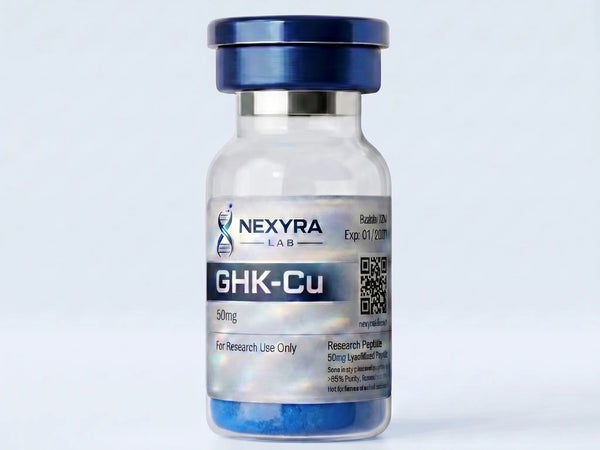
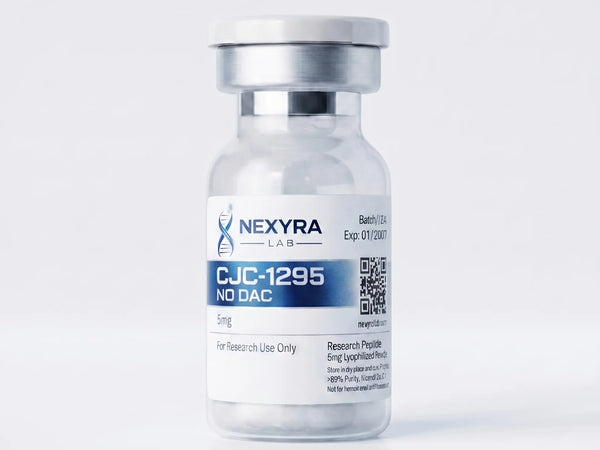
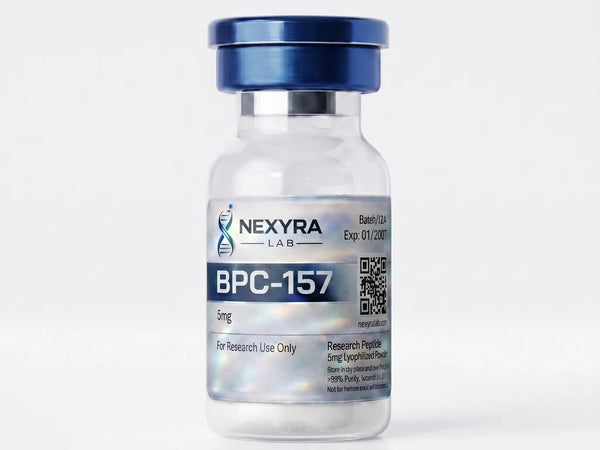
Injectable peptides, short chains of amino acids that naturally occur in the body and play various regulatory roles, have become a focal point of online wellness communities. Platforms like Discord, Telegram, and TikTok are rife with content showcasing individuals injecting themselves with substances like BPC-157, GHK-Cu, and TB-500. These peptides are often marketed with claims of enhanced athletic performance, accelerated injury recovery, weight loss, improved mental function, and anti-aging benefits. The "Wolverine stack," a combination of BPC-157 and TB-500, is particularly popular due to its purported regenerative properties, drawing parallels to the fictional superhero.
A Dangerous 'Grey Market'
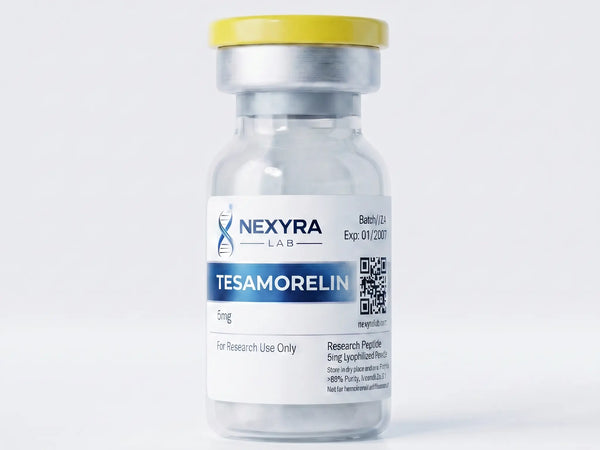
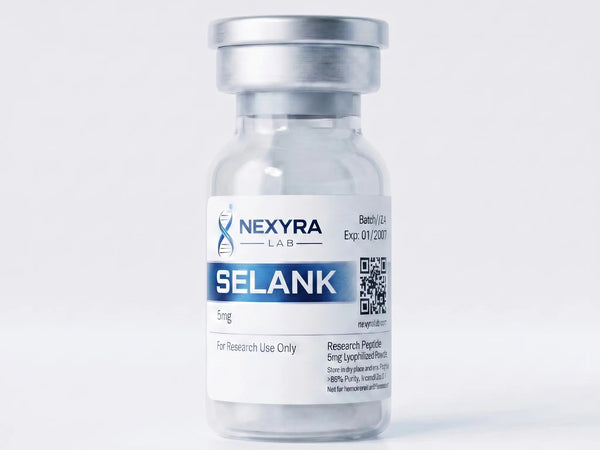
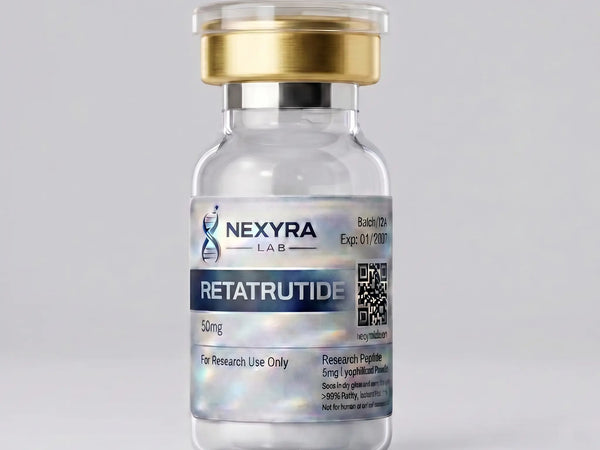
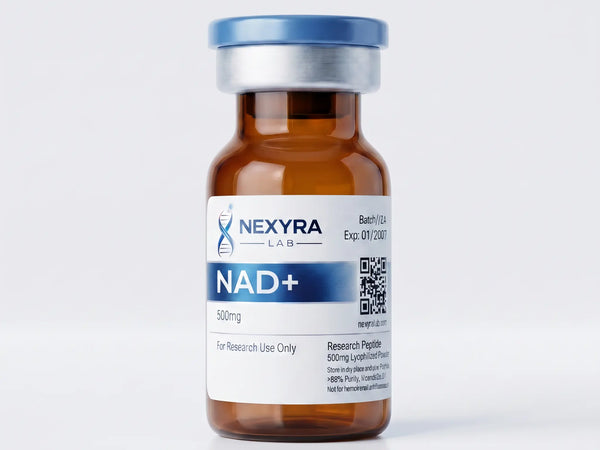
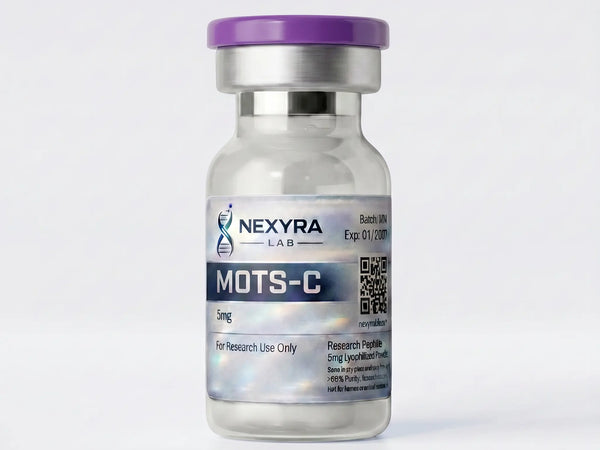
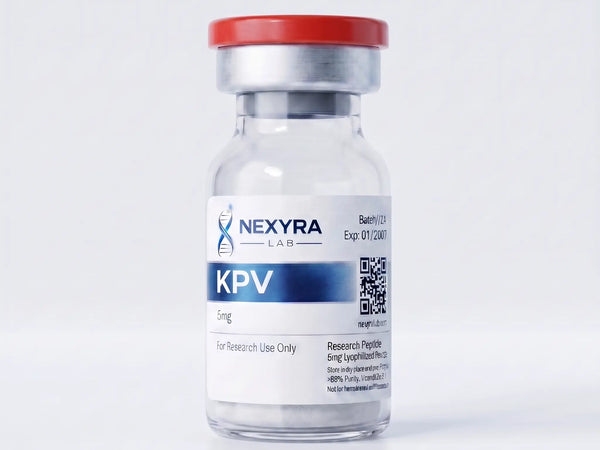
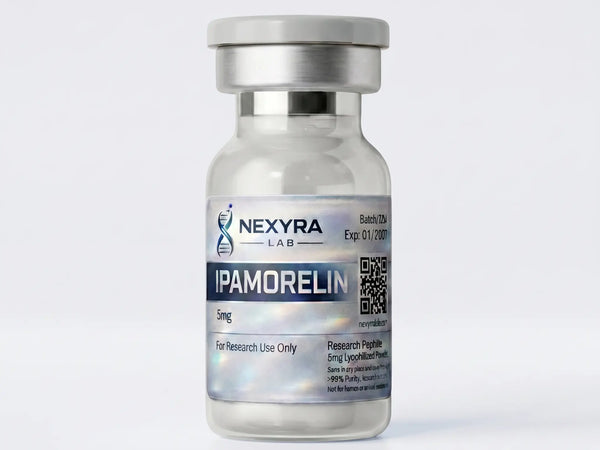
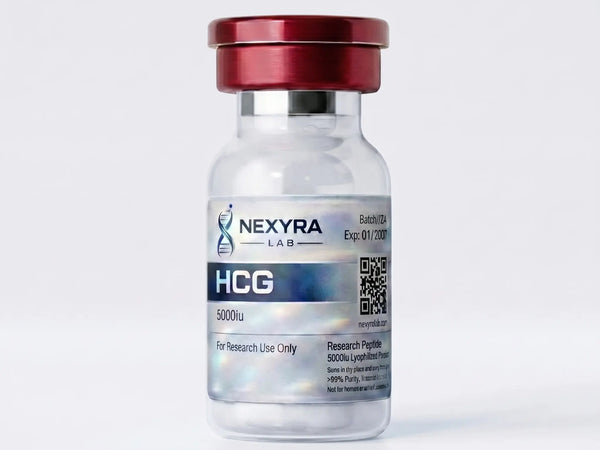
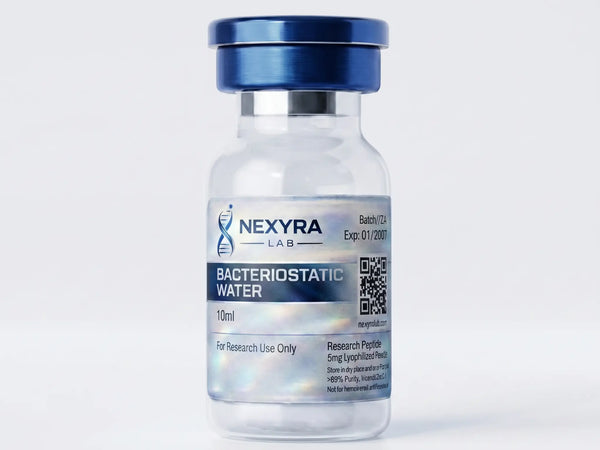
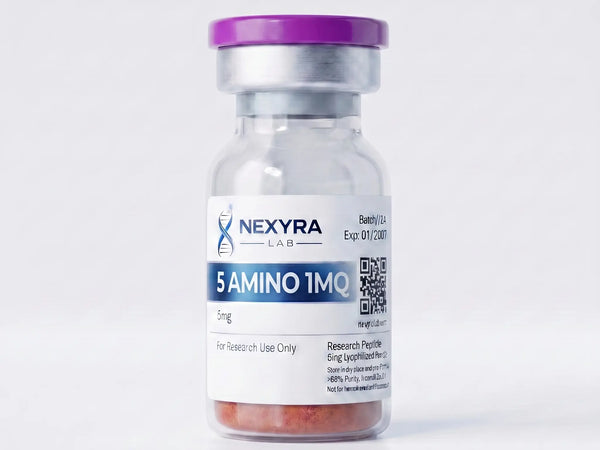
These trending peptides exist in a "grey market," meaning they are not approved by regulatory bodies like the FDA or MHRA for human consumption. They are often sold online with disclaimers such as "for research purposes only" as a legal loophole. A significant portion of these unregulated substances originate from China. While some peptides are synthetic versions of naturally occurring compounds, their purity, potency, and safety are not guaranteed. This lack of quality control means users are essentially experimenting on themselves, with potential contaminants and incorrect dosages posing serious health threats.
Health Risks and Warnings
Medical professionals are sounding the alarm about the significant risks associated with injecting unregulated peptides. The FDA warns of serious safety concerns, including severe allergic reactions. Experts highlight that these substances are not targeted and could activate detrimental pathways in the body. There's a particular concern that peptides promoting cell growth could accelerate the development of undiagnosed cancers. Other potential risks include acromegaly (abnormal growth), muscle paralysis, scarring, and sepsis from improper injection techniques. Furthermore, the composition of these "research chemicals" can be misleading, with added components increasing the risk of adverse reactions. Anecdotal reports include rashes, numbness, and mood shifts, with some individuals requiring hospitalization after peptide injections.
Influencer Culture and Misinformation
Social media influencers, including prominent figures in the biohacking and wellness spaces, play a crucial role in popularizing these trends. Their endorsements, often based on anecdotal evidence rather than scientific research, create a powerful narrative that normalizes and encourages the use of these unproven substances. The success of regulated peptide-based drugs like Ozempic has also contributed to a lowered psychological barrier for self-injection, leading some to mistakenly believe all peptides are inherently safe. This misinformation, coupled with a desire for quick fixes and unrealistic body aesthetics, is driving young people to take dangerous risks with their health.
The Medical Community's Response
Doctors are increasingly encountering patients using grey-market peptides and are advising them to stop. For those unwilling to cease use, harm reduction advice is offered, emphasizing the importance of informing their doctor about any substances they are taking. The medical community stresses that injuries and health concerns are best managed through evidence-based methods like proper diagnosis, rehabilitation, training, sleep, and nutrition, rather than relying on the dubious promises of peptides as a cure-all.