







5-Amino-1MQ Research Guide UK 2026: NNMT Inhibition & Metabolic Studies
Here are the main points to remember about 5-Amino-1MQ research in the UK for 2026:
Key Takeaways
- 5-Amino-1MQ is a small molecule that inhibits the NNMT enzyme, affecting cellular energy and methylation.
- Preclinical studies in animals suggest potential benefits for metabolism and fat loss, but human trials are lacking.
- Currently, 5-Amino-1MQ is sold as a research chemical and is not approved for human use by any regulatory body.
- Its distribution in the UK falls into a gray market, raising concerns about purity, dosing, and safety.
- Individuals should be aware of the significant legal and safety considerations before even thinking about using 5-Amino-1MQ.
What Is 5-Amino-1MQ
Right then, let's talk about 5-Amino-1MQ. You might have seen it popping up in discussions about metabolic health or performance. Basically, it's a small molecule, not a peptide, that's been developed to target a specific enzyme in our bodies called nicotinamide N-methyltransferase, or NNMT for short. Think of NNMT as a bit of a regulator for how our cells handle energy and store fat.
5-Amino-1MQ is a selective inhibitor of this NNMT enzyme. This means it's designed to block NNMT's activity. The whole point behind this inhibition is to influence cellular metabolism. Researchers initially looked into it for its potential role in tackling obesity and metabolic issues. The idea is that by tweaking NNMT, we might be able to influence things like fat burning and overall energy expenditure.
Here's a quick rundown of what it is:
- Chemical Nature: It's a synthetic organic compound, specifically a methylquinolinium salt.
- Primary Action: It inhibits the NNMT enzyme.
- Research Focus: Initially explored for obesity and metabolic syndrome.
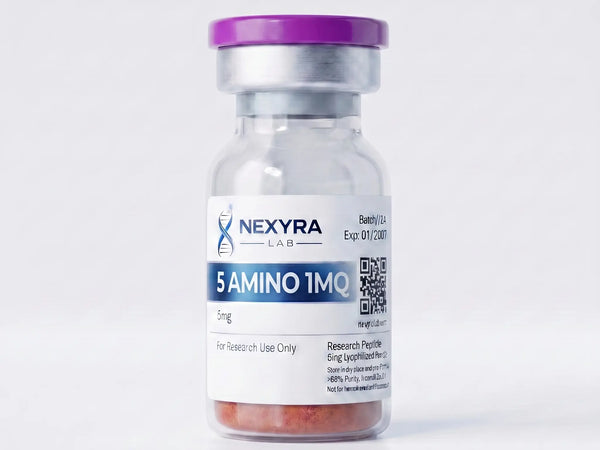
It's important to know that this isn't something you'll find prescribed by your GP. It's currently a research compound, meaning it's being studied and used in laboratory settings. You can find it from various research chemical vendors, often marketed for "research use only." For instance, Nexyra Lab offers this compound, ensuring high purity for scientific work.
The way 5-Amino-1MQ works is quite specific. It targets NNMT, an enzyme that uses up a crucial molecule called SAM (S-adenosylmethionine). SAM is like the cell's main 'methyl donor', needed for all sorts of important jobs, including regulating genes. When NNMT is very active, it uses too much SAM, which can mess with the cell's ability to manage its energy and gene expression. By inhibiting NNMT, 5-Amino-1MQ helps preserve SAM, which could potentially shift cellular processes towards better energy use and fat metabolism.
While it's not approved for human use by any major regulatory bodies, its potential 5-amino-1MQ benefits in areas like fat loss and energy metabolism have certainly sparked interest. You can find it available in different forms and quantities from suppliers like Nexyralab, though always remember it's for research purposes. Understanding its mechanism is key before considering any research applications.
How 5-Amino-1MQ Works
Right then, let's get into how this 5-Amino-1MQ stuff actually works in the body. It's not some magic pill, but it does have a pretty specific job. At its heart, 5-Amino-1MQ is all about blocking an enzyme called nicotinamide N-methyltransferase, or NNMT for short. You find this enzyme in a few places, like your fat cells, liver, and muscles.
So, what's NNMT doing? Basically, it takes a methyl group from something called S-adenosylmethionine (SAM) and sticks it onto nicotinamide, which is a form of vitamin B3. This process creates 1-methylnicotinamide. The catch is, SAM is also super important for other jobs in the cell, like controlling gene expression through methylation. When NNMT is really busy, it uses up a lot of SAM, which can mess with these other vital processes. It also leads to a drop in NAD⁺, a coenzyme that's pretty key for making energy in your cells. Think of it like a drain on your cellular battery.
When NNMT activity is high, a few things can happen:
- NAD⁺ levels can dip, making it harder for your mitochondria to produce energy.
- Your body might lean more towards storing fat.
- Your overall metabolic rate could slow down, making it a struggle to lose weight.
By inhibiting NNMT, 5-Amino-1MQ stops this drain. This means your cells can keep hold of more NAD⁺, which helps with energy production and can encourage your body to burn fat for fuel instead of just storing it. It's a bit like clearing a blockage so things can flow properly again. This mechanism is thought to be behind its potential effects on metabolic efficiency.
Essentially, 5-Amino-1MQ works by protecting your cellular resources, particularly SAM and NAD⁺, from being excessively used up by NNMT. This allows your cells to function more efficiently, especially concerning energy metabolism and fat regulation.
Research has shown that blocking NNMT can lead to increased energy expenditure and reduced fat mass in animal studies, even without changes to diet or exercise. It's a pretty interesting way to influence your metabolism, and it's why people are looking into it for things like fat loss and improving cellular function.
NNMT Inhibition Mechanism
Right, so how does 5-Amino-1MQ actually do its thing? It all comes down to blocking an enzyme called Nicotinamide N-methyltransferase, or NNMT for short. This enzyme is found in various tissues, including fat cells, and its main job is to take a methyl group from a molecule called SAM (S-adenosylmethionine) and stick it onto nicotinamide. This process creates 1-methylnicotinamide, and importantly, it uses up those precious methyl donors and can actually deplete your cellular stores of NAD⁺.
When NNMT is running at full tilt:
- NAD⁺ levels can drop, which isn't great for how your mitochondria produce energy.
- Your body might lean more towards storing fat.
- Your overall metabolic rate can slow down, making it harder to shift fat.
By inhibiting NNMT, 5-Amino-1MQ stops this drain on NAD⁺, helping your cells keep more of it available. This means your metabolism can run more efficiently, and your body is encouraged to burn fat for energy rather than storing it. It’s a pretty neat trick, really. This enzyme's role in methylation is a key area of NNMT inhibitor research UK. The quinolinium structure of 5-Amino-1MQ is designed to fit specifically into the NNMT active site, which is important because SAM is used by lots of other enzymes too, and we don't want to mess with those unnecessarily. The NNMT enzyme function is quite specific, and this compound seems to target it well.
The way 5-Amino-1MQ works is by selectively blocking NNMT. This action prevents the enzyme from transferring methyl groups, which in turn helps preserve SAM and maintain higher levels of NAD⁺. This shift in cellular chemistry encourages the body to favour fat oxidation and can improve overall metabolic efficiency.
Think of it like this: NNMT is a bit of a metabolic brake, and 5-Amino-1MQ is what releases that brake. It’s a targeted approach to influencing how your body handles energy and fat. This mechanism is central to understanding its potential in metabolic studies.
NNMT Overexpression In Obesity
It's pretty clear that when it comes to obesity, the enzyme Nicotinamide N-Methyltransferase (NNMT) tends to get a bit overactive. In people who are lean, NNMT activity in their fat tissue is usually pretty low-key. But in those carrying extra weight, especially around the middle, NNMT levels in white adipose tissue and the liver can really ramp up.
Think of it like this:
- Lean individuals: Low NNMT activity in fat.
- Obese individuals: Significantly higher NNMT activity in fat and liver.
Studies have shown a pretty strong link here. For instance, research looking at hundreds of participants found that higher levels of a substance called 1-methylnicotinamide (MNA) in the blood, which is related to NNMT activity, correlated with more NNMT in fat tissue. This MNA also seemed to be inversely related to how well the body handled insulin. Interestingly, when people improved their insulin sensitivity through things like exercise or weight loss surgery, their NNMT levels in fat tissue actually dropped. This suggests that NNMT activity isn't just a bystander but is actively involved in metabolic problems associated with obesity.
The evidence points towards NNMT being a player in the metabolic changes seen in obesity, rather than just a passive marker. While we see these strong correlations in humans, it's still a bit of a puzzle whether reducing NNMT activity would directly reverse these issues. However, the fact that the NNMT pathway is clearly active in human obesity is what makes it such an interesting target for research, including compounds like 5-Amino-1MQ.
What's also fascinating is how NNMT seems to actively participate in how fat cells develop and store fat. Research using cell cultures has shown that when NNMT is reduced, fat cells store less fat. Conversely, when NNMT is increased, they store more. This suggests that NNMT isn't just a sign of metabolic trouble but might actually contribute to it by influencing how fat cells function. It’s a complex picture, but the consistent finding is that elevated NNMT is a common feature in obesity and related metabolic conditions across different species, making it a key area of investigation for understanding and potentially treating these issues. This enzyme's role in fat storage is a core reason why researchers are looking into inhibitors like 5-Amino-1MQ.
Preclinical Efficacy Studies
Right then, let's talk about what the lab coats have been up to with 5-Amino-1MQ before it even gets a sniff of human trials. Most of what we know comes from studies done on mice, which, you know, isn't exactly the same as us, but it's a start.
Back in 2018, a pretty significant study showed that giving 5-Amino-1MQ to mice that were already overweight from a bad diet actually helped them lose weight. They were given 20 mg/kg of the stuff, three times a day, for just 11 days. And guess what? The mice got lighter, their fat tissue shrunk, and their blood cholesterol dropped. What's interesting is that they didn't even eat less; it seemed to be about how their bodies used energy. This was a big deal because it was the first time a small molecule like this had shown the same good effects as earlier methods that tried to block the NNMT enzyme.
Here's a quick look at what happened in that key study:
- Body Weight: Significantly reduced (p < 0.05).
- White Adipose Mass: Noticeably decreased (p < 0.01).
- Plasma Total Cholesterol: Lowered (p < 0.05).
- Adipocyte Size: Shrank considerably (p < 0.0001).
It's important to remember that these results are from mice and only over a short period. While promising, it doesn't automatically mean the same will happen in people.
Later on, researchers looked at combining 5-Amino-1MQ with dieting. In one study, giving the NNMT inhibitor along with a healthier diet to obese mice led to even better results. They saw reductions in body weight, fat mass, and even fat in the liver. Another study found that this combination also changed the gut bacteria in the mice, hinting that the effects might spread beyond just fat tissue. It's quite a complex picture, really, and we're still piecing it together. The research into NNMT inhibition is ongoing, trying to understand these wider effects.
There was also some work done on older mice, looking at their muscles. A 2019 study found that this type of NNMT inhibitor could help muscle stem cells work better. This suggests it might not just be about weight but could also play a role in muscle health as we age, potentially improving how muscles repair themselves. This is a different angle from the metabolic studies, showing the compound might have a few tricks up its sleeve. However, again, this was all in rodents, so we're a long way from knowing if it applies to us. The development of novel NNMT inhibitors continues to explore these possibilities.
Comparison To NAD+ Precursors
Right, so let's talk about how 5-Amino-1MQ stacks up against those NAD+ precursors, like NMN and NR. It's a bit like comparing apples and oranges, but both are aiming for better metabolic health, just from different angles.
NAD+ precursors, such as nicotinamide riboside (NR) and nicotinamide mononucleotide (NMN), work by directly topping up your body's NAD+ supply. Think of it as adding more fuel to the fire. The idea is that as we age, our NAD+ levels drop, which can mess with things like energy production in our cells and how well our mitochondria function. By giving you more NMN or NR, you're essentially giving your body more building blocks to make NAD+.
However, the human evidence for these precursors isn't always as clear-cut as the animal studies suggest. Some trials have shown them to be safe, but the actual metabolic benefits, like improved insulin sensitivity, haven't always panned out consistently in people. It's a bit of a mixed bag, really.
While NAD+ precursors aim to boost NAD+ levels directly, 5-Amino-1MQ takes a different route by inhibiting NNMT. This inhibition indirectly helps preserve NAD+ by preventing the methylation of nicotinamide, a key step in NAD+ synthesis. It also has the added benefit of maintaining SAM levels, which precursors don't address.
5-Amino-1MQ, on the other hand, works by inhibiting an enzyme called NNMT. This enzyme normally takes a molecule called nicotinamide and 'methylates' it, essentially marking it for disposal. This process not only wastes nicotinamide but also diverts it away from being used to create more NAD+. So, by blocking NNMT, 5-Amino-1MQ helps conserve nicotinamide, allowing your body to produce more NAD+ naturally. It's a bit more of an indirect approach, but it also has the bonus of helping to maintain levels of S-adenosylmethionine (SAM), which is important for various cellular processes. This dual action – preserving nicotinamide for NAD+ and maintaining SAM – is something that simply taking NMN or NR wouldn't achieve on its own. Research into NNMT inhibition is ongoing, exploring these distinct pathways.
Here's a quick breakdown:
- NAD+ Precursors (NMN, NR):
- Directly increase NAD+ levels.
- Provide building blocks for NAD+ synthesis.
- Human trial results for metabolic benefits are inconsistent.
- 5-Amino-1MQ:
- Inhibits NNMT, indirectly preserving NAD+.
- Conserves nicotinamide for NAD+ production.
- Helps maintain SAM levels.
- Influences adipose tissue to favour fat oxidation [0f86].
So, while both strategies are looking at the NAD+ pathway, they're not really interchangeable. 5-Amino-1MQ seems to offer a more nuanced approach by tackling NNMT, which has downstream effects on NAD+ and methylation, rather than just adding more precursors to the system. It's an interesting distinction when you're looking at metabolic research in the UK.
Comparison To Semaglutide And Tirzepatide
When we look at how 5-Amino-1MQ stacks up against the big names in weight management like semaglutide and tirzepatide, it's clear they're playing different games entirely. Semaglutide and tirzepatide are primarily known as GLP-1 receptor agonists, with tirzepatide also hitting the GIP receptor. Their mechanism involves mimicking gut hormones that signal fullness and regulate blood sugar, leading to reduced appetite and improved glucose control. This is a well-established pathway with a growing body of human data.
5-Amino-1MQ, on the other hand, works through NNMT inhibition. It's not about mimicking hormones; it's about tweaking cellular metabolism. By inhibiting the enzyme Nicotinamide N-methyltransferase (NNMT), it's thought to preserve SAM (S-adenosylmethionine) and potentially shift adipose tissue towards burning more energy. This is a fundamentally different approach. Crucially, while semaglutide and tirzepatide have extensive human clinical trial data and regulatory approval for specific conditions, 5-Amino-1MQ remains a research compound with preclinical data primarily from animal studies.
Here's a quick breakdown of the differences:
- Mechanism of Action:
- Semaglutide/Tirzepatide: GLP-1 (and GIP) receptor agonism.
- 5-Amino-1MQ: NNMT inhibition.
- Human Data:
- Semaglutide/Tirzepatide: Abundant human trial data, approved for type 2 diabetes and obesity.
- 5-Amino-1MQ: Primarily rodent studies; no published human trials.
- Target Pathway:
- Semaglutide/Tirzepatide: Gut-brain axis, insulin secretion, appetite regulation.
- 5-Amino-1MQ: Cellular methylation, SAM levels, adipose tissue energy expenditure.
It's important to remember that comparing the efficacy of these compounds based solely on preclinical data for 5-Amino-1MQ would be misleading. The journey from mouse studies to human therapeutic benefit is long and often unpredictable. For instance, retatrutide, another compound targeting metabolic pathways, has shown significant promise in its own right, but it too operates on different receptor systems than 5-Amino-1MQ.
The distinction in how these compounds work means they aren't directly interchangeable, even if they were to achieve similar outcomes. One targets hormonal signalling pathways, while the other aims to alter fundamental cellular metabolic processes. This difference is key when considering their potential applications and the research needed to validate them for human use.
Regulatory Status UK 2026
Right now, in the UK in 2026, 5-Amino-1MQ isn't approved for human use by any official health bodies. This means it's not available as a medicine or a dietary supplement. Think of it as being in a research phase, and that's pretty much it. It hasn't gone through the rigorous testing needed to prove it's safe and effective for people.
Because of this, you won't find it on pharmacy shelves or in health food stores. The only place it's legally accessible is for laboratory research purposes. This is a pretty strict boundary, and it's important to respect it. Trying to get it for personal use outside of approved research settings could land you in a bit of bother.
- Not approved for human consumption.
- Sold strictly for laboratory research.
- No official safety or efficacy data in humans.
If you're an athlete, especially one subject to drug testing, you'll want to be extra careful. Compounds like 5-Amino-1MQ, even if not specifically named, can fall under broader categories of banned substances by organisations like WADA. It's always best to assume it's off-limits unless your governing body explicitly says otherwise. Getting caught with an unapproved substance can lead to serious sanctions, and nobody wants that.
The lack of regulatory approval means that any product claiming to be 5-Amino-1MQ for human use is likely being sold through unofficial channels. These sources often don't adhere to pharmaceutical manufacturing standards, raising concerns about purity, accurate dosing, and potential contamination. It's a bit of a gamble, really.
For those interested in compounds that are approved or in advanced stages of clinical trials for metabolic health, it's worth looking into the established pathways. This investigational compound, 5-Amino-1MQ, remains firmly in the research category, and its journey to potential human application is still very much in its early stages, with no clear timeline for any kind of UK approval. You can find more information on the general status of such compounds on sites discussing research chemical regulations.
Gray-Market Distribution
Right now, 5-Amino-1MQ isn't an approved medicine anywhere, which means it's mostly found through what people call the 'gray market'. This basically means it's sold by companies that deal in research chemicals, not by proper pharmaceutical firms. You'll see it advertised for 'research use only', often popping up on forums and websites catering to people interested in body composition or performance. The biggest issue here is that there's no real oversight on what you're actually getting.
When you buy from these kinds of vendors, you're taking a bit of a gamble. There's no guarantee about the purity of the compound, the exact dose in each batch, or even if it's free from nasty contaminants. It's a far cry from the strict manufacturing standards you'd expect from a regulated drug. This lack of quality control is a significant concern, especially when you're thinking about putting something into your body. It's why many researchers and enthusiasts are looking for more reliable sources, even if that means waiting for formal approval.
Here's a quick rundown of what that means in practice:
- Purity and Contamination: You might not get what the label says, or it could be mixed with other things.
- Dosing Inconsistency: The amount in each capsule or vial can vary wildly.
- Lack of Verification: No independent body checks these products for safety or effectiveness.
Because it's not approved, it's also a bit of a minefield for athletes. The World Anti-Doping Agency (WADA) has a catch-all category (S0) for substances not approved for human use, meaning even if 5-Amino-1MQ isn't specifically listed, it can still lead to a ban if detected. So, if you're competing, it's probably best to steer clear unless your sport's governing body gives it the all-clear, which is unlikely at this stage. For those looking for scientifically backed compounds, exploring options like NAD+ homeostasis might be a more straightforward path.
The reality is that while the science behind NNMT inhibition is intriguing, the current distribution channels for 5-Amino-1MQ mean users are essentially self-experimenting without a safety net. This situation highlights the gap between promising preclinical research and the availability of safe, regulated human treatments.
Side Effects And Safety

Right then, let's talk about the not-so-fun stuff: side effects and safety when it comes to 5-Amino-1MQ. It's pretty important to get this sorted before you even think about trying anything new, especially with compounds like this. The main thing to get your head around is that there's currently no published human safety data for 5-Amino-1MQ. Yep, you read that right. Everything we know, or think we know, comes from animal studies or theoretical ideas based on how it works. So, any use in humans is really experimental at this stage.
Because it's so new and unproven in people, the full picture of potential harms is just unknown. It's not like a medicine that's gone through years of rigorous testing. The stuff you might find floating around as 'research chemicals' isn't made in proper pharmaceutical factories, so you can't be sure about its purity or if the dose is actually what it says on the tin. This is a big deal when you're thinking about putting something in your body.
Here are some of the things that people are thinking about, based on how 5-Amino-1MQ works:
- Altered Methylation: It messes with something called SAM (S-adenosylmethionine), which is involved in loads of methylation reactions. We don't fully grasp what happens when SAM levels are consistently higher than usual, especially in different types of cells.
- Signalling Molecule Effects: The stuff it stops, 1-methylnicotinamide, is actually a signalling molecule itself, particularly in muscles. Messing with its production might affect how your muscles manage energy, and again, we don't know the long-term impact of that.
- Gut Microbiome Changes: Some mouse studies have hinted that it can change the gut bacteria. Whether that's good, bad, or just different for humans is still up in the air.
The lack of human trials means we're in uncharted territory regarding safety. Theoretical concerns, while not definitive proof of harm, highlight areas where caution is warranted. These include potential off-target effects from elevated SAM, unknown impacts on specific cellular signalling pathways, and the possibility of interactions with other substances or biological processes that haven't been identified yet.
When it comes to specific groups, there are definitely people who should steer clear. This includes anyone who is pregnant or breastfeeding, obviously. Also, if you have any concerns about cancer, or if you're taking medications that affect methylation or related pathways, it's a big no-no. People with liver or kidney problems are also in a high-risk category. It's really best to think of this as something that hasn't been cleared for general use, and you can find more about its mechanism at how 5-Amino-1MQ works.
For athletes, it's worth noting that while not explicitly banned by WADA yet, it could fall under metabolic modulator rules, so checking with your governing body is a smart move. Remember, the products available are often from the gray market distribution and not subject to the same quality controls as approved medicines.
Who Should Not Use 5-Amino-1MQ
Right then, let's talk about who really ought to steer clear of 5-Amino-1MQ. Honestly, the straightforward answer is: pretty much everyone, unless you're part of a properly approved clinical research study. Since this compound hasn't gone through the usual human trials, we just don't have a solid safety profile for it. That means the full picture of what could go wrong is, well, unknown. And those "research chemicals" you see floating around online? They aren't made to the same standards as actual medicines, so you're taking a bit of a gamble there.
There are a few specific situations where extra caution is definitely needed, based on how we think 5-Amino-1MQ works. For starters, if you're expecting or breastfeeding, it's a definite no-go. We have no idea what it could do to a developing baby or a nursing infant. Also, if there's any history or suspicion of cancer, it's best to avoid it. NNMT, the enzyme 5-Amino-1MQ targets, plays a role in cancer cells, so messing with it could be risky.
Here's a quick rundown of groups who should be particularly careful:
- Individuals who are pregnant or breastfeeding: The effects on foetal development and infants are completely unknown.
- Those with a history or suspicion of cancer: NNMT's role in cancer biology means this is a significant concern.
- People taking medications that affect methylation pathways: This includes drugs influencing folate metabolism or SAM-dependent enzymes. Altering these systems could lead to unpredictable outcomes.
- Individuals with liver or kidney problems: These organs are key in processing substances, and their impaired function could lead to unexpected build-up or effects.
The way 5-Amino-1MQ works involves tinkering with methylation processes in the body. This is a really fundamental biological mechanism, involved in everything from DNA to protein function. When you inhibit NNMT, you can increase levels of SAM (S-adenosylmethionine), which is a key player in these methylation reactions. The long-term consequences of having higher SAM levels, especially outside the specific tissues studied in animals, are not well understood in humans. It's a bit like changing a setting on a complex machine without knowing all the downstream effects.
If you're an athlete, you'll want to be extra careful too. While 5-Amino-1MQ isn't specifically listed on the WADA prohibited list for 2026, it could fall under the broader category of metabolic modulators. It's always best to check with your sports governing body before considering anything like this, as using unapproved substances can lead to serious penalties. For those looking for performance benefits, sticking to well-researched and approved options is usually the safest bet, like exploring various metabolic pathways.
Ultimately, because human safety data is so limited, it's hard to give a definitive list of who can use it. The general advice is to err on the side of caution. If you're considering using it for research purposes, make sure you're sourcing it from a reputable supplier to minimise risks associated with purity and dosing, which is a common issue with compounds sold online.
Approval Status And Future Outlook
Right now, in mid-2026, 5-Amino-1MQ is still very much in the research phase. It hasn't made its way through any official regulatory channels like the FDA or its UK equivalent. This means there are no approved uses for it in humans, and you won't find any registered clinical trials for it on sites like ClinicalTrials.gov. It's essentially a compound that's moved from academic labs into the hands of research chemical suppliers, often labelled strictly for "research use only".
The journey from a research compound to an approved medication is a long and complex one, typically taking many years and costing a fortune, with no guarantee of success. For 5-Amino-1MQ to even be considered for human use, it would need to go through extensive preclinical safety testing, followed by multiple phases of human trials. This process is usually driven by pharmaceutical companies, and so far, none have publicly committed to developing 5-Amino-1MQ.
While there's genuine academic interest in targeting the NNMT enzyme for metabolic conditions, it's unclear if this will translate into a formal clinical program specifically for 5-Amino-1MQ. It's more likely that future developments might involve next-generation inhibitors designed by larger companies.
The mechanistic rationale behind 5-Amino-1MQ's action is compelling, particularly its dual effect on NAD+ levels and SAM restoration, which differs from other approaches. However, translating this preclinical promise into human benefit requires rigorous clinical investigation. Without human trials, any claims about its efficacy or safety in people remain speculative.
Here's a look at where things stand:
- Current Status: Preclinical research compound, not approved for human use.
- Regulatory Pathway: No IND application filed, no clinical trials registered.
- Future Development: Dependent on pharmaceutical investment and successful completion of extensive human trials.
It's important to remember that while compounds like this are interesting for their potential, they are not yet proven therapies. The scientific community is watching NNMT inhibition closely, but for now, 5-Amino-1MQ remains a subject of laboratory investigation, not a treatment option. You can find more information on NNMT inhibition and its role in metabolism.
Human Genetic Data On NNMT
It's pretty interesting how our genes can influence our metabolism, and the NNMT gene is no exception. Studies have started to link variations in the NNMT gene to things like body mass index (BMI) and how much energy we burn just sitting around. For instance, research in a Mexican population found connections between specific NNMT gene variants and these metabolic traits. This suggests that differences in our DNA related to NNMT aren't just a curiosity; they seem to track with how our bodies handle energy in real life.
Beyond just the DNA sequence itself, there's also evidence pointing to epigenetic changes. Epigenetics is like the software that tells your genes when and how to run. Scientists have identified an epigenetic signature in human fat tissue that's connected to how active the NNMT gene is. This is a big deal because it shows that the NNMT pathway isn't just something that happens in lab animals; it's a dynamic player in human fat biology. It really makes you think about how complex our metabolic systems are.
The key takeaway from human genetic and epigenetic data is that the NNMT axis is biologically active and relevant to human metabolism.
Here's a bit more on what we're seeing:
- Gene Variants: Specific variations in the NNMT gene have been associated with BMI and resting energy expenditure in human studies.
- Epigenetic Signatures: Changes in how NNMT genes are expressed, not just the DNA sequence, have been observed in human adipose tissue.
- Metabolic Phenotype: These genetic and epigenetic factors appear to correlate with observable metabolic characteristics in people.
It's worth noting that while these studies show associations, they don't definitively prove that altering NNMT activity will reverse metabolic changes. However, they strongly motivate further research into NNMT inhibitors for conditions like obesity. The fact that Umbrella Labs is developing compounds like 5-amino-1MQ highlights the growing interest in this area.
Epigenetic Signatures In Adipose Tissue
It turns out that fat tissue isn't just a passive storage unit; it's a dynamic player in our metabolism, and its behaviour can be influenced by epigenetic changes. Researchers have been looking into how things like Nicotinamide N-Methyltransferase (NNMT) might be involved in these changes within adipose tissue. Basically, epigenetics refers to modifications to DNA that don't change the underlying genetic code but can switch genes on or off. Think of it like adding sticky notes to a recipe book – the recipes are still there, but the notes tell you which ones to use or skip.
Studies have suggested a link between NNMT gene expression and specific epigenetic patterns found in fat cells. This is quite interesting because it implies that the activity of NNMT could be part of a larger system that regulates how fat cells function and store energy. When NNMT levels are high, as they often are in obesity, it might be associated with certain epigenetic marks that promote fat storage or hinder fat breakdown. Conversely, when NNMT is reduced, these epigenetic patterns might shift, potentially favouring a more metabolically active state in the fat tissue. This connection is explored in research looking at the effects of NNMT knockdown in both fat and liver tissues.
Here's a bit more on what's being observed:
- NNMT and Lipid Accumulation: In lab studies using fat cells, reducing NNMT activity led to less fat being stored. When NNMT was increased, the cells stored more fat. This suggests NNMT plays a role in how much fat cells can hold.
- Glucose Influence: The amount of glucose available seems to affect how much NNMT is produced in fat cells, linking its activity to the cell's immediate nutrient environment.
- Adipose Tissue Identity: NNMT appears to be actively involved in the development of different types of fat cells, not just a marker of existing problems.
- Hormonal Pathways: There's evidence that NNMT can influence hormonal pathways that control how fat cells develop and differentiate.
The idea that NNMT could be involved in epigenetic regulation within adipose tissue is a significant area of study. It opens up possibilities for understanding how metabolic diseases develop and how they might be targeted. If NNMT activity influences epigenetic marks, then modulating NNMT could potentially reset some of the metabolic dysfunctions seen in obesity.
Understanding these epigenetic signatures is key. It helps us see how factors like diet and weight can leave a lasting mark on our fat tissue's function. It's a complex interplay, and while much of this research is still in its early stages, it points towards NNMT as a potential target for influencing metabolic health through epigenetic mechanisms. The implications for reproductive health are also being investigated, with some studies noting NNMT inhibition's effect on embryo implantation rates.
Structure-Activity Relationship Studies
When scientists are developing new compounds, they often look at how small changes to a molecule's structure affect what it does. This is called structure-activity relationship, or SAR, studies. For 5-Amino-1MQ, this kind of work has been going on to figure out which parts of the molecule are most important for inhibiting NNMT.
Researchers have explored various modifications to the quinolinium core. For instance, altering the position or type of substituents on the aromatic rings can significantly impact binding affinity to the NNMT enzyme. The methyl group at the 1-position and the amino group at the 5-position appear to be quite important for its inhibitory action.
Here's a simplified look at some structural aspects and their potential impact:
- Quinolinium Ring System: This core structure is vital for interacting with the enzyme's active site.
- Amino Group (at position 5): This group seems to play a key role in how the molecule binds and inhibits NNMT.
- Methyl Group (at position 1): This also appears to be important for effective inhibition.
- Other Substituents: Modifications elsewhere on the ring system can fine-tune potency and selectivity, potentially reducing off-target effects.
The goal is to create molecules that are potent NNMT inhibitors while also being safe and well-tolerated. Early research, like that published in the Journal of Medicinal Chemistry, has mapped out some of these relationships, helping to guide the design of next-generation NNMT inhibitors.
Understanding these SARs is like having a blueprint for drug design. It tells scientists which parts of the molecule are doing the heavy lifting and which parts can be tweaked to improve performance or reduce unwanted side effects. This systematic approach is how promising compounds move from the lab bench towards potential therapeutic applications.
While 5-Amino-1MQ itself has been studied, the broader pipeline of NNMT inhibitors is also being explored, building on the insights gained from these SAR studies. This ongoing work aims to develop even more effective and targeted compounds for metabolic conditions. This research helps us understand how these molecules work at a fundamental level.
Theoretical Concerns From Mechanism
While the mechanism of 5-Amino-1MQ, centred on inhibiting NNMT, seems promising for metabolic health, there are a few points that give researchers pause. The main idea is that by blocking NNMT, we can boost SAM levels and improve methylation processes, which sounds great. However, SAM is a pretty busy molecule, involved in lots of different cellular jobs. We need to be sure that selectively increasing SAM for NNMT inhibition doesn't accidentally mess up other vital methylation pathways.
Think of it like this:
- SAM's Many Roles: SAM (S-adenosylmethionine) is the primary methyl donor in the body. It's used for everything from DNA and RNA methylation to protein modification and the synthesis of neurotransmitters and hormones.
- Potential for Off-Target Effects: If boosting SAM levels significantly impacts these other processes, it could lead to unforeseen consequences. For instance, altering DNA methylation patterns broadly could theoretically have implications for gene expression in ways we don't fully understand yet.
- The NAD+ Connection: While inhibiting NNMT is thought to preserve NAD+ levels, which is good for energy production, the exact downstream effects of this sustained NAD+ availability across all cell types and conditions aren't completely mapped out.
The concern isn't that 5-Amino-1MQ is inherently dangerous, but rather that our understanding of the intricate methylation network is still developing. We're essentially tweaking a complex system, and while the intended outcome is positive, unintended ripple effects are always a possibility that needs careful watching.
Researchers are also looking at how the body handles the increased SAM. While some studies suggest that the quinolinium structure of 5-Amino-1MQ is quite specific for NNMT, meaning it shouldn't broadly deplete SAM, it's always wise to consider the broader metabolic picture. The availability of compounds like MOTS-c for research also highlights the ongoing exploration into different metabolic regulators, each with its own theoretical considerations.
Gut Microbiome Effects
It's quite interesting how things we do for our bodies can ripple out and affect the tiny ecosystems living inside us, like our gut microbiome. Research suggests that compounds like 5-Amino-1MQ might actually change the mix of bacteria in your gut. One study looking at mice with diet-induced obesity found that when they were given an NNMT inhibitor along with a calorie-restricted diet, their gut bacteria populations shifted. This suggests that influencing our metabolism could have knock-on effects on our gut health.
The exact implications of these changes for human health are still a bit fuzzy, but it's a promising area of research.
Here's a bit of what we're seeing:
- Altered Bacterial Composition: Studies have noted changes in the types and amounts of different bacteria present in the gut after NNMT inhibition.
- Metabolic By-product Changes: These shifts in bacteria can influence the production of various compounds that our gut microbes create, which in turn can affect our overall metabolism.
- Potential for Probiotic Synergy: There's a thought that combining NNMT inhibitors with specific probiotics might offer a more rounded approach to metabolic health, though this is very speculative at this stage.
It's a complex interplay, and more work is needed to really understand how these gut changes translate into tangible benefits or risks for people. We're still trying to get a handle on how to best manage our health, and understanding the gut is a big part of that. For now, it seems like influencing NNMT could be another way to potentially nudge the gut environment in a helpful direction, but it's not something to jump into without careful consideration.
The gut microbiome is a dynamic community, and interventions that affect systemic metabolism, like NNMT inhibition, are likely to influence it. Understanding this bidirectional relationship is key to developing holistic health strategies. The research is still early days, but it points towards a future where we might manage gut health indirectly through metabolic pathways.
Cancer Risk Considerations
When we talk about 5-Amino-1MQ, it's important to consider all the angles, and cancer risk is definitely one of them. Right now, there's not a lot of solid human data to say for sure what the long-term effects might be, especially concerning cancer. NNMT itself is actually found in some cancer cells, which makes things a bit complicated. Inhibiting it could theoretically have different effects depending on the type of cancer or its stage.
We know that NNMT plays a role in methylation processes, and these are really important for how our cells behave, including how they grow and divide. Messing with these pathways, even with the goal of improving metabolism, could have unintended consequences down the line. It's a bit like tinkering with a complex machine – you might fix one part, but you don't always know how it affects the rest.
Here's a breakdown of what we're thinking about:
- Unknown Long-Term Effects: The biggest issue is the lack of studies looking at cancer risk over extended periods in humans. Most of what we know comes from animal models, and those aren't always a perfect match for us.
- NNMT Expression in Cancers: NNMT is sometimes overexpressed in certain types of cancer. How inhibiting it might affect these specific cancers is not well understood.
- Methylation Pathway Alterations: By inhibiting NNMT, we're altering the body's methylation balance. This could potentially influence DNA stability and cell proliferation, which are key factors in cancer development.
The current understanding of 5-Amino-1MQ's impact on cancer risk is largely theoretical. Because human trials are limited, any potential influence on cellular processes related to malignancy remains an area requiring significant further investigation. This is why its use is currently restricted to experimental settings.
Because of these unknowns, it's really crucial to be cautious. If you have any history of cancer or concerns about it, it's probably best to steer clear of compounds like 5-Amino-1MQ until we have much more information. The research into NNMT inhibition is still quite new, and we're only just beginning to scratch the surface of its full biological implications.
Pregnancy And Breastfeeding Considerations
Right, let's talk about using 5-Amino-1MQ if you're pregnant or breastfeeding. Honestly, the short answer is: don't. There's just no data out there on how this compound might affect a developing baby or a newborn. It's not just a case of 'better safe than sorry'; it's a complete unknown. Think about it – any medication or supplement taken during pregnancy or while nursing can have pretty significant ripple effects, and with 5-Amino-1MQ, we simply don't have any information to assess those risks. It's not recommended for use during pregnancy or lactation, and if you happen to feel unwell after any contact, you should see a doctor straight away [0256].
We don't have any studies looking at reproductive or developmental toxicology. This means we have no idea if it could cause birth defects, affect growth, or have any other long-term impacts on a child. It's a bit like trying to navigate a dark room without a torch – you just don't know what you might bump into. Given that NNMT inhibition affects methylation pathways, which are pretty fundamental to cell development, it's a particularly sensitive area.
- Lack of Human Data: No clinical trials have been conducted in pregnant or breastfeeding individuals.
- Unknown Developmental Effects: The impact on foetal development and infant health is entirely unstudied.
- Theoretical Concerns: Methylation processes are vital for development, and altering them without understanding the consequences is risky.
The absence of any safety data in this population means that any use would be purely experimental, with potentially serious and unpredictable outcomes for both the mother and the child. It's a situation where the potential for harm far outweighs any speculative benefit.
Because of this, it's really important to avoid 5-Amino-1MQ if you are pregnant, planning to become pregnant, or are breastfeeding. If you're already using it and discover you're pregnant, stop immediately and consult with a healthcare professional. They can help you understand the best course of action for your specific situation. Remember, the health of both you and your baby is the top priority, and when it comes to experimental compounds like this, caution is absolutely key [3276].
Hepatic And Renal Impairment
Right then, let's talk about how 5-Amino-1MQ might affect your liver and kidneys. It's a bit of a tricky area because, honestly, we just don't have a lot of solid human data yet. Since this compound is still pretty experimental, especially in the UK, anyone with existing liver or kidney issues needs to be extra cautious. Think of it like this: if your car's engine is already running a bit rough, you wouldn't want to start tinkering with it in ways that might put extra strain on it, would you? The same logic applies here.
We know that NNMT inhibition can lead to an increase in S-adenosylmethionine (SAM) levels. SAM is involved in all sorts of methylation processes throughout the body. While this might be beneficial for some metabolic functions, it's not entirely clear how a liver or kidney that's already struggling might handle these altered methylation patterns. The organs responsible for filtering and processing substances in our bodies are complex, and introducing something that changes fundamental cellular processes could have unforeseen consequences.
Here's a breakdown of what we don't know, which is pretty much everything when it comes to specific impacts:
- Human Safety Data: There are no formal studies looking at how 5-Amino-1MQ affects people with compromised hepatic or renal function.
- Metabolic Pathways: The exact pathways through which 5-Amino-1MQ is metabolised and excreted are not fully understood in humans, making it hard to predict how it would be handled by impaired organs.
- SAM Accumulation: The potential for SAM to accumulate or cause issues in the context of liver or kidney disease is not well-documented.
Because there's no established safety profile in humans, and particularly no data on individuals with hepatic or renal impairment, using 5-Amino-1MQ in these populations is not advised outside of a strictly controlled research setting. The risks are simply too unknown at this point.
If you're looking into compounds that affect metabolism, it's always wise to understand the basics of how they work, like how 5-Amino-1MQ works by inhibiting NNMT. But when it comes to specific health conditions, especially those involving vital organs like the liver and kidneys, the lack of human data for 5-Amino-1MQ means caution is the absolute watchword. It's not worth taking chances with these organs.
Concurrent Medication Interactions
When you're looking into compounds like 5-Amino-1MQ, it's really important to think about what else you're taking. Because this stuff works on methylation pathways and things like that, there's a real possibility of interactions. No drug interaction studies have actually been conducted for 5-Amino-1MQ, which means we're largely in the dark about how it might play with other medications.
This lack of data is a significant point. If you're on any prescription medications, especially those that affect methylation, folate metabolism, or rely on SAM (S-adenosylmethionine) dependent enzymes, you need to be extra cautious. It's not just about supplements; it's about anything that could potentially interfere with these complex biological processes. Think about it – messing with methylation could have knock-on effects you wouldn't expect.
Here are some general areas where caution is advised:
- Medications affecting methylation: This includes certain antidepressants, anticonvulsants, and even some supplements like SAMe itself.
- Folate metabolism drugs: Drugs that influence folate levels or its metabolic pathways could interact.
- SAM-dependent enzymes: Many biological processes rely on these, so a wide range of medications could theoretically be affected.
The absence of formal drug interaction studies means that any combination carries an unknown risk. It's not just about efficacy; it's about safety. Without proper testing, we can't predict whether interactions will be minor, significant, or even dangerous. This is a key reason why using 5-Amino-1MQ is considered experimental.
If you're considering using 5-Amino-1MQ alongside other compounds, perhaps for metabolic studies or other research purposes, it's wise to consult with a healthcare professional who understands these complex pathways. They might be able to offer guidance based on the known mechanisms of the drugs involved, even if direct interaction data for 5-Amino-1MQ isn't available. Remember, understanding your metabolic baseline is key before introducing new variables.
Understanding Metabolic Baseline
Before diving into any new metabolic research studies in the UK, or considering novel compounds like 5-Amino-1MQ, it's really important to get a handle on your own body's current state. Think of it like checking your car's engine before a long road trip – you need to know what you're starting with.
This means looking at a few key markers. These aren't just abstract numbers; they tell a story about how your body is processing energy and what its general metabolic health looks like. For instance, things like fasting glucose, insulin levels, and HbA1c give us a picture of how your body manages sugar. A full lipid panel, on the other hand, shows us how your body handles fats. We also need to consider body composition – not just weight, but the balance between muscle and fat. These are all measurable signals that can be influenced by compounds targeting metabolic pathways.
Here's a look at some of the core metrics to consider:
- Fasting Glucose & Insulin: Indicators of how well your body handles blood sugar and how sensitive you are to insulin.
- HbA1c: A longer-term view of your average blood sugar levels over the past 2-3 months.
- Lipid Profile: Details cholesterol and triglyceride levels, important for cardiovascular health.
- Body Composition Analysis: Measures lean mass versus fat mass, offering a more nuanced view than BMI alone.
- Liver Enzymes (ALT/AST): Can provide insights into liver health and metabolic function.
Understanding these baseline figures is key. It helps in assessing potential impacts of new metabolic compounds and provides a reference point for future changes. Without this, it's hard to say if any observed effects are truly due to an intervention or just normal fluctuations.
For those interested in the methylation axis, homocysteine levels can serve as a useful indicator. It's about establishing a clear picture of your individual metabolic landscape. This groundwork is vital for any serious exploration into new metabolic compounds in the UK, and it's something that can be done now, without waiting for extensive human trials on specific substances. It's a sensible first step before considering anything that might alter your body's natural metabolic processes.
Knowing your metabolic baseline is more than just a snapshot; it's the foundation for informed decisions about your health and any research you might undertake.
Stacking Strategies
When you're looking to get the most out of 5-Amino-1MQ, thinking about what else you're taking alongside it is pretty important. It's not just about the compound itself, but how it plays with other things you might be using for fitness or body composition goals. The idea is to create synergy, where the combined effect is greater than what each part could do alone.
For those focused on shedding fat, stacking 5-Amino-1MQ with compounds like AOD-9604 or Cardarine (GW-501516) can really amplify fat oxidation. AOD-9604 specifically targets lipolysis, while Cardarine helps with endurance and how your body uses fatty acids for energy. Starting these together at the beginning of a cutting phase can maximise the fat-burning potential right from the get-go.
If recovery is a big concern, perhaps after an injury or just to speed up your turnaround between tough workouts, pairing 5-Amino-1MQ with BPC-157 or TB-500 makes sense. These are known for their tissue repair and healing properties, which can complement the metabolic support 5-Amino-1MQ offers. It’s about creating an environment where your body can perform better and bounce back quicker.
Here’s a quick look at some common stacking ideas:
- Aggressive Fat Loss: Combine with CJC-1295/Ipamorelin and AOD-9604 during intense, short cutting periods.
- Endurance & Conditioning: Stack with Cardarine (GW-501516) to boost aerobic capacity and fat metabolism simultaneously.
- Recovery Focus: Pair with BPC-157 or TB-500 after strenuous activity or when dealing with joint stress.
It's worth remembering that while 5-Amino-1MQ works on a cellular level to improve metabolic efficiency, combining it with other agents requires careful planning. The goal is to support your body's natural processes, not to overwhelm them. Always consider your individual response and consult with a knowledgeable professional if you're unsure about potential interactions or suitability for your specific goals. This approach can be particularly useful when looking at overseas property investment as part of a broader life strategy, ensuring all aspects of your well-being are considered.
When you're thinking about stacking, it's also a good time to consider your overall training and nutrition phases. Aligning your stack with a cutting phase or a metabolic reset can help you get the most out of the synergy. Some people also split their daily dose into two or three smaller amounts to keep blood levels more consistent throughout the day, which might make the stack work more smoothly.
Cycling Strategies
When you're looking at using 5-Amino-1MQ, figuring out a good cycling strategy is pretty important. It's not really something you just take indefinitely. Most people find that running it for a set period, then taking a break, works best. This helps keep your body responsive to what it's doing and avoids any potential metabolic adaptation.
Generally, a common approach is to run a cycle for about 4 to 6 weeks. After that, you'd take a break for 2 to 4 weeks. This downtime is thought to let your body's systems reset, making sure that when you start again, it's still effective. It’s a bit like giving your metabolism a chance to catch its breath, so to speak.
Here’s a rough idea of how some people structure it:
- Cycle Length: 4-6 weeks on.
- Break Period: 2-4 weeks off.
- Dosing: Many opt to split their daily dose into two or three smaller amounts throughout the day. This helps keep levels more stable.
It's often suggested to align the start of a 5-Amino-1MQ cycle with a specific training phase, like the beginning of a cutting period. This way, its metabolic effects can work in tandem with your diet and exercise plan, potentially amplifying results. For those looking to boost fat oxidation, pairing it with compounds like AOD-9604 or Cardarine (GW-501516) from the start of a cycle might be considered to maximise the fat-burning potential.
When you're thinking about stacking it with other compounds, like those aimed at improving muscle preservation and recovery, you'll want to coordinate those cycles too. For instance, if you're using it for aggressive fat loss, you might stack it with peptides like CJC-1295 and Ipamorelin. The idea is to create a synergistic effect, where the combined action is greater than the sum of its parts. It’s all about tailoring the approach to your specific goals, whether that's shedding fat, improving endurance, or speeding up recovery. Remember, this is all based on current research and anecdotal reports, as human trials are still limited for 5-Amino-1MQ's effects.
Legal Considerations UK
Right then, let's talk about the legal side of things with 5-Amino-1MQ here in the UK. It's a bit of a murky area, to be honest, and you really need to tread carefully.
First off, it's important to know that 5-Amino-1MQ isn't approved by any official health authority in the UK for human use. This means you won't find it in pharmacies or being sold as a medicine. It's generally available through channels that label it strictly for research purposes. This classification is key – it means it hasn't gone through the rigorous safety and efficacy testing that medicines do.
Here's a breakdown of what that means for you:
- Research Chemical Status: In the UK, like in many places, compounds like 5-Amino-1MQ often fall into the 'research chemical' category. This allows them to be sold, but only for laboratory use, not for consumption by people.
- No Human Approval: Because it's not approved, there are no official guidelines on dosage, purity, or long-term effects for humans. Any use outside of a controlled research setting is essentially experimental.
- Importation: Bringing it into the UK might also have its own set of rules, depending on the quantities and declared purpose. It's always wise to check current customs regulations.
The landscape for novel compounds is always shifting. What might be permissible for research today could face stricter controls tomorrow if concerns arise or if it starts appearing in non-research contexts. Staying informed about regulatory updates is a good idea.
If you're an athlete, this is especially important. The World Anti-Doping Agency (WADA) has a broad category for 'Non-Approved Substances' (S0). Even if 5-Amino-1MQ isn't specifically named, it could still be flagged if it's found to be a metabolic modulator. It's best to assume it's banned unless your specific sports governing body gives you explicit clearance. For those looking into other research peptides, it's worth noting that compounds like Selank and Semax also have specific research contexts in the UK [53b9].
Ultimately, when dealing with substances like 5-Amino-1MQ, the onus is on the individual to understand the legal standing and potential risks. It's sold as a research chemical, and that's how it should be treated [19f7].
Conclusion
The landscape of NNMT inhibition, particularly with compounds like 5-Amino-1MQ, is a rapidly evolving area of research. While preclinical studies show promise for metabolic health, it's vital to remember that human data is absent. The current availability of 5-Amino-1MQ is confined to the research chemical market, meaning it lacks regulatory oversight, quality control, and established safety profiles for human use. As research progresses, legitimate pharmaceutical development may offer safer, regulated pathways for NNMT inhibitors in the future. Until then, caution and adherence to legal guidelines are paramount for anyone considering engaging with this compound, especially within the UK context.
Frequently Asked Questions
What exactly is 5-Amino-1MQ?
5-Amino-1MQ is a type of chemical compound, not a peptide. It's made in a lab and works by blocking a specific enzyme in your body called NNMT. This enzyme is involved in how your body uses energy and stores fat. Think of it like a key that fits a specific lock to stop a process.
How does 5-Amino-1MQ help with metabolism?
In animal studies, blocking the NNMT enzyme seems to make fat cells work harder to burn energy. It also helps keep a important molecule called SAM available, which is needed for many cell jobs. This might lead to less body fat and better sugar control, but this is mostly seen in mice, not people yet.
Is 5-Amino-1MQ approved for use in the UK?
No, absolutely not. As of 2026, 5-Amino-1MQ is not approved by any health authority, like the MHRA in the UK. It's considered a research chemical, meaning it's only meant for lab experiments, not for people to take.
Where can I buy 5-Amino-1MQ?
You might find it sold online by companies that deal in research chemicals. This is often called the 'gray market.' It's important to know that these products aren't made to the same strict standards as medicines, so you can't be sure about their quality or if they have the right amount of the active ingredient.
What are the risks of using 5-Amino-1MQ?
Since it hasn't been tested in humans, the real risks are unknown. Animal studies haven't shown major problems, but that's not the same as human safety. There could be side effects we don't know about, especially with long-term use or if you have other health issues.
Can I use 5-Amino-1MQ with other supplements or medicines?
There's no information on how 5-Amino-1MQ might interact with other things you take. Because it affects cellular processes, it's possible it could interfere with other medications or even vitamins. It's best to assume it's not safe to combine it with anything else without expert advice, which is hard to get for an unapproved substance.