
















Breakthrough Peptide MOTS-c Shows Dual Promise for Cancer and Metabolic Health
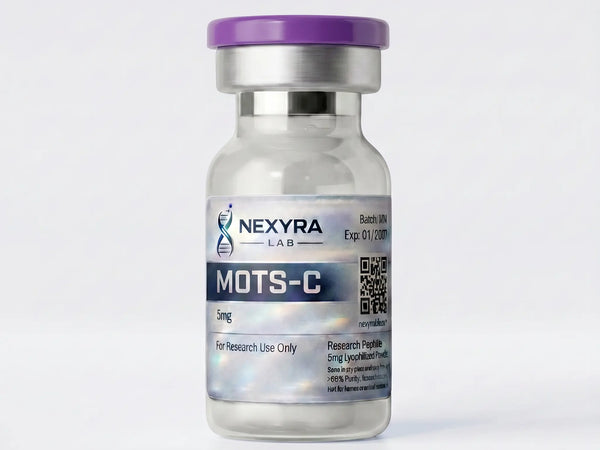
A naturally occurring peptide, known as MOTS-c, is emerging as a significant contender in the fight against cancer and the management of metabolic disorders. Recent research highlights its potential to not only inhibit tumour growth but also to improve cellular energy regulation, offering a dual-action therapeutic avenue.
Key Takeaways
- MOTS-c, a mitochondrial-derived peptide, exhibits anti-cancer properties by hindering tumour cell proliferation and migration.
- It plays a crucial role in regulating cellular metabolism, potentially offering benefits for conditions like type 2 diabetes and obesity.
- Further research is underway to explore its therapeutic applications and safety profile.
Unlocking the Potential of MOTS-c
MOTS-c, which originates from the mitochondria – the powerhouses of our cells – has garnered attention for its multifaceted biological activities. Studies indicate that this peptide can interfere with the growth and spread of various cancer cells. By targeting key pathways involved in cell division and movement, MOTS-c presents a novel strategy for cancer therapy, potentially complementing existing treatments.
Aiding Metabolic Health
Beyond its anti-cancer effects, MOTS-c demonstrates a remarkable ability to influence cellular metabolism. It appears to enhance the cells' sensitivity to insulin and improve glucose uptake, mechanisms vital for maintaining healthy blood sugar levels. This suggests that MOTS-c could be a valuable tool in addressing metabolic conditions such as type 2 diabetes and obesity, which are characterised by impaired energy regulation and insulin resistance.
Future Directions
The scientific community is actively investigating the full therapeutic potential of MOTS-c. While early findings are highly promising, further preclinical and clinical studies are necessary to fully understand its efficacy, optimal dosage, and long-term safety in humans. The development of MOTS-c as a therapeutic agent could represent a significant advancement in treating both complex diseases and metabolic health challenges.