









New Research Tool Aims to Advance Obesity and Weight Loss Studies
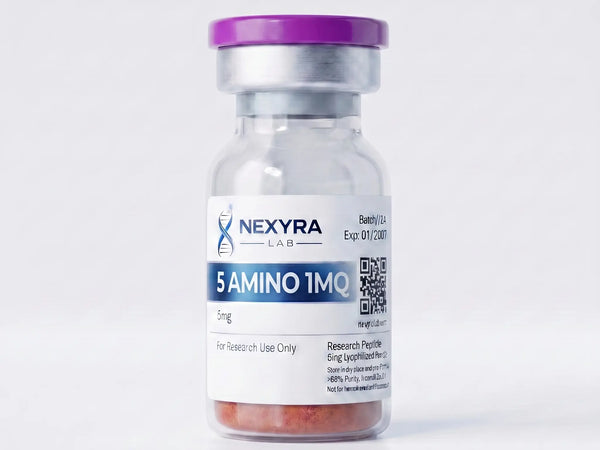
Umbrella Labs has introduced 5-amino-1MQ, a research-grade compound designed to aid scientists in understanding NNMT (nicotinamide N-methyltransferase) pathways, crucial for metabolic regulation. This development promises to enhance the rigor and reproducibility of studies investigating obesity and weight loss.
Key Takeaways
- Novel Research Chemical: 5-amino-1MQ is now available as a research-use-only liquid, supported by comprehensive documentation.
- Focus on NNMT: The compound is a tool for studying NNMT, an enzyme involved in methyl donor utilization and NAD+ salvage pathways.
- Enhanced Reproducibility: Umbrella Labs emphasizes a "documentation-first" approach to reduce experimental variability and improve data comparability.
- Potential Metabolic Insights: Research suggests NNMT inhibition may mimic or boost exercise-related improvements in muscle function, offering new avenues for metabolic research.
Advancing Metabolic Research
Umbrella Labs has launched 5-amino-1MQ, a specialized chemical probe intended for laboratory research. This compound is designed to help researchers investigate the role of nicotinamide N-methyltransferase (NNMT) in metabolic processes. NNMT is a key enzyme that influences how the body manages methyl donors and nicotinamide, impacting pathways related to energy metabolism and NAD+ salvage.
The company highlights that 5-amino-1MQ is provided with a strong emphasis on documentation and consistent handling guidance. This approach aims to address common challenges in research, such as variability caused by compound stability, preparation inconsistencies, or assay interference. By providing detailed characterization and workflow support, Umbrella Labs seeks to improve the reliability and interpretability of experimental results.
Promising Preclinical Findings
Recent research has explored the potential of NNMT inhibitors, including 5-amino-1MQ (referred to as 5A-1MQ in the study), in the context of muscle function and aging. A study published in Nature Scientific Reports indicated that inhibiting NNMT could mimic and even enhance the muscle improvements typically seen with exercise in aged mice. This suggests that targeting NNMT could be a novel strategy for improving muscle health, which is often compromised in aging and metabolic disorders like obesity.
The research demonstrated that NNMT inhibition, both alone and in combination with exercise, led to significant improvements in muscle strength and function in aged mice. These findings open up new possibilities for therapeutic interventions aimed at combating age-related muscle decline and potentially aiding in weight management by influencing metabolic pathways.