










The BPC-157 Phenomenon: A Wellness Miracle or a Risky Gamble?
The wellness and fitness world is abuzz with BPC-157, a peptide lauded for its potential to accelerate healing and enhance recovery. Anecdotal evidence from celebrities and influencers paints a picture of a miracle compound, but this surge in popularity is met with significant scientific and regulatory scrutiny, raising questions about its safety and efficacy.
The Rise of the 'Wolverine Peptide'
BPC-157, short for "body protection compound 157," has rapidly become a star in the peptide universe. Users claim it can heal a wide range of injuries, from soft tissue damage to gastrointestinal issues, and reduce inflammation. Its nickname, the "Wolverine peptide," stems from its purported superhero-like regenerative powers. This has captivated consumers, especially amidst a declining trust in traditional medical institutions.
- Key Takeaways:
- BPC-157 is a synthetic peptide gaining immense popularity for its alleged healing properties.
- Claims include accelerated tissue repair, reduced inflammation, and enhanced recovery.
- Despite widespread anecdotal support, rigorous human clinical trials and FDA approval are lacking.
- Concerns exist regarding safety, purity of supply, and potential long-term effects.
Scientific Scrutiny and Regulatory Hurdles
While BPC-157 is naturally found in gastric juices, the synthesized version used for wellness purposes has very little safety data. Researchers note that most studies have been conducted on animals or in laboratory settings, with human data being exceedingly sparse. The National Institutes of Health (NIH) indicates that while animal studies show promise for tissue regeneration, human trials are limited.
How Does BPC-157 Work?
It is believed that BPC-157 accelerates bodily repair by enhancing fibroblast proliferation and collagen synthesis. Animal studies suggest it can increase blood flow to injury sites through angiogenesis, the formation of new blood vessels. However, the exact mechanisms and how it travels from the gut to various injury sites remain not fully understood.
The Murky Marketplace
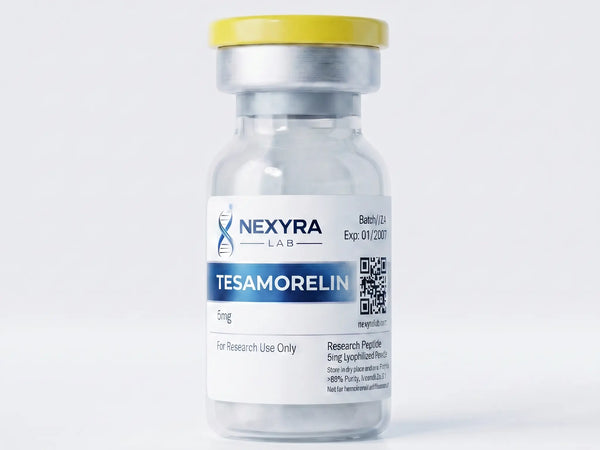
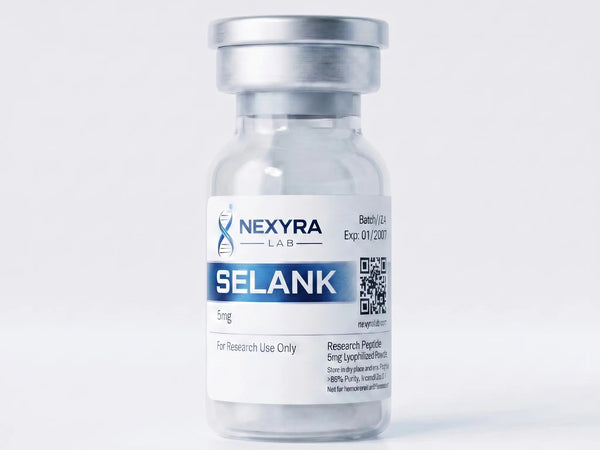
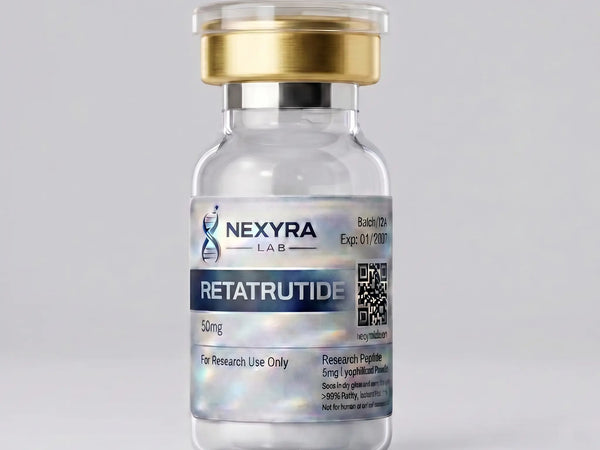
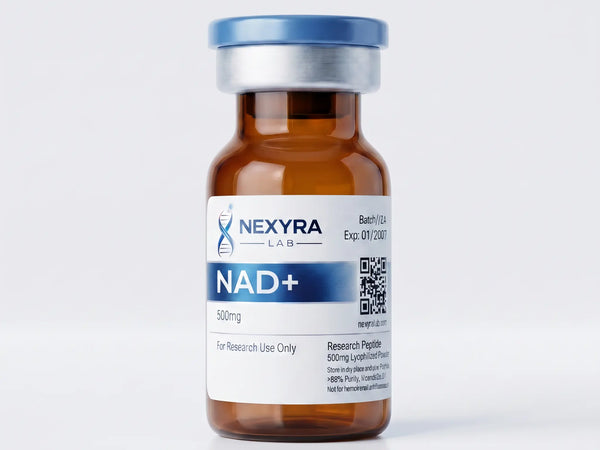
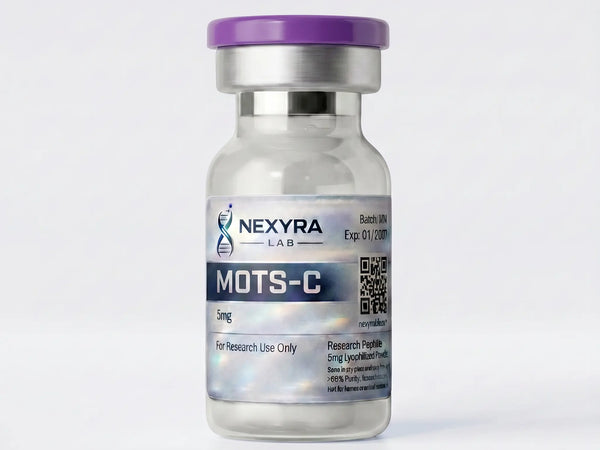
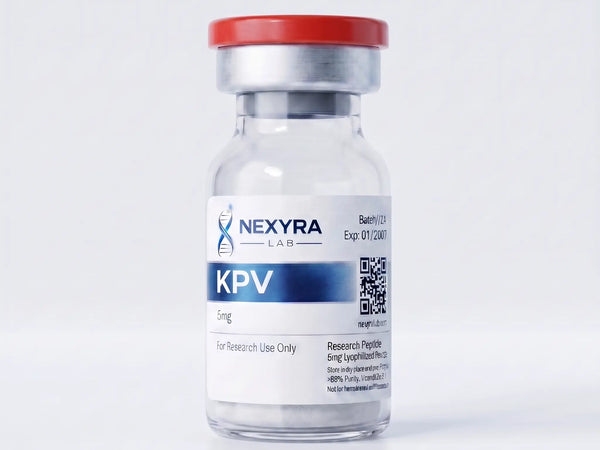
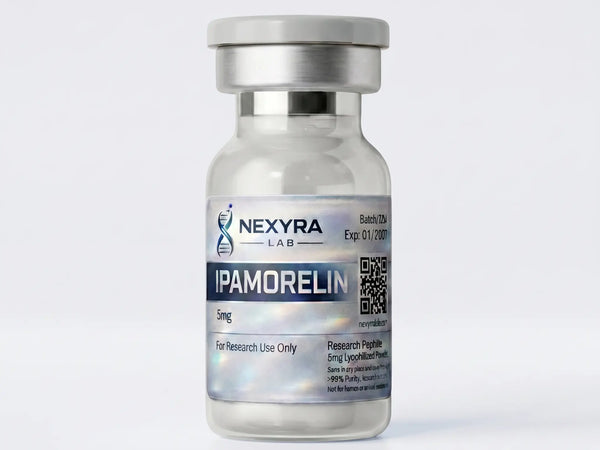
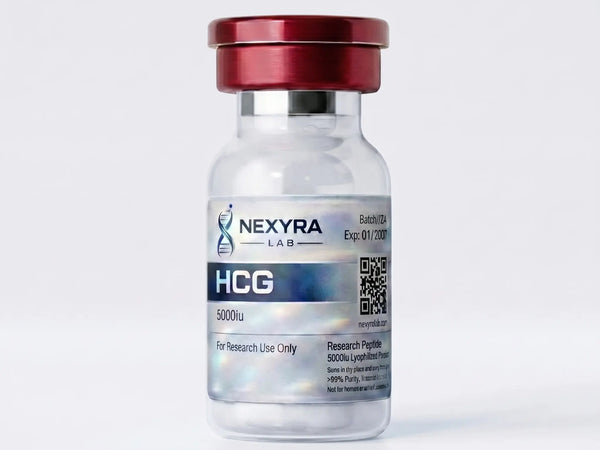
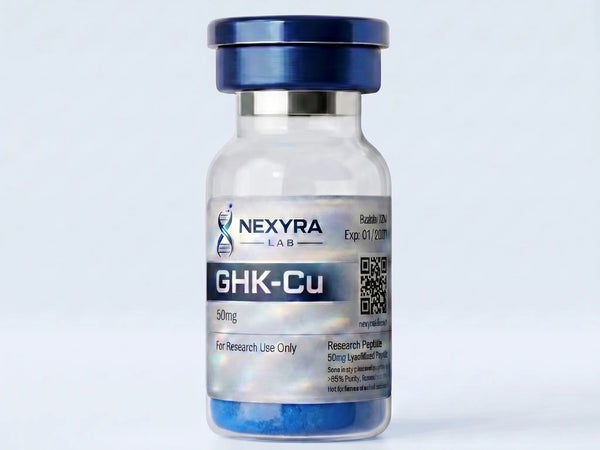
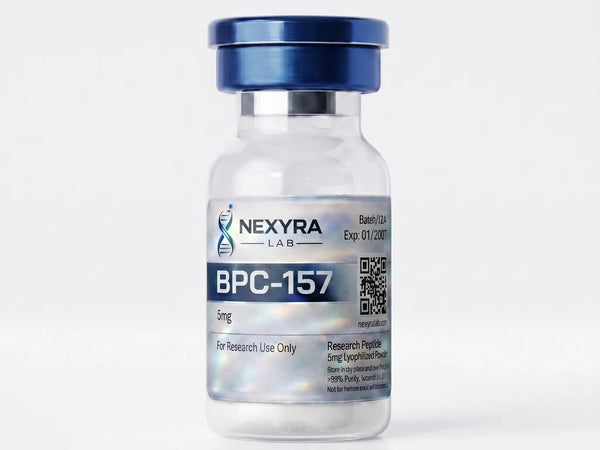
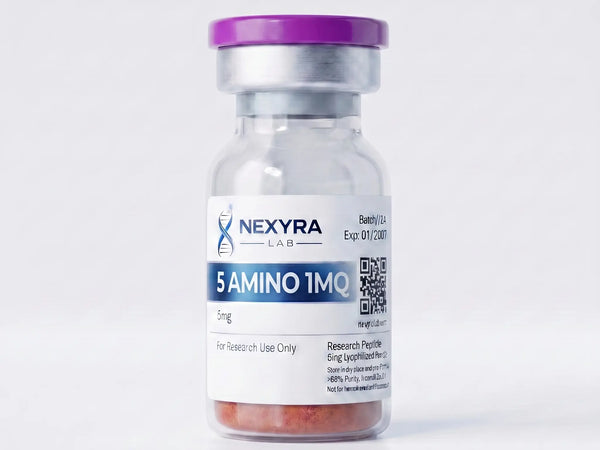
Despite not being approved by the FDA for human use, consumers can purchase BPC-157 through a "research peptide loophole." It is often sold on e-commerce sites or through compounding pharmacies, sometimes labelled "for research use only." This gray market raises concerns about product purity, potential contaminants, and the lack of universal safety standards. Some longevity doctors also offer it to patients, but procurement methods vary.
Safety and Efficacy Debates
Medical professionals express skepticism due to the lack of robust safety data and oversight. A primary concern is the link between BPC-157's angiogenesis properties and potential cancer risk, as promoting blood vessel growth could theoretically encourage tumor development. While some pilot studies reported no adverse effects, large-scale trials are absent.
The Future of BPC-157
There are ongoing efforts to potentially deregulate certain peptides, including BPC-157, to increase their availability. Discussions are underway with regulatory bodies like the FDA's Pharmacy Compounding Advisory Committee. However, the scientific community largely agrees that rigorous, large-scale human trials are essential before BPC-157 can be considered a safe and effective treatment.
Sources
- How did BPC-157 become the wellness industry’s star peptide?, Glossy.
- Peptides take off as a DIY treatment but is that a good idea? : NPR, NPR.
- They Call It the 'Wolverine Peptide.' And Everyone from Biohackers to Your Dad Wants It Now., Men's Health.
- A secretive Croatian researcher's 50-year quest, STAT.
- PDF.js viewer, Portal CNJ.