




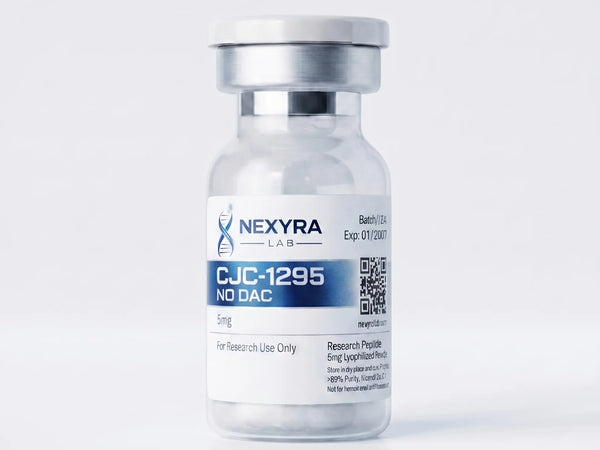





CJC-1295 No DAC Research Guide UK: Mechanism Half-Life & Protocol Notes
Right then, let's talk about CJC-1295 No DAC in the UK. If you're looking into research peptides, you've probably come across this one. It's a bit different from the version with DAC, mostly when it comes to how long it sticks around in your system. We'll break down how it works, what to expect regarding its half-life, and some notes on how people use it in research settings. It's important to know the details, especially if you're working with CJC-1295 No DAC UK for your studies.
Key Takeaways
- CJC-1295 No DAC, also known as MOD-GRF (1-29), works by stimulating the pituitary gland to release growth hormone in a short, pulsatile burst, mimicking natural GH release patterns.
- Unlike the DAC version, CJC-1295 No DAC has a significantly shorter half-life, around 25-30 minutes, meaning its effects are more immediate but also shorter-lived.
- This shorter duration makes it suitable for precise GH modulation and is often combined with Ipamorelin for synergistic effects, typically administered 1-3 times daily.
- Research protocols often involve reconstituting CJC-1295 No DAC with bacteriostatic water to a concentration of 1 mg/mL, with doses around 100 µg per administration.
- When sourcing CJC-1295 No DAC in the UK for research, look for high purity (≥98% HPLC) and a detailed Certificate of Analysis confirming identity and quality.
Understanding CJC-1295 No DAC In The UK
Right then, let's get stuck into CJC-1295 without the DAC, specifically for those of you doing research here in the UK. It's a bit of a different beast compared to its DAC-toting sibling, mainly because of how long it sticks around in the system. When you're looking to buy CJC-1295 without DAC in UK labs, you're usually after something that gives you a more controlled, shorter burst of activity. It's essentially a modified version of GHRH, the natural hormone your body uses to tell the pituitary gland to release growth hormone. The 'no DAC' bit means it hasn't got that extra bit attached that makes it hang around for ages.
Mechanism Of Action Explained
So, how does it actually work? CJC-1295 No DAC, also known as MOD-GRF (1-29), is designed to mimic your body's own GHRH. When you introduce it, it binds to GHRH receptors in the pituitary gland. This binding then signals the pituitary to release pulses of growth hormone (GH). The key difference is that without the DAC, this signalling effect is much shorter-lived. Think of it like a quick tap on the shoulder rather than a long conversation. This means the GH release is more transient, which some researchers prefer for specific study designs. It's all about stimulating that natural pulsatile release pattern, which is how your body normally operates.
Comparison With DAC Variant
This is where things get interesting. The main distinction between CJC-1295 No DAC and CJC-1295 with DAC is the half-life. The 'DAC' part, which stands for Drug Affinity Complex, is a modification that dramatically extends how long the peptide stays active in the bloodstream. We're talking about a half-life of around 30 minutes for the No DAC version, whereas the DAC version can last for days, sometimes up to a week or more. This difference dictates how you'd approach your research protocols. If you're looking for a quick, sharp release of GH for a specific experimental window, the No DAC version is your go-to. If you need sustained elevation over a longer period, the DAC version might be considered, though it's a different ballgame entirely. For those interested in precise GH modulation, the CJC-1295 DAC free research peptide UK market offers this option.
Key Pharmacological Features
Let's break down some of the important bits about CJC-1295 No DAC:
- Short Half-Life: As mentioned, around 30 minutes. This means its effects are immediate but don't linger.
- Pulsatile Release: It stimulates the pituitary to release GH in a way that mimics natural pulses.
- No DAC Modification: Lacks the albumin-binding modification found in the DAC version, leading to its shorter duration.
- Research Focus: Primarily used in laboratory settings for studying GH secretion dynamics and related pathways.
When considering how to use CJC-1295 No DAC UK researchers often note its suitability for studies requiring controlled, short-term GH release. Its rapid action and clearance make it a tool for investigating immediate physiological responses to GH surges, distinct from the prolonged effects seen with DAC-modified peptides. This distinction is vital for designing experiments where precise timing and duration of hormonal influence are paramount.
This peptide is a fascinating tool for peptide research CJC-1295 UK scientists are exploring. Its distinct pharmacological profile, particularly its short half-life, sets it apart and opens up specific avenues for investigation compared to longer-acting analogues.
Half-Life And Duration Of Effect
When we talk about CJC-1295, especially the 'no DAC' version, understanding how long it sticks around in the system and when you can expect to see its effects is pretty important for any research. It's quite different from the version that includes the Drug Affinity Complex (DAC).
CJC-1295 No DAC Half-Life
The 'no DAC' variant of CJC-1295 has a considerably shorter half-life compared to its DAC-enhanced counterpart. We're generally looking at a half-life of around 30 minutes. This means the body processes and eliminates it relatively quickly. Because of this short duration, it's often used in research protocols designed to mimic the natural, pulsatile release of growth hormone (GH) from the pituitary gland. This rapid clearance is a key feature that distinguishes its research application from longer-acting analogues.
Duration of GH Release
Following administration, CJC-1295 no DAC typically triggers a release of growth hormone within about 60 to 90 minutes. The actual release period, however, is relatively brief due to the peptide's short half-life. This means that while it can cause a noticeable spike in GH, it doesn't maintain elevated levels for extended periods on its own. This characteristic makes it suitable for protocols aiming for short, sharp increases in GH, rather than a constant, sustained elevation.
Impact of DAC on Half-Life
The presence of the Drug Affinity Complex (DAC) fundamentally alters the pharmacokinetic profile of CJC-1295. When DAC is attached, it binds to albumin in the bloodstream, dramatically extending the peptide's half-life to approximately 8 days. This is a massive difference from the 'no DAC' version. The extended half-life of CJC-1295 with DAC means it can be administered much less frequently, often weekly, and provides a more sustained stimulation of GH release. This prolonged action is a major factor in its different research applications, aiming for steadier, longer-term effects on IGF-1 levels.
The distinction between CJC-1295 with and without DAC is primarily about how long the peptide stays active in the body. The 'no DAC' version is short-acting, good for mimicking natural pulses, while the 'with DAC' version is designed for prolonged effects due to its extended half-life.
Research Protocol Considerations
When you're looking into CJC-1295 No DAC for your research here in the UK, getting the protocol right is pretty important. It's not just about mixing things up; it's about understanding how to get the most reliable results. Let's break down some of the key aspects.
Recommended Dosage Regimens
Figuring out the right dose can feel a bit like guesswork sometimes, but there are some common starting points based on research. For CJC-1295 No DAC, a typical dose might be somewhere between 100-300 micrograms (µg) per administration. The frequency often depends on whether you're aiming for a pulsatile release pattern, which is generally achieved with daily or every-other-day injections. The goal is usually to mimic the body's natural growth hormone (GH) secretion pulses.
Here's a general idea for a common research protocol:
- Daily Administration: 100-200 µg, typically administered subcutaneously in the morning.
- Every-Other-Day Administration: 200-300 µg, also usually done in the morning.
- With Ipamorelin: When combining with a peptide like Ipamorelin, doses are often kept on the lower end of the spectrum for each, for example, 100 µg of CJC-1295 No DAC and 100 µg of Ipamorelin.
Remember, these are just common starting points. Always refer to specific study designs or manufacturer guidelines for precise recommendations. You can find more details on dosage calculators and research resources on some supplier sites, which can be helpful for planning your research.
Optimal Injection Timing
Timing really does matter when you're working with peptides that affect hormonal release. For CJC-1295 No DAC, the general consensus is to inject it in the morning. This aligns with the body's natural GH secretion patterns, which tend to be higher in the early hours of the day. Injecting on an empty stomach or waiting a bit after eating can also be beneficial, as food intake can influence GH release.
- Morning Injection: Generally preferred to align with natural circadian rhythms.
- Pre- or Post-Meal Considerations: Some researchers prefer injecting before breakfast or at least 2-3 hours after a meal.
- Consistency is Key: Whichever timing you choose, maintaining consistency day-to-day is important for reproducible results.
Synergistic Combinations With Ipamorelin
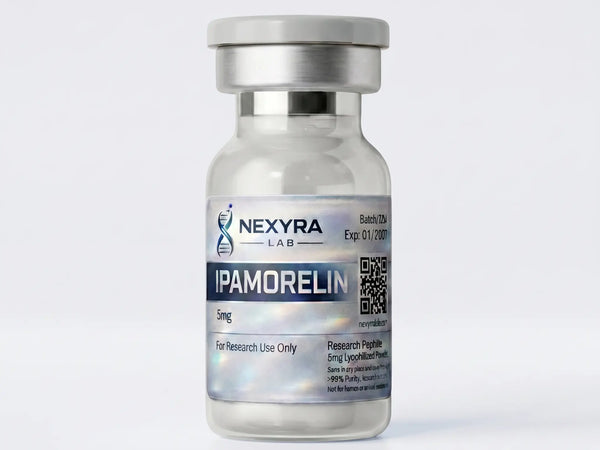
Combining CJC-1295 No DAC with Ipamorelin is a popular strategy in research settings. Ipamorelin is a selective GH secretagogue, meaning it stimulates GH release from the pituitary gland, but without the side effects like increased cortisol or appetite stimulation that some older GHRPs had. When used together, they can create a more significant and sustained increase in GH and IGF-1 levels than either peptide alone.
- Mechanism of Synergy: CJC-1295 No DAC stimulates GH release by acting on the GHRH receptor, while Ipamorelin acts on the ghrelin receptor. This dual action can lead to a greater overall GH pulse amplitude.
- Dosing Ratios: A common ratio is 1:1 for CJC-1295 No DAC and Ipamorelin, meaning equal microgram amounts of each peptide are administered in the same injection.
- Research Applications: This combination is often used to study effects on muscle growth, fat metabolism, and tissue repair, as it provides a robust stimulus for GH and IGF-1.
When considering combinations, it's always wise to start with lower doses of each component to assess individual responses before increasing to a full research dose. This approach helps in identifying any unexpected reactions and ensures a more controlled experimental setup. The purity of both peptides is also a significant factor in achieving predictable outcomes.
It's worth noting that CJC-1295 No DAC is supplied in a lyophilised solid form, which requires careful reconstitution before use. Proper handling and storage are vital for maintaining its integrity and efficacy throughout your research.
Stability And Storage Guidelines
Right then, let's talk about keeping your CJC-1295 No DAC in tip-top shape. It's not exactly like storing a tin of beans, is it? Getting this stuff right means you're more likely to get consistent results in your research, which is, you know, the whole point.
Reconstitution Procedures
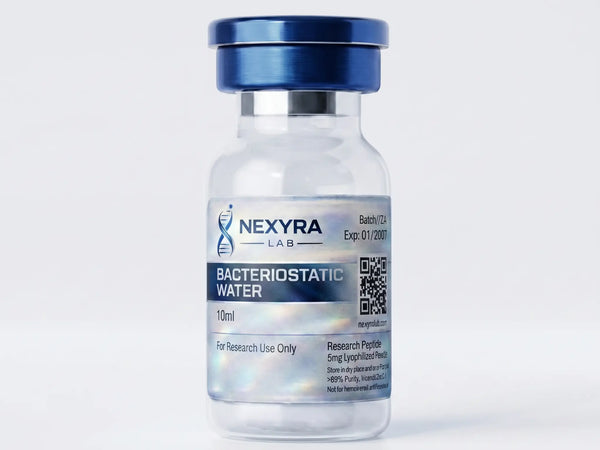
First off, you've got to reconstitute the lyophilised powder. This is where you add a liquid to turn the powder into something usable. Most people go for bacteriostatic water, which has a tiny bit of benzyl alcohol in it to stop bacteria growing. You'll typically mix 2mg of CJC-1295 No DAC with 2ml of bacteriostatic water. This gives you a concentration of 1mg per ml. If you're using an insulin syringe, that's 0.1ml (or 10 units) for a 100µg dose. It's pretty straightforward, but make sure you use a sterile needle and syringe, and do it gently. Don't go shaking it like a maraca; you want to dissolve it, not create a foam party.
Storage Conditions
Once it's reconstituted, you can't just leave it on the shelf. Refrigeration is key here. The general consensus, and what the NIBSC suggests, is to keep it at around 4°C. That's your standard fridge temperature. You want to avoid freezing it, as that can mess with the peptide's structure. Also, keep it out of direct light – think of it like a vampire, it doesn't like the sun. Storing it in its original vial or a suitable amber glass container in the fridge is usually the way to go. This helps maintain its integrity for the duration of your research.
Stability Post-Reconstitution
So, how long does it last once you've mixed it? Well, it's not indefinite. Generally, reconstituted CJC-1295 No DAC is considered stable for about 30 to 45 days when kept correctly in the fridge (2-8°C). Some sources might say a bit longer, but it's always better to be safe than sorry, especially in research. If you're planning a longer study, you might need to reconstitute smaller batches more frequently. It's worth checking the specific batch's Certificate of Analysis for any manufacturer-specific guidance on stability, as this can vary slightly between suppliers. Remember, the goal is to maintain the purity and efficacy of the peptide for your experiments, and proper handling is a big part of that. For more on research-grade standards, you can look into UK research-grade sourcing standards.
Keeping your peptides stable isn't just about following instructions; it's about respecting the science. Small details in reconstitution and storage can have a big impact on your research outcomes. Always aim for precision and cleanliness.
UK Research Grade Sourcing Standards
When you're looking into CJC-1295 No DAC for your research here in the UK, getting it from a reputable source is pretty important. It's not just about the price, but more about making sure what you're actually getting is what it says on the tin. You don't want to waste time and resources on something that isn't pure or properly identified, right?
Purity And Identity Confirmation
First off, you'll want to see proof of purity. Most reputable suppliers will offer a Certificate of Analysis (CoA) for their products. This document should detail the purity level, usually confirmed by High-Performance Liquid Chromatography (HPLC). For CJC-1295 No DAC, you're generally looking for a purity of 98% or higher. Some of the newer standards are even pushing for 99%. Alongside purity, identity confirmation is key. This is often done using mass spectrometry, which verifies the molecular weight of the compound. For CJC-1295 No DAC, the expected mass is around 3367.91 Da. Without these checks, you're essentially guessing what you're working with.
Certificate Of Analysis Requirements
So, what should a good CoA include? Beyond the HPLC purity and mass spectrometry data, it's good to see batch-specific information. This means the CoA should be tied to the exact batch you're buying. It should also include details like endotoxin quantification, which is important for biological research, and residual trifluoroacetic acid (TFA) analysis. TFA is often used during the synthesis process, and its levels should be within acceptable limits. Having this detailed documentation helps you understand the quality and consistency of the research peptides you're using.
Lyophilised Powder Handling
CJC-1295 No DAC typically comes as a lyophilised (freeze-dried) powder. This is a standard practice for preserving the stability of peptides. When you receive it, it's usually shipped under cold-chain conditions to maintain its integrity. Once you have the powder, it's best to store it in a cool, dry place, away from light. Reconstitution is usually done with bacteriostatic water, and the resulting solution should also be stored correctly, typically refrigerated. Proper handling from the moment it arrives is vital for maintaining its research-grade quality.
Potential Benefits And Research Applications
Growth Hormone And IGF-1 Elevation
CJC-1295 No DAC is primarily researched for its ability to stimulate the pituitary gland to release more growth hormone (GH). This, in turn, can lead to increased levels of Insulin-like Growth Factor 1 (IGF-1), a hormone that plays a significant role in childhood growth and continues to influence cell growth and repair throughout adulthood. Researchers are looking into how this peptide can be used to modulate these pathways.
- Stimulates pulsatile GH release.
- Promotes a rise in IGF-1 levels.
- Potential for sustained GH secretion.
The interaction between CJC-1295 No DAC and the body's natural growth hormone pathways is a key area of interest for researchers exploring its potential applications. Understanding this mechanism helps in designing studies to observe its effects on various physiological processes.
Muscle Growth And Fat Metabolism
One of the most talked-about potential benefits of CJC-1295 No DAC in research settings is its impact on body composition. Studies suggest that by increasing GH and IGF-1, it may help promote lean muscle mass development while simultaneously aiding in the reduction of body fat. This dual action makes it a subject of interest for those studying metabolic processes and body recomposition. It's often looked at in combination with other peptides, like ipamorelin, to see if this synergistic effect enhances gains.
Tissue Repair And Recovery
Beyond muscle growth, the elevated GH and IGF-1 levels associated with CJC-1295 No DAC research are also being investigated for their role in tissue repair and recovery. GH and IGF-1 are known to be involved in cellular regeneration and the healing process. Therefore, researchers are exploring whether this peptide could potentially support faster recovery from injuries or strenuous physical activity. This area of research is quite broad, looking at everything from general recovery to more specific tissue regeneration processes. The combination of CJC-1295 No DAC with ipamorelin is frequently studied for its potential to boost growth hormone production.
Wrapping Up Our CJC-1295 No DAC Research
So, we've looked at how CJC-1295 without DAC works, its shorter lifespan compared to the DAC version, and how it might be used in research settings. While the DAC version sticks around for ages, the no-DAC form offers a quicker, more controlled release of growth hormone. This can be useful for specific research goals, especially when paired with other peptides like Ipamorelin. Remember, proper storage and handling are key, and always stick to the recommended research protocols. It's all about understanding the nuances to get the most out of your research.
Frequently Asked Questions
What exactly is CJC-1295 No DAC?
Think of CJC-1295 No DAC as a special helper for your body's natural growth hormone. It's a type of peptide that encourages your pituitary gland, a small gland in your brain, to release more growth hormone. Unlike its 'with DAC' cousin, this version doesn't have a special tag that makes it last for ages in your body. It works for a shorter time, giving you more control over when growth hormone is released.
How does CJC-1295 No DAC work differently from the version with DAC?
The main difference is how long they stick around. The 'DAC' part is like a long-lasting sticker that keeps the peptide in your system for days. CJC-1295 No DAC, however, fades away much faster, usually within about 30 minutes. This means the No DAC version is better if you want to mimic your body's natural, short bursts of growth hormone release, rather than having it stay high for a long time.
How long does CJC-1295 No DAC stay active in the body?
CJC-1295 No DAC has a pretty short lifespan in your body, typically around 25 to 30 minutes. This means its effect on releasing growth hormone is also quite brief, usually lasting for about an hour. It's designed this way to allow for more precise timing of growth hormone release, similar to how your body naturally does it.
Can I mix CJC-1295 No DAC with other research peptides?
Yes, it's quite common in research to combine CJC-1295 No DAC with other peptides, especially Ipamorelin. Think of it like teamwork; CJC-1295 No DAC tells the body to release growth hormone, and Ipamorelin helps boost that release even more. They work together to create a stronger, yet still natural-feeling, surge of growth hormone. However, it's usually best to inject them separately, not mixed in the same syringe.
How should I store CJC-1295 No DAC after mixing it?
Once you've mixed CJC-1295 No DAC with sterile water, it's best to keep it in the fridge. It should be stored between 2 and 8 degrees Celsius. Also, try to protect it from bright light. It's generally good for about 30 to 45 days when stored this way, but it's always wise to check the specific guidelines from your supplier.
What are the main research uses for CJC-1295 No DAC?
Researchers often use CJC-1295 No DAC to study how growth hormone and IGF-1 levels change in the body. It's helpful for looking into things like muscle growth, how the body uses fat for energy, and how tissues repair themselves. Because it mimics natural hormone pulses, it's great for research that aims to understand the body's natural cycles and how to support them.