






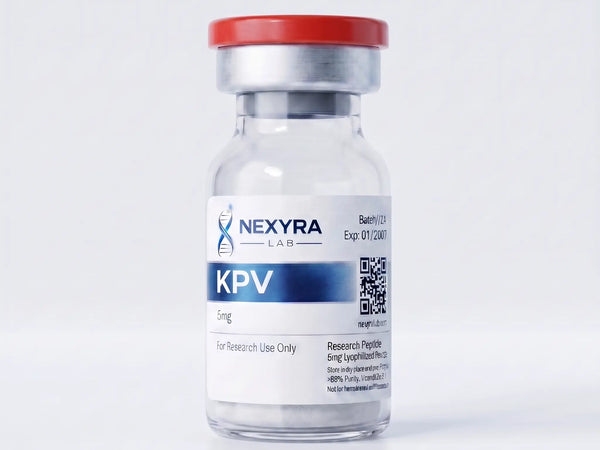
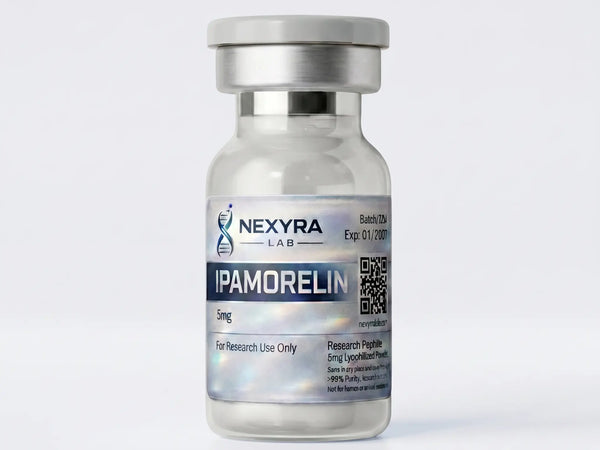
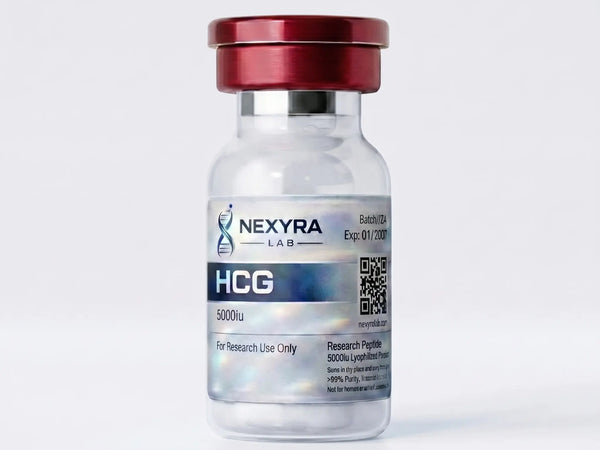


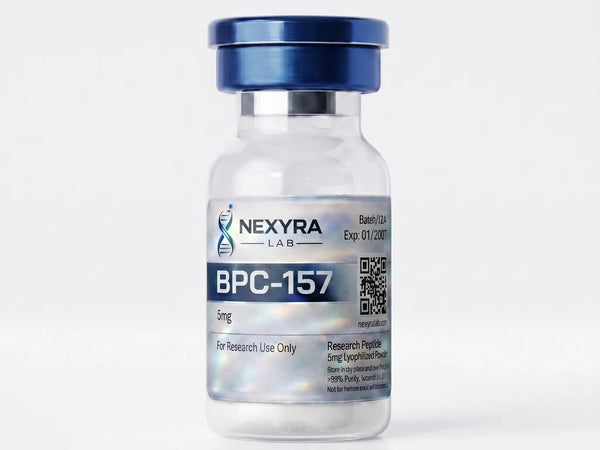

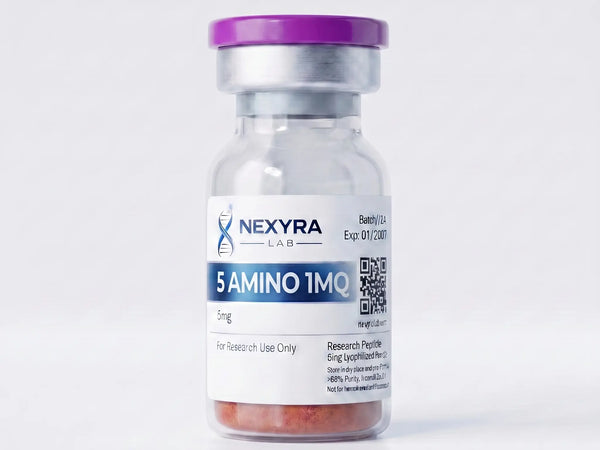






FDA Considers Easing Peptide Restrictions Amidst Wellness Craze
The U.S. Food and Drug Administration (FDA) is set to review its restrictions on certain peptides, including the increasingly popular BPC-157, as demand surges within the wellness and longevity communities. This potential shift could allow compounding pharmacies to produce these substances, which are currently unapproved and largely unstudied in humans, raising both excitement and significant safety concerns.
Key Takeaways
- The FDA is considering allowing compounding pharmacies to produce certain peptides, such as BPC-157.
- Many peptides lack rigorous human safety and efficacy data, leading to concerns about potential health risks.
- Proponents argue that current restrictions hinder access to potentially beneficial substances, while critics warn of an "illicit market" and "buyer-beware" scenarios.
- The review could impact the dietary supplement market, with potential for unproven peptides to be included.
The Rise of Peptide Popularity
Synthetic peptides, short chains of amino acids, are gaining traction in the wellness industry for purported benefits ranging from tissue repair and skin health to longevity. Despite many of these compounds, like BPC-157, showing promise in animal studies, human research remains limited, with many not undergoing rigorous FDA approval processes. This has led to a burgeoning market where individuals often source these peptides from overseas or online retailers, sometimes for self-injection, bypassing conventional medical oversight.
Regulatory Crossroads
Health and Human Services Secretary Robert F. Kennedy Jr. has expressed a desire to reduce what he terms the FDA's "aggressive suppression" of peptides. In response, an FDA advisory committee is scheduled to convene to discuss whether compounding pharmacies should be authorised to produce specific injectable peptides. These are substances that the FDA had previously directed pharmacies to cease making due to safety concerns, including potential immune reactions. Furthermore, the FDA has held public meetings to discuss the scope of ingredients allowed in oral dietary supplements, signalling a potential openness to broadening their accessibility.
Safety and Efficacy Concerns
Experts express significant reservations about the potential liberalisation of peptide access. Mitch Zeller, a former FDA official, warns that stepping up enforcement against an "illicit market" is a more appropriate regulatory response. He suggests that broadening access to unstudied substances could embolden self-dosing and lead to a "buyer-beware" environment, particularly if peptides are incorporated into dietary supplements, which already face minimal pre-market oversight. The lack of comprehensive human trials means potential risks, such as toxicity to organs or severe immune responses, remain largely unknown. Even naturally occurring peptides can have different effects when administered synthetically or in higher concentrations.
The Compounding Pharmacy Dilemma
Compounding pharmacies play a crucial role in this debate. While they can create drugs not commercially available, the FDA's current stance prohibits the compounding of many popular peptides due to safety and data deficiencies. Proponents argue that the lack of patentability for many peptides disincentivises large-scale clinical trials, leaving a gap that compounding pharmacies could fill. However, even if restrictions are eased, it may take time for pharmacies to scale up production of pharmaceutical-grade ingredients, potentially leading to initial frustration for consumers eager for access.
Future Outlook
The FDA's upcoming review represents a critical juncture for the regulation of peptides. While the move could bring some currently unregulated substances into a more controlled environment, concerns persist about ensuring consumer safety and preventing the proliferation of unproven or potentially harmful products. The agency's decision will likely shape the future of peptide use in both therapeutic and wellness contexts.