














KPV Peptide Research Guide UK 2026: Anti-Inflammatory Studies & Applications
KPV peptide is being studied for its anti-inflammatory and healing properties, especially in the UK. Here are some important points to keep in mind if you’re curious about KPV peptide UK.
Key Takeaways
- KPV peptide is a small protein made from three amino acids and comes from a bigger hormone called alpha-MSH.
- It’s being looked at for its ability to reduce inflammation, especially in conditions like gut and lung problems.
- KPV can be given in different ways, including injections, creams, and pills, but most research is not on humans yet.
- Some studies suggest KPV may also help fight germs and speed up wound healing.
- Getting KPV in the UK usually needs a prescription, and you should only use pharmaceutical-grade products.
Understanding KPV Peptide In The UK
What Is KPV Peptide?
KPV is a fascinating tripeptide, essentially a small chain made up of three amino acids: lysine, proline, and valine. You might see it referred to by its scientific abbreviation, KPV. It's actually a natural fragment of a larger hormone called alpha-melanocyte-stimulating hormone (α-MSH), which itself has a role in things like skin pigmentation and inflammation control. The real buzz around KPV is its potent anti-inflammatory properties. It's been studied for its ability to calm down the body's inflammatory responses, which is pretty significant when you consider how many health issues are linked to chronic inflammation.
Origins And Composition Of KPV
As mentioned, KPV isn't something entirely synthetic; it's a naturally occurring piece of the α-MSH peptide. This means our bodies, in a way, already produce something similar. The specific sequence of lysine, proline, and valine is key to its function. Researchers have found that this particular combination is quite effective at targeting inflammatory pathways. While many peptides are available as research peptides for sale UK, KPV stands out due to its natural origin and specific structure.
KPV Peptide UK: Administration Routes
One of the interesting things about KPV is how it can be given. Unlike some other peptides that only work via injection, KPV has shown potential for different methods of delivery. This is great news for accessibility and patient comfort.
Here are the main ways KPV can be administered:
- Subcutaneous Injection: This is a common method for many therapeutic peptides, involving injecting the peptide just under the skin. It's often considered the most direct route for systemic effects.
- Oral Administration: KPV has shown promise when taken by mouth, perhaps due to specific transporters in the gut. This could make it much easier for people to take.
- Topical Application: For localised issues, KPV can be applied directly to the skin. This is being explored for skin conditions and wound healing.
The ability of KPV to be delivered through multiple routes is a significant advantage, potentially making it more adaptable for various therapeutic needs and patient preferences. This versatility is a key area of ongoing investigation.
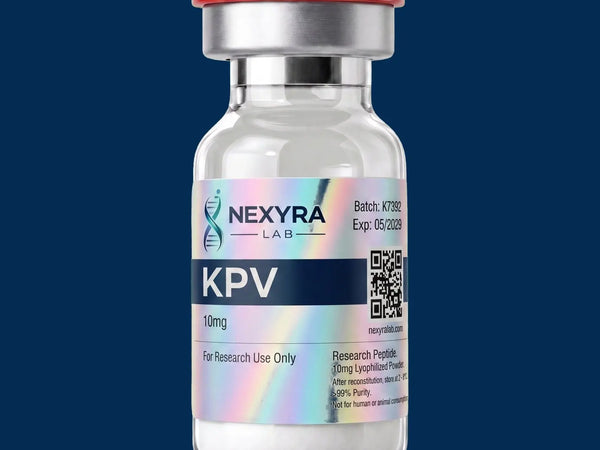
When looking into KPV, you'll find it available in different grades. It's important to be aware of the distinction between pharmaceutical-grade and research-grade KPV, especially when considering its use. Pharmaceutical-grade is intended for human use and meets strict purity standards, whereas research-grade is for laboratory settings only. For those interested in exploring its therapeutic potential, understanding these differences is a good starting point understanding peptides.
KPV Peptide UK: Anti-Inflammatory Mechanisms
When we talk about KPV peptide in the UK, its main claim to fame is its ability to dial down inflammation. Inflammation is a natural process, your body's way of saying 'something's wrong here' and kicking off the healing. But sometimes, it gets a bit overzealous, causing more harm than good. This is where KPV steps in, acting as one of the key anti-inflammatory peptides UK researchers are looking into.
The Role Of NF-κB In Inflammation
At the heart of many inflammatory processes is a signalling pathway called NF-κB. Think of it as a master switch for inflammation. When NF-κB gets activated, it tells your cells to produce all sorts of inflammatory molecules. It's involved in everything from acute responses to long-term, chronic conditions. Research suggests KPV peptide can help suppress this NF-κB pathway, potentially preventing the inflammatory cascade from getting out of hand.
KPV Peptide's Impact On Inflammatory Genes
Because NF-κB controls the expression of many inflammatory genes, suppressing NF-κB naturally leads to a reduction in the production of these inflammatory signals. Studies have shown that KPV can lead to a significant downregulation of key genes associated with inflammation. This means fewer inflammatory messages are sent around the body, helping to calm things down.
Suppression Of Key Inflammatory Cytokines
Cytokines are like messengers that cells use to communicate, and some of them are pro-inflammatory – they stir up trouble. Tumour Necrosis Factor-alpha (TNF-α) is a big one. KPV has been observed in studies to reduce the levels of these key inflammatory cytokines. This reduction is vital for managing conditions where chronic inflammation is a major problem, like certain gut issues or lung diseases. It's a promising area for those seeking alternative approaches to managing inflammatory responses, and you can find research-grade peptides like KPV available for study here.
The way KPV works isn't entirely clear yet, but its ability to interfere with NF-κB and reduce inflammatory cytokines is a major focus. This makes it a peptide of interest for conditions where inflammation is a persistent issue.
Here's a simplified look at how KPV might work:
- Reduces NF-κB activation: Less signalling for inflammation.
- Lowers inflammatory gene expression: Fewer inflammatory molecules are produced.
- Decreases pro-inflammatory cytokines: Key messengers that cause inflammation are reduced.
This multi-pronged approach is what makes KPV a compelling subject in the study of anti-inflammatory peptides UK wide.
Therapeutic Applications Of KPV Peptide In The UK
Addressing Chronic Inflammatory Conditions
KPV peptide is showing real promise in tackling those persistent, long-term inflammatory conditions that can really impact quality of life. Think about things like inflammatory bowel disease (IBD) or even certain skin conditions where inflammation just won't calm down. The way KPV works, by targeting those key inflammatory pathways, means it could offer a new avenue for treatment. It's not just about masking symptoms; it's about trying to get to the root of the problem. This is a big deal for people who have been struggling with these issues for years.
Potential In Gastrointestinal Health
When we talk about the gut, it's a pretty complex system, and inflammation here can cause a whole host of problems. KPV's ability to reduce inflammation makes it a candidate for helping with conditions like Crohn's disease and ulcerative colitis. Early research suggests it might help repair the gut lining and reduce the inflammatory response that causes so much discomfort. It's exciting to think about how this could translate into better digestive health for many. The potential for peptide therapy inflammation UK is certainly growing.
Lung Health And KPV Peptide
Our lungs are constantly exposed to the environment, and inflammation can be a major issue, leading to conditions like asthma or COPD. KPV's anti-inflammatory properties are being explored for their potential to soothe inflamed lung tissue and improve respiratory function. While still in the early stages, the idea of using healing peptides UK research to support lung health is a hopeful one. It could mean a better way to manage breathing difficulties and improve overall lung capacity for those affected.
The focus on KPV's role in managing inflammation, particularly in chronic conditions, highlights a shift towards more targeted therapeutic approaches. Instead of broad-spectrum treatments, peptides like KPV offer a way to address specific inflammatory mechanisms, potentially leading to fewer side effects and more effective outcomes for patients.
Here's a look at some of the areas KPV is being investigated for:
- Inflammatory Bowel Disease (IBD): Helping to reduce gut inflammation and promote healing.
- Skin Conditions: Potentially easing redness and irritation associated with eczema or psoriasis.
- Respiratory Issues: Investigated for its role in managing inflammation in conditions like asthma.
It's important to remember that much of this is still under investigation, and access to KPV for therapeutic use in the UK is subject to regulatory approval and prescription. However, the ongoing research into regenerative peptides in the UK is paving the way for future treatments.
Beyond Inflammation: KPV Peptide's Broader Potential
While KPV peptide is primarily recognised for its anti-inflammatory properties, its potential applications extend much further. Research suggests it possesses other beneficial qualities that could be significant in various health contexts. These include its ability to combat certain microbes and to speed up the healing process for wounds.
Antimicrobial Properties Of KPV
It turns out KPV might be a useful ally against some common bugs. Studies have shown that even small amounts of this peptide can reduce the viability of bacteria like Staphylococcus aureus and fungi such as Candida albicans. This is quite interesting because many anti-inflammatory treatments can actually weaken the immune system. KPV, however, seems to offer a dual action: fighting inflammation while also tackling infections. This could make it particularly helpful for conditions where both infection and inflammation are present, a common scenario in many health issues.
Accelerating Wound Healing With KPV
Beyond fighting off germs, KPV also shows promise in helping the body repair itself. It appears to play a role in wound healing, possibly by interacting with receptors on skin cells involved in this process. Early studies, like one involving rabbits with corneal wounds, indicated that topical application of KPV led to faster healing compared to a control group. The peptide seemed to stimulate the cells responsible for repairing the damaged tissue. This suggests KPV could be a valuable tool in managing various types of wounds, potentially reducing healing times and improving outcomes.
Immune Function And KPV Peptide
KPV's connection to immune function is multifaceted. While its anti-inflammatory action is a key aspect of modulating the immune response, its antimicrobial and wound-healing capabilities further highlight its role in supporting the body's natural defence and repair mechanisms. The peptide's origins from alpha-melanocyte-stimulating hormone (α-MSH), a hormone with broad regulatory functions, likely contribute to these diverse effects. Understanding these broader impacts is crucial for appreciating the full therapeutic scope of KPV in bioactive peptides inflammation studies.
The research into KPV's wider applications is still developing. While promising, much of the current evidence comes from laboratory settings and animal models. More human trials are needed to confirm these effects and establish safe and effective dosages for various conditions. However, the initial findings are certainly encouraging for future therapeutic strategies.
Here's a quick look at some of the areas KPV might help:
- Antimicrobial Action: Directly impacts certain bacteria and fungi.
- Wound Repair: Stimulates cellular activity for faster healing.
- Immune Modulation: Supports the body's natural defences without broad suppression.
This peptide's ability to act on multiple fronts, from reducing inflammation to fighting microbes and aiding healing, makes it a fascinating subject for ongoing research and potential future treatments.
Research And Clinical Insights On KPV Peptide UK
Current State Of KPV Peptide Research
When we look at the current landscape of KPV peptide research in the UK, it's clear that while promising, it's still in its early stages. Most of the information we have comes from studies that are either quite small or haven't involved humans directly. This means we're still piecing together the full picture of how KPV works and what it can do for us. It's not yet a standard treatment you'd find on the NHS, for example. The scientific community is actively exploring its potential, but widespread clinical application is still a way off. We're seeing a lot of interest, but the robust, large-scale human trials that would lead to approval are limited.
Animal Models And Cell Culture Studies
Much of what we understand about KPV's effects comes from laboratory work. Researchers often start with cell cultures and then move to animal models, like mice, to see how the peptide behaves. These studies have been instrumental in identifying KPV's anti-inflammatory properties and its potential to help with conditions like inflammatory bowel disease. For instance, studies have shown KPV can reduce inflammation markers in animal models of colitis. However, it's important to remember that results in animals don't always translate directly to humans. What works in a mouse might not have the same effect, or even be safe, in people. This is a common challenge in drug development, and KPV is no exception. The data from these early-stage investigations is what fuels further research and guides the design of future human trials. It's a necessary step, but it's just the beginning.
Future Directions For KPV Peptide UK Research
Looking ahead, the future of KPV peptide research in the UK hinges on several key developments. The primary goal is to move from lab-based studies to more comprehensive human clinical trials. These trials will need to rigorously assess KPV's efficacy and, crucially, its safety profile across different patient groups and conditions. We also need to see more research into optimal administration methods and dosages for various therapeutic aims. For example, understanding if oral or topical applications can achieve the same results as injections, and under what circumstances, is vital. There's also a growing interest in exploring KPV's synergistic effects when combined with other therapeutic agents, potentially leading to more effective treatment strategies. The hope is that continued investigation will clarify KPV's role in treating a range of inflammatory and immune-related disorders, potentially paving the way for new treatment options. It's a slow process, but the potential benefits make it a worthwhile pursuit. For those interested in the broader landscape of peptide research, looking into compounds like BPC-157 can offer further insights into therapeutic applications [d774].
Navigating KPV Peptide Access In The UK
Pharmaceutical Grade Versus Research Grade
When you're looking into KPV peptide, it's really important to know the difference between pharmaceutical-grade and research-grade. Honestly, it's a bit of a minefield out there. Most of what you'll find online from general vendors is actually research-grade. This stuff is strictly for lab use, not for putting into your body. It might look the same, but the purity levels aren't guaranteed, and that can lead to all sorts of problems, including your immune system reacting badly. Pharmaceutical-grade KPV, on the other hand, meets strict purity standards and is intended for human use. Getting your hands on this type usually means going through official channels.
Understanding Prescription Requirements
Because KPV isn't an approved drug yet, accessing it for personal use in the UK isn't as straightforward as picking up a standard medication. You'll generally need a prescription from a qualified healthcare professional. This is where things get a bit tricky, as not all doctors are familiar with therapeutic peptides. It's best to find a clinician who has experience with these kinds of treatments. They'll assess your health situation and decide if KPV is appropriate for you. Without a prescription, any KPV you acquire is likely to be research-grade, which, as we've said, isn't safe for consumption.
Telehealth Providers For KPV Peptide
For those in the UK looking for KPV, telehealth services are becoming a more common route, though options are still somewhat limited. These platforms connect you with doctors who can prescribe peptides. They often have a more specialised understanding of therapeutic peptides and their applications. You might find KPV offered as part of a treatment plan, sometimes alongside other peptides that have similar effects, like BPC-157 for research. It's worth exploring these services, but always do your homework on the provider to ensure they are reputable and that the KPV they supply is indeed pharmaceutical-grade. The landscape for peptide access is always changing, and these providers are often at the forefront of making these treatments available, with KPV research continuing to evolve.
Conclusion
KPV peptide is getting more attention in the UK for its possible anti-inflammatory and healing effects. While most studies have used animals and cells in labs, not people, early results are hopeful. KPV could be useful for gut problems, lung conditions, and even wound care. But, because there’s not much human research yet, it’s important to be careful and talk to a doctor before trying it. Access to high-quality KPV in the UK is still tricky, and you’ll probably need a prescription from a specialist. As more research comes out, we’ll learn more about how safe and useful KPV really is.
Frequently Asked Questions
What is KPV peptide?
KPV peptide is a short chain of three amino acids. It is a part of a bigger hormone called alpha-MSH, which helps control inflammation and may help the body fight off germs.
How is KPV peptide used in the UK?
In the UK, KPV can be given by injection, by mouth as a pill, or as a cream on the skin. Most people who use it do so under a doctor’s care.
Is KPV peptide safe?
We don’t know for sure yet. Most safety studies have been done on animals, not people. Some people might have mild side effects like redness or flu-like symptoms after injections.
Can KPV help with gut or lung problems?
Early research suggests KPV might help with gut issues like colitis or lung inflammation. But more studies on people are needed to know for sure.
Do I need a prescription for KPV peptide in the UK?
Yes, you usually need a prescription from a doctor to get pharmaceutical-grade KPV in the UK. It’s not safe to buy it from just any website.
What’s the difference between research-grade and pharmaceutical-grade KPV?
Pharmaceutical-grade KPV is made to be safe for people to use. Research-grade KPV is for lab use and might have impurities, so it’s not safe to take.