




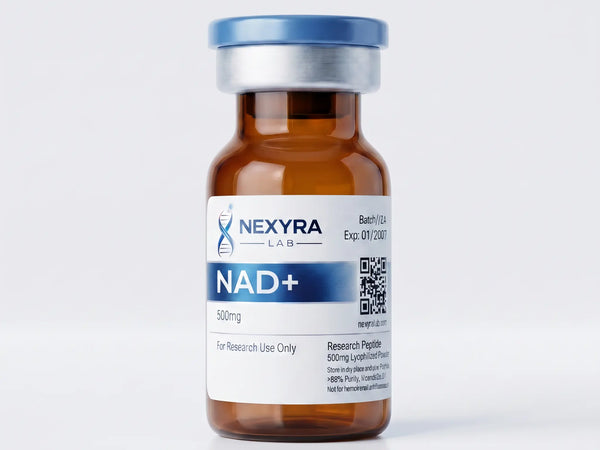
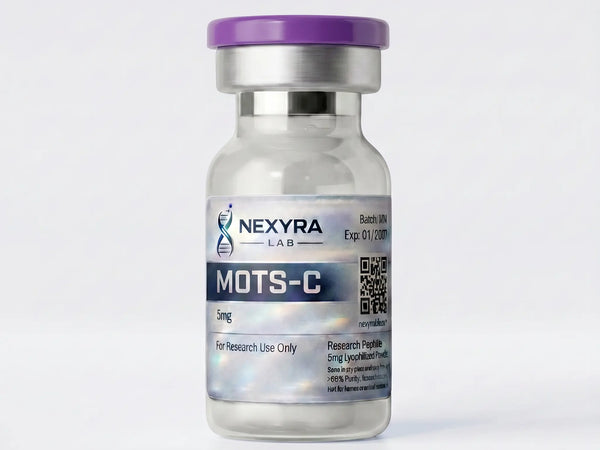
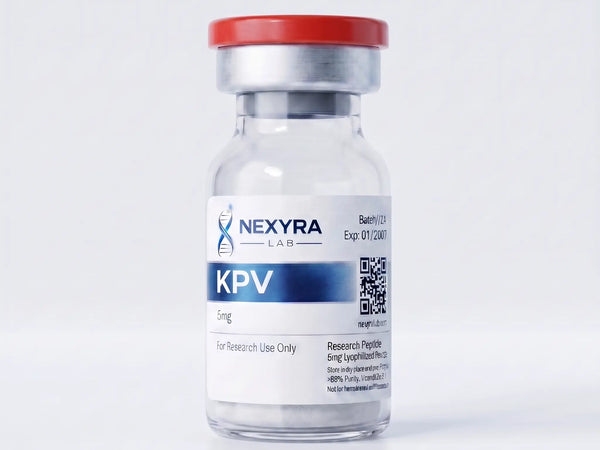
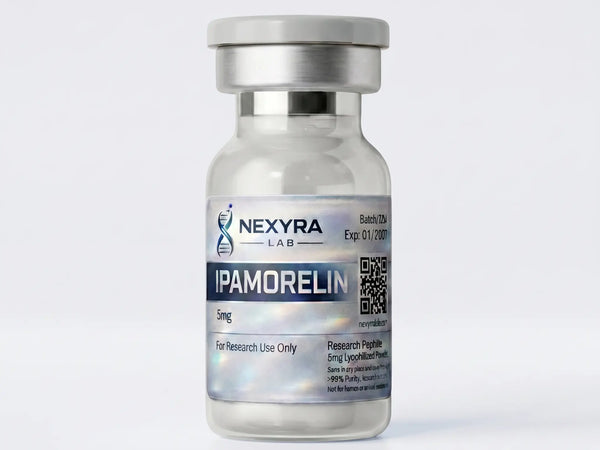




The Peptide Problem: Hype Outpaces Evidence for Popular Injectables
A growing number of individuals are turning to injectable peptides like TB-500 for purported benefits such as anti-aging, accelerated injury recovery, and weight loss. However, regulatory bodies and scientific experts are sounding the alarm, warning that the widespread enthusiasm for these substances is far outpacing the available scientific evidence, raising significant safety concerns.
Key Takeaways
- Many popular peptides, including TB-500 and BPC-157, lack robust human clinical trials.
- Regulatory agencies like Health Canada and the FDA have issued warnings about the safety and efficacy of unauthorized injectable peptides.
- The online market for these peptides is rife with unregulated products, questionable purity, and potential for serious adverse effects.
- While some peptides are approved medications, the experimental compounds being self-administered are often sold as "research chemicals" and carry significant risks.
The Allure of Peptides
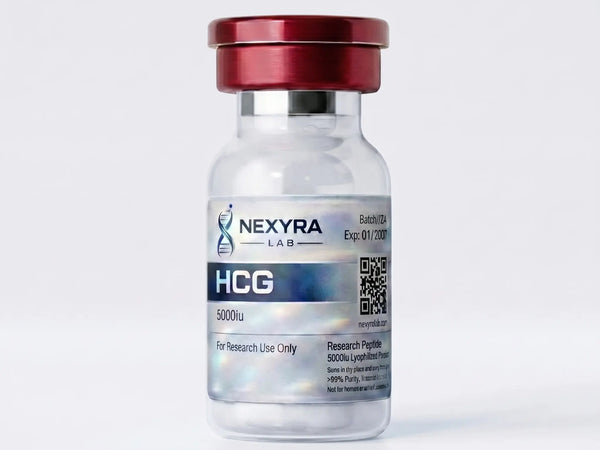
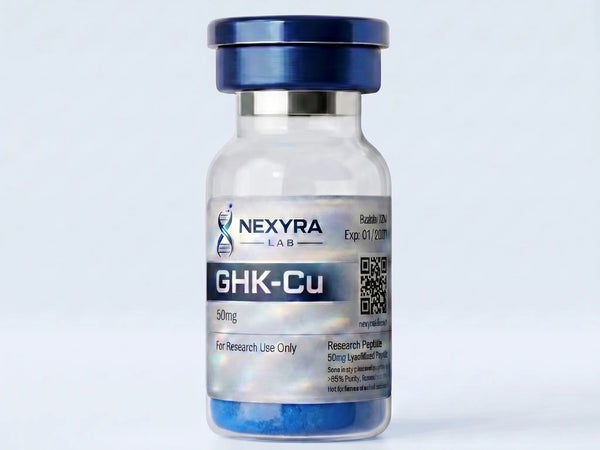
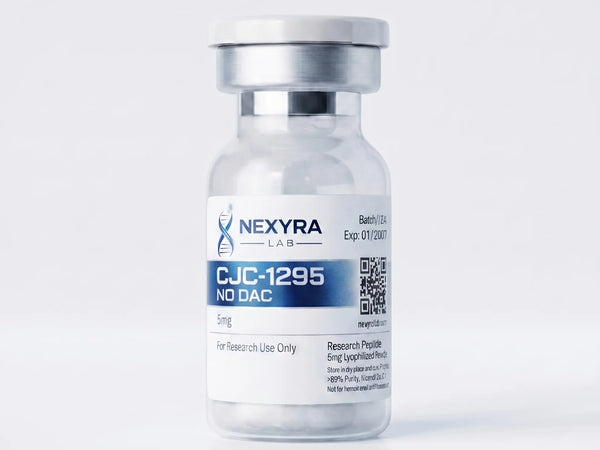
Peptides, which are short chains of amino acids, are being heavily marketed on social media platforms and online marketplaces. Influencers, including some medical professionals, promote compounds like TB-500 and BPC-157 for a wide range of benefits, from "melting" belly fat and reducing wrinkles to enhancing athletic recovery and promoting general wellness. This has led to a surge in self-administration, with some even attending "peptide raves" for communal injections.
A Chasm in Scientific Evidence
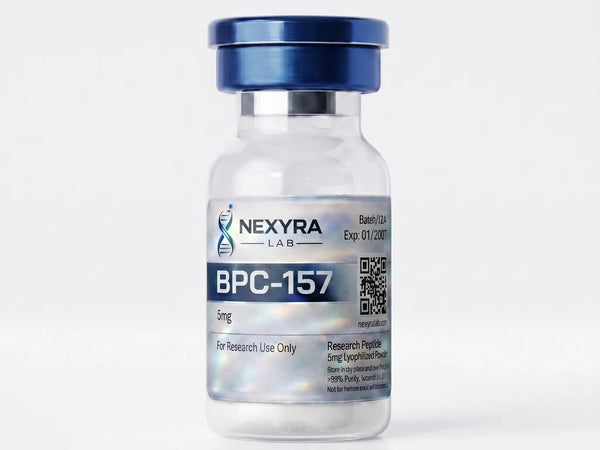
Despite the enthusiastic testimonials, the scientific backing for many of these peptides is alarmingly thin. For compounds like BPC-157, the vast majority of research consists of animal and cell studies. Human trials are scarce, often small, poorly controlled, and lack placebo groups, making it difficult to distinguish genuine effects from the placebo effect or natural recovery.
Regulatory Warnings and Safety Concerns
Health Canada has explicitly warned Canadians against purchasing and injecting unauthorized peptide drugs, citing that these products have not been assessed for safety, efficacy, or quality. They may contain incorrect dosages or even none of the advertised ingredient. In the United States, the FDA has classified certain peptides, like BPC-157, with concerns regarding adverse immune reactions, impurities, and insufficient safety data.
Furthermore, the online procurement of these substances is fraught with peril. Purity certificates provided by vendors are often unreliable, and the "research chemicals" label does not legalise them for human consumption. There are documented cases of individuals experiencing severe adverse reactions, including anaphylaxis, from unregulated peptide injections. Concerns also exist about potential long-term risks, such as the promotion of cancer growth, as some peptides can stimulate blood vessel formation, a process that can also aid tumour development.
Approved Peptides vs. Experimental Compounds
It is crucial to distinguish between approved peptide medications and the experimental compounds being sold online. Established peptide drugs like insulin and GLP-1 agonists (e.g., Ozempic, Wegovy) have undergone rigorous clinical trials and regulatory approval. In contrast, many of the peptides popular in wellness circles, such as TB-500 and BPC-157, remain experimental and are not approved for human use by major regulatory bodies. The World Anti-Doping Agency (WADA) has also banned many of these substances.
The Path Forward
While the potential for future therapeutic applications of some peptides cannot be entirely dismissed, experts stress the critical need for well-designed, placebo-controlled human trials. Until such evidence is available, the self-administration of unapproved injectable peptides represents high-risk, uncontrolled human experimentation, with potential consequences that are largely unknown.
Sources
- Hype is outrunning the evidence, The Conversation.
- Most anti-ageing peptides don’t work. But these might, BBC Science Focus Magazine.
- Injectable peptides: A performance-boosting, anti-ageing drug or a dangerous gamble?, The Independent.
- What They Are, What They Promise, and the Big Unknowns, Everyday Health.
- The Human Lab Rats Injecting Themselves with Peptides | Office for Science and Society, McGill University.