


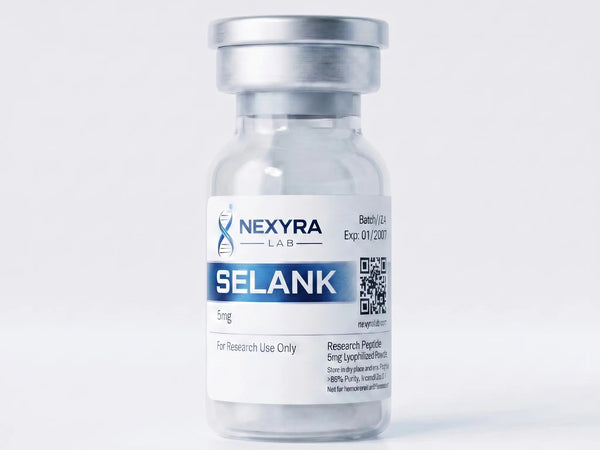
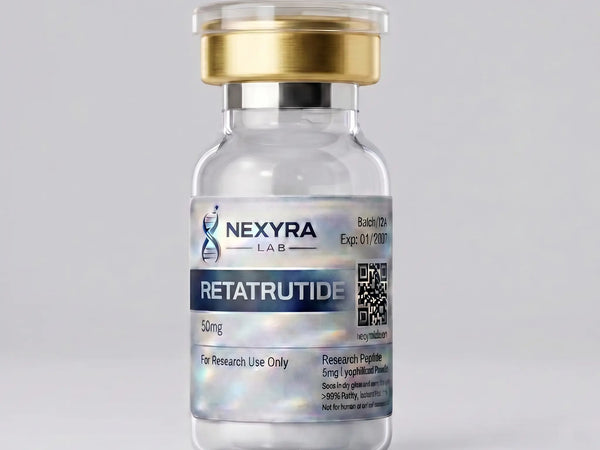
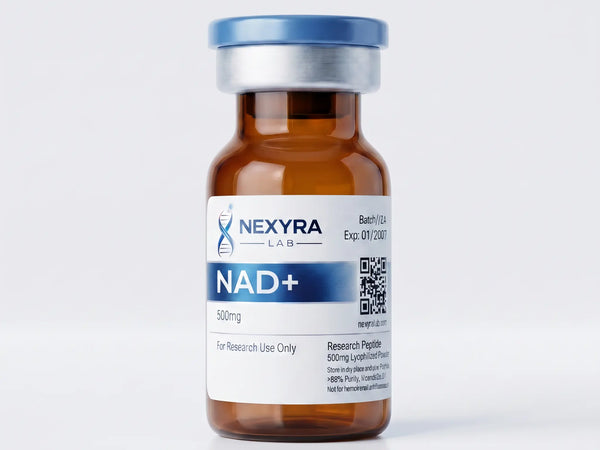
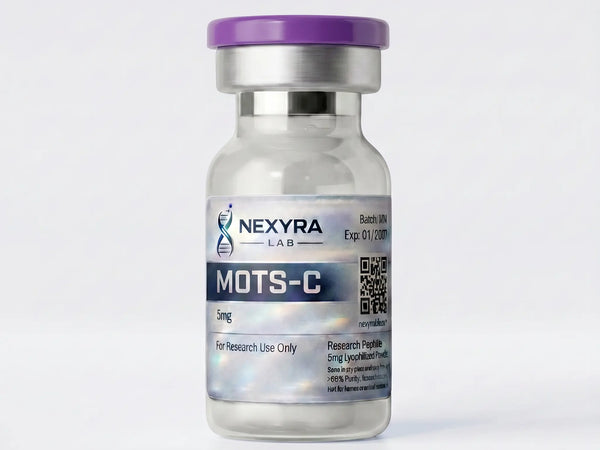



Longevity Research Peptides UK 2026: NAD+ MOTS-c & GHK-Cu Cluster Guide
Here are some of the main points to remember about longevity peptides in the UK for 2026. These compounds are generating a lot of interest, and understanding the basics can help you follow the research.
Key Takeaways
- NAD+ is vital for cell energy, but it drops as we age. Precursors like NMN and NR are studied to boost NAD+ levels.
- MOTS-c is a peptide that acts like exercise for your cells, potentially improving how your body uses energy.
- GHK-Cu is a copper peptide known for its roles in skin repair and potentially influencing gene expression for healthier tissues.
- When using peptides, stacking different ones might offer combined benefits, but it's important to do it carefully.
- Sourcing reputable peptides and monitoring your health with blood tests are important steps if you're exploring these options.
Understanding Longevity Peptides UK

The Rise of Longevity Peptides in the UK
It feels like everywhere you look these days, there's talk about peptides and living longer, healthier lives. The UK is certainly no exception to this growing trend. What was once a niche area of scientific research is now becoming more accessible, with people exploring various compounds to support their well-being as they age. It's a fascinating field, and understanding the basics is key before you even think about trying any of the best longevity supplements UK has to offer.
Key Peptides for Longevity Research
When we talk about longevity peptides, a few names tend to pop up repeatedly. These aren't just random chemicals; they're specific molecules that researchers believe play a role in cellular health, repair, and overall ageing processes. Think of them as tiny biological messengers that can influence how our cells function.
Here are some of the main players you'll likely encounter:
- NAD+ Precursors (like NMN and NR): These are vital for cellular energy production. As we get older, our natural levels of NAD+ drop, which is linked to many age-related changes.
- MOTS-c: This peptide is interesting because it seems to mimic some of the benefits of exercise, particularly concerning metabolism and mitochondrial function.
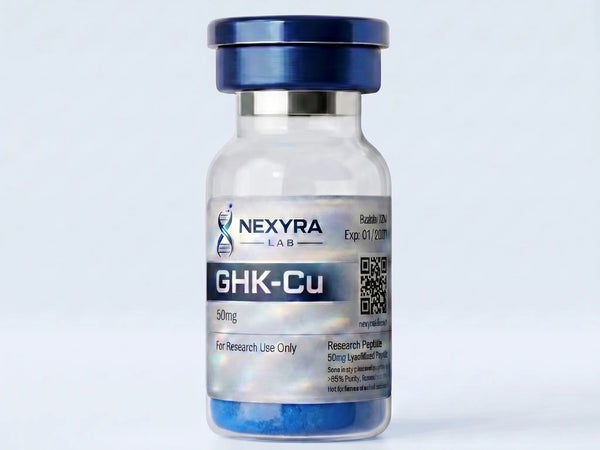
- GHK-Cu: A copper peptide known for its roles in skin repair and tissue regeneration. It's often discussed for its anti-ageing effects on the skin, but its influence goes deeper.
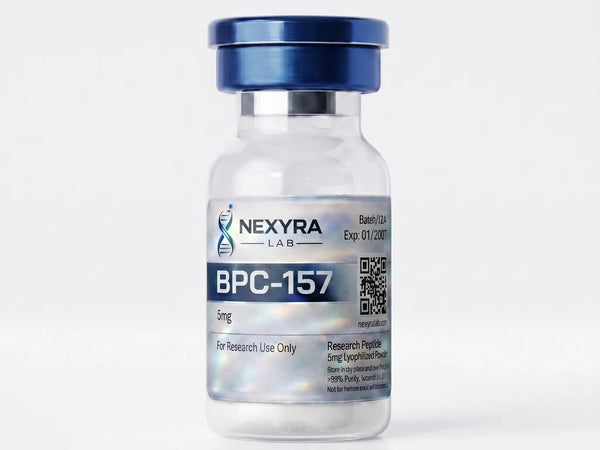
- BPC-157 & TB-500: These are often grouped together and are popular for their potential in tissue repair and recovery.
The scientific community is actively investigating how these peptides interact with our bodies at a cellular level. While promising, it's important to remember that much of this research is ongoing, and individual responses can vary.
Navigating the UK Peptide Landscape
Finding your way through the world of peptides in the UK can feel a bit like a maze. There are different types of peptides, varying research statuses, and a growing market for these compounds. It's really important to approach this with a clear head and a focus on safety and quality. When looking for reliable UK suppliers, transparency about sourcing and purity testing is a good sign. You can find more information on how to evaluate vendors and ensure you're getting research-grade materials here.
It's also worth noting that not all peptides are created equal, and their availability and legal status can differ. Some are more established in research circles, while others are still very much in the experimental phase. Always do your homework and consider consulting with a healthcare professional if you're thinking about incorporating any peptide therapy into your routine.
NAD+ For Cellular Vitality
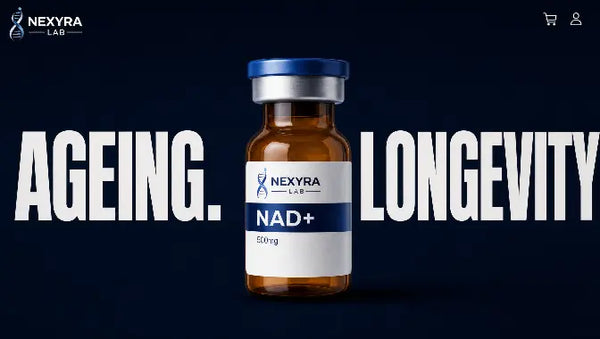
You know, as we get older, things just don't work quite like they used to. Our bodies seem to slow down, and that's partly down to something called NAD+. It's a coenzyme that's absolutely vital for our cells to produce energy and fix our DNA. Think of it as the spark plug for your cellular engines. The problem is, NAD+ levels naturally drop as we age. This decline is linked to a whole host of age-related issues, making us feel less energetic and more prone to problems.
NAD+ Decline With Age
This drop in NAD+ isn't just a minor inconvenience; it's a significant factor in the aging process. Lower NAD+ levels mean our cells struggle to perform their essential functions efficiently. This can manifest as fatigue, reduced metabolic function, and a general feeling of being run down. It's a bit like trying to run a car on a nearly empty fuel tank – it's just not going to perform well.
NMN vs NR Precursors
So, what can we do about it? Well, researchers are looking into ways to boost NAD+ levels, and a lot of attention is on something called NAD+ boosters UK. The most talked-about precursors are Nicotinamide Mononucleotide (NMN) and Nicotinamide Riboside (NR). These are essentially building blocks that our bodies can use to create more NAD+. While both have shown promise in studies, there's ongoing research to figure out which is more effective and how best to use them. It’s a bit of a debate in the longevity community, with people having their own preferences based on anecdotal evidence and emerging studies.
Here's a quick look at how they compare:
- NMN (Nicotinamide Mononucleotide): Directly converted to NAD+ in cells. Some studies suggest it might be more efficient, but it's a larger molecule.
- NR (Nicotinamide Riboside): Also converted to NAD+, but goes through an extra step. It's a smaller molecule and has been studied quite a bit in human trials.
Sirtuin Activation and Anti-Ageing
Boosting NAD+ isn't just about energy production; it's also about activating a group of proteins called sirtuins. These are often called the 'longevity genes' because they play a role in DNA repair, cellular stress resistance, and metabolism. When NAD+ levels are high, sirtuins are more active, helping to protect our cells and potentially slow down aspects of the aging process. It's like giving your body's repair crew the tools and energy they need to do a better job.
The interplay between declining NAD+ and cellular function is a key area of focus in longevity research. Understanding these mechanisms helps us explore potential interventions to support cellular health as we age.
It's an exciting field, and the research into NAD+ and its precursors is really picking up pace. Many people are looking into these NAD+ booster UK options as part of their health optimisation strategies.
MOTS-c: The Exercise Mimetic Peptide
Right then, let's talk about MOTS-c. You might have heard of it, especially if you're looking into longevity peptides in the UK. This little peptide is pretty interesting because it seems to do some of the good stuff that exercise does for our bodies, but without you actually having to break a sweat. It’s essentially a peptide that mimics the effects of exercise at a cellular level.
Mitochondrial Health and MOTS-c
So, what's the deal with mitochondria? Think of them as the powerhouses of your cells. As we get older, these powerhouses don't work quite as efficiently, which can lead to all sorts of issues. MOTS-c, which stands for Mitochondrial-Derived Serine/Threonine-Rich peptide, comes from the mitochondria itself. It's thought to play a role in keeping these cellular power plants running smoothly. Research suggests that MOTS-c can help improve mitochondrial function, which is a big deal for overall health and slowing down some aspects of ageing. It's all about keeping those energy factories humming along nicely.
Insulin Sensitivity and AMPK Activation
One of the most talked-about benefits of MOTS-c is its effect on insulin sensitivity. Many people find that as they age, their bodies become less responsive to insulin, which can lead to problems like type 2 diabetes. MOTS-c seems to help with this by activating a pathway called AMPK. AMPK is like a master switch for your metabolism. When it's activated, it tells your cells to use energy more efficiently. This can lead to better blood sugar control and improved insulin sensitivity. It’s a bit like giving your metabolism a helpful nudge in the right direction. If you're interested in how this works, you can find more details on MOTS-c peptide therapy.
Mimicking Exercise for Longevity
This is where the 'exercise mimetic' part comes in. Exercise is brilliant for us – it helps with metabolism, muscle function, and all sorts of things. MOTS-c appears to trigger some of the same beneficial pathways that exercise does. This means it could potentially offer some of the anti-ageing and metabolic benefits associated with regular physical activity. It’s not a replacement for exercise, of course, but it’s a fascinating area of research for those looking to support their body’s natural processes. Some people are exploring stacking it with other peptides for a more rounded approach to well-being.
The idea behind MOTS-c is to support cellular energy production and metabolic health. By influencing mitochondrial function and activating key metabolic pathways, it aims to keep cells working more efficiently, which is thought to be a key factor in healthy ageing. It's a peptide that's really caught the attention of researchers looking at how we can support our bodies as we get older.
When considering any peptide, especially for longevity, it's always wise to look into reputable sources. The quality of what you're using really matters, and there are guides out there to help you evaluate peptide vendors and ensure you're getting the real deal.
GHK-Cu: The Multi-Faceted Copper Peptide
Right then, let's talk about GHK-Cu. You might have heard it called Copper Tripeptide-1, especially if you're into skincare. It's basically a small chain of three amino acids – glycine, histidine, and lysine – all bundled up with a copper ion. This little molecule is naturally found in our bodies, in things like blood plasma and even saliva. Pretty neat, eh? The really interesting bit is that its levels tend to drop as we get older, which seems to tie in with some of the visible signs of ageing and our body's ability to repair itself.
Skin Regeneration and Anti-Ageing Properties
This is where GHK-Cu really shines, and it's probably why you've seen it in so many serums. It's a bit of a powerhouse when it comes to skin. It seems to encourage the skin to make more collagen and other bits that keep it firm and elastic. Think of it like giving your skin cells a nudge to behave more like they did when they were younger. It can help smooth out fine lines and generally make your skin look a bit more refreshed. It's one of the GHK-Cu peptide benefits that people are most excited about.
- Boosts collagen production
- Improves skin elasticity
- Helps reduce the appearance of wrinkles
- Supports the skin's natural repair processes
Wound Healing and Tissue Repair
Beyond just looking good, GHK-Cu is also pretty handy when it comes to actual healing. Because it's naturally released when tissues are damaged, it makes sense that it would help things along. It's been looked at for helping all sorts of tissues repair, not just skin. It seems to get involved in signalling pathways that tell the body to get to work fixing things up. If you're looking into ways to support recovery after an injury or procedure, this peptide is definitely worth a look.
GHK-Cu appears to play a role in the body's natural repair mechanisms, signalling for the rebuilding of damaged tissues and promoting a healthier cellular environment. Its presence is a sign that the body is initiating a healing response.
Gene Expression Modulation for Longevity
This is where things get a bit more technical, but it's super interesting. GHK-Cu has this ability to influence how our genes are expressed. It's been shown in studies to affect thousands of different genes. This means it can essentially tell your cells to switch certain functions on or off, nudging them towards a more youthful or healthier state. This broad gene-modulating effect is a big reason why researchers are so keen on its potential for longevity. It's not just about one specific function; it's about influencing the cell's overall behaviour. For more on how peptides work systemically, you might find what do peptides do an interesting read.
Here's a quick rundown of some key areas GHK-Cu influences:
- Collagen Synthesis: Encourages the production of collagen, vital for skin structure and joint health.
- DNA Repair: Appears to support the cell's ability to fix damaged DNA.
- Antioxidant Defence: Helps bolster the body's natural defence against oxidative stress.
- Inflammatory Signalling: Can help regulate inflammatory responses.
It's worth noting that while GHK-Cu shows promise, its concentration declines with age, making it a target for longevity research. As with any supplement or peptide therapy, it's always best to chat with a healthcare professional to see if it's right for you.
Optimising Peptide Protocols in the UK
Right then, so you've been looking into these longevity peptides and fancy giving them a go. It's not just about picking one or two things and hoping for the best, you know. Putting together a decent protocol, especially here in the UK, takes a bit of thought. It’s about making sure what you’re doing actually works together and, importantly, is safe.
Beginner to Advanced Stacking Strategies
When you're starting out, it's easy to get overwhelmed. Most people begin with a single peptide or a simple combination. For instance, someone might start with NAD+ precursors like NMN or NR to boost cellular energy, perhaps alongside GHK-Cu for its general regenerative properties. As you get more comfortable, you might consider adding something like MOTS-c, especially if you're looking to mimic some of the benefits of exercise. The key is to introduce things slowly and see how your body responds. Advanced users might look at more complex stacks, combining peptides that target different pathways. Think about stacking a mitochondrial peptide with one that supports cellular repair, or perhaps combining a growth hormone secretagogue with something for cognitive function. It’s a bit like building with LEGOs; you start with a few bricks and gradually add more complex structures.
- Beginner: Focus on foundational peptides like NAD+ precursors (NMN/NR) or GHK-Cu.
- Intermediate: Introduce peptides like MOTS-c or BPC-157 for specific goals like metabolic health or tissue repair.
- Advanced: Explore multi-peptide stacks targeting various longevity pathways, often with careful monitoring.
Monitoring Peptide Therapy with Blood Work
This is where things get serious. Just taking peptides without checking what's happening inside your body is a bit like driving a car blindfolded. You really need to get some blood work done. This isn't just a quick check-up; you'll want to look at a range of markers. Things like general health indicators (liver function, kidney function), hormone levels, and specific markers related to the peptides you're using are important. For example, if you're using growth hormone secretagogues, you'll want to monitor IGF-1 levels. It’s also a good idea to get a baseline reading before you start anything, so you have something to compare against. This helps you see if the peptides are having the intended effect and, more importantly, if they're causing any unwanted side effects. You can find UK testing options that cater to this kind of specialised monitoring.
Sourcing Reputable Longevity Peptides UK
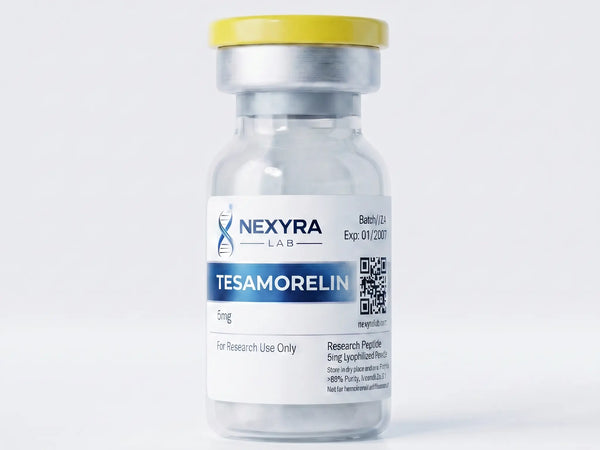
Finding good quality peptides in the UK can be a bit of a minefield. There are a lot of suppliers out there, and not all of them are created equal. You want to be sure that what you're getting is pure and accurately labelled. Look for suppliers who provide Certificates of Analysis (CoAs) for their products, ideally from a third-party lab. This shows they've had their peptides tested for purity and identity. It’s also worth checking reviews or forums where people discuss their experiences with different vendors. Reputable suppliers will be transparent about their testing and sourcing. Don't be afraid to ask questions. If a deal seems too good to be true, it probably is. For example, Nexyra Lab is known for its commitment to purity and rigorous testing, which is a good sign when you're looking for research-grade compounds.
When you're looking at peptide protocols, remember that individual responses can vary a lot. What works brilliantly for one person might not do much for another. It's always best to start low and go slow, paying close attention to how you feel and what your body is telling you. Regular health checks are a sensible part of the process.
Remember, these peptides are generally for research purposes, and it's important to use them responsibly and in line with current regulations. Always do your homework on the specific peptides you're interested in, understanding their mechanisms and potential effects. Research peptide guides can be a good starting point for understanding different compounds.
Emerging Longevity Peptide Research
While NAD+, MOTS-c, and GHK-Cu are getting a lot of attention, the world of anti-aging peptides research is constantly evolving. Scientists are digging deeper, looking at new compounds and refining our understanding of existing ones. It's a fast-moving field, and keeping up can feel like a full-time job.
Mitochondrial Peptides Beyond MOTS-c
MOTS-c isn't the only peptide showing promise for mitochondrial health. Researchers are also looking into others like Humanin, a peptide discovered back in 2001 that's been studied for its protective effects on cells and its role in metabolism. Then there's SS-31, also known as Elamipretide, which targets mitochondria to help restore their energy production. These peptides are being investigated for their potential in conditions linked to cellular energy decline.
Senolytics and Cellular Health
As we age, our cells can enter a state called senescence, where they stop dividing but don't die off. These 'zombie' cells can cause inflammation and damage surrounding tissues. Peptides like FOXO4-DRI are being developed as senolytics, aiming to selectively clear out these senescent cells. The idea is that by removing them, we can reduce age-related inflammation and potentially improve tissue function. It's a bit like spring cleaning for your body at a cellular level.
Future of Longevity Peptide Regulation
Navigating the regulatory landscape for these research peptides can be tricky. Some, like Epitalon, have seen shifts in their classification, with potential for wider use under prescription in the future. It's important to stay informed about these changes, especially if you're considering using any of these compounds. The UK's approach to longevity peptide sourcing is something to keep an eye on as the science progresses.
The ongoing exploration into novel peptides highlights a growing understanding of the complex biological pathways involved in aging. This research aims to identify specific molecular targets that can be modulated to promote healthier aging and potentially extend lifespan. It's a fascinating area, moving beyond general health supplements to highly targeted interventions.
Conclusion
The world of longevity peptides UK is really taking off, and it's exciting to see how compounds like NAD+, MOTS-c, and GHK-Cu are being explored for their potential health benefits. While research is ongoing, these peptides offer a glimpse into a future where we might have more tools to support cellular health and potentially live healthier for longer. It's a complex field, and staying informed is key as new findings emerge. Remember, always consult with a healthcare professional before considering any new supplement or research compound.
Frequently Asked Questions
What exactly are longevity peptides?
Think of longevity peptides as tiny messengers in your body, made of amino acids. They do specific jobs, and scientists are looking into how some of them might help our cells stay healthier as we get older, potentially slowing down some signs of ageing.
Is NAD+ a peptide?
NAD+ itself isn't a peptide; it's a coenzyme, a molecule that helps other proteins do their jobs, especially when it comes to energy production in our cells. Peptides like NMN and NR are being studied as ways to help the body make more NAD+.
Can I just buy these peptides easily in the UK?
It's a bit tricky. Some peptides are available for research purposes, but you need to be careful about where you get them from. It's not like picking up a regular vitamin off the shelf. Always look for reputable sources if you're researching them.
Are these peptides safe to use?
Safety is a big question. While some peptides have been studied a lot, many are still considered 'research chemicals.' This means they haven't gone through all the official testing that medicines do. It's really important to talk to a doctor before you think about using them.
How do I know if a peptide is working?
People often track changes in how they feel, like energy levels or skin appearance. Some also use blood tests to check certain markers. But remember, the effects can be subtle and take time. It's not always a dramatic change overnight.
What's the difference between NAD+ precursors like NMN and NR?
NMN and NR are both molecules that your body can use to create NAD+. They are like different building blocks that lead to the same final product. Scientists are still researching which one might be more effective or how they work best.