



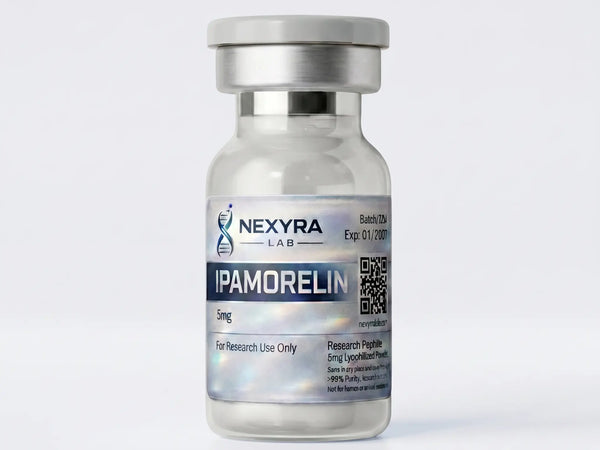





The Ultimate Guide to Ipamorelin Therapy: Benefits, Effects & Uses 2026
Discovering effective ways to stimulate natural growth hormone production has gained significant attention, especially among those looking to improve body composition, enhance recovery, and support healthy ageing. Ipamorelin peptide therapy stands out as a promising approach, offering targeted stimulation of the body's own growth hormone pathways with minimal side effects. This guide provides a comprehensive overview of ipamorelin therapy, shedding light on its mechanisms, benefits, and safety considerations to aid informed decisions.
What Is Ipamorelin Therapy and How Does It Work?
Ipamorelin is a selective growth hormone secretagogue peptide designed to enhance natural growth hormone release. It works by binding specifically to growth hormone secretagogue receptors in the pituitary gland, stimulating growth hormone secretion in a controlled manner. Unlike other peptides, ipamorelin mimics ghrelin, the hunger hormone, but does so without significantly triggering cortisol or prolactin release, hormones often associated with unwanted side effects. This selective action enables an increase in natural growth hormone production without relying on synthetic HGH, which can disrupt the body's hormonal balance. Consequently, ipamorelin therapy provides a safer, more physiological method to boost growth hormone levels.
How Ipamorelin Increases Growth Hormone Levels
The pituitary gland and hypothalamus play central roles in regulating growth hormone release through pulsatile signals. Ipamorelin acts on the pituitary by binding to growth hormone secretagogue receptors, triggering natural, intermittent GH secretion that closely mimics the body's own rhythms. This promotes increased IGF-1 production, a critical mediator for muscle growth and tissue repair. When compared to other GH secretagogues or GHRH analogues, ipamorelin exhibits a more selective profile, avoiding overstimulation of related hormones like cortisol. This targeted approach supports improved metabolic function and enhanced tissue regeneration without the drawbacks of less selective compounds.
Key Benefits of Ipamorelin Therapy
Ipamorelin therapy offers a spectrum of benefits particularly valuable for those seeking enhanced physical performance and healthier ageing. It promotes increased lean muscle mass and supports fat loss, resulting in improved overall body composition. Users frequently report better sleep quality, which is crucial for natural recovery and hormonal balance. Faster recovery times after exercise help maintain consistent training routines while reducing injury risks. Additionally, ipamorelin enhances energy levels and mental clarity, supporting daily productivity. Joint pain reduction is another commonly observed effect, contributing to greater mobility. Beyond physical gains, ipamorelin exhibits anti-aging properties by improving skin tone, promoting hair health, and slowing tissue degradation, making it attractive for those prioritising natural rejuvenation.
Who Can Benefit From Ipamorelin Therapy?
Typical candidates for ipamorelin therapy include individuals experiencing age-related declines in growth hormone levels, athletes aiming to optimise body composition, and those focused on muscle preservation and fat reduction. People diagnosed with growth hormone deficiency may also find ipamorelin a beneficial adjunct under medical supervision. Its natural hormone stimulation appeals to users preferring safer alternatives to synthetic HGH, minimizing risks associated with exogenous hormone administration. However, therapy is not suitable for everyone; contraindications include active cancer, uncontrolled endocrine disorders, or pregnancy, highlighting the importance of professional evaluation before starting treatment.
Ipamorelin Therapy Administration and Dosage
Ipamorelin is primarily administered via subcutaneous injection, a route that ensures effective absorption and bioavailability while being minimally invasive. Typical dosing ranges between 200 and 300 micrograms daily, often administered in cycles lasting 8 to 12 weeks. Timing injections at night aligns with natural growth hormone peaks, maximising therapy benefits related to muscle growth and repair during sleep. To maintain tissue health and minimise local irritation, rotating injection sites is advised. Correct administration protocols contribute significantly to treatment efficacy and patient comfort.
Expected Timeline and Results of Ipamorelin Therapy
Users often observe initial benefits such as improved sleep quality, heightened energy, and faster recovery within the first month of ipamorelin therapy. As treatment progresses, skin texture and tone improvements become noticeable, alongside measurable reductions in body fat. Muscle mass gains emerge gradually, supporting enhanced body composition. These physiological changes typically culminate around the 3 to 6 month mark, reflecting the natural pace of growth hormone-mediated tissue adaptation. Combining therapy with a balanced diet, regular exercise, and adequate rest further amplifies results, underscoring a holistic approach to optimise outcomes.
Side Effects and Safety of Ipamorelin Therapy
Ipamorelin is generally well tolerated, presenting fewer side effects compared to other growth hormone secretagogues. Reported adverse effects are mild and transient, including occasional headaches, fatigue, injection site irritation, or nausea. To ensure safety, medical supervision is vital for monitoring IGF-1 levels and adjusting dosages as needed, preventing excessive hormone stimulation. Certain populations require caution, such as individuals with cancer, diabetes, or cardiovascular conditions. Through proper screening and ongoing oversight, ipamorelin therapy remains a relatively low-risk option among peptide treatments.
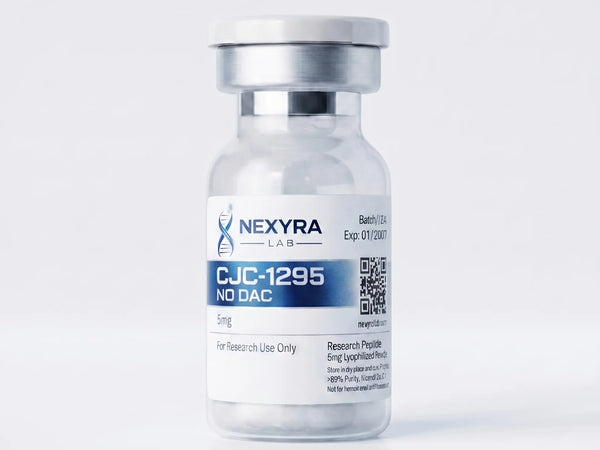
Combining Ipamorelin with Other Peptides Like CJC-1295
Ipamorelin is often combined with peptides such as CJC-1295 to harness complementary benefits. While ipamorelin induces rapid, short-lived growth hormone pulses, CJC-1295 prolongs growth hormone release over extended periods. This synergy can optimally enhance growth hormone levels for improved muscle growth, fat reduction, and recovery. Combined protocols typically involve staggered dosing to balance immediate and sustained hormone stimulation. Clinical peptide therapy programs may adopt this approach to fine-tune hormonal effects, but careful medical guidance is essential to avoid overstimulation or adverse reactions associated with peptide stacking.
Ipamorelin for Weight Loss and Improved Body Composition
By increasing growth hormone release, ipamorelin enhances fat metabolism through stimulated lipolysis, facilitating body fat reduction. Simultaneously, its effects preserve muscle mass and promote lean body mass improvements, aiding effective body recomposition. Growth hormone-driven boosts in basal metabolic rate raise daily energy expenditure, supporting weight loss efforts even with modest dietary changes or physical activity. Clinical observations confirm that patients experience incremental fat loss without requiring aggressive dieting or intensive exercise, making ipamorelin an attractive adjunct for managing body composition safely and sustainably.
Biological Mechanisms Behind Ipamorelin’s Effects
Ipamorelin binds specifically to the growth hormone secretagogue receptor 1a (GHSR-1a), initiating intracellular signaling cascades that stimulate growth hormone release. Its interaction with the hypothalamus and pituitary glands effectively prompts GH secretion while minimising the release of cortisol and prolactin, hormones frequently implicated in stress and side effects. Subsequent elevation of IGF-1 levels drives protein synthesis and tissue regeneration, underpinning muscle growth and repair. Ipamorelin’s pharmacokinetics, including a moderate half-life, supports once-daily dosing aligned with the body's natural hormonal rhythms, enhancing its therapeutic utility.
Clinical Considerations and Lab Work Monitoring During Therapy
Before initiating ipamorelin therapy, baseline laboratory evaluation including growth hormone and IGF-1 levels is crucial to establish individual hormonal status. Continuous monitoring throughout treatment helps assess efficacy and detect any adverse effects early. Dose adjustments may be warranted based on lab results and clinical response, ensuring the therapy remains both effective and safe. Regular medical oversight reduces risks and enhances outcomes by tailoring treatment to each patient’s physiological feedback.
Potential Risks and Contraindications to Be Aware Of
Excessive growth hormone stimulation may lead to unwanted effects such as joint pain and insulin resistance, emphasizing the need for measured dosing. Ipamorelin is contraindicated in individuals with active cancer, as increased growth hormone or IGF-1 could potentially promote tumour growth. Patients with certain endocrine disorders, cardiovascular disease, or metabolic conditions should undergo careful screening before commencing therapy due to heightened risk profiles. Consulting a healthcare professional prior to treatment initiation is essential to evaluate personal risks and ensure appropriateness.
Is Ipamorelin Therapy Right for Your Health Goals?
Ipamorelin offers a targeted and generally safe approach to naturally enhancing growth hormone levels, supporting benefits such as improved muscle mass, fat loss, better sleep, and anti-aging effects. It suits individuals facing age-related GH decline, athletes optimizing performance, or those aiming for body recomposition with fewer side effects than synthetic HGH. A personalised consultation with qualified healthcare providers ensures therapy aligns with individual health status and goals. Integrating peptide therapy with balanced lifestyle habits maximises results, empowering a natural path to hormonal optimisation and enhanced well-being.