













Comprehensive Guide to Tesamorelin Therapy: Uses, Effects & Safety in 2026
Managing visceral fat and improving metabolic health remain challenging, especially for individuals with HIV-associated lipodystrophy and related metabolic disturbances. Tesamorelin therapy has emerged as a precise medical intervention addressing these concerns by stimulating natural growth hormone pathways to reduce harmful fat deposits and enhance body composition. This comprehensive guide delves into tesamorelin’s mechanism, clinical applications, safety profile, and practical considerations to help patients and healthcare professionals make informed decisions about its use.
What Is Tesamorelin Therapy and How Does It Work?
Tesamorelin is a synthetic analog of growth hormone-releasing hormone (GHRH), designed to mimic the body’s natural signaling molecules that regulate growth hormone secretion. Unlike direct growth hormone therapies, tesamorelin stimulates the pituitary gland to release growth hormone in a controlled manner, aligning more closely with physiological processes.
Upon subcutaneous administration, tesamorelin binds to specific receptors in the pituitary gland, triggering the release of endogenous growth hormone. This hormone then promotes increased production of insulin-like growth factor-1 (IGF-1), a key hormone involved in metabolic regulation and tissue growth.
IGF-1 exerts multiple influences on metabolism, including enhancing fat breakdown, improving protein synthesis, and modulating glucose utilization. Notably, tesamorelin effectively targets visceral fat, the deep abdominal fat associated with elevated cardiovascular and metabolic risks. By reducing this depot, tesamorelin helps improve lipid metabolism and overall body composition, offering a targeted approach distinct from general weight loss strategies.
Approved Medical Uses of Tesamorelin Therapy
Tesamorelin is primarily approved by regulatory bodies like the FDA for the treatment of HIV-associated lipodystrophy, characterized by abnormal fat redistribution—especially excess visceral fat—in people living with HIV. The therapy has demonstrated significant success in decreasing visceral adipose tissue in this population, improving metabolic parameters linked to cardiovascular risk.
Beyond fat reduction, tesamorelin has shown promising benefits in mitigating muscle wasting and enhancing lean body mass in HIV patients, addressing another key concern affecting quality of life and physical function. These benefits arise from improved growth hormone and IGF-1 activity, which support anabolic processes.
While mainly approved for HIV-related conditions, off-label use of tesamorelin is being explored for abdominal obesity and metabolic syndrome in broader populations. However, its effectiveness tends to be more pronounced for visceral fat compared to subcutaneous fat, underscoring that its mechanism specifically targets the metabolically active deep fat rather than superficial fat layers.
How Tesamorelin Therapy Is Administered: Dosage and Injection
Tesamorelin is administered via subcutaneous injection, typically into areas such as the abdomen or thigh. This route allows for steady absorption and patient convenience, facilitating at-home administration after appropriate training.
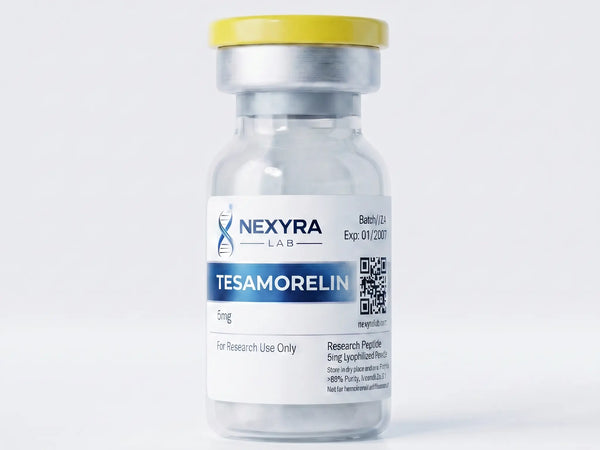
Before injection, tesamorelin comes in a lyophilised powder form that must be reconstituted with bacteriostatic water. This process involves mixing the powder with a precise volume of sterile bacteriostatic water to create a solution suitable for injection. Proper reconstitution ensures stability and potency of the peptide.
The usual dosing protocol involves once-daily injections, often prescribed in treatment cycles spanning several weeks to months depending on clinical response. Continuous daily administration is essential to maintain hormonal stimulation and achieve optimal visceral fat reduction.
Patients are advised to rotate injection sites to minimise injection site reactions, such as redness or tenderness, and to use new sterile needles and syringes for each injection. Safe disposal of used needles in sharps containers is critical to prevent injury and contamination.
Understanding Tesamorelin’s Effects on Blood Work and Biomarkers
Regular blood tests are a cornerstone of tesamorelin therapy, enabling assessment of therapy efficacy and safety. Prior to initiation, baseline measurements of IGF-1, blood sugar, and lipid panels are typically obtained. IGF-1 levels serve as a biomarker reflecting the biological activity of tesamorelin-induced growth hormone release.
During treatment, blood glucose monitoring is essential since tesamorelin may influence blood sugar regulation, potentially causing mild elevations. Lipid profiles often improve as visceral fat decreases, but ongoing monitoring helps detect any adverse metabolic changes promptly.
Protocols usually schedule blood work every few weeks to months, allowing your doctor to adjust therapy accordingly and detect early side effects. Close medical supervision is critical to balance therapeutic benefits with potential risks and ensure patient safety throughout treatment.
Common Side Effects of Tesamorelin Therapy and How to Manage Them
Most patients tolerate tesamorelin well, with injection site reactions being the most frequently reported mild side effect. These can include redness, swelling, itching, or mild pain at the site of subcutaneous administration.
Joint and muscle pain are also reported occasionally, generally manageable with over-the-counter analgesics or adjustments in activity levels. More serious side effects are rare but may encompass allergic reactions such as rash, swelling, or breathing difficulties, as well as fluid retention leading to discomfort.
If severe symptoms or signs of infection at the injection site—like increasing redness, warmth, pus, or fever—occur, immediate medical attention is warranted. Proactive strategies include rotating injection sites, using proper aseptic techniques, and applying cold compresses to reduce local irritation.
Safety Considerations: Pregnancy, Breastfeeding, and Contraindications
Tesamorelin is contraindicated during pregnancy due to insufficient data and potential risks to fetal development. Women who are pregnant or planning pregnancy should avoid this therapy. Breastfeeding mothers should consult their healthcare provider, as studies on safety during lactation are lacking, necessitating a careful risk-benefit analysis.
Other contraindications include active cancer diagnoses and disorders of the pituitary gland, where growth hormone regulation is disrupted. These conditions may exacerbate risks or impair therapeutic efficacy.
Patients should inform their doctor about alcohol consumption, existing medical conditions, and concurrent medications to avoid adverse interactions. Alcohol may influence blood sugar control and liver function, potentially affecting treatment outcomes and side effect profiles.
Potential Metabolic and Cardiovascular Benefits of Tesamorelin
Reduction of visceral fat through tesamorelin offers significant metabolic advantages, as this fat depot is closely linked to insulin resistance, inflammation, and cardiovascular disease risk. Studies indicate improvements in lipid profiles, including lowered triglycerides and improved HDL cholesterol levels, which collectively contribute to cardiovascular risk mitigation.
Additional emerging evidence highlights gains in muscle mass and physical strength, possibly mediated by enhanced growth hormone and IGF-1 activity. These changes can translate into better functional performance and overall metabolic health.
Some preliminary research suggests potential cognitive benefits, as IGF-1 influences neuronal growth and brain plasticity, although these effects require further clinical validation.
How to Prepare and Store Tesamorelin Injections Properly
Patients preparing tesamorelin injections must carefully reconstitute the lyophilised powder with bacteriostatic water, ensuring sterile handling to prevent contamination. After mixing, the solution should be gently swirled—not shaken—to avoid peptide degradation.
Once reconstituted, the injectable solution must be stored in a refrigerator at 2–8°C and used within the manufacturer’s recommended timeframe. Other kit components often remain stable at room temperature but should be kept in a dry, clean area.
Unused or expired medication should be discarded to prevent infection risk. Meticulous hygiene during preparation and administration is essential, including hand washing and use of alcohol swabs on the injection site.
Who Is a Good Candidate for Tesamorelin Therapy?
Ideal candidates for tesamorelin are individuals with HIV experiencing lipodystrophy accompanied by significant visceral fat accumulation. Additionally, patients with metabolic syndrome or muscle wasting conditions related to growth hormone deficiency may be considered after thorough evaluation.
Contraindications such as pregnancy, active malignancies, or pituitary disorders mean not all patients are suitable. A detailed medical evaluation is crucial before starting therapy to weigh risks and benefits.
Open dialogue with your doctor ensures therapy is personalised and aligns with individual health status and goals, optimizing safety and effectiveness.
Possible Interactions With Other Medications and Lifestyle Factors
Tesamorelin's influence on blood sugar levels necessitates caution when used alongside diabetes medications, requiring frequent monitoring and potential dose adjustments to avoid hypoglycemia or hyperglycemia.
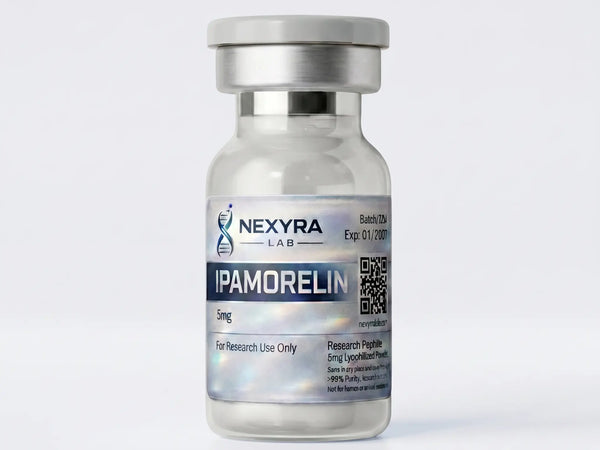
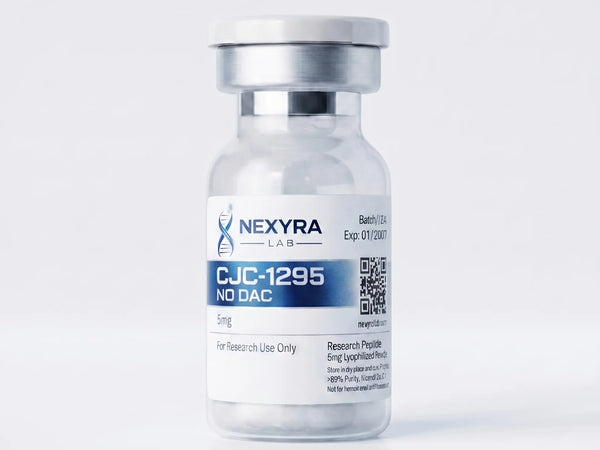
Combining tesamorelin with other hormones or supplements impacting growth hormone biology should be monitored closely to prevent overstimulation or side effects. For example, peptides like ipamorelin powder or CJC-1295 No DAC used for muscle growth may require medical oversight when combined.
Alcohol consumption may impair tesamorelin’s effectiveness and increase the risk of side effects such as altered blood sugar control or liver strain.
Full disclosure of all medications and supplements to your healthcare provider helps mitigate interaction risks and ensures safe, coordinated care.
Tracking Progress: What to Expect From Tesamorelin Therapy Timeline
Users often observe measurable reductions in visceral fat within weeks to a few months of consistent tesamorelin therapy. This timeline reflects physiological modulation of hormone levels impacting fat metabolism.
Treatment commonly follows a cyclical approach, with adherence to daily dosing critical for sustained results. Improvements in muscle mass and metabolic markers such as lipid profiles typically manifest progressively over several months.
Regular follow-ups with healthcare professionals and scheduled blood work enable personalized adjustments and reinforce commitment to therapy, maximizing outcomes.
Understanding Tesamorelin Injection Site Reactions and Their Management
Injection sites frequently show mild reactions, including redness, swelling, itching, or localized pain due to subcutaneous administration. Such symptoms usually resolve spontaneously within days.
Proper injection technique—including rotating sites and avoiding scarred or inflamed skin—can significantly reduce these reactions. Using cold compresses post-injection often alleviates discomfort.
Signs like excessive swelling, warmth, pus formation, or systemic symptoms such as fever indicate possible infection requiring prompt medical evaluation.
Guidelines for Safe Handling and Disposal of Tesamorelin and Injection Supplies
Bacteriostatic water used for reconstitution suppresses bacterial growth, but vial handling must maintain sterility to minimize contamination.
Used needles and syringes should be immediately placed in designated sharps containers, preventing accidental injury and infection. Sharing injection supplies is strictly prohibited to avoid transmission of blood-borne pathogens.
Expired or unused medication should be disposed of following local regulations. Your doctor or pharmacist can provide guidance on proper disposal to uphold safety and environmental standards.
Frequently Asked Questions About Tesamorelin Therapy (PAA Integration)
What is tesamorelin used for? It is prescribed mainly for reducing excess visceral fat in HIV-associated lipodystrophy and improving metabolic health.
How is it given? Tesamorelin is administered as a daily subcutaneous injection after reconstitution with bacteriostatic water.
How long does treatment last? Treatment duration varies; initial courses often last several months with periodic assessment for continuation or adjustment.
What if doses are missed? Missing a dose may reduce effectiveness; patients should resume the usual schedule and avoid doubling doses without medical advice.
Is tesamorelin safe during breastfeeding or pregnancy? It is contraindicated in pregnancy, and breastfeeding safety is not established, so usage requires careful medical consideration.
What blood work is required? Monitoring includes IGF-1 levels, blood glucose, and lipid panels to track therapy impact and detect side effects.
Where to Obtain Tesamorelin Therapy Safely and Legally
Obtaining tesamorelin requires prescription by licensed healthcare providers experienced in peptide therapies. This ensures access to pharmaceutical-grade products that meet stringent purity and efficacy standards.
Unregulated sources or research-grade tesamorelin intended for laboratory use should be avoided due to safety and legality concerns. Telemedicine platforms partnering with certified pharmacies offer convenient and legitimate access options, reinforcing patient safety.
Consulting your doctor enables tailored dosing, proper medical supervision, and guidance on trustworthy suppliers, safeguarding your health and investment.
Considering the Benefits and Risks of Tesamorelin Therapy for Visceral Fat Reduction
Tesamorelin therapy presents a targeted solution for reducing harmful visceral fat while simultaneously improving metabolic profiles and muscle mass in eligible patients. Its stimulation of natural growth hormone pathways offers a sophisticated alternative to direct hormone replacement, trading off some convenience for better physiological control.
Nevertheless, potential side effects—ranging from mild injection site reactions to rare systemic issues—require vigilant monitoring and patient engagement. Safety considerations such as contraindications in pregnancy and active malignancy further emphasize the need for personalised medical oversight.
Ultimately, integrating tesamorelin into a broader treatment plan, including lifestyle modifications and routine medical follow-up, delivers the best chance of achieving desired clinical outcomes. Collaborating closely with your healthcare provider ensures that therapy aligns with individual health status and goals while minimizing risks.