





GHK-Cu (Copper Peptide) Research Guide UK 2026: Collagen Skin & Wound Studies
So, GHK-Cu. You've probably seen it popping up in skincare ads, promising the world. It's this copper peptide thing, and apparently, it's been around for ages, studied quite a bit. We're looking at the UK scene here in 2026, and the buzz is mostly about how it might help with collagen and skin healing. It's not exactly a new kid on the block, but the research keeps coming. Let's see what the science actually says about it, especially for skin and wounds.
Key Takeaways
- GHK-Cu is a copper peptide that research suggests can boost collagen and elastin, making skin appear thicker and more hydrated.
- Studies indicate GHK-Cu might help reduce the appearance of wrinkles and improve skin's firmness and elasticity.
- There's evidence from animal studies and some human trials suggesting GHK-Cu plays a role in wound healing and tissue repair.
- The way GHK-Cu works involves influencing gene expression, particularly concerning enzymes like MMP1 and MMP2, and increasing TIMP1.
- In the UK, GHK-Cu is primarily available as a research compound; cosmetic products are regulated differently and cannot make therapeutic claims.
GHK-Cu UK: Unveiling Collagen Synthesis and Skin Regeneration
It's pretty fascinating how our skin works, isn't it? As we get older, things naturally slow down, and that includes how well our skin can repair itself and keep that youthful bounce. This is where GHK-Cu, a type of copper peptide, really starts to catch the eye, especially for those of us in the UK looking for ways to support our skin's natural processes. It's not just about looking younger, though; it's about helping the skin function better.
The Role of GHK-Cu in Stimulating Collagen and Elastin Production
Think of collagen and elastin as the scaffolding and rubber bands of your skin. They're what keep it firm, plump, and able to snap back. GHK-Cu seems to be a bit of a cheerleader for these vital proteins. Studies suggest it signals to the skin cells, encouraging them to produce more collagen and elastin. This is a big deal because, as we age, our natural production of these decreases, leading to sagging and wrinkles. So, by boosting their synthesis, GHK-Cu can help maintain skin structure and resilience. It's one of the key [copper peptide benefits UK] residents are learning about.
Enhancing Skin Thickness and Hydration with GHK-Cu
Beyond just collagen, GHK-Cu appears to have a hand in making the skin itself a bit more robust. Research indicates it can lead to an increase in skin thickness, affecting both the epidermis and the dermis. This thicker skin can feel more substantial and might offer better protection. Plus, it's been linked to improved skin hydration. Well-hydrated skin looks plumper and feels smoother, which is something many of us aim for. It’s why people search for the [best copper peptide serum UK] has to offer.
GHK-Cu's Impact on Fibroblast Activity and Skin Repair
Fibroblasts are the workhorses of skin repair. They're the cells responsible for creating the building blocks of our skin, like collagen, and releasing growth factors that help fix damage. GHK-Cu seems to get these fibroblasts fired up. It's thought to increase their activity, which in turn supports the skin's natural repair mechanisms. This means that when the skin experiences minor damage, it might be better equipped to handle it and recover more effectively. This ability to support [GHK-CU for skin regeneration] is a major focus in current research.
The natural decline in GHK levels as we age means our skin's repair systems aren't as efficient. Introducing GHK-Cu could potentially help to reset some of these age-related changes, supporting the skin's ability to maintain its structure and function.
Here's a quick look at what GHK-Cu is thought to do:
- Encourages the skin to make more collagen.
- Promotes the production of elastin for skin elasticity.
- Supports the activity of fibroblasts, the skin's repair cells.
- May help increase skin thickness and improve hydration.
It's quite a list, and it’s why [collagen boosting peptides UK] are gaining so much attention. The science behind how these peptides work is still unfolding, but the initial findings are certainly promising for skin health and appearance.
Clinical Evidence for GHK-Cu in Anti-Aging and Skin Appearance
When we talk about GHK-Cu and its effects on skin, there's a good amount of research backing up its claims, especially concerning how it helps with signs of ageing. It's not just about making skin look younger; studies show it actually helps rebuild and repair skin on a deeper level.
Reducing Wrinkle Volume and Depth with Topical GHK-Cu
One of the most noticeable signs of ageing is wrinkles, and GHK-Cu has shown some impressive results in tackling them. In a study where women applied a GHK-Cu cream for 12 weeks, there was a significant reduction in both the volume and depth of wrinkles. Compared to a control group, the GHK-Cu group saw a 55.8% reduction in wrinkle volume and a 32.8% reduction in wrinkle depth. It even outperformed a commercially available peptide complex, Matrixyl® 3000, by achieving a 31.6% greater reduction in wrinkle volume. This suggests GHK-Cu actively works to smooth out the skin's surface.
Improving Skin Density and Elasticity in Photoaged Skin
Photoaged skin, the kind that's been exposed to a lot of sun over the years, often becomes thinner and less elastic. GHK-Cu appears to counteract this. Studies involving women with photoaged skin found that regular application of GHK-Cu creams led to increased skin density and thickness. This improvement was noted not just in the epidermis but also in the dermis. Furthermore, the skin's elasticity was boosted, and hydration levels improved, giving the skin a plumper, more youthful feel. It's quite remarkable how it can help restore some of the skin's lost structure and resilience. For those looking into advanced peptide treatments, understanding how ingredients like GHK-Cu work is key [72e6].
GHK-Cu's Efficacy Compared to Other Skincare Ingredients
When you're choosing skincare, it's helpful to know how ingredients stack up against each other. GHK-Cu has been compared to well-known anti-ageing ingredients like Vitamin C and retinoic acid. In one trial focusing on thigh skin, GHK-Cu application resulted in improved collagen production in 70% of participants. This was a better outcome than those treated with Vitamin C (50%) or retinoic acid (40%).
Here's a quick look at some reported benefits:
- Increased Collagen Production: GHK-Cu actively encourages fibroblasts to produce more collagen.
- Improved Skin Thickness: Studies show a noticeable increase in both epidermal and dermal thickness.
- Enhanced Elasticity: The skin becomes firmer and more resilient.
- Better Hydration: Skin moisture levels are positively affected.
The way GHK-Cu interacts with skin cells seems to encourage a more youthful and robust cellular environment, leading to visible improvements in skin texture and firmness over time. It's like giving your skin cells a gentle nudge to get back to their best work.
These findings highlight GHK-Cu's potential as a powerful ingredient for addressing multiple signs of skin ageing, often outperforming other popular treatments in clinical settings.
GHK-Cu Research: Wound Healing and Tissue Repair Studies
When we talk about GHK-Cu, it's not just about looking younger; it's also about how our bodies can mend themselves. There's a good amount of research looking into how this peptide helps with healing, especially when skin gets damaged. It seems to be quite good at getting things back to normal.
Animal Studies Confirming GHK-Cu's Wound Healing Activity
Lots of studies done on animals have shown that GHK and GHK-Cu can speed up wound healing. For instance, in studies with rabbits, GHK alone or with a specific laser treatment helped wounds close up faster and form new tissue more effectively. It also seemed to boost the body's natural defence against damage and encourage new blood vessels to grow. In rats, using a special collagen dressing that had GHK-Cu in it also made wounds heal quicker, even in those with diabetes. The animals treated with this dressing had better levels of certain helpful substances, their skin grew back more smoothly, and there was more collagen and activity from cells that help with healing. Even in rats with wounds that didn't get much blood flow, GHK-Cu helped them heal better and reduced certain substances that cause inflammation.
GHK-Cu's Potential in Restoring Tissue Vitality
Beyond just closing a wound, GHK-Cu appears to help bring damaged tissue back to a healthier state. It's thought to encourage fibroblasts, which are key cells for building new tissue, to become active again. This is important because when tissue is damaged, these cells might not work as well. By revitalising them, GHK-Cu could help in the repair process for various tissues, not just skin. Some research even suggests it might help reverse changes in cells that are linked to certain long-term lung conditions. This points to a broader role in tissue regeneration than just surface-level healing. It's a key area in wound healing peptides research.
Attracting Immune Cells to Injury Sites with GHK-Cu
One of the ways GHK-Cu seems to work is by signalling to the body that there's been an injury. It can help attract important immune cells to the area that needs healing. These cells are like the body's clean-up crew and repair team; they get rid of damaged cells and start the rebuilding process. By drawing these cells to the right spot, GHK-Cu helps to kickstart and organise the body's natural healing response. This coordinated effort is vital for effective tissue repair and regeneration. It's interesting to think about how a small peptide can orchestrate such a complex biological process. For more on related compounds in tissue repair, you might look into TB-500 research.
The peptide's ability to influence cellular behaviour and signalling pathways makes it a subject of interest for conditions requiring tissue repair, from skin injuries to more complex internal tissue damage. Its role in modulating the inflammatory response and promoting cell activity suggests a multifaceted approach to healing.
Here's a quick look at what GHK-Cu seems to do during healing:
- Stimulates new blood vessel growth.
- Encourages the production of collagen and elastin.
- Attracts immune cells to the injury site.
- Helps restore the function of damaged cells like fibroblasts.
- Reduces certain inflammatory markers.
It's worth noting that while GHK-Cu shows promise, it can be sensitive to breakdown in certain wound environments, like those with a lot of 'wound serum'. This is something researchers are aware of when looking at its use in difficult-to-heal wounds, such as diabetic ulcers. For example, studies on conditions like ulcerative colitis in mice have shown GHK-Cu's ability to promote mucosal healing, indicating its potential in various therapeutic applications.
Understanding GHK-Cu's Mechanism of Action in the UK
So, how does GHK-Cu actually work its magic? It's not just about slapping it on; there's some pretty interesting science behind it. When we talk about GHK-Cu, we're really looking at a copper-bound peptide, and this copper is quite important. It helps make the peptide more stable and bio-relevant, especially in lab settings.
Gene Expression Modulation by GHK-Cu
One of the key things GHK-Cu seems to do is influence how our genes behave. Think of it like a gentle nudge, telling certain genes to ramp up their activity and others to calm down. This is particularly relevant when we consider skin repair and regeneration. It's been observed that GHK-Cu can help shift gene expression patterns back towards a more youthful or healthier state. This isn't about rewriting the genetic code, but rather fine-tuning the existing instructions.
The Significance of MMP1 and MMP2 Regulation
Matrix metalloproteinases, or MMPs, are enzymes that play a role in breaking down the extracellular matrix – that's the stuff that gives our skin structure. While some MMP activity is normal and necessary for tissue remodelling, too much can lead to the breakdown of collagen and elastin, which we definitely don't want. GHK-Cu has shown an ability to help regulate these MMPs, specifically MMP1 and MMP2. By keeping their activity in check, it helps preserve the integrity of the skin's support structure. This is a big deal for maintaining skin firmness and reducing the appearance of wrinkles.
TIMP1 Increase and Its Role in Tissue Remodelling
On the flip side of MMPs, we have tissue inhibitors of metalloproteinases, or TIMPs. TIMP1 is one of these, and it acts as a natural brake on MMP activity. Research suggests that GHK-Cu can encourage an increase in TIMP1 levels. This means there's more of the 'brake' available to control the 'accelerator' (MMPs), leading to a more balanced process of tissue remodelling. This balanced approach is vital for effective wound healing and maintaining healthy skin over time. It’s a bit like having a skilled conductor managing an orchestra, ensuring all the instruments play in harmony.
The interplay between GHK-Cu, MMPs, and TIMPs highlights a sophisticated biological signalling pathway. It's not a blunt instrument but a finely tuned mechanism that influences cellular behaviour and tissue maintenance. Understanding these interactions is key to appreciating the peptide's potential in various research applications.
Here's a simplified look at the process:
- GHK-Cu is introduced: The peptide complex interacts with cells.
- Gene expression is influenced: Signalling pathways are activated.
- MMP activity is moderated: Enzymes responsible for breakdown are regulated.
- TIMP levels are boosted: Natural inhibitors of breakdown are increased.
- Tissue remodelling is balanced: A healthier environment for repair and maintenance is promoted.
This complex dance of molecules is what underpins many of the observed effects of GHK-Cu in laboratory studies, particularly concerning skin health and repair. For researchers looking into these mechanisms, obtaining a reliable research-grade GHK-Cu is important for consistent results.
GHK-Cu UK: Regulatory Landscape and Research Applications
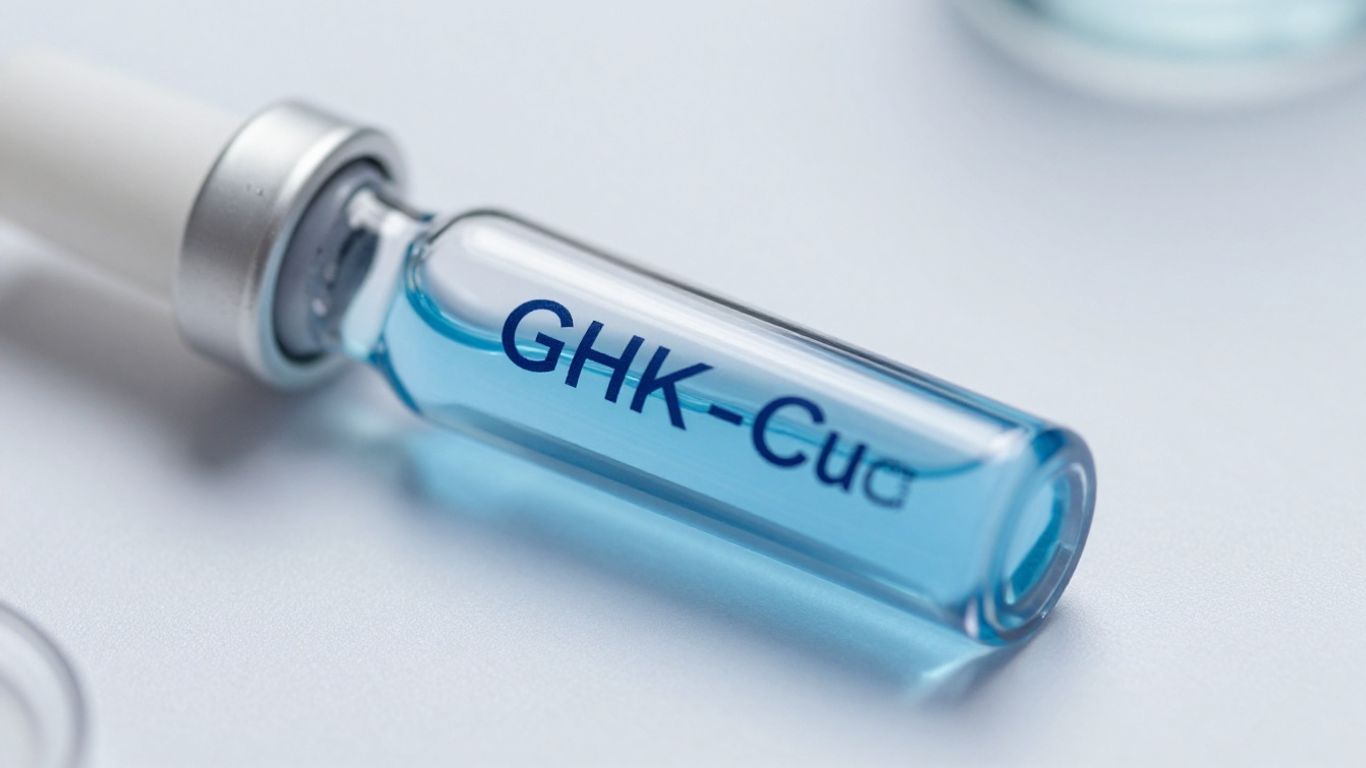
Right then, let's talk about the nitty-gritty of GHK-Cu here in the UK, specifically concerning its regulatory status and how it's used in research. It's a bit of a complex area, so we'll try to break it down.
MHRA Status and Cosmetic Regulations for GHK-Cu
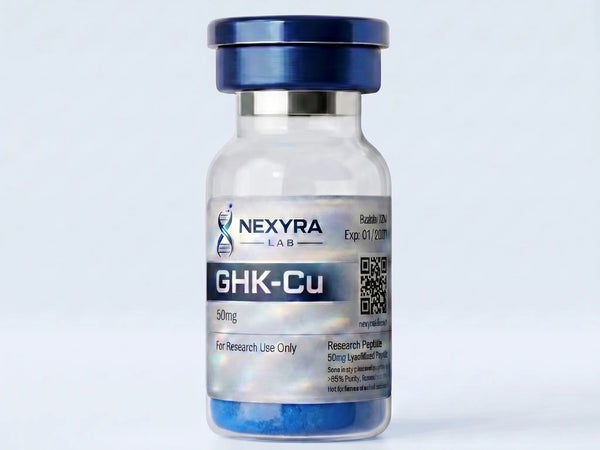
First off, it's important to be clear: GHK-Cu isn't licensed by the MHRA (Medicines and Healthcare products Regulatory Agency) as a medicine for humans or animals in the UK. Suppliers typically provide it as a 'research-use-only' compound. This means it's intended for laboratory settings, not for direct application on people or pets outside of approved studies. The regulatory landscape is quite strict, especially after investigations were launched in April 2026 into clinics making therapeutic claims about unregulated peptide products. Making personal-use claims about GHK-Cu can bring it under the Human Medicines Regulations 2012, regardless of any 'research-use-only' labelling.
Topical products containing GHK-Cu that are sold for cosmetic purposes operate under different rules. These products, usually at lower concentrations, can make cosmetic claims but are regulated separately from medicinal products. It's crucial to distinguish between these cosmetic applications and its use as a research compound.
GHK-Cu as a Research-Use-Only Reference Compound
For those working in fields like dermal biology, collagen biochemistry, or copper chemistry, GHK-Cu is a well-documented reference compound. Researchers often use it in cell-culture studies and small-animal models. When sourcing GHK-Cu for research, quality is key. You'll want to see:
- Batch-specific Certificates of Analysis (COA): This confirms the identity and purity of the specific batch you receive.
- Third-party HPLC Purity Data: High-Performance Liquid Chromatography results from an independent lab.
- Mass Spectrometry Identity Confirmation: Verifies the molecular structure.
- Clear Research-Use-Only Labelling: No ambiguity about its intended use.
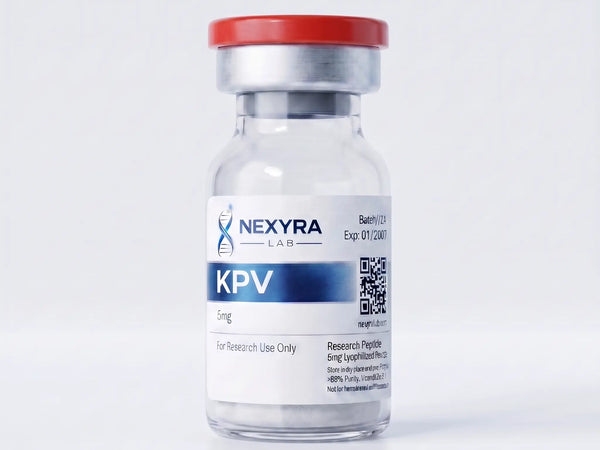
Reputable suppliers will provide this documentation. They won't make claims about human or veterinary use, sticking strictly to its role as a laboratory reference material. If you're looking into its effects on tissue repair, you might find studies on related compounds like KPV [79ce] interesting, as they also explore anti-inflammatory and tissue-healing mechanisms.
Distinguishing Cosmetic Claims from Therapeutic Applications
This is where things can get a bit murky for the public. The published research on GHK-Cu is extensive, covering cell culture and animal models, but large-scale, blinded, placebo-controlled human trials for systemic use are less common. Many human studies involve multi-ingredient topical products, making it hard to pinpoint GHK-Cu's specific contribution.
It's vital to understand that while GHK-Cu shows promise in laboratory settings for various biological processes, these findings don't automatically translate to therapeutic benefits in humans without rigorous clinical trials. Regulatory bodies like the MHRA are focused on ensuring that any product making health claims has undergone proper authorisation.
When you see GHK-Cu in a cosmetic product, the claims will be limited to things like improving skin appearance or hydration. These are distinct from therapeutic claims, which would imply treating a medical condition. For instance, recombinant human growth hormone (rhGH) [2211] is a different type of compound entirely, with its own set of research and regulatory pathways, highlighting the need for clear distinctions in how these substances are classified and used.
Exploring the Multifaceted Benefits of GHK-Cu
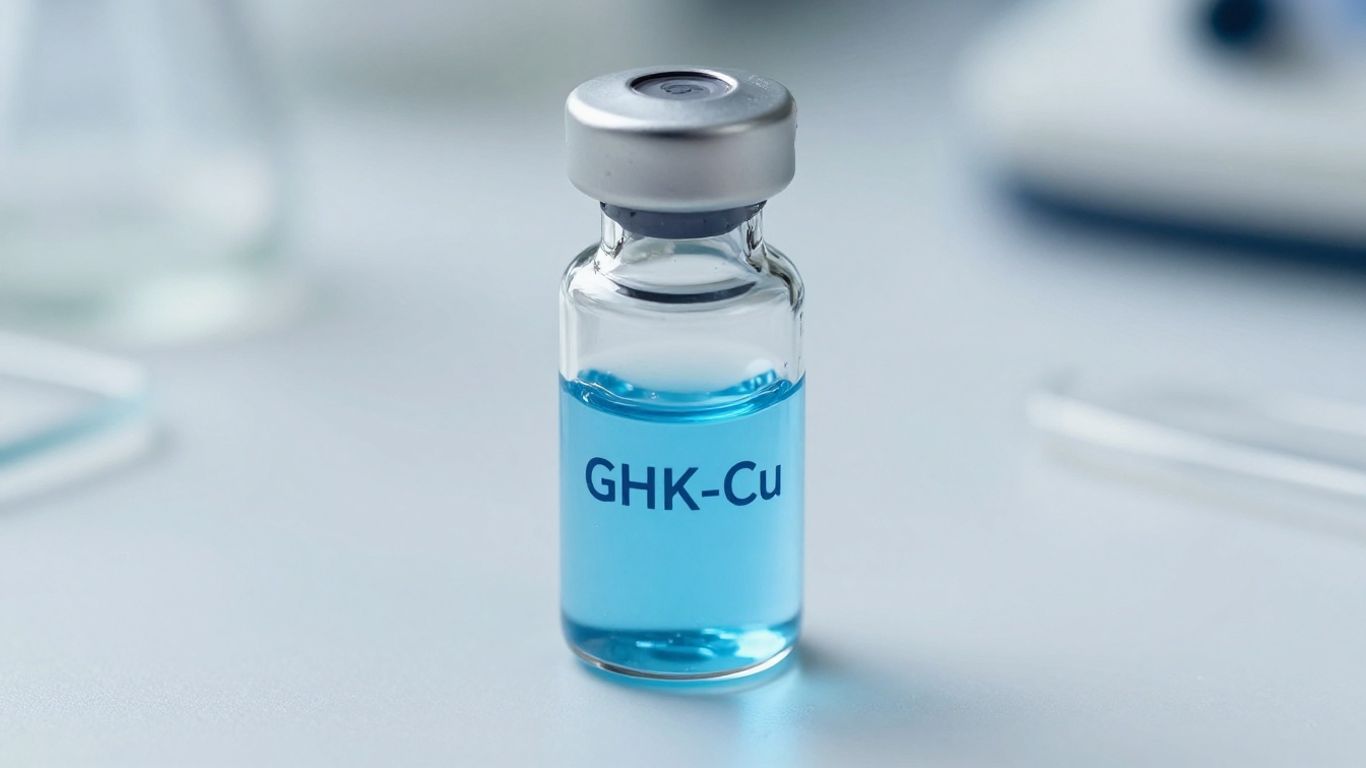
Beyond just looking good, GHK-Cu does quite a bit more for your skin and body. It's not just about smoothing out wrinkles, though it's pretty good at that. This peptide complex seems to have a wider impact, touching on how our cells behave and how our tissues repair themselves. It's like a little helper that encourages things to work more efficiently.
Cell Protective Actions of GHK-Cu
One of the interesting things GHK-Cu does is help protect our cells. Think of it as giving your cells a bit of a shield. It can help reset gene expression patterns that might be linked to ageing, nudging them back towards a healthier state. This means cells can function more like they did when they were younger. It also seems to boost the production of certain proteins that are important for keeping skin firm and elastic. This protective action is a big part of why it's looked at for both skincare and general well-being.
GHK-Cu's Anti-inflammatory and Antioxidant Properties
We all know inflammation and oxidative stress aren't great for us, and GHK-Cu appears to have a hand in managing both. It's thought to have anti-inflammatory effects, which can calm down skin irritation and redness. At the same time, its antioxidant properties help fight off those pesky free radicals that can damage cells over time. This dual action is really beneficial for skin health, helping it stay resilient and look its best. It's this combination that makes it a popular ingredient in many advanced skincare products.
DNA Repair and Cellular Cleansing Pathways
This is where things get really interesting. GHK-Cu might even play a role in helping our cells repair their DNA and clear out damaged components. Our bodies have natural ways of doing this, but as we age, these processes can slow down. Research suggests that GHK-Cu could support these vital cellular clean-up and repair mechanisms. This means cells can maintain their integrity and function more effectively, contributing to overall tissue vitality and a more youthful appearance. It's a complex area, but the potential for GHK-Cu to support these internal housekeeping duties is quite remarkable.
The peptide complex's ability to influence gene expression and support cellular repair pathways positions it as more than just a cosmetic ingredient. It hints at a broader role in maintaining tissue health and resilience over time, potentially impacting how our bodies age at a cellular level.
Wrapping Up Our GHK-Cu Chat
So, after looking into all this GHK-Cu stuff, it seems like this copper peptide has some pretty interesting potential, especially for skin. The research suggests it might help with things like making skin thicker and more hydrated, and even smoothing out wrinkles by encouraging more collagen. It's also popped up in studies looking at how wounds heal. While it's definitely a hot topic in skincare right now, it's worth remembering that most of the really detailed human studies are on topical applications, and the UK's regulatory bodies are keeping a close eye on how these things are marketed, especially if therapeutic claims are made. For now, it looks like GHK-Cu is a molecule with a lot of promise, particularly in the cosmetic world, but always best to stay informed about the latest research and guidelines.
Frequently Asked Questions
What exactly is GHK-Cu and why is it talked about so much?
GHK-Cu is a special combination of a tiny protein, called a peptide, and copper. Think of it like a helpful messenger for your skin cells. It's been studied a lot because it seems to encourage your skin to make more collagen and elastin, which are like the springs and scaffolding that keep your skin looking firm and smooth. It's also thought to help skin repair itself and can be found in some skincare products.
Does GHK-Cu really help with wrinkles and making skin look younger?
Studies suggest that GHK-Cu can indeed help make skin look younger. It appears to boost the production of collagen, which is what gives skin its plumpness and reduces the look of lines and wrinkles. Some research shows it can make skin thicker and more elastic, which are signs of healthier, younger-looking skin.
Can GHK-Cu help heal cuts or injuries on the skin?
Yes, there's evidence that GHK-Cu can help with healing. It seems to signal the skin to repair itself, much like it does for making collagen. It's been looked at in studies for helping wounds heal faster and for restoring damaged skin tissue, making it a potential aid in the healing process.
How does GHK-Cu actually do its job in the skin?
GHK-Cu works by talking to your skin cells. It can switch on certain genes that tell the cells to produce more collagen and elastin. It also helps manage other substances in the skin that break down collagen, keeping the balance right for healthier skin structure. It's like giving your skin instructions to build and maintain itself better.
Is GHK-Cu allowed to be sold as a medicine in the UK?
In the UK, GHK-Cu isn't approved as a medicine. If it's sold for research, it's clearly labelled as 'research-use-only'. Products you can buy in shops that contain GHK-Cu are treated as cosmetics, meaning they can only make claims about how they make your skin look, not about treating health conditions.
Are there any downsides or things to be careful about with GHK-Cu?
While GHK-Cu has many benefits, it's always wise to be cautious. Some research suggests that in very high amounts, it could potentially lead to collagen breakdown, similar to what happens in older skin. It's a good idea to do a patch test before using new products and to understand that cosmetic products are for appearance, not for treating medical issues.