













Eli Lilly's Retatrutide Achieves Remarkable Weight Loss in Phase 3 Trials, Matching Bariatric Surgery Outcomes
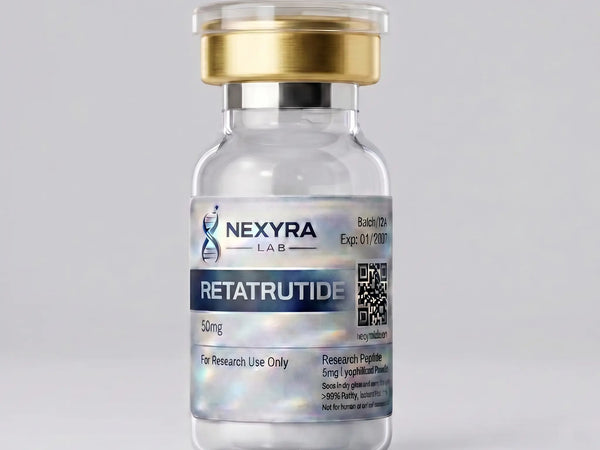
Eli Lilly's investigational drug, retatrutide, has demonstrated unprecedented weight loss in its Phase 3 TRIUMPH-1 clinical trial. The triple agonist, which targets GIP, GLP-1, and glucagon receptors, showed significant reductions in body weight, with some participants achieving up to 30.3% weight loss over 104 weeks, a level comparable to bariatric surgery.
Key Takeaways
- Retatrutide achieved average weight loss of up to 28.3% at 80 weeks and 30.3% at 104 weeks in the highest dose group.
- All studied doses (4mg, 9mg, and 12mg) met primary and secondary endpoints, showing clinically meaningful weight reduction and improvements in cardiometabolic risk factors.
- Common adverse effects were gastrointestinal, including nausea, diarrhoea, constipation, and vomiting, with discontinuation rates increasing with higher doses.
- Previous studies have shown retatrutide's efficacy in patients with obesity and knee osteoarthritis, and in those with type 2 diabetes.
Dramatic Weight Loss Achieved
The TRIUMPH-1 trial involved 2,339 participants with obesity or overweight and at least one weight-related comorbidity, excluding diabetes. Participants were randomised to receive retatrutide at doses of 4mg, 9mg, or 12mg, or a placebo, administered once weekly.
At 80 weeks, the average weight loss observed was 17.6% for the 4mg dose, 23.7% for the 9mg dose, and 25.0% for the 12mg dose, compared to 3.9% for the placebo group. Notably, 45.3% of participants on the 12mg dose achieved a weight reduction of 30% or greater by week 80.
Long-Term Efficacy and Safety Profile
For a subset of 532 participants with a baseline BMI of at least 35 kg/m², the trial extended to 104 weeks. In this group, those on the 12mg dose achieved an average total weight loss of 30.3% from baseline. This sustained weight loss is a significant achievement, mirroring the results typically seen with bariatric surgery.
The safety profile of retatrutide was consistent with other incretin-based therapies, with the most common adverse events being gastrointestinal. Nausea, diarrhoea, constipation, and vomiting were reported, with rates increasing at higher doses. Discontinuation rates due to adverse events were 4.1% for the 4mg dose, 6.9% for the 9mg dose, and 11.3% for the 12mg dose, compared to 4.9% for placebo.
Broader Clinical Context
These findings build upon earlier results from other retatrutide studies. The TRIUMPH-4 trial showed an average weight loss of 28.7% in participants with obesity and knee osteoarthritis taking 12mg of retatrutide at 68 weeks. Additionally, the TRANSCEND-T2D-1 trial indicated an average weight loss of 16.8% in participants with type 2 diabetes on the 12mg dose at 40 weeks.
Eli Lilly plans to present detailed data from the TRIUMPH-1 trial at the 86th annual American Diabetes Association Scientific Sessions. Further Phase 3 results from trials involving patients with type 2 diabetes and established cardiovascular disease are also anticipated.
Sources
- Phase III retatrutide study demonstrates 30% weight loss, The Pharmaceutical Journal.
- Retatrutide trial shows 30% weight loss in 45% of patients, Chemist+Druggist.
- Retatrutide Achieves Up to 30.3% Average Weight Loss in Phase 3 TRIUMPH-1 Trial, AJMC.