












Best Peptides for Cognitive Research 2026: Semax Selank & Nootropic Studies
Here are the main points to remember about using Semax, Selank, and other peptides in cognitive research, especially if you're looking into cognitive research peptides UK.
Key Takeaways
- Semax is generally better for improving focus and memory, acting on brain-derived neurotrophic factor (BDNF).
- Selank is often preferred for reducing anxiety and stress, which can indirectly help with cognitive issues.
- Both peptides are typically administered as nasal sprays to reach the brain more directly.
- These peptides are not approved by the FDA in the US, and their long-term effects aren't fully known.
- Responsible use involves consulting with a qualified medical professional and sourcing from reputable compounding pharmacies, not unregulated online sellers.
Semax

Right then, let's talk about Semax. This one's a bit of a star in the nootropic peptide world, and for good reason. It's a synthetic peptide, meaning it's made in a lab, and it's actually a fragment of a larger hormone called ACTH. The clever bit is that it keeps the parts of ACTH that affect the brain but ditches the bits that mess with your hormones. Handy, eh?
So, how does it actually work? Well, the main thing Semax seems to do is boost something called BDNF. Think of BDNF as fertiliser for your brain cells – it helps them grow, connect, and generally stay healthy. This is pretty important because BDNF is key for learning and memory. When BDNF levels are low, it's linked to all sorts of problems, like feeling down or even losing cognitive function as you get older. Studies, particularly in rats, have shown that even a single dose of Semax can significantly increase BDNF levels in the brain, especially in an area called the hippocampus, which is vital for memory. Some human trials, looking at stroke patients, also found that Semax increased BDNF in their blood, and those with higher levels seemed to recover better.
It's not just BDNF, though. Semax also seems to have a hand in other brain chemicals, like dopamine and serotonin. This might explain why people report feeling more focused and motivated when using it, rather than just relaxed or sleepy like some other substances. It's been looked at quite a bit in the context of stroke recovery and protecting the brain from damage, which suggests it has a decent safety profile when used properly. There's even some early research looking at its effects in models of Alzheimer's disease, showing it might help with cognitive function and reduce some of the harmful processes involved.
The research into Semax is quite interesting because a lot of it comes from studies on people who have had strokes or other brain injuries. This isn't your typical 'brain-boosting' research, but it tells us that the compound has been tested in quite serious situations. The fact that it seems to help with recovery and brain protection in those cases gives us a clue about its potential, even if we're looking at it for everyday cognitive tasks. It's not a magic bullet, of course, but the underlying science is pretty solid.
Here's a quick rundown of what we know about its effects:
- Boosts BDNF: This is the big one, helping with brain cell growth and connections.
- Influences Neurotransmitters: Affects dopamine and serotonin, potentially improving mood and focus.
- Neuroprotective Properties: Shows promise in protecting brain cells from damage, seen in stroke and Alzheimer's research.
- Cognitive Support: Reported to aid memory and attention, especially under demanding conditions.
It's worth noting that while Semax has been used clinically in places like Russia, it's not approved by the FDA here. So, if you're thinking about using it for research, it's always best to chat with a healthcare professional first. They can help you understand the current research landscape and make sure you're approaching it safely and responsibly.
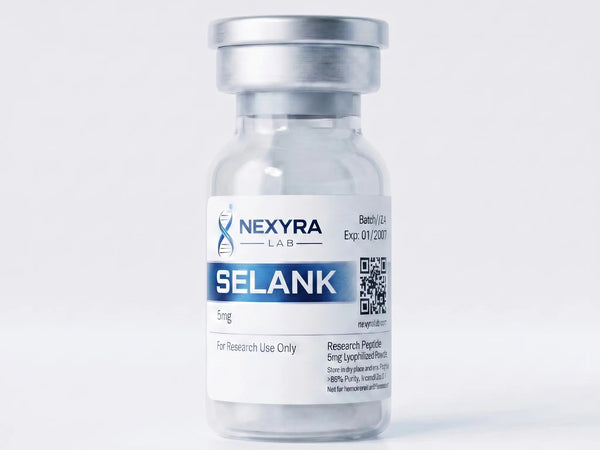
Selank
Selank, a synthetic peptide developed in Russia, is often discussed alongside Semax, but it carves out its own niche, particularly when it comes to managing anxiety and stress without the usual side effects. It's a heptapeptide, meaning it's made up of seven amino acids, and its design was aimed at creating an anxiolytic (anxiety-reducing) compound that wouldn't lead to the drowsiness or dependence associated with traditional medications like benzodiazepines.
Its primary mechanism involves modulating the GABAergic system, the brain's main inhibitory network, but in a way that's different from benzodiazepines. Instead of directly binding to GABA-A receptors, Selank seems to influence them allosterically. This subtle difference is thought to be why it can reduce anxiety and promote a sense of calm without making you feel sleepy or foggy. It's like fine-tuning the system rather than slamming the brakes on.
Beyond its calming effects, Selank also shows promise in other areas:
- Stress Resilience: It inhibits enzymes that break down enkephalins, which are the body's natural mood regulators. By extending the life of these molecules, Selank might help preserve the brain's natural ability to cope with stress.
- Mood Stabilisation: Users often report a more stable and improved mood, contributing to a general sense of well-being.
- Cognitive Clarity: Despite its anxiolytic properties, Selank is noted for promoting mental clarity rather than fogginess, which is a significant advantage over many other calming agents.
- Immunomodulatory Activity: Due to its structural similarity to the natural peptide tuftsin, Selank can influence immune responses, making it interesting for research into the gut-brain axis and neuroinflammation.
Researchers often look at Selank for studies focusing on anxiety disorders, stress-related cognitive impairment, and even certain aspects of immune function. Its unique profile makes it a compelling subject for exploring new avenues in neurological research.
While Semax is often highlighted for its focus-enhancing and neuroprotective qualities, Selank's strength lies in its ability to induce a state of calm and mental resilience. It's a tool that helps researchers investigate how to manage anxiety and stress responses without compromising cognitive function or introducing unwanted side effects. This distinction is key when selecting the right peptide for specific experimental goals.
It's worth noting that while human studies on Selank are more developed for anxiety than for purely cognitive enhancement, its effects on mood and stress management can indirectly support cognitive performance by clearing away mental clutter. For those interested in the nuances of these peptides, a detailed comparison can be found in resources that explore Semax vs. Selank for cognitive research.
Bdnf Upregulation
One of the main reasons peptides like Semax and Selank are getting attention in cognitive research is their ability to boost Brain-Derived Neurotrophic Factor, or BDNF. Think of BDNF as a sort of fertiliser for your brain cells. It's a protein that plays a pretty big role in keeping neurons healthy and encouraging new connections to form. This is super important for things like learning and memory.
Studies have shown that Semax, for instance, can really ramp up BDNF levels. In one study on rats, a single dose of Semax led to a noticeable increase in BDNF protein and its mRNA in the hippocampus, a brain area key for memory. The animals in that study also performed better on tasks that required them to learn and avoid unpleasant things. It seems like this BDNF boost is a core part of how Semax helps with cognitive functions.
BDNF is vital for synaptic plasticity, the very process that underpins our ability to learn and consolidate memories. When BDNF levels dip, it's often linked to cognitive decline and even depression.
It's not just animal studies, either. Some human trials involving stroke patients who received Semax showed higher levels of BDNF in their blood, and these patients also saw better improvements in their physical recovery. This suggests that increasing BDNF isn't just an abstract concept; it can translate into real functional benefits. While Selank also has a hand in upregulating BDNF, Semax is often considered to have a more pronounced effect in this area, making it a significant focus for nootropic research.
Here's a quick look at what BDNF does:
- Neuroprotection: It helps shield brain cells from damage and degeneration.
- Synaptic Plasticity: It's key for forming and strengthening connections between neurons, which is how we learn and remember.
- Neuronal Growth: It supports the survival and growth of new neurons.
- Cognitive Function: Generally supports overall brain health, impacting memory, learning, and mood.
So, when we talk about peptides that might help with cognitive function, the ability to influence BDNF is a major talking point. It's a well-established pathway for supporting brain health and potentially reversing some aspects of cognitive decline, which is why BDNF's role in Alzheimer's is also a hot topic.
Vegf Upregulation
Beyond the well-known BDNF connection, both Semax and Selank have shown an interesting ability to boost Vascular Endothelial Growth Factor (VEGF). This protein is a pretty big deal when it comes to the health of our blood vessels, especially in the brain. Think of it as a signalling molecule that tells the body to build new blood vessels, a process called angiogenesis. In the context of the brain, this means better blood flow and supply of oxygen and nutrients to brain cells.
This increased blood supply is particularly important for neuroprotection. When brain tissue is damaged, perhaps due to a stroke or injury, promoting new blood vessel growth can help repair the area and keep neurons alive. Semax, in particular, has been noted for its potential in this area, with research suggesting it can help protect against damage from things like ischaemia. It's a mechanism that complements the BDNF pathway, offering a more robust approach to supporting brain health.
- Promotes the growth of new blood vessels in the brain.
- Improves blood flow and nutrient delivery to neurons.
- Offers neuroprotection, especially in cases of reduced blood supply.
The dual action of boosting both BDNF and VEGF makes Semax a compound of significant interest for research into conditions involving compromised cerebral circulation.
While the exact extent of VEGF upregulation might differ between Semax and Selank, the shared capacity to influence this factor highlights a common pathway through which these peptides might exert their beneficial effects on the brain. Understanding these mechanisms is key for anyone looking into cognitive enhancement research.
The ability of these peptides to influence factors like VEGF suggests a complex interplay of biological processes that contribute to their observed effects. It's not just about one single action, but a coordinated response that supports overall brain function and resilience.
Ngf Upregulation
Nerve Growth Factor, or NGF, is another one of those important proteins that helps nerve cells grow and stay healthy. Think of it like a fertiliser for your brain cells. When we talk about NGF upregulation, we're essentially looking at ways to encourage the brain to produce more of this vital substance. This process is thought to be really important for keeping our cognitive functions ticking over nicely, especially as we get older or if our brains have been through some stress.
Research into peptides that can influence NGF levels is ongoing, but the idea is that by boosting NGF, we might be able to support the brain's natural repair mechanisms. This could have implications for memory and learning, as NGF plays a role in how neurons communicate with each other. It's a complex area, but the potential benefits for cognitive health are certainly intriguing.
- Supports the survival of existing neurons.
- Promotes the growth of new neurons and connections.
- Plays a role in maintaining the health of nerve cells.
Some studies suggest that certain peptides, like Semax, might contribute to NGF upregulation, alongside other growth factors. This dual action could offer a more rounded approach to brain support. It's not just about one single pathway; it's about how different systems in the brain can work together. Understanding these interactions is key to developing effective strategies for cognitive enhancement and neuroprotection.
The intricate dance of neurotrophic factors, including NGF, is fundamental to maintaining a resilient and adaptable brain. Their influence extends beyond mere cell survival, impacting synaptic plasticity and the very architecture of our neural networks. Research in this domain continues to uncover the nuanced ways these molecules can be modulated for therapeutic benefit.
While direct human studies on specific peptides solely for NGF upregulation are still developing, the preclinical evidence points towards a promising avenue for future research. The focus is on finding safe and effective ways to tap into the brain's own capacity for growth and repair. This is where the exploration of peptides for cognitive research really gets interesting, looking at how we can gently nudge these natural processes along. It's a fascinating field, and we're only just scratching the surface of what might be possible for brain health.
Nt-3 Upregulation
Neurotrophin-3, or NT-3, is another growth factor that plays a part in how our nervous system develops and functions. While Semax and Selank are more widely discussed for their effects on BDNF and VEGF, research suggests they might also influence NT-3 levels. This is important because NT-3 is involved in the survival and growth of neurons, particularly in the peripheral nervous system, but also has roles within the central nervous system.
The precise mechanisms by which Semax and Selank might upregulate NT-3 are still being explored, but it's thought to be part of a broader neurotrophic support system they activate.
Here's a bit more on NT-3's role:
- Neuron Survival: It helps keep certain types of neurons alive, which is obviously pretty key for brain health.
- Neuronal Differentiation: It can guide developing neurons to become specific types of nerve cells.
- Synaptic Function: There's evidence suggesting it can influence how well neurons communicate with each other.
While direct studies focusing solely on NT-3 upregulation by these specific peptides are less common than those for BDNF, the interconnectedness of these growth factors means that boosting one can sometimes have ripple effects on others. For researchers looking into comprehensive neuroprotection and cognitive support, understanding these potential secondary effects is quite interesting. If you're looking into sourcing these compounds, reputable [UK nootropic peptide suppliers] often provide detailed information on their product profiles and research applications.
The interplay between different neurotrophic factors like BDNF, NGF, NT-3, and VEGF creates a complex support network for neurons. Targeting one factor might indirectly influence others, contributing to a more robust neuroprotective and neuroplastic effect than might be apparent from studying each factor in isolation. This holistic approach is becoming more significant in cognitive research.
Gabaergic Modulation

Selank is quite interesting when we talk about how it affects the brain's main inhibitory system, the GABAergic network. Unlike some other compounds that might directly bind to GABA-A receptors, which can lead to issues like sedation or dependence, Selank seems to work differently. It's thought to modulate this system allosterically. This means it fine-tunes the system's activity rather than directly activating it, which could explain why it doesn't typically cause the same side effects as, say, benzodiazepines.
Researchers have looked into gene expression changes after Selank administration, and some studies suggest it influences genes involved in GABAergic neurotransmission. This subtle approach to modulating inhibition is a key area of interest for those studying anxiety and stress.
- Allosteric Modulation: Selank appears to adjust GABA receptor function without direct binding.
- Reduced Side Effects: This mechanism may contribute to a lack of sedation and tolerance.
- Neurotransmitter Balance: It influences the brain's natural calming pathways.
The way Selank interacts with the GABAergic system is a significant point of discussion. It offers a potential avenue for research into anxiolysis that sidesteps the common drawbacks associated with more direct receptor agonists. This distinction is vital for understanding its unique profile in cognitive and mood research.
Furthermore, Selank also inhibits enzymes that break down endogenous enkephalins. These are the body's natural 'feel-good' molecules, involved in stress response. By extending their lifespan, Selank might help preserve the brain's natural capacity to manage stress and anxiety. This dual action, affecting both GABA and enkephalins, makes Selank a compound worth watching in neuroscience research.
Serotonin Metabolism Enhancement
When we talk about nootropic peptides for brain function, it's easy to get caught up in the more dramatic effects like memory boosts or focus surges. But sometimes, the real magic happens behind the scenes, influencing the delicate balance of our brain's chemistry. Serotonin, often called the 'happy chemical', plays a massive role in mood, sleep, and even appetite. How these nootropic peptides for brain function interact with serotonin metabolism is pretty interesting.
Some research peptides for mental clarity, like Semax, have shown in studies that they can actually increase serotonin levels in the brain. This isn't just about feeling good, though; a more stable serotonin system can lead to better emotional regulation, which in turn supports clearer thinking and reduces the kind of mental fog that gets in the way of productivity. It’s a bit like tuning an instrument – when the basic notes are right, everything else sounds better.
The way these peptides influence serotonin isn't always a direct 'more is better' situation. It's more about modulation, helping the system work as it should, rather than just flooding the brain with a single neurotransmitter. This nuanced approach is key to achieving sustained cognitive benefits without unwanted side effects.
While Semax is noted for its impact on serotonin, other compounds might work differently. For instance, Selank is known for its anxiolytic properties, which are often linked to its effects on the GABA system, but it also influences serotonin pathways. This dual action can be particularly useful for those looking for cognitive enhancing peptides UK that tackle both mood and focus. The goal is often a balanced neurochemical environment that supports optimal brain performance.
Here's a simplified look at how some peptides might interact:
- Semax: Studies suggest it can increase central serotonin levels, potentially aiding mood stability and cognitive function.
- Selank: While primarily known for GABA modulation, it also influences serotonin pathways, contributing to its anxiolytic and mood-stabilising effects.
- Other Peptides: Research is ongoing into how various peptides might affect serotonin synthesis, breakdown, or receptor sensitivity, aiming for improved mental clarity.
Understanding these mechanisms helps explain why certain research peptides for mental clarity are gaining traction. They're not just quick fixes; they're tools that interact with our brain's complex systems in sophisticated ways, potentially leading to the best peptides for memory improvement and overall cognitive well-being.
Dopamine Metabolism Modulation
When we talk about cognitive function, dopamine often pops up. It's that neurotransmitter linked to motivation, focus, and that general feeling of mental drive. If your dopamine levels are a bit out of whack, you might find yourself struggling with concentration, feeling unmotivated, or just generally foggy. It's not just about having enough dopamine, though; how your brain processes and uses it – its metabolism – is equally important.
Some research suggests that certain peptides can influence this delicate balance. They don't necessarily just flood your system, but rather seem to help regulate the pathways involved in dopamine's life cycle. This could mean affecting how it's produced, how it's broken down, or how it interacts with its receptors. The goal here isn't a massive surge, but a smoother, more consistent availability where and when it's needed.
Here's a simplified look at how this might play out:
- Production Regulation: Peptides could potentially influence the enzymes responsible for creating dopamine.
- Reuptake Inhibition: Some compounds might affect how quickly dopamine is reabsorbed back into the neuron, leaving more available in the synapse for a bit longer.
- Metabolism Adjustment: They might also interact with the enzymes that break down dopamine, like MAO (monoamine oxidase) or COMT (catechol-O-methyltransferase), though this is a complex area.
The idea is to achieve a more stable dopaminergic tone, which is thought to be beneficial for sustained attention and goal-directed behaviour.
Understanding the nuances of neurotransmitter metabolism is key. It's not always about a simple 'up' or 'down' regulation. The brain is incredibly intricate, and subtle modulations can have significant effects on how we think and feel. For those interested in exploring this further, looking into neurotransmitter pathways can offer more insight.
This kind of modulation is considered important for anyone looking to improve their focus and mental energy without the jitters often associated with more direct stimulants. It's about supporting the brain's natural systems for a more balanced cognitive experience.
Tuftsin-Like Immunomodulatory Activity
Selank, being a synthetic analogue of tuftsin, naturally exhibits some interesting immunomodulatory properties. Tuftsin itself is a peptide fragment found in our immune system's IgG antibodies, and it plays a role in signalling immune cells, particularly neutrophils and macrophages, to get to work. Think of it as a little nudge for your immune defences.
When researchers look at Selank, they're often interested in how this tuftsin-like activity might influence immune responses. It's not just about the brain; there's a clear connection between the nervous and immune systems, and Selank seems to tap into that. Studies have suggested it can affect things like cytokine production, which are basically messengers for the immune system. For instance, it might influence levels of IL-6, a cytokine involved in inflammation and immune responses.
Here's a bit of a breakdown of what researchers are exploring:
- Phagocytic Activity: Investigating whether Selank can boost the ability of immune cells to engulf and clear foreign particles or damaged cells.
- Cell Motility: Looking into how it might affect the movement of immune cells, helping them get to where they're needed more efficiently.
- Cytokine Regulation: Examining its impact on the balance of immune signalling molecules, potentially helping to fine-tune inflammatory responses.
This dual action, affecting both mood and immune function, makes Selank a unique subject for research into the neuro-immune interface. It's a complex area, and understanding how peptides like Selank interact with these systems could open up new avenues for study. The potential for Selank to modulate immune responses, derived from its tuftsin component, is a significant aspect of its research profile, especially when considering its broader effects on stress and well-being.
Conclusion
Semax and Selank stand out as the most researched nootropic peptides available today. Semax is known for boosting cognition and BDNF, while Selank helps with anxiety and stress. When used under professional guidance, they offer a different approach compared to typical stimulants or anxiety medications. The path to legal access is becoming clearer, with a future shift in regulations expected. While research is ongoing, the evidence for these peptides is substantial. The best next step isn't ordering from unknown sources, but rather discussing your options with a clinician experienced in neuroactive peptide therapy. They can help you understand your body's baseline and navigate the current compounding pharmacy landscape responsibly.
Frequently Asked Questions
What's the main difference between Semax and Selank for brain work?
Think of Semax as a tool for sharpening your focus and memory, like giving your brain a boost for complex tasks. Selank, on the other hand, is more about calming things down, helping with worry and stress that can get in the way of thinking clearly.
Can these peptides help with that foggy feeling in my head?
Many people report that peptides like Semax and Selank can help clear up brain fog. They work by supporting brain chemicals and reducing stress or anxiety, which often contribute to that feeling of being mentally stuck.
How do people usually take these peptides?
The most common way to use them, especially for research and in some clinical settings, is as a nasal spray. This method helps the peptides get into the brain more directly, bypassing some of the body's usual filters.
Are Semax and Selank approved for use in the UK?
As of now, neither Semax nor Selank have full approval from major regulatory bodies like the FDA for general medical use. Research and supervised use are happening, but they aren't standard medicines you'd get from your GP for cognitive enhancement.
What are some possible side effects?
While generally thought to be safe in studies, some people might experience minor issues. These could include a temporary headache, slight irritation where the spray is used, or even a brief feeling of anxiety. The full picture of long-term effects is still being studied.
Where should I get these peptides if I'm doing research?
It's really important to get peptides from reliable sources. For research purposes, especially in the UK, look for suppliers that provide clear documentation and verification of their products. Avoid random websites that might sell unverified chemicals.