

1 / 1
1 / 1








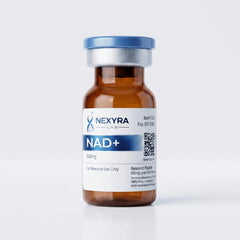
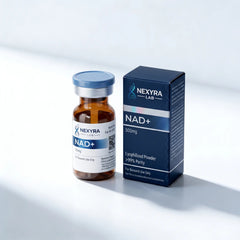


Description
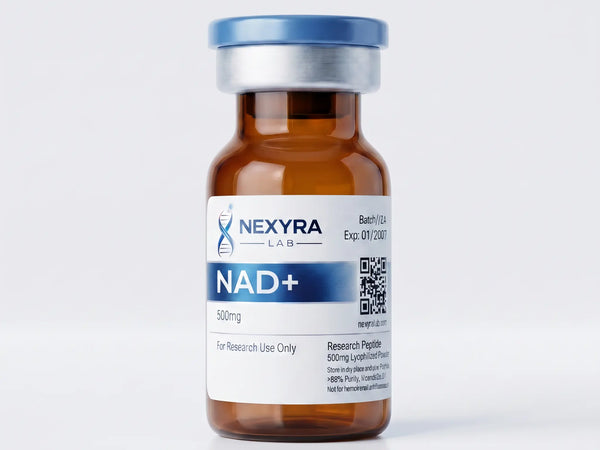
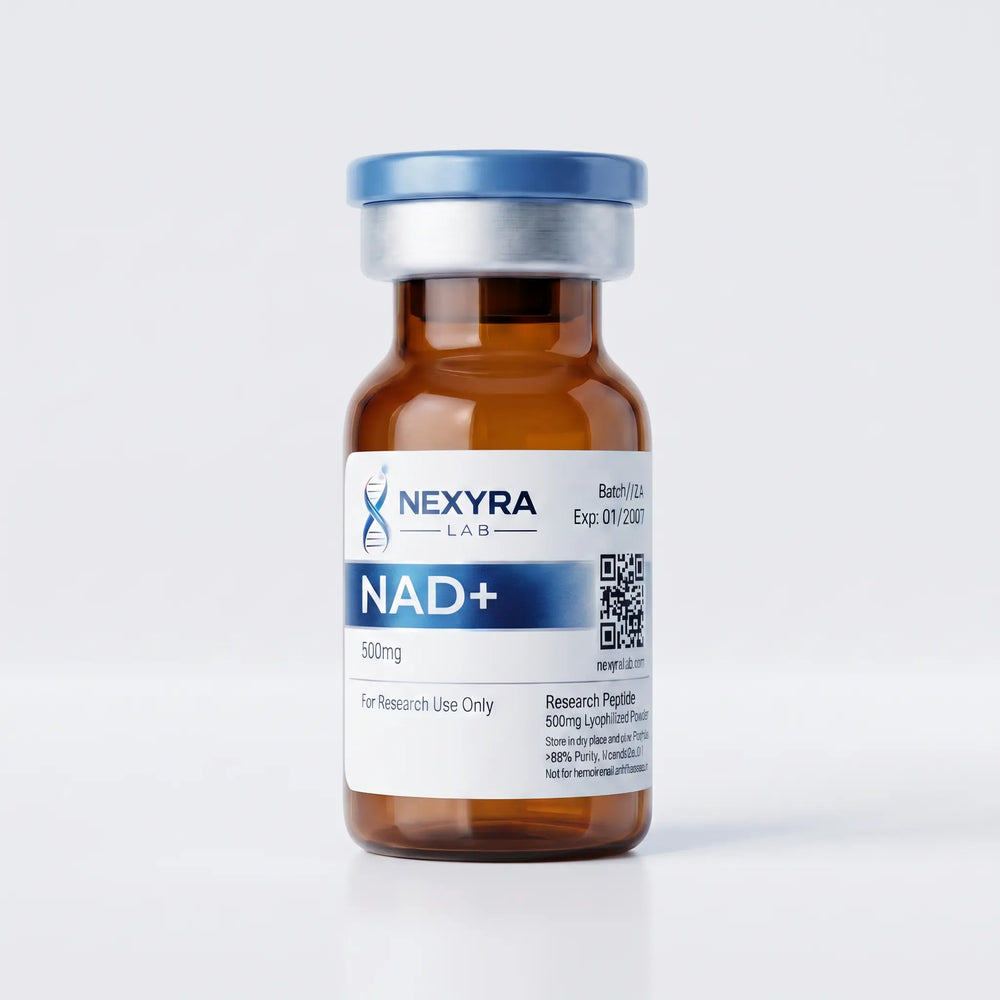
xNAD+ | Nicotinamide Adenine Dinucleotide (Oxidised Form) | Research Grade Coenzyme
Also Known As: NAD+, NAD, β-Nicotinamide Adenine Dinucleotide Classification: Dinucleotide coenzyme — essential redox carrier and enzyme cofactor Molecular Formula: C₂₁H₂₇N₇O₁₄P₂ Molecular Weight: 663.43 g/mol Purity: >99% (HPLC verified) Form: Lyophilised powder Available Sizes: 500mg | 1000mg Storage: –20°C, away from light and moisture; desiccated CAS Number: 53-84-9
What Is NAD+?
Nicotinamide adenine dinucleotide (NAD+) is a dinucleotide coenzyme found in every living cell, composed of two nucleotides joined through their phosphate groups — one containing adenine and one containing nicotinamide. It exists in two interconvertible forms: the oxidised form (NAD+) and the reduced form (NADH), and it is the continuous cycling between these two redox states that underlies its fundamental role in cellular energy metabolism.
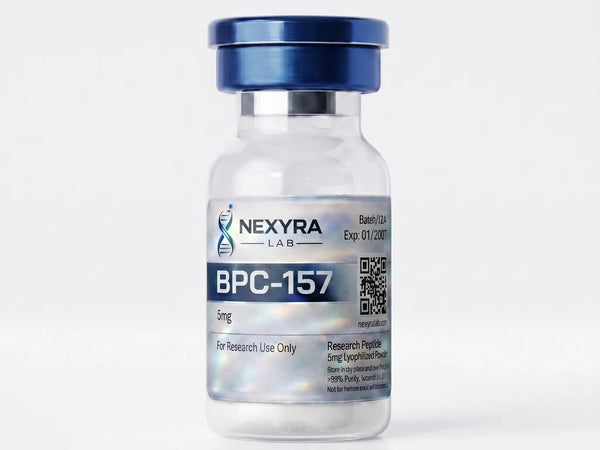
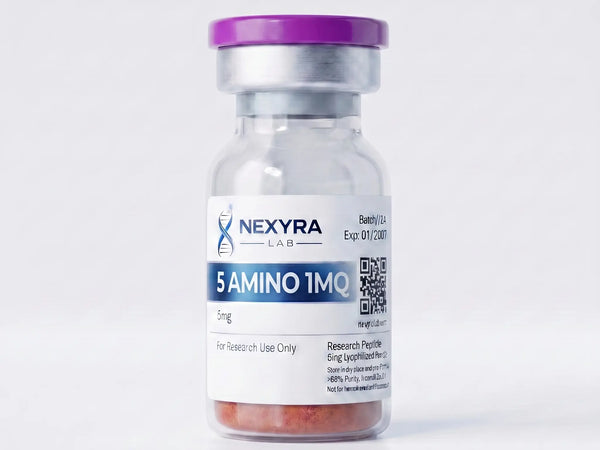
NAD+ is not, strictly speaking, a peptide — it is a small-molecule coenzyme. However, it is one of the most actively researched compounds in the longevity, metabolic biology, and cellular energy science space, and is increasingly catalogued and studied alongside research peptides such as MOTS-c and 5-Amino-1MQ given its convergent research applications in NAD+ pathway biology, mitochondrial function, sirtuin activation, and metabolic ageing. Its mechanistic relationship with 5-Amino-1MQ — which works by inhibiting NNMT to preserve nicotinamide for NAD+ biosynthesis via the salvage pathway — makes them particularly complementary research tools.
NAD+ occupies a position of singular importance in cellular biochemistry: it is a required coenzyme or substrate in over 500 enzymatic reactions, and all major pathways for ATP production — glycolysis, the tricarboxylic acid (TCA) cycle, oxidative phosphorylation, and beta-oxidation — require NAD+ and its reduced counterpart NADH. The NAD+/NADH ratio is a primary control point linking hundreds of metabolic reactions throughout the cell, and its dysregulation is implicated in a wide range of pathological states from metabolic syndrome and neurodegeneration to cardiovascular disease and accelerated cellular ageing.
Among the most significant discoveries of the past two decades in NAD+ biology is the consistent finding — confirmed across multiple species and tissue types — that cellular NAD+ levels decline progressively with age. This decline is driven by multiple converging mechanisms: increased activity of NAD+-consuming enzymes including PARP (poly ADP-ribose polymerase), CD38 (a major NAD+ glycohydrolase), and SARM1; decreased expression of NAMPT (nicotinamide phosphoribosyltransferase), the rate-limiting enzyme of the NAD+ salvage pathway; and increased NNMT activity (the target of 5-Amino-1MQ) diverting nicotinamide away from NAD+ biosynthesis. This age-related NAD+ depletion has emerged as one of the central mechanistic hypotheses in ageing biology, driving enormous research interest in NAD+ repletion strategies and the compounds — including NAD+ itself, its precursors NMN and NR, and NNMT inhibitors like 5-Amino-1MQ — that can restore cellular NAD+ levels.
Our NAD+ is supplied as a research-grade lyophilised powder, manufactured under strict quality-controlled conditions and verified to a purity of greater than 99% by HPLC and Mass Spectrometry.
Research Background & Scientific Interest
NAD+ has accumulated one of the broadest and most rapidly expanding bodies of research literature of any compound in contemporary biology — with thousands of peer-reviewed publications spanning cellular metabolism, sirtuin biology, DNA repair, cardiovascular science, neuroscience, immunology, and ageing research. Its central role as both a redox carrier and a signalling molecule substrate makes it mechanistically relevant to virtually every area of biomedical research.
Cellular Energy Metabolism: Redox Carrier & ATP Production The most fundamental role of NAD+ is as a hydride acceptor in catabolic oxidation reactions. During glycolysis, the TCA cycle, and beta-oxidation, NAD+ accepts electrons from metabolic intermediates to form NADH. NADH then donates these electrons to Complex I of the mitochondrial electron transport chain, driving the proton gradient that powers ATP synthase — ultimately generating the majority of cellular ATP. This redox cycling between NAD+ and NADH is so fundamental that it has been described as the central axis of cellular bioenergetics. Researchers studying mitochondrial function, metabolic efficiency, and bioenergetic capacity use NAD+ as both a research substrate and a reference standard in assays examining cellular respiration and oxidative phosphorylation.
Sirtuin Activation & Gene Regulation NAD+ is an essential co-substrate — not merely a cofactor — for the sirtuin family of deacetylase enzymes (SIRT1–SIRT7). Sirtuins consume one molecule of NAD+ per deacetylation reaction, meaning their activity is directly and stoichiometrically gated by cellular NAD+ availability. This makes the NAD+/sirtuin axis one of the most important and actively studied regulatory systems in cellular biology. The seven sirtuin isoforms have distinct subcellular localisations and substrate specificities with broad regulatory reach: SIRT1 (nuclear/cytoplasmic) regulates gene expression, insulin signalling, and stress responses via deacetylation of p53, NF-κB, FOXO, and PGC-1α; SIRT3 (mitochondrial) regulates oxidative phosphorylation, fatty acid oxidation, and antioxidant defences via SOD2 activation; SIRT6 (nuclear) regulates DNA repair, telomere maintenance, and inflammatory gene expression. Because NAD+ availability directly controls the activity of all seven sirtuins simultaneously, NAD+ repletion has been studied as a strategy for broadly restoring sirtuin-mediated regulatory function in aged or metabolically compromised cells — with extensive preclinical data supporting improvements in mitochondrial function, metabolic homeostasis, and cellular stress resilience.
NAD+ Decline with Age & Ageing Biology Research The progressive, tissue-wide decline of NAD+ with age is one of the most replicated findings in modern ageing biology. Published data across rodent and human studies have documented NAD+ reductions of 30–60% in multiple tissues between young adulthood and old age, with corresponding declines in sirtuin activity, mitochondrial function, and metabolic flexibility. Key drivers of this decline include age-associated upregulation of CD38 — the primary NAD+-consuming enzyme in mammalian tissues — and increased PARP activity driven by accumulating DNA damage. Research in mouse models has consistently demonstrated that strategies to restore NAD+ levels — including direct NAD+ or precursor supplementation, CD38 inhibition, and NNMT inhibition (the mechanism of 5-Amino-1MQ) — produce improvements in multiple age-associated phenotypes including muscle function, metabolic parameters, cognitive performance, and inflammatory status. NAD+ is therefore a central experimental tool and reference compound in preclinical ageing biology research, where it is used both as a direct supplement and as a biochemical endpoint in studies examining the efficacy of NAD+-boosting interventions.
DNA Repair: PARP Activation & Genomic Stability Beyond its role in energy metabolism and sirtuin signalling, NAD+ is the essential substrate for PARP enzymes (poly ADP-ribose polymerases) — the primary cellular DNA damage sensors and repair initiators. Upon detection of DNA strand breaks, PARP1 consumes NAD+ to synthesise poly-ADP-ribose (PAR) chains on target proteins, recruiting the DNA repair machinery and modifying chromatin structure to facilitate access to the damage site. This process can consume enormous quantities of NAD+ during periods of high DNA damage burden — a situation observed in aged cells where accumulated oxidative and replicative DNA damage drives chronic PARP hyperactivation and consequent NAD+ depletion. Researchers studying DNA repair fidelity, genomic stability, and the relationship between NAD+ availability and repair capacity use NAD+ as both a substrate and a readout in assays probing the PARP-NAD+ axis.
Cardiovascular Research & Heart Failure Biology NAD+ deficiency has been consistently linked to heart failure pathophysiology across multiple preclinical and emerging clinical research contexts. A 2025 review in the American Journal of Cardiovascular Drugs identified NAD+ as a fundamental coenzyme whose deficiency impairs sirtuin activity, disrupts mitochondrial biogenesis via PGC-1α, compromises ATP synthesis efficiency, attenuates antioxidant defences (via SIRT3-FOXO3/SOD2), disturbs Ca²⁺ homeostasis, and dysregulates mitophagy — collectively driving bioenergetic collapse alongside oxidative stress and adverse cardiac remodelling. Preclinical data in ischaemic heart failure models have consistently demonstrated that restoring NAD+ levels rescues mitochondrial function, attenuates remodelling, and enhances cardiac performance. A 2025 randomised, placebo-controlled clinical trial (n=180 adults with ischaemic cardiomyopathy, LVEF ≤45%, NYHA grade II–III) published in the American Journal of Cardiovascular Drugs examined NAD+ supplementation in this population — providing rare human clinical data on direct NAD+ administration in a cardiovascular disease context and adding to the growing translational evidence base for NAD+ in heart failure research.
Neurological & Neuroprotective Research The brain is among the most metabolically demanding and NAD+-dependent tissues in the body, and NAD+ depletion has been implicated in the pathophysiology of multiple neurodegenerative conditions. Research has examined NAD+ in models of Alzheimer's disease, Parkinson's disease, and traumatic brain injury — with findings consistently pointing to NAD+-dependent sirtuin activity, PARP-mediated NAD+ consumption, and mitochondrial dysfunction as mechanistically important contributors to neuronal vulnerability and disease progression. SIRT1 activation by NAD+ has been specifically investigated as a potential modulator of amyloid precursor protein processing and tau acetylation — two central pathological processes in Alzheimer's disease research. NAD+ is also the substrate for SARM1 — a key regulator of Wallerian axon degeneration — making the NAD+/SARM1 axis a subject of growing interest in peripheral neuropathy and axonal injury research.
Immunological & Inflammatory Research CD38 — the primary NAD+-consuming enzyme in immune cells — plays a central role in regulating the inflammatory capacity of innate immune cells, and the relationship between NAD+ availability, CD38 activity, and inflammatory cytokine production is an active area of investigation. Research has shown that macrophage activation is accompanied by rapid NAD+ depletion driven by CD38 upregulation and PARP activation, and that NAD+ repletion can modulate the inflammatory response of activated immune cells. The NAD+/sirtuin axis — particularly SIRT1 and SIRT6 — intersects directly with NF-κB signalling and inflammatory gene expression, providing mechanistic connections between NAD+ availability and the intensity and resolution of inflammatory responses that are of direct relevance to researchers working on inflammatory biology across multiple tissue systems.
Metabolic Research: Insulin Sensitivity, Lipid Metabolism & Obesity The NAD+/sirtuin axis is deeply integrated with metabolic regulation. SIRT1-mediated deacetylation of PGC-1α — a master regulator of mitochondrial biogenesis and fatty acid oxidation — is NAD+-dependent, and the age- and obesity-associated decline in cellular NAD+ is directly associated with reduced PGC-1α activity, impaired mitochondrial biogenesis, and metabolic inflexibility. Preclinical research in diet-induced obesity models has demonstrated that NAD+ repletion improves insulin sensitivity, reduces adiposity, and enhances mitochondrial function — effects that complement and contextualise the findings from MOTS-c (AMPK activation) and retatrutide (triple hormone receptor agonism) research in metabolic disease models. NAD+ is therefore an important reference compound for researchers studying the metabolic ageing axis and comparing mechanistically distinct approaches to improving cellular metabolic function.
The NAD+ Biosynthesis Landscape: Research Context
Understanding the pathways through which cells synthesise and maintain NAD+ is essential context for researchers working with NAD+ and related compounds. NAD+ is synthesised via three primary routes:
De Novo Synthesis: From dietary tryptophan via the kynurenine pathway, ultimately producing quinolinic acid and then NAD+ via NAAD (nicotinic acid adenine dinucleotide).
Preiss-Handler Pathway: From nicotinic acid (niacin) via NAPRT (nicotinic acid phosphoribosyltransferase) and NAAD.
Salvage Pathway (dominant in most tissues): From nicotinamide (NAM) — the breakdown product of NAD+ consumption by PARP, sirtuins, and CD38 — via NAMPT (the rate-limiting enzyme) to NMN, then to NAD+ via NMNAT enzymes (NMNAT1 in nucleus, NMNAT2 in cytoplasm, NMNAT3 in mitochondria). Nicotinamide riboside (NR) can also enter the salvage pathway via NRK (nicotinamide riboside kinase) to NMN and then NAD+.
The salvage pathway is particularly relevant to researchers working with 5-Amino-1MQ — which inhibits NNMT, the enzyme that methylates nicotinamide and diverts it away from the NAMPT-mediated salvage pathway, thereby preserving nicotinamide flux toward NAD+ synthesis. This mechanistic connection makes 5-Amino-1MQ and NAD+ complementary research tools: NAD+ directly provides the coenzyme, while 5-Amino-1MQ supports endogenous NAD+ biosynthesis by protecting its precursor supply.
NAD+ in the Context of the Research Catalogue
NAD+ occupies a foundational position within the metabolic research arm of our catalogue — as the central coenzyme whose availability directly gates sirtuin activity, PARP-mediated DNA repair, mitochondrial bioenergetics, and CD38-mediated immune regulation simultaneously. Its research relationship with other catalogue compounds is mechanistically direct:
- 5-Amino-1MQ — inhibits NNMT, preserving nicotinamide for NAD+ biosynthesis via the salvage pathway; the two compounds work on the same NAD+ axis from complementary angles
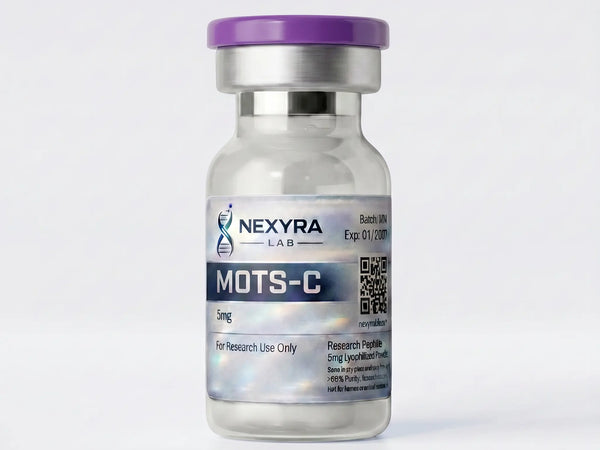
- MOTS-c — activates AMPK and operates downstream of mitochondrial NAD+ sensing; studies of MOTS-c and NAD+ together provide complementary perspectives on mitochondrial metabolic regulation
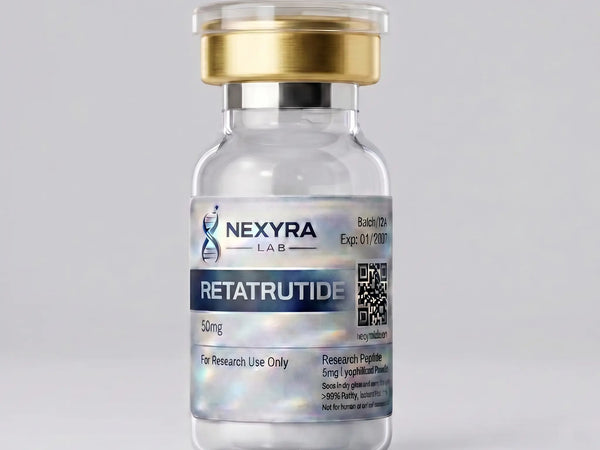
- Retatrutide — addresses systemic hormonal metabolic regulation via GIP/GLP-1/glucagon receptors; NAD+ provides the intracellular bioenergetic context for the tissue-level metabolic effects observed with GLP-1 class compounds
- GHK-Cu — upregulates gene expression broadly including antioxidant defence genes; NAD+-dependent SIRT3 activation of SOD2 provides a mechanistically complementary antioxidant research axis
Together, NAD+, 5-Amino-1MQ, and MOTS-c represent the most tightly integrated mechanistic cluster within our catalogue — three compounds converging on cellular metabolic resilience, mitochondrial function, and the biology of metabolic ageing from distinct and complementary molecular angles.
Product Specifications
| Specification | Detail |
|---|---|
| Compound | NAD+ (β-Nicotinamide Adenine Dinucleotide, oxidised form) |
| Classification | Dinucleotide coenzyme — redox carrier and enzyme cofactor |
| Molecular Formula | C₂₁H₂₇N₇O₁₄P₂ |
| Molecular Weight | 663.43 g/mol |
| Purity | >99% (HPLC & MS verified) |
| Form | Lyophilised powder |
| Available Sizes | 500mg, 1000mg |
| Appearance | White to off-white powder |
| Solubility | Freely soluble in water; prepare fresh solutions |
| Storage | –20°C, desiccated, away from light |
| Shelf Life | 24 months when stored correctly (lyophilised, desiccated) |
| CAS Number | 53-84-9 |
Quality & Purity Assurance
Every batch of our NAD+ undergoes a rigorous multi-stage quality control process before release. Our assurance pipeline includes:
- HPLC Analysis — confirms compound purity exceeding 99% and confirms the NAD+ (oxidised) form
- Mass Spectrometry (MS) — verifies molecular identity and confirms absence of NADH or other dinucleotide contaminants
- Enzymatic Activity Assay — confirms biological activity as a coenzyme substrate in standard enzymatic reactions
- Endotoxin Testing — ensures the product is free from bacterial endotoxins
- Karl Fischer Moisture Analysis — confirms low residual moisture critical to stability of the lyophilised powder
- Certificate of Analysis (CoA) — available for every batch upon request
NAD+ is hygroscopic and sensitive to moisture, heat, and light in ways that require specific QC attention beyond standard peptide quality control. Our Karl Fischer moisture analysis and desiccated packaging protocols are specifically designed to address these stability characteristics and ensure research-grade reliability.
Handling & Reconstitution (Research Use)
NAD+ lyophilised powder is freely soluble in water. Prepare aqueous solutions fresh immediately before use — NAD+ undergoes hydrolysis in solution, particularly at acidic or alkaline pH, and prolonged storage of reconstituted solutions is not recommended for research-grade applications where concentration accuracy is important. For assay use, prepare working solutions at neutral pH (6.5–7.5) in appropriate buffer systems consistent with the experimental protocol.
Store the lyophilised powder in tightly sealed, desiccated containers at –20°C protected from light. NAD+ is hygroscopic — moisture absorption during handling will degrade both the powder quality and the accuracy of mass-based concentration calculations. Weigh and handle under low-humidity conditions where possible. Avoid repeated opening of the stock vial; consider pre-aliquoting into working-size quantities under dry conditions before the first opening.
All handling should comply with standard laboratory safety protocols and applicable institutional or regulatory guidelines.
Important Notice
This product is intended strictly for in vitro research and laboratory use only. NAD+ is not approved as a therapeutic agent for human use by the FDA or EMA in the context of this research-grade supply. It is not a drug or supplement formulated for human consumption. By purchasing this product, the buyer confirms they are a qualified researcher and will use the compound solely for lawful scientific research purposes.
Shipping and Returns
xReturn & Refund Policy
We take pride in delivering high-quality research peptides and want every order to meet your expectations. Please take a moment to review our policy before completing your purchase.
Research Use Only
All products are strictly intended for laboratory and in-vitro research purposes. They are not formulated or approved for human consumption, veterinary use, or diagnostic application.
All Sales Are Final
Due to the sensitive and regulated nature of our products, all sales are final. We are unable to accept returns, process exchanges, or issue refunds once an order has been confirmed.
Order Accuracy
Please review your order carefully before submitting. We are committed to fulfilling every order exactly as placed and cannot assume responsibility for errors entered at checkout.
Damaged or Incorrect Orders
We stand behind every shipment we send. In the unlikely event that your order arrives damaged or contains an incorrect item, contact our team within 48 hours of delivery. Each case will be reviewed individually, and resolutions are offered at our discretion.
Your Acknowledgement
By completing a purchase, you confirm that you understand the intended use of our products and agree to the terms outlined in this policy.
Additional Information
xhtml
What You Need to Know
No guesswork. No compromise. Every peptide ships with verified purity data backed by HPLC and Mass Spectrometry analysis — because your research deserves a source you can actually trust.
| 🔬 | Purity | ≥99% — confirmed per batch |
| 🏭 | Manufactured | cGMP-certified laboratory conditions |
| 📄 | CoA | Available on request for every product |
| ❄️ | Storage | Lyophilized at -20°C | Reconstituted at 4°C |
| ⚗️ | Use | Strictly for in-vitro and laboratory research only |
Disclaimer: All products are sold for research purposes only and are not intended for human consumption, clinical trials, or diagnostic use. Not approved by the FDA.
- Choosing a selection results in a full page refresh.
Shop the look
Choose options